There’s a moment, if you’ve watched enough movies, when you realize that certain films don’t just entertain you. They actually change how you see everything else after them. The way a scene is lit. The way a villain talks. The way a story refuses to follow the rules you thought were written in stone.
Modern Hollywood didn’t arrive overnight. It was built film by film, risk by risk, by directors and studios willing to either smash conventions or weaponize them in ways nobody had tried before. Some of those films made billions. Others made people deeply uncomfortable. Most of them did both. So let’s dig into the ones that genuinely mattered – and still do.
Star Wars (1977): The Movie That Invented the Modern Blockbuster

Here’s a fact that still catches people off guard: before 1977, Hollywood didn’t really think in terms of franchises. George Lucas changed that almost single-handedly. The enormous success of Star Wars helped give rise to the modern blockbuster and induced studios to focus ever more heavily on trying to produce enormous hits. That shift is still shaping every studio’s release calendar right now, in 2026.
The film’s impact on Hollywood is monumental, establishing franchises and merchandising as key components of the industry. Think about that for a second. The toys, the lunchboxes, the theme park rides – all of it traces back to that one film. Star Wars sparked a resurgence in sci-fi storytelling, encouraging filmmakers to explore new narratives and visual possibilities.
The Godfather (1972): Storytelling as an Art Form

Francis Ford Coppola’s masterpiece didn’t just tell a great crime story. It proved that a Hollywood film could have the moral weight and psychological depth of a serious novel. Through films like “The Godfather,” viewers gain insights into American values, lifestyles, and societal norms, fostering a deeper understanding of the country’s culture. That’s a remarkable thing for a movie about a mafia family to accomplish.
Honestly, I think what makes The Godfather so durable is its refusal to offer easy judgments. The characters are monstrous and deeply human at exactly the same time. Classic movies like The Godfather continue to captivate audiences because of their depth and artistry. These films set a high standard for storytelling, inspiring future filmmakers to push creative boundaries.
Pulp Fiction (1994): The Film That Rewrote the Rules
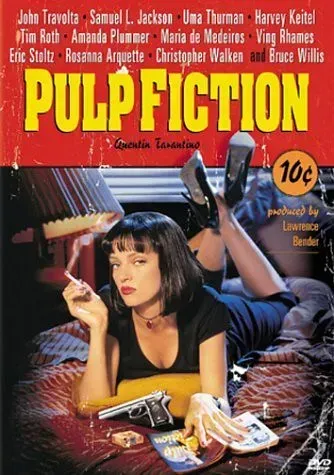
Quentin Tarantino walked into Hollywood in the early 1990s with no film school degree and a head full of every movie ever made. The result was Pulp Fiction, a crime film that felt completely unlike anything before it. Pulp Fiction came along at the height of an indie film renaissance – one that Quentin Tarantino himself had helped define and perpetuate – and it became the apotheosis of the movement.
It’s hard to envision a movie seizing the zeitgeist the way that Pulp Fiction did – not just commanding cultural attention, but changing the way a generation talks, thinks, and what it considers cool. Non-linear storytelling, dialogue that felt completely alive, violence treated with dark comedy – Pulp Fiction made all of that feel new. Pulp Fiction’s legacy continues to influence filmmakers, showcasing the power of innovative storytelling in shaping cultural narratives.
The Matrix (1999): A Revolution in Vision and Philosophy

The Wachowskis didn’t just make a sci-fi action film in 1999. They made a philosophical argument dressed up in leather coats and slow-motion bullet dodges. When “The Matrix” premiered in 1999, it was more than just another sci-fi flick; it became a cultural phenomenon that redefined the cinematic landscape and transformed the action genre.
In 2012, it was selected for preservation in the United States National Film Registry by the Library of Congress for being “culturally, historically, and aesthetically significant.” Its “bullet time” technique was copied endlessly, and its concepts went far beyond cinema. The Matrix profoundly influenced global pop culture, introducing terms like “red pill” and “blue pill” into the common vernacular. These concepts have been adopted by various ideological groups, used in advertising, and discussed in academic texts. That kind of cultural penetration is almost unheard of for a single film.
The Dark Knight (2008): When Superhero Films Grew Up
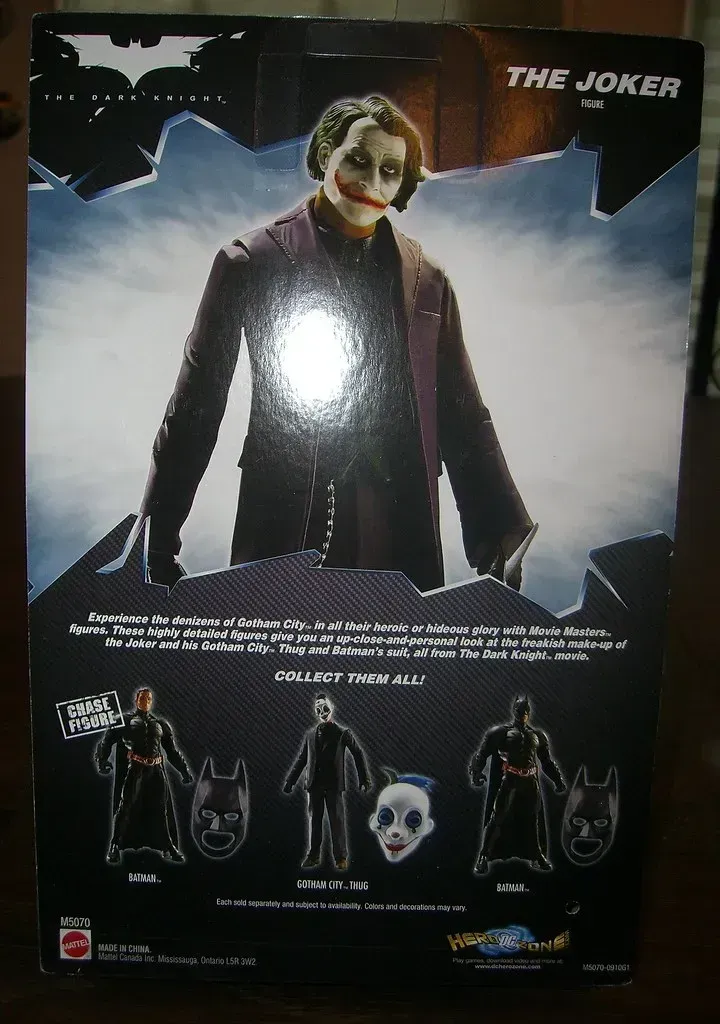
Before Christopher Nolan’s The Dark Knight arrived, comic-book adaptations were largely considered popcorn entertainment. Good, maybe great, but not serious. Nolan changed that entirely. Comic book superhero films became a blockbuster subgenre culminating in the unprecedented achievements of The Dark Knight in both revenue and acclaim.
Heath Ledger’s Joker in The Dark Knight is etched into cinematic history because the actor brought depth, nuance, and authenticity to the character. The film didn’t just perform well at the box office. It forced critics and audiences to take the superhero genre seriously as a vehicle for exploring real moral questions. Right up until The Dark Knight, The Matrix was the most influential and imitated genre blockbuster of the 21st century – and then Nolan simply took the crown.
The Lord of the Rings Trilogy (2001–2003): Proof That Ambition Can Win
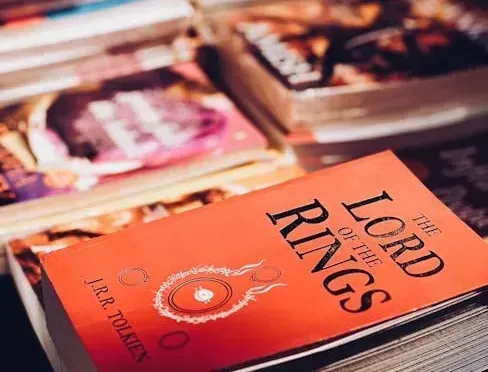
Peter Jackson’s decision to shoot all three Lord of the Rings films back-to-back in New Zealand was seen by many industry insiders as either genius or madness. Possibly both. The results were staggering. The Lord of the Rings: Return of the King is the epic conclusion to one of the greatest cinematic trilogies of all time.
The highest-grossing movies of the 2000s represent a distinct stage in the evolution of Hollywood: the era of the blockbuster franchise. Even Avatar was originally envisioned as the first in a planned movie series. From the first Harry Potter and Pirates of the Caribbean movies to the Lord of the Rings trilogy, the 2000s loudly proclaimed the arrival of blockbuster franchises. Jackson proved that a director with total creative conviction could bend a studio to his vision – and audiences would follow.
Iron Man (2008) and the MCU: A Franchise Like Nothing Before It

When Iron Man opened in 2008, most people didn’t realize they were watching the beginning of the most financially successful franchise in cinema history. The first MCU film, Iron Man (2008), began Phase One, which culminated in the 2012 crossover film The Avengers. What followed was something genuinely unprecedented in Hollywood.
So far, the released movies of the Marvel Cinematic Universe have grossed over $32 billion worldwide. It is the first major film franchise to cross the $9 through $32 billion marks and has become the highest-grossing franchise of all time. That number is almost incomprehensible. Still, the MCU has recently had to reckon with the limits of its own model. The company began reducing output and focusing on quality, with Feige acknowledging that 2023 had been a particularly difficult year for the studio and that they had learned their lesson on trying to make too much content at once.
Titanic (1997): The Film That Dared to Be Huge

James Cameron is not a subtle filmmaker. He is a filmmaker who bets everything on scale, emotion, and spectacle – and usually wins. Titanic was dismissed by many before its release as a catastrophically over-budget vanity project. Then it opened. Titanic is remembered because it touches on universal human emotions such as hope, love, and sacrifice.
It became the first film ever to gross over a billion dollars at the global box office and held the record for the highest-grossing film of all time for over a decade. Films like Titanic revolutionized storytelling and visual effects in ways that still echo through how big-budget cinema is conceived today. Cameron’s willingness to spend, push, and obsess gave Hollywood a template for what a genuine event film could look like.
New Hollywood’s Turning Point: Bonnie and Clyde (1967) and the Director’s Era
It would be dishonest to talk about modern Hollywood without acknowledging the seismic shift that cracked the old studio system open in the late 1960s. The New Hollywood was a movement in American film history from the mid-1960s to the early 1980s, when a new generation of filmmakers came to prominence. They influenced the types of film produced and the way major studios approached filmmaking. In New Hollywood films, the film director, rather than the studio, took on a key authorial role.
That power shift – director over studio – is the reason Coppola could make The Godfather, Scorsese could make Taxi Driver, and Spielberg could redefine what a summer movie meant. Hollywood’s New Wave movement shaped many new directors of the 1970s, who built upon classical conventions by adding more personal and experimental approaches to filmmaking. Martin Scorsese is a notable director who used new editing and character types. Without that era, there is no modern Hollywood as we know it.
Hollywood and Global Culture: Why These Films Still Echo
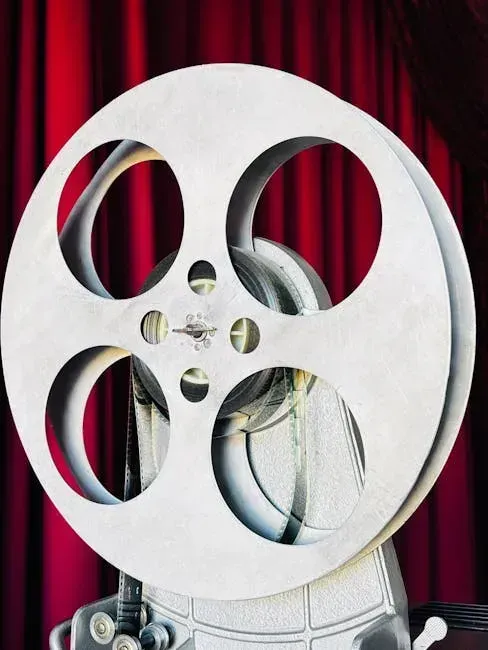
It’s tempting to view these films as historical artifacts. Great, important, but somehow finished. That view misses something essential about how cinema actually works. A great movie often stands the test of time because of its universal themes, unforgettable characters, and masterful storytelling. Films that explore love, friendship, courage, and resilience remain relevant regardless of the era in which they were created. When a movie resonates with multiple generations, it becomes more than just entertainment – it transforms into a cultural milestone.
Through the power of storytelling, cultural diplomacy, and fashion influence, American cinema shapes perceptions, drives trends, and fosters cross-cultural understanding on a scale unparalleled by any other entertainment industry. The films discussed here didn’t just reflect their moment – they helped create ours. Every frame of every superhero film you watch today, every non-linear narrative, every action sequence built around impossible visual technology, leads back to one of these films at the root. That is a legacy worth paying attention to.
What would your list look like? The films that shaped you – are they on this one, or have we missed something you’d fight for? Tell us in the comments.