Most people don’t plan to watch five episodes in a row. It just sort of happens. The autoplay rolls, the cliffhanger lands, and suddenly two hours turn into four. A Statista survey from 2024 found that roughly two thirds of adults report watching multiple episodes in a single sitting, which means this isn’t a niche behavior anymore – it’s just how a lot of us spend our evenings. The question isn’t really whether to binge-watch, but how to do it in a way that doesn’t leave you feeling wrecked by morning.
The good news is that you don’t need a complete lifestyle overhaul. A few deliberate, small habits inserted into your viewing routine can genuinely make a difference – for your sleep, your body, your mood, and even how much you enjoy the show itself. Here are seven worth building into your next session.
1. Set an Episode Limit Before You Start

There’s something about deciding in advance that sidesteps the in-the-moment pull of “just one more.” A 2024 study found that binge-watching isn’t necessarily impulsive behavior, noting that in most cases viewers are actually planning to binge-watch ahead of time – which means that same planning instinct can be redirected toward setting a realistic limit.
Research suggests that the optimal viewing experience generally passes after about five episodes, meaning satisfaction doesn’t continue climbing indefinitely with each additional episode watched. Deciding on two or three episodes before you press play gives you a clear stopping point, and you’re far less likely to override a decision you made with a clear head than one you’re trying to make mid-cliffhanger.
2. Disable Autoplay
Binge-watching is heavily fueled by algorithmic recommendations and autoplay features, and those features are not designed with your best interests in mind. The few seconds of silence between episodes – before the next one loads automatically – is actually your best window to pause and check in with yourself. Without it, that window disappears.
Sleep medicine experts recommend setting an episode limit before you start watching and taking a break between each episode rather than falling into the autoplay trap. Turning autoplay off is one of the simplest friction-adding tools you have. It costs nothing, takes thirty seconds to do in your streaming settings, and makes a real difference across a long viewing session.
3. Take a Short Movement Break Every Hour

Binge-watching can negatively affect physical health, and research has consistently shown that long stretches of inactivity increase the risk of developing heart disease and diabetes. That’s not a reason to never sit on a couch, but it is a reason to get up occasionally. Even a two-minute walk to the kitchen or a quick stretch between episodes keeps circulation moving in a way that uninterrupted sitting simply doesn’t.
Health experts suggest taking short breaks roughly every 45 to 60 minutes to stretch and refocus. You don’t need a treadmill desk or a fitness plan. Standing up, rolling your shoulders, and walking to a different room for a moment is genuinely enough to interrupt the sedentary pattern. Your back will notice the difference before the end of the night.
4. Use the 20-20-20 Rule for Your Eyes

A comprehensive 2024 systematic review examining over 100 cross-sectional studies with more than 66,000 participants found that roughly two thirds of regular screen users experience digital eye strain symptoms. Binge-watching puts your eyes in the same sustained focus position for hours, which fatigues the muscles responsible for changing focus distance. The discomfort is real, even if most people just chalk it up to tiredness.
To reduce eye strain during prolonged screen use, optometrists recommend adopting the 20-20-20 rule: for every 20 minutes of screen time, spend 20 seconds looking at something at least 20 feet away. It sounds almost too simple to matter, but this gives your eyes a chance to refocus and relax the focusing muscles that are otherwise locked in the same position for extended periods. Episode transitions are a natural reminder to do it.
5. Watch on a Proper Screen, Not Your Phone in Bed

Screen exposure within two hours of bedtime suppresses melatonin production by up to half, making it significantly harder to fall asleep. Watching on a phone held close to your face in a dark bedroom amplifies this effect considerably. The smaller and brighter the screen in a dark room, the more intensely your brain receives the signal that it’s daytime.
Electronic screens emit broad-spectrum light including blue light, which not only delays the release of melatonin but can actually reset your circadian rhythms to a later schedule. Streaming video to a television instead of a mobile device at night reduces exposure to the brightly lit, hand-held screens that do the most damage to sleep quality. It’s a small shift in habit that protects your ability to wind down when the session actually ends.
6. Watch with Someone When You Can
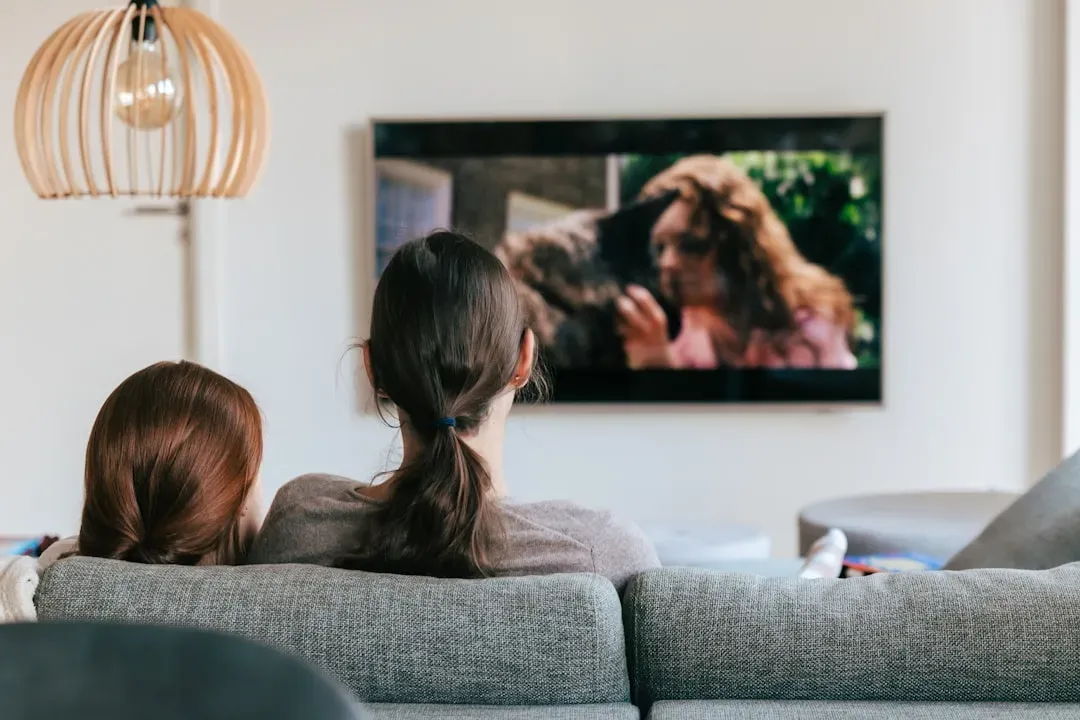
Research suggests that binge-watching is often a solitary pastime, with some studies finding nearly half of viewers watching alone daily and more than half of American respondents saying they prefer to binge-watch by themselves. Watching alone isn’t inherently a problem, but the social version of the same activity carries measurable benefits – natural stopping points, conversation that resets your attention, and the simple regulation that comes from being around another person.
Some research even suggests that binge-watching can serve as a catalyst for new friendships, offering opportunities to share popular references and watch together. Watching with a partner, friend, or family member also makes it more likely you’ll stop at a reasonable hour – because stopping is a shared decision rather than an internal negotiation you’re always losing. It changes the dynamic in a useful way.
7. Stop Watching at Least 30 Minutes Before Bed

According to the American Academy of Sleep Medicine, nearly nine in ten American adults admit they have lost sleep due to staying up late to watch multiple episodes of a TV show or streaming series. The sleep debt that accumulates from regular late-night viewing isn’t trivial. The psychological stimulation from dramatic or suspenseful content can keep the brain activated for hours after you stop watching, disrupting sleep quality even if you do eventually fall asleep.
Researchers found that sleep disturbances from binge-watching result from mental stimulation that comes from extended evening viewing – a form of stimulation known as “pre-sleep arousal,” where storylines, action, and imagery keep the brain alert and active. Turning off devices at least 30 to 60 minutes before bed gives your nervous system time to shift gears. A brief wind-down routine – reading, a warm shower, or even just sitting quietly – helps bridge the gap between an intense final episode and actually being able to sleep.
None of these habits require much effort on their own. What makes them effective is consistency. A pre-set episode limit, autoplay turned off, a standing stretch between episodes, the 20-20-20 rule for your eyes, a television instead of a phone screen, a watching companion when possible, and a firm screen-off window before sleep – together, they keep the pleasure of binge-watching intact while cutting away most of the cost. The shows aren’t going anywhere. Your sleep and your back will thank you for treating the habit like it deserves a little management.