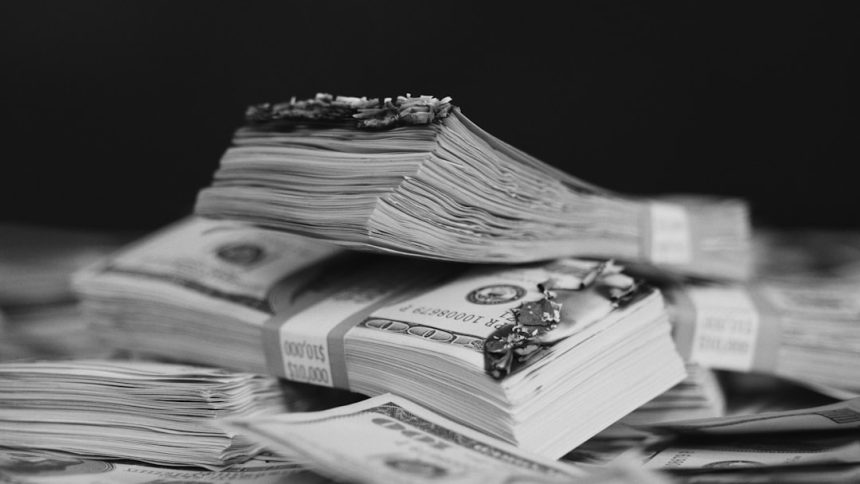
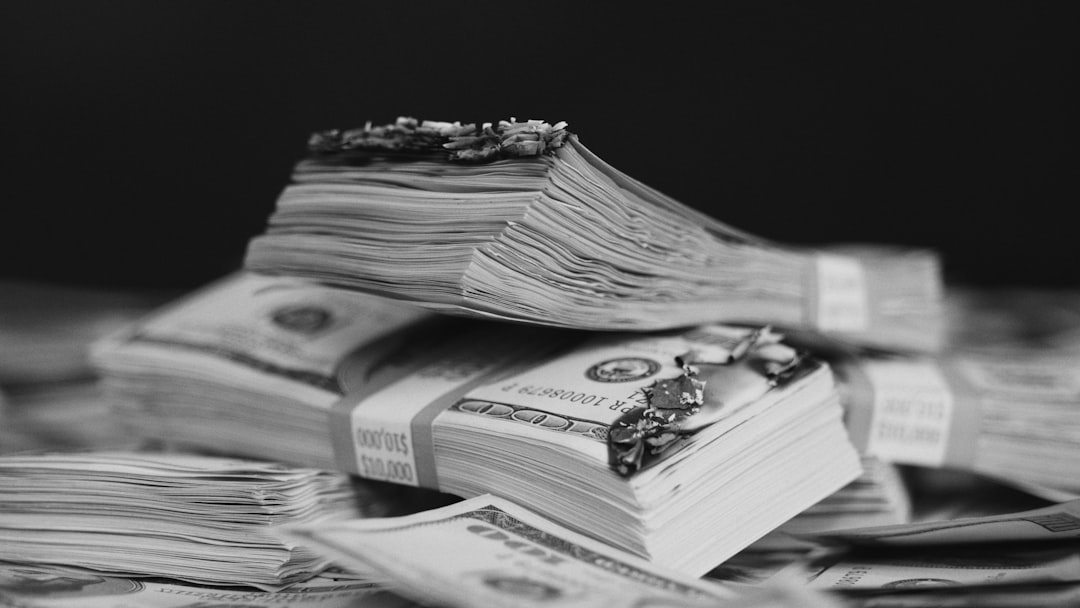
Shocking Scale of the Theft (Image Credits: Unsplash)
Fresno – A former operations manager at the Fresno Arts Council confessed to siphoning nearly $1.8 million from funds designated for local artists, casting a long shadow over the city’s ambitious Measure P program. Voters approved the measure in 2018 to bolster parks, recreation, and cultural access through a dedicated sales tax, but the scandal has stalled projects and prompted a full overhaul of grant administration. Questions persist about full recovery and preventing future breaches as the arts community demands stronger safeguards.[1][2]
Shocking Scale of the Theft
Suliana Caldwell, who joined the Fresno Arts Council as operations manager in 2021, began unauthorized transfers from organizational bank accounts in June 2022. She moved the money to her personal PayPal and bank accounts over nearly four years, spending it on casino gambling, vacations, and other personal expenses. Prosecutors detailed how she altered financial records and misrepresented reports to conceal the scheme, including a single $58,000 withdrawal in July 2024.[1][3]
The theft came to light amid audit concerns in September 2025, leading to a Fresno Police Department and FBI investigation that started on February 5, 2026. Caldwell confessed on March 26, 2026, citing personal struggles that spiraled into addiction. Her attorney noted, “She was in a downward spiral… This has been an extremely challenging time for her and her family. But she went in and told them what happened.” On April 20, 2026, she agreed to plead guilty to one count of wire fraud, facing up to 20 years in prison and full restitution of $1.8 million at sentencing in August.[4]
Understanding Measure P’s Role
Measure P imposes a 3/8-cent sales tax on transactions within Fresno, generating about $37.5 million annually at an average household cost of $39 per year. Approved by voters in November 2018 for 30 years, the funds target long-neglected infrastructure identified in the Fresno Parks Master Plan, where 80% of parks rated fair or poor. The program mandates at least 50% of spending in high-need neighborhoods based on factors like poverty, park access, and health metrics.[2]
Allocations break down precisely to balance community needs:
Partner offer
- 46% for neighborhood parks and playground maintenance
- 21.5% for new parks and recreational facilities
- 12% for expanding arts and culture access
- 8.5% for youth, senior, and afterschool programs
- 11.25% for trails, street beautification, and the San Joaquin River Parkway
The arts portion, totaling 12%, fueled grants through the Fresno Arts Council until the scandal erupted. Annual reports for fiscal years 2022 through 2024 tracked progress, but the Cultural Arts Plan, adopted in 2023, now requires fresh oversight.[2]
City Steps In to Stabilize Funding
Faced with stalled projects, Fresno officials terminated the city’s contract with the Arts Council in February 2026 and shifted arts grant management to the Parks, After School, Recreation, and Community Services (PARCS) Department. City Manager Georgeanne White outlined plans to reallocate general fund dollars from PARCS temporarily, repaying them through insurance claims, asset recovery, or future Measure P revenue. She cautioned that theft exclusions might complicate insurance payouts.[5]
Grant recipients missing allocations received priority replenishment, ensuring 82% of overall Measure P funds continued flowing as intended. The Parks and Arts Commission, with its nine diverse members, now handles recommendations to City Council. Critics, including artists, pushed for external expert reviewers to avoid local conflicts and urged creation of a dedicated Cultural Affairs Department.[5]
Arts Community’s Frustration and Calls for Reform
The embezzlement halted payments to local artists and organizations, sparking outrage at public meetings. PRAC Chairperson Kimberly McCoy questioned oversight lapses: “There were safeguards… We wouldn’t be having this conversation if they were followed, because 1.5 million is missing.” Alicia Rodriguez of Labyrinth Art Collective demanded validation of community concerns, while Amy Kitchener advocated for professional leadership in cultural affairs.[5]
Though the city committed to making recipients whole, broader trust in nonprofit intermediaries eroded. Discussions at commission hearings highlighted needs for updated grant guidelines and a Cultural Arts Subcommittee, absent since December 2025. The scandal amplified pre-existing debates over Measure P’s administration, with some residents questioning the tax’s efficacy years after passage.[5]
Key Takeaways
- Caldwell’s plea secures restitution but leaves recovery timelines unclear.
- City takeover protects ongoing grants, yet new structures remain in flux.
- Arts advocates seek a permanent Cultural Affairs Department for accountability.
The guilty plea marks a milestone, yet Fresno’s arts ecosystem faces ongoing hurdles in rebuilding confidence and streamlining Measure P’s cultural arm. With sentencing ahead and insurance battles looming, taxpayers watch closely as officials balance recovery with program momentum. How can the city best safeguard these vital funds moving forward? Share your thoughts in the comments.
Partner offer
Planning a trip to Vegas?
Compare hotel rates and show tickets on VEGAS.com.