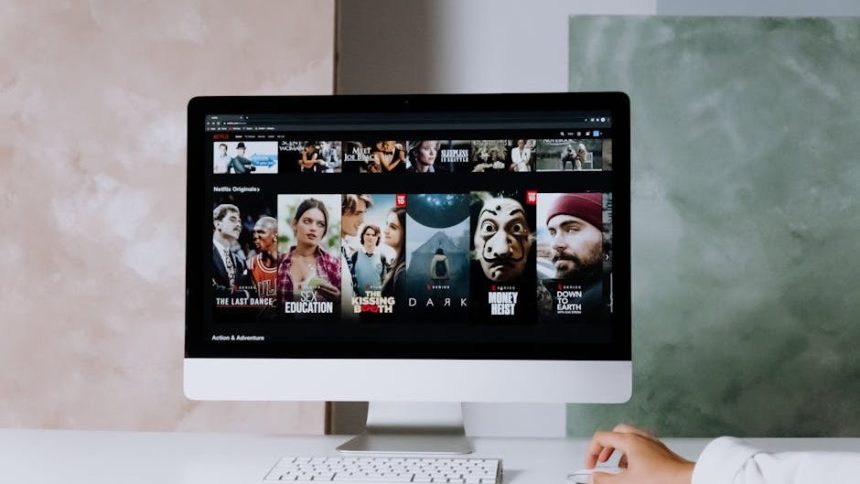
There was a time not too long ago when streaming felt genuinely revolutionary. No ads. No schedules. No cable bill. You paid a modest monthly fee, got access to thousands of titles, and watched whatever you wanted, whenever you felt like it. It seemed too good to be true, and as it turns out, it mostly was.
Over the past few years, the industry has quietly reversed almost every promise it once made to viewers. Price hikes, password crackdowns, disappearing content, and an ever-growing pile of subscriptions have left many people wondering if watching TV was somehow simpler before streaming took over. Here are the seven changes viewers say broke the experience.
1. The Password-Sharing Crackdown That Felt Like a Betrayal
For years, sharing a streaming login with a sibling, college roommate, or a parent across the country was an almost universally accepted practice. Netflix once encouraged password sharing with social media posts saying, “Love is sharing a password,” and was once praised for being a source of prestigious, innovative content. That goodwill evaporated quickly. In May 2023, Netflix started cracking down on password sharing, effectively putting an end to the practice.
Other platforms followed fast. Disney+, Hulu, and ESPN+ joined the crackdown in February 2024. As of April 22, 2025, Warner Bros. Discovery introduced a new “Extra Member” feature for Max subscribers, meaning that sharing an account with someone outside your household now requires an additional payment of $7.99 per month per person. For viewers who had come to rely on shared accounts as an everyday financial arrangement, the shift felt less like a policy update and more like a breach of trust.
2. Relentless Price Increases That Never Seem to Stop
Streaming was sold to consumers as an affordable escape from bloated cable bills. That pitch has aged poorly. In 2025, Disney, Netflix, HBO Max, and Apple TV all raised prices, with premium subscriptions ranging from $12.99 for Apple TV to $24.99 for Netflix. December 2024 and February 2025 saw the largest decreases in streaming service subscriptions, of more than 20 percent and 18 percent respectively, as price increases took effect.
The financial toll compounds quickly when you subscribe to more than one service. The average monthly expenditure of paid streamers is in the range of 70 to 75 dollars. Even though more than half of consumers say they use streaming video-on-demand services most frequently, nearly half believe they pay too much for these services, and roughly two in five think the content offered isn’t worth the price. That last figure is up five percent from the year before, which tells its own story.
3. Ads Creeping Back Into What Was Supposed to Be Ad-Free
One of streaming’s original selling points was the absence of commercials. That promise has been steadily eroded. As ads become more common in the streaming video experience, streaming is starting to look more like traditional TV, monetizing eyes with ads. A significant majority of respondents in a 2024 survey observed a rise in the volume of ads displayed while streaming, and half of those respondents said the increase in ads has had a negative effect on their viewing experience.
The spread of ad-supported tiers has been rapid. Two-thirds of streaming subscribers are now opting for ad-supported plans, marking a 20 percent increase from 2024. For many, it’s a forced compromise rather than a genuine preference. Streaming ads can still feel interruptive to the paid experience, and less effective than the targeted, often skippable ads found on social video platforms. Viewers who originally paid to avoid this exact problem are now watching commercials again, just on a different screen.
4. Shows Disappearing Without Warning
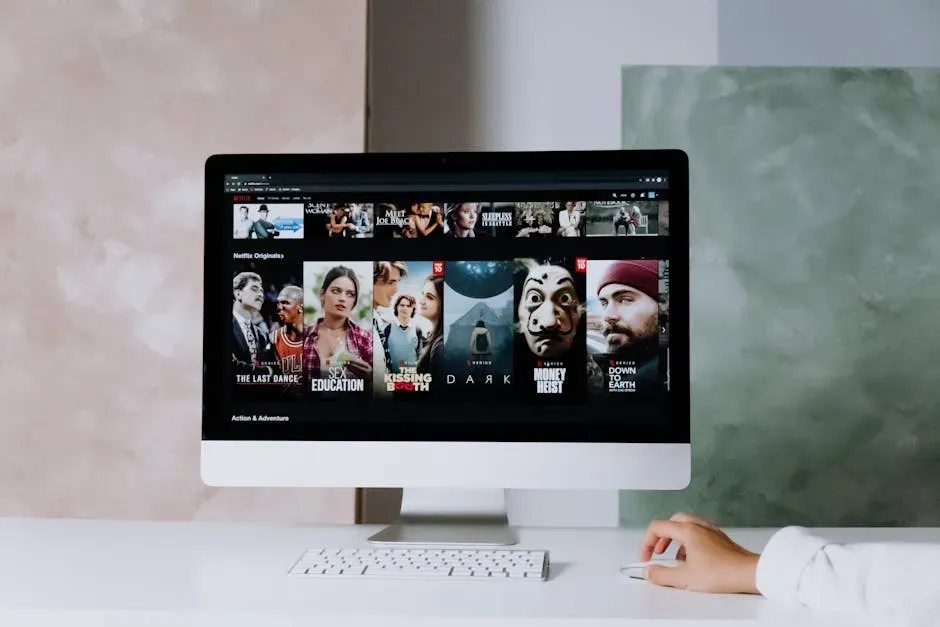
Perhaps nothing frustrates viewers more than sitting down to finish a series, only to discover it’s simply gone. Thousands of viewers experience this every year as platforms like Netflix, Hulu, Disney+, and Amazon Prime Video quietly remove entire shows from their libraries, and the phenomenon has become so common that fans have coined the term “content churn” to describe it. Streaming services don’t always own the content they host. Instead, they rent it under strict, time-limited agreements. When those agreements expire or when business priorities change, shows vanish.
Partner offer
Multiple services have removed TV and film from their libraries, and in many cases, this means they are gone forever, inaccessible to any fan. When it comes to many of these titles, they are originals, meaning they were created specifically for the platform. The removal of original content from streaming services, in most instances, means they will not be accessible to viewers anywhere. That’s not a rotation of the library. That’s deletion from the cultural record.
5. Subscription Fatigue From Juggling Too Many Platforms

The early promise of streaming was simplicity: one service, one bill, everything you need. The reality in 2026 is something closer to the cable bundle that viewers thought they had escaped. Instead of simplifying viewing choices, streaming has become just as fragmented and, in many cases, more expensive than cable. Roughly more than a quarter of Americans report experiencing “streaming fatigue,” defined as the feeling of being overwhelmed by the increasing number of streaming apps.
The average U.S. household’s spending on streaming services increased by over 30 percent from 2023 to 2024, yet simultaneously, churn rates have risen as users trim down to essential subscriptions only. Fragmentation of content across different services means users no longer find value in subscribing to many platforms simultaneously. Instead, they opt for fewer services or ad-supported free options. The dream of one-stop entertainment has fractured into a game of constant rotation, cancellation, and resubscribing.
6. Promising Shows Getting Cancelled Too Soon
Streaming platforms built their reputations partly on the idea that a show could find its audience over time, free from the ratings-driven cancellations that plagued traditional network television. Streaming used to be seen as a safe haven for consumers who were sick and tired of seeing shows canceled on traditional TV. Now streamers are following suit by canceling their own underperformers. Viewers who invest time in a new series now do so with the lingering awareness that it may not survive past a single season.
Streaming companies’ penchants for abruptly cancelling shows have made them worse in some respects than broadcast networks were when they mattered. The speed of cancellation has accelerated in part because platforms track engagement data in real time and make decisions quickly. Gone are the days of companies shelling out untold riches to create content and attract top talent. Now they’re under pressure to actually turn a profit, which means less new content and higher pressure on every title to perform immediately.
7. The Algorithm Replacing Human Discovery
Before recommendation algorithms took full control, finding something to watch was often a pleasant kind of browsing. You’d stumble across a film you’d never heard of, or catch a classic in a sidebar. The way we watch affects the way everything is made. Shows are now created to get your attention, so they have to be pitched at a certain heightened, overwrought level, without exception. The algorithm doesn’t reward the slow burn or the quiet gem. It rewards the thing that hooks you in the first three minutes.
There’s no shortage of content, but it’s time-consuming to sift through it to find what appeals to each individual user. Ironically, the more titles a platform acquires, the harder it becomes to find something worth watching. Roughly a third of all respondents say they spend more time watching social media videos than streaming services, and this behavior is even more prevalent among younger viewers. For that group, social video is increasingly where their “TV time” lives, eroding the idea of appointment viewing. When a home feed of short clips competes more effectively for attention than a curated streaming library, it’s worth asking what the algorithm is actually optimizing for.
The shift from cable to streaming was supposed to put viewers in control. What’s emerged instead is a landscape where the rules keep changing, costs keep climbing, and the content you cared about can vanish overnight. Recent surveys suggest satisfaction with both ad-free and ad-supported services has declined, sparking concerns that the golden age of high-quality, original programming might be over. Whether platforms course-correct or continue down this path may ultimately depend on how much viewers are still willing to absorb before they stop watching altogether.
Partner offer
Planning a trip to Vegas?
Compare hotel rates and show tickets on VEGAS.com.