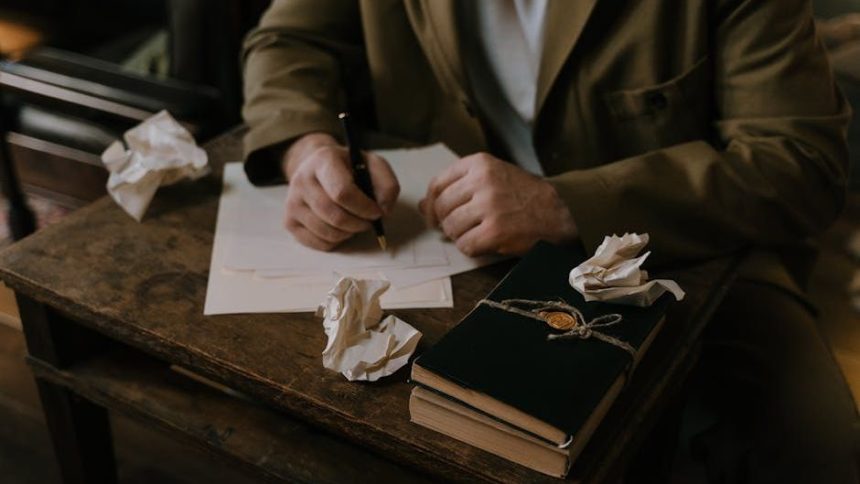
There’s a persistent myth that great writers simply sit down, open a notebook, and let the words pour out in an orderly, civilized fashion. The reality is considerably stranger. From rotting fruit to gravity boots, from locked rooms to hotel beds stripped of their artwork, the creative rituals of history’s most celebrated authors reveal something both comforting and slightly alarming: genius tends to come with a fair amount of odd personal baggage.
What’s striking is how deliberate most of these habits were. They weren’t accidents or affectations performed for an audience. For these writers, the ritual was the work, or at least the necessary condition for it. Here are twenty of the strangest, most fascinating examples.
1. Friedrich Schiller and His Drawer Full of Rotting Apples

Friedrich Schiller had a habit that stands out even among eccentrics. He left apples in a drawer of his desk and let them spoil on purpose, because he liked the smell they produced and felt it inspired him somehow. His friend and fellow writer Goethe confirmed the habit, noting the foul scent that greeted visitors to Schiller’s study.
Whether the smell genuinely unlocked something in his brain or simply became a conditioned signal that it was time to write, we can’t know for certain. What we do know is that Schiller produced William Tell and the text for Beethoven’s Ode to Joy under these distinctly pungent conditions. Creativity, it turns out, doesn’t always smell like success.
2. Victor Hugo’s Naked Writing Sessions
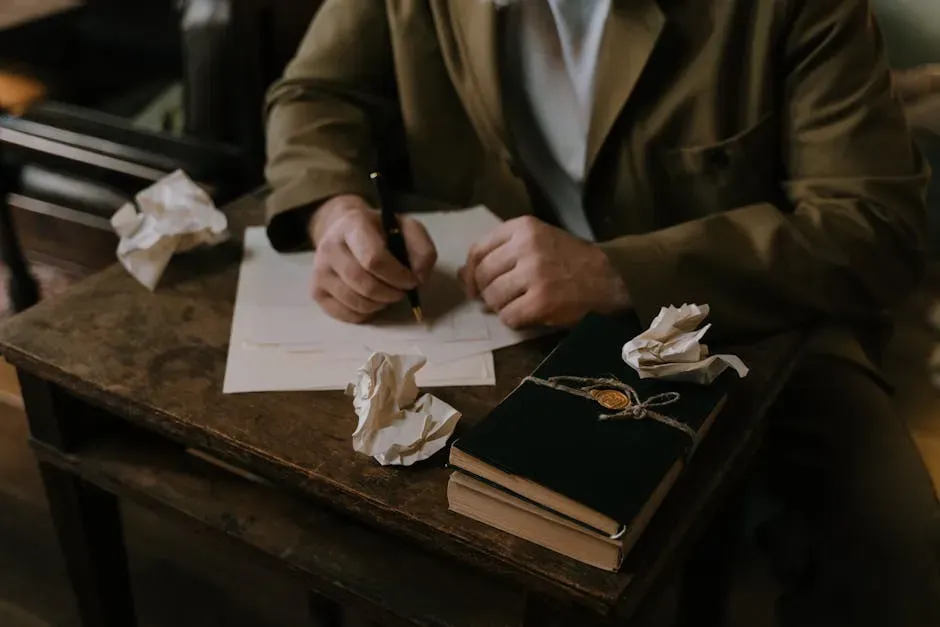
During the writing of The Hunchback of Notre-Dame, Hugo’s routine was to lock himself in a room with a large wooden plank across the door to prevent anyone from entering. He would remove all his clothes and give them to his assistant, who was instructed to hide them. With his clothes out of reach and nothing to wear but a large shawl, Hugo would settle down to write in solitude.
To make himself meet his deadline, Hugo used rather radical methods. He started to write The Hunchback of Notre-Dame in the fall of 1830 and wanted to finish it by February 1831. To do that, he bought a bottle of ink and locked himself in a room, and he didn’t even have any clothes except a gray shawl and a knitted outfit to lower the temptation of going out. He finished before the deadline. The method worked.
3. Honoré de Balzac’s Coffee Obsession

Honoré de Balzac was said to drink 50 cups of coffee a day to kick his synapses into gear. He worked through the night, typically writing from around 1 a.m. to 8 a.m., fueled almost entirely by caffeine. The method worked: Balzac published roughly forty novels, plus novellas and short stories.
Balzac reportedly preferred his coffee strong and black, often using it more as medicine than pleasure. He wrote at length about coffee’s effect on the mind, describing it as summoning ideas like a cavalry charge. The irony is that his relentless output and caffeine dependence may have contributed to heart problems that killed him at just 51.
4. Truman Capote’s Superstitions
Truman Capote even claimed to be “a completely horizontal author” because he couldn’t think and write unless he was lying down. He wrote in bed, on sofas, and wherever else he could recline, always with a cup of coffee in the morning. This horizontal preference extended to most of his major works, including In Cold Blood and Breakfast at Tiffany’s.
Truman never started or finished a piece of work on a Friday. He also changed his hotel room if the numbers added up to 13. Another superstition: there were never more than two cigarette butts in Capote’s ashtray, and he kept the extra ones in the pockets of his coat. For a writer so concerned with control in his prose, he was remarkably superstitious about almost everything surrounding it.
5. Maya Angelou’s Rented Hotel Room Ritual
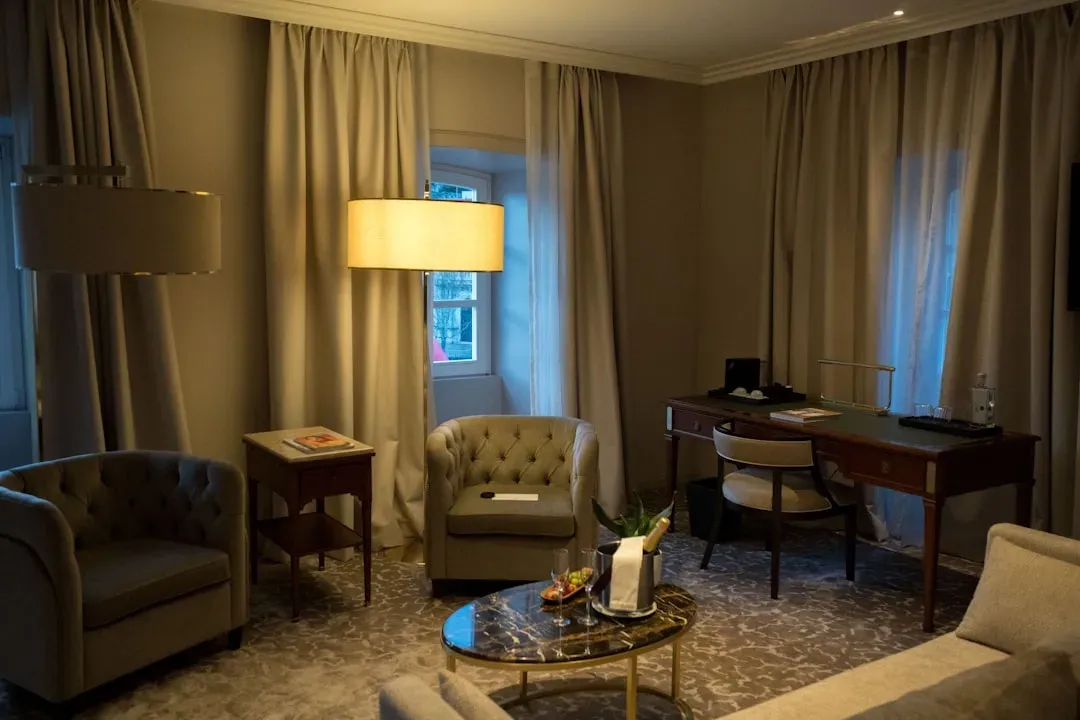
The renowned poet, author, and civil rights beacon Maya Angelou rarely wrote at home. Rather, she would rent a hotel room nearby, order staff to take all pictures and knickknacks off the walls, and write on the bed from 6:30 a.m. to lunchtime. She kept this practice up for decades, treating the bare, anonymous room as a kind of mental reset button.
The removal of decorations wasn’t aesthetic fussiness. Angelou explained that she needed a space stripped of visual distraction so she could focus entirely on language. She never allowed the hotel staff to change the bed, because she never slept there. She would stay until around twelve-thirty or one-thirty in the afternoon, and then go home. It was a workspace she rented but never truly inhabited.
6. Dan Brown’s Gravity Boots and Hourglasses

Dan Brown revealed in an interview that he often hangs upside down from an exercise frame wearing a pair of gravity boots to clear his head. He claimed that letting go and relaxing helped fine-tune his ideas, unsurprising given his complex plots involving cryptography and symbology. For a writer who makes a living from puzzles, the method has a certain logic to it.
Brown also shared that he sets his computer to freeze every hour for 60 seconds and takes a minibreak of sit-ups and push-ups. The combination of inversion therapy and timed exercise breaks is unusual, though Brown has noted both practices help him manage the physical toll of long writing sessions. His output, including some of the best-selling thrillers of the past two decades, suggests it isn’t hurting the work.
7. Agatha Christie’s Bathtub Plotting Sessions
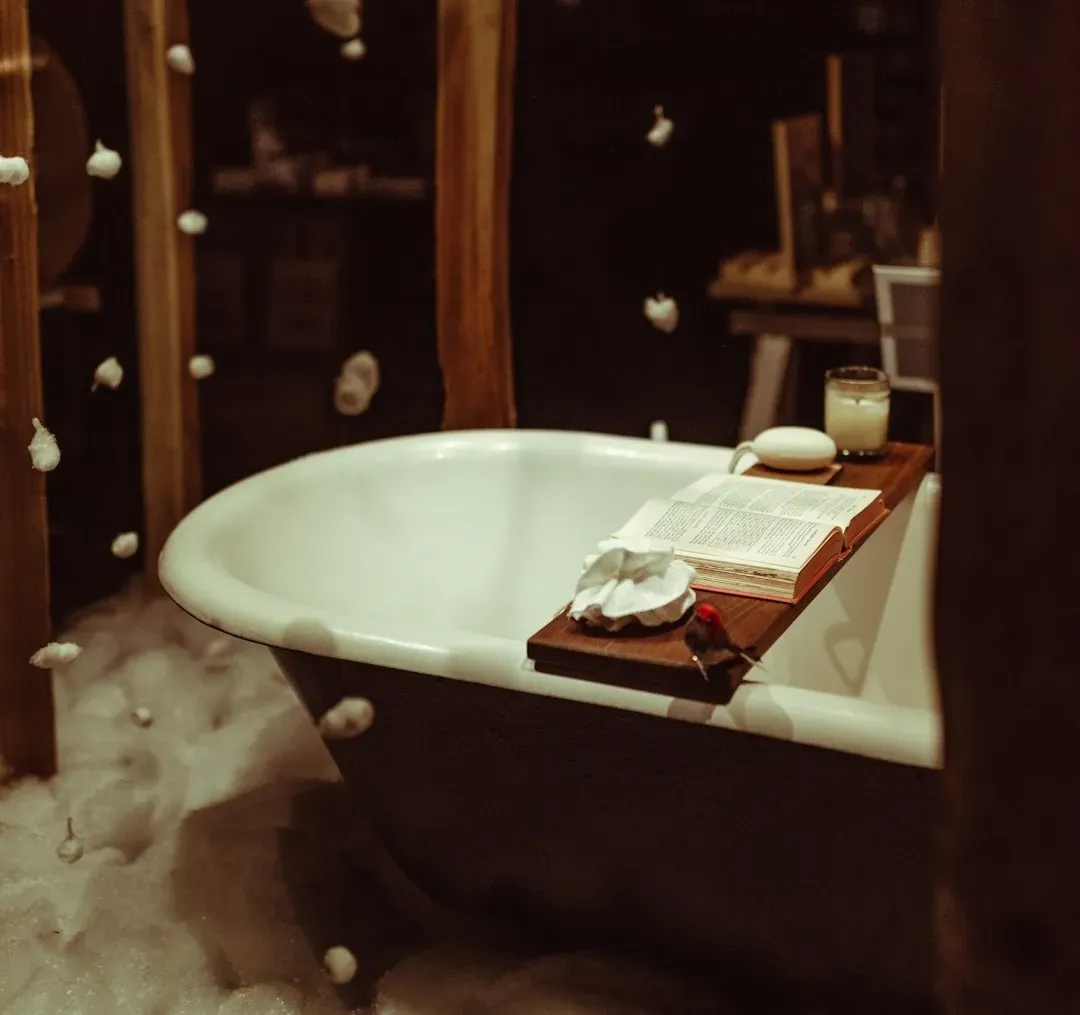
Christie described her process plainly: “Walking or just washing up, a tedious process,” she said, explaining how she developed plots. “Years ago I got my plots in the tub, the old-fashioned, rim kind – just sitting there thinking, undisturbed, and lining the rim with apple cores.” The bathtub, for Christie, was less a luxury than a genuine workspace.
Christie did her best thinking while eating apples and drinking tea in the bath. Unfortunately, she found modern baths “too slippery, with no nice wooden ledge to rest pencils and paper on,” so she was forced to give up the stimulating habit. Christie wrote 66 detective novels and 14 short-story collections, many of them plotted in precisely this fashion. The Queen of Crime did her best thinking with pruned fingers and apple cores.
8. Virginia Woolf’s Towering Standing Desk
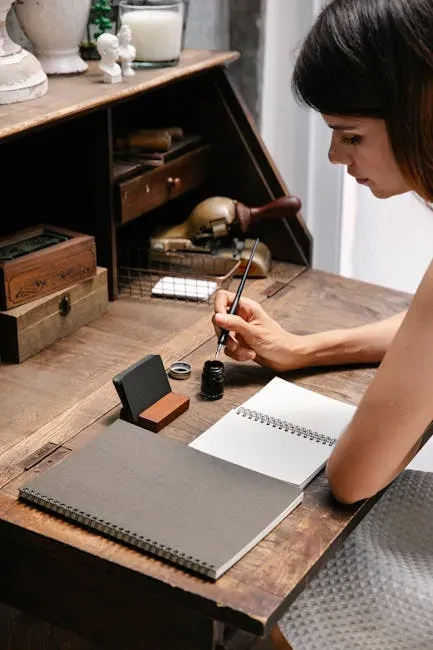
Virginia Woolf used a desk that was 3.5 feet tall with an angled top, which allowed her to evaluate her work both from a distance and up close. This quirk was sparked by her rivalry with her sister Vanessa, who painted standing. The standing desk became a defining part of her daily writing discipline and predated the modern office trend by decades.
Considered one of the most important modernist 20th-century authors, Woolf wrote standing up on an aisle-type desk that allowed her to evaluate her work from up close and afar, like a painter. She wrote every morning for roughly two and a half hours at this unusual desk, producing some of the most formally inventive prose in English literature while literally looking down on her own sentences.
9. James Joyce’s White Coat and Giant Crayons
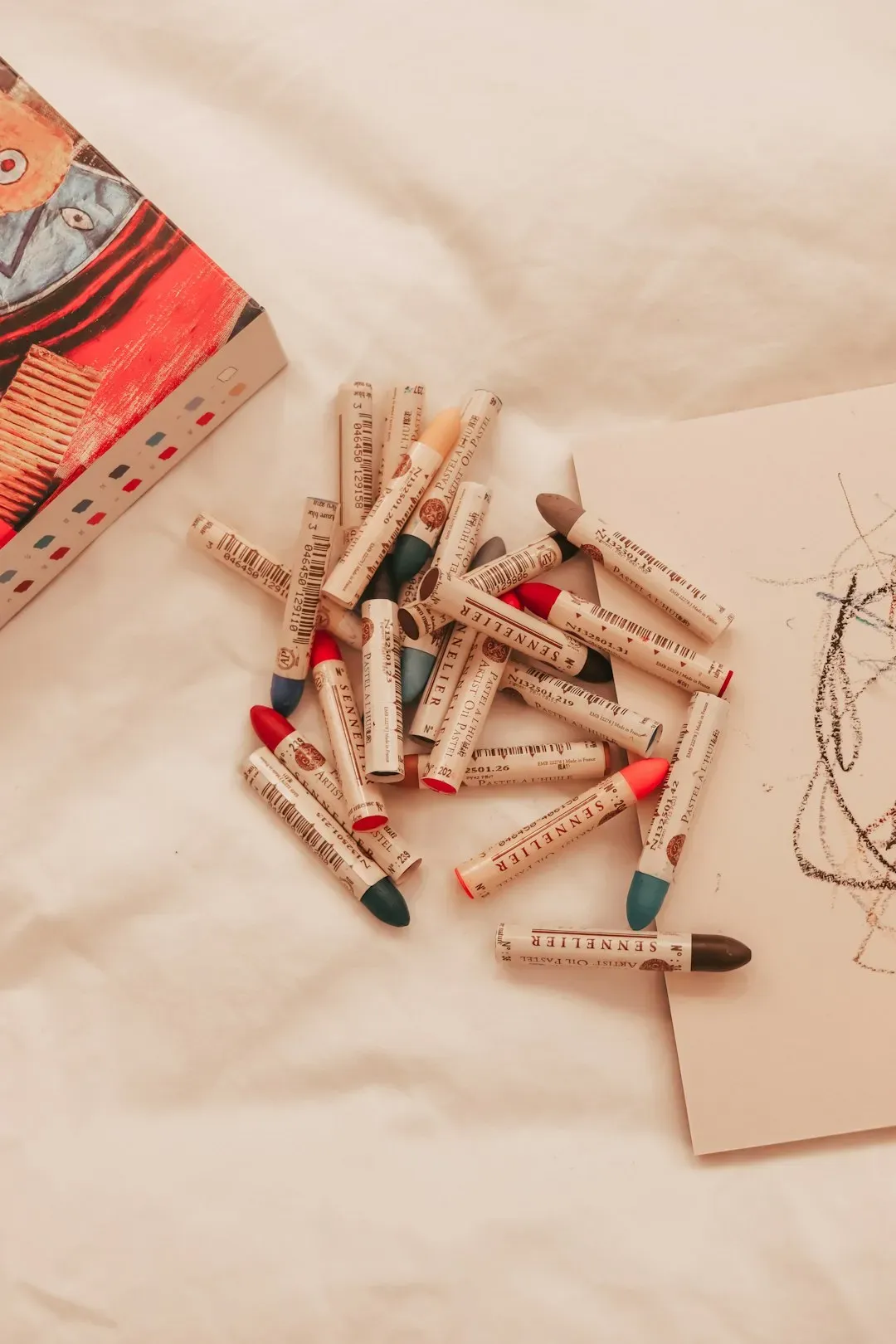
James Joyce preferred writing while lying down on his stomach. He used large blue pencils and wore a white coat while writing. All of those habits, however, weren’t the result of weirdness. Most of them were due to his poor eyesight. Large pencils allowed him to see what he was writing, while the coat reflected more light on a page.
He wrote most of Finnegans Wake using pieces of crayon and cardboard. The image of one of the twentieth century’s greatest literary experimenters lying on his stomach, dressed like a lab technician, scrawling with giant crayons is undeniably strange. Yet it speaks to how thoroughly practical necessity can reshape creative ritual. Joyce found his workarounds, and the work itself remains as audacious as ever.
10. Charles Dickens and His Three-Hour Afternoon Walks
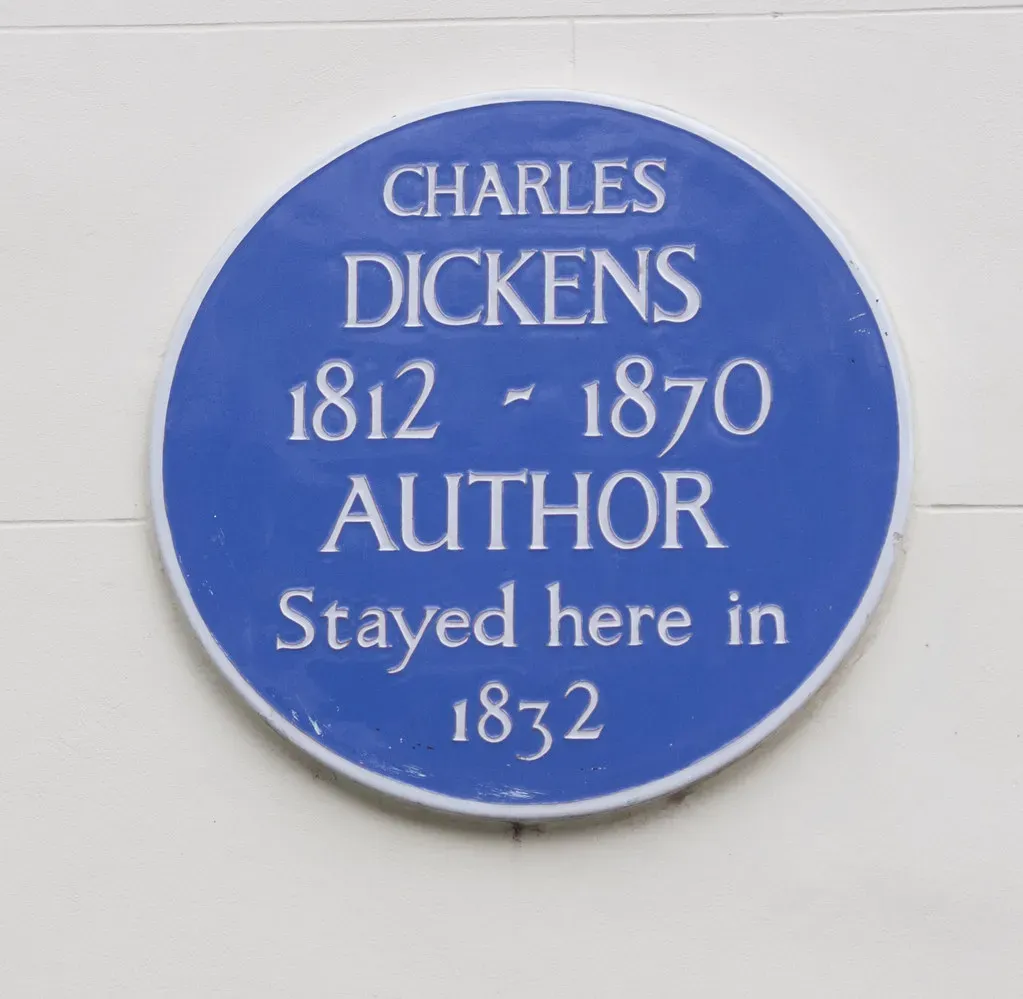
Charles Dickens famously took three-hour walks every afternoon, and what he observed during them fed directly into his writing. He would cover extraordinary distances, sometimes walking up to 20 miles in a single session around London, mentally composing scenes as he moved through the city’s streets. His notebooks often captured characters and details spotted on these walks.
Dickens’s working hours were invariable. He rose at seven, had breakfast at eight, and was in his study by nine. He stayed there until two, taking a brief break for lunch with his family, during which he often seemed to be in a trance, eating mechanically and barely speaking a word before hurrying back to his desk. The walks were as much a part of the process as the hours at the desk, a moving second act to each writing day.
Partner offer
11. Colette’s Flea-Picking Warm-Up

Colette was an author, poet, memoirist, feminist icon, and prolific journalist who moved between subjects from trench warfare to domestic abuse, fashion to the most intimate personal matters. She was also an animal lover, and would begin her day’s writing by methodically picking fleas from her beloved pet bulldog’s back until she was ready to put pen to paper.
It’s the kind of warm-up ritual that sounds absurd until you consider how many writers describe needing a transitional activity to shift their minds into a creative state. For Colette, the grooming of her dog was apparently that bridge. Whether the bulldog found the arrangement equally productive has not been recorded.
12. Ernest Hemingway’s Mid-Sentence Stops
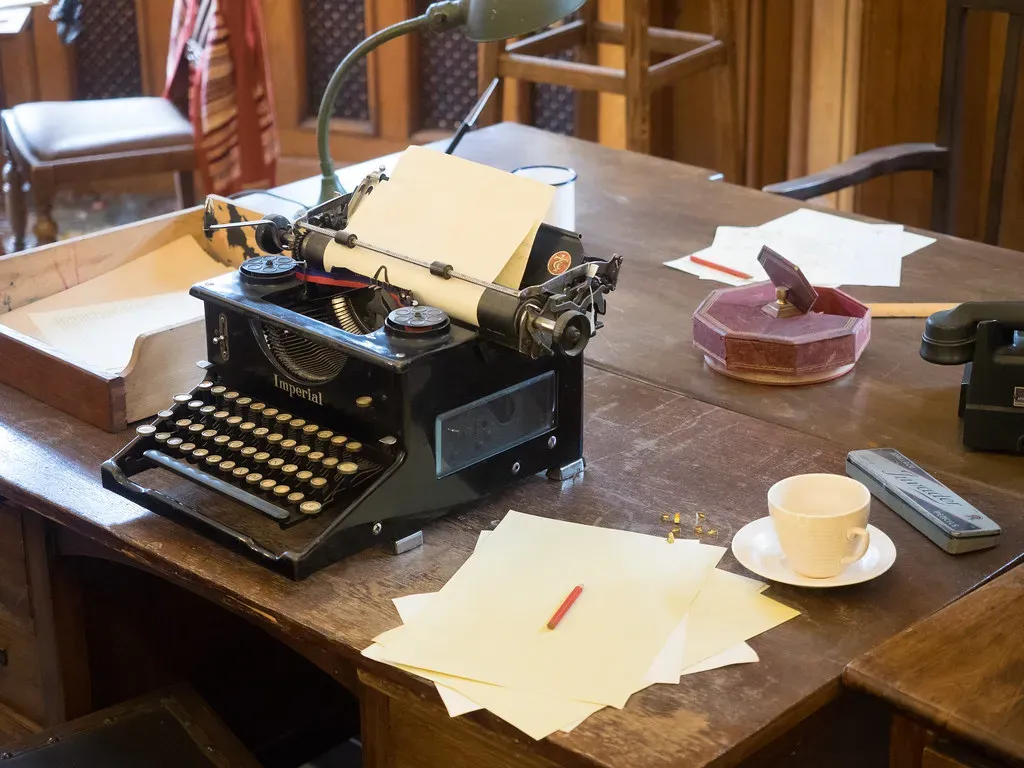
Hemingway would wake early and write standing up, using a typewriter on a high shelf. He would aim for up to 1,000 words a day, famously leaving his work mid-sentence to help with momentum the following day. The logic was simple: if you always stop at a point where you know exactly what comes next, you never face a blank page with no clear way forward.
His first drafts were composed in pencil on onionskin typewriter paper laid slantwise across a board. When the work was going well, Hemingway would remove the board and shift to the typewriter. He also kept track of his word count on a chart. The whole system was almost military in its deliberateness, which makes sense for a man who treated prose as a form of discipline rather than self-expression.
13. Lewis Carroll’s Devotion to Purple Ink
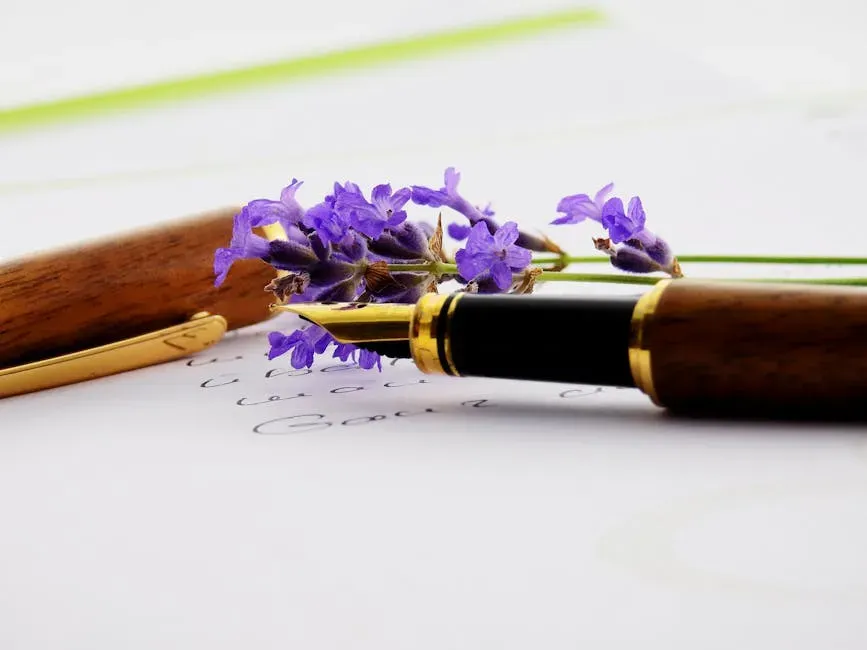
Lewis Carroll shared Virginia Woolf’s habit of working at a standing desk, but he also preferred writing with a specific color of ink: purple. While working as a mathematics teacher at Oxford, Carroll used purple ink to correct students’ work, and so he continued using it when writing fiction.
The color choice may seem like a small detail, but for Carroll it was clearly meaningful enough to carry from professional life into his creative one. The man who conjured Wonderland apparently needed that specific shade to feel like himself on the page. It’s a reminder that even the most fantastical imaginations are often anchored by the most mundane rituals.
14. Alexandre Dumas’s Color-Coded Paper System

Alexandre Dumas used different colored papers for different kinds of writing: blue for fiction, yellow for poetry, and pink for writing articles. It seemed to work for him, since he produced classics including The Three Musketeers and The Count of Monte Cristo.
Dumas was one of the most prolific writers in history, and the color system was likely less superstition than an organizational strategy to keep his enormous output categorized and mentally compartmentalized. Still, the image of him shuffling between stacks of blue, yellow, and pink pages is charming. Whatever the reasoning, the sheer volume of work he produced suggests it was more than a quirk.
15. John Steinbeck’s Daily 24-Pencil Ritual

John Steinbeck would sharpen 24 Palomino Blackwing pencils and place them by his desk. He used each pencil for four to five lines of writing, then placed it point-down in a box. After using all 24 pencils, he would resharpen the tips and begin again. The ritual was consistent across his major works and gave structure to each writing day.
Steinbeck’s pencil ritual was famously thorough enough that he reportedly went through several hundred pencils while writing East of Eden. The repetitive action of sharpening and replacing likely served as a focusing mechanism, a physical rhythm that anchored his attention before and during each writing session. It also produced remarkably consistent prose from one of America’s most celebrated novelists.
16. Joan Didion’s Habit of Sleeping Next to Her Manuscript
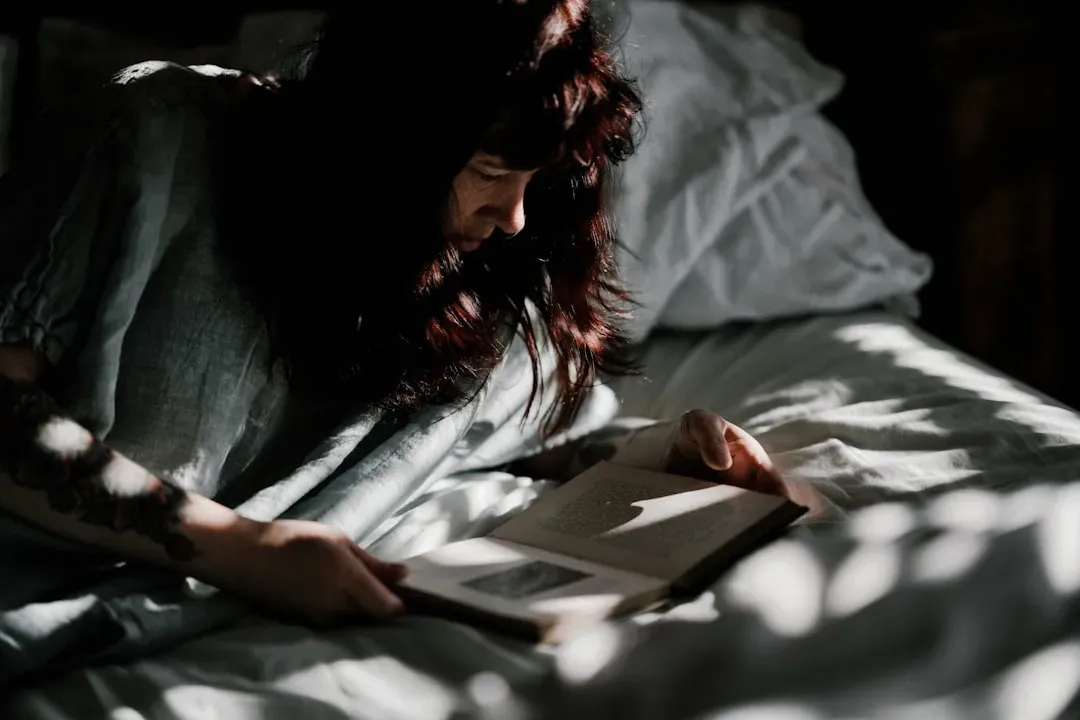
Joan Didion, considered one of the pioneers of New Journalism, had a particularly intimate writing habit: when she would near the end of a book she was writing, she would routinely sleep in the same room as it. She described the practice as a way to stay emotionally and mentally connected to the work during its most critical final stage.
Didion’s commitment to her manuscripts went beyond ordinary dedication. The idea of physically being near a work-in-progress as a way to maintain creative continuity is unusual, but it reflects her well-documented intensity about the writing process. For an author whose prose style depends so heavily on precision and the accumulation of exact detail, staying close to the work in every sense may have been genuinely useful.
17. Haruki Murakami’s Monk-Like Physical Routine
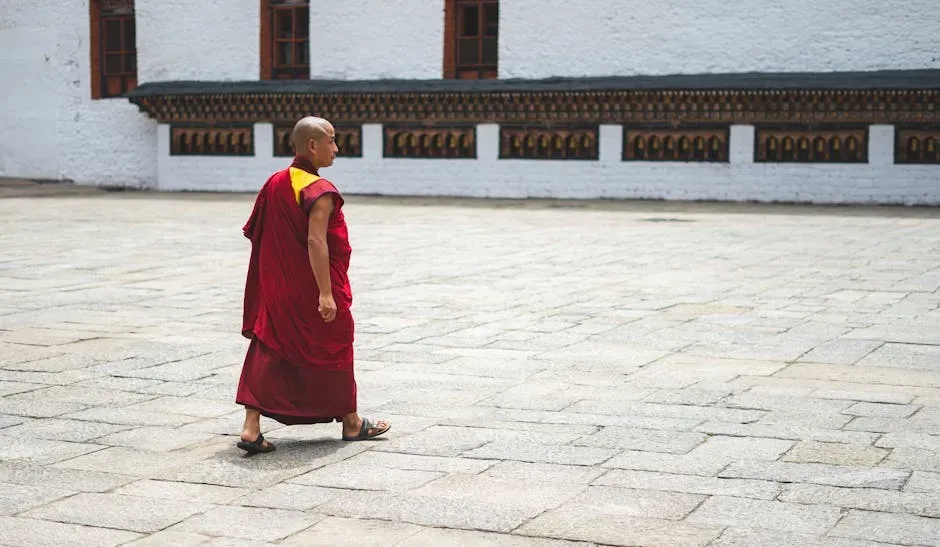
Haruki Murakami wakes at 4 a.m. and works for five to six hours, then exercises, reads, and goes to bed by 9 p.m., every single day. He has described this regime as almost monastic, requiring the same physical commitment as athletic training. Murakami believes physical strength is as necessary as artistic sensitivity. He moved to a rural area, quit smoking, drank less, and started eating mostly vegetables and fish. He also began running daily, a habit he has kept up for more than a quarter century.
Most writers associate the creative life with late nights and neglected health. Murakami’s approach is almost the opposite, and the discipline shows. His novels tend to be long, meticulously structured works that clearly required sustained energy over months of consistent effort. The 4 a.m. start time, bizarre as it sounds, is simply the cost of doing business at that level of output and quality.
18. Vladimir Nabokov’s Index Card Novels
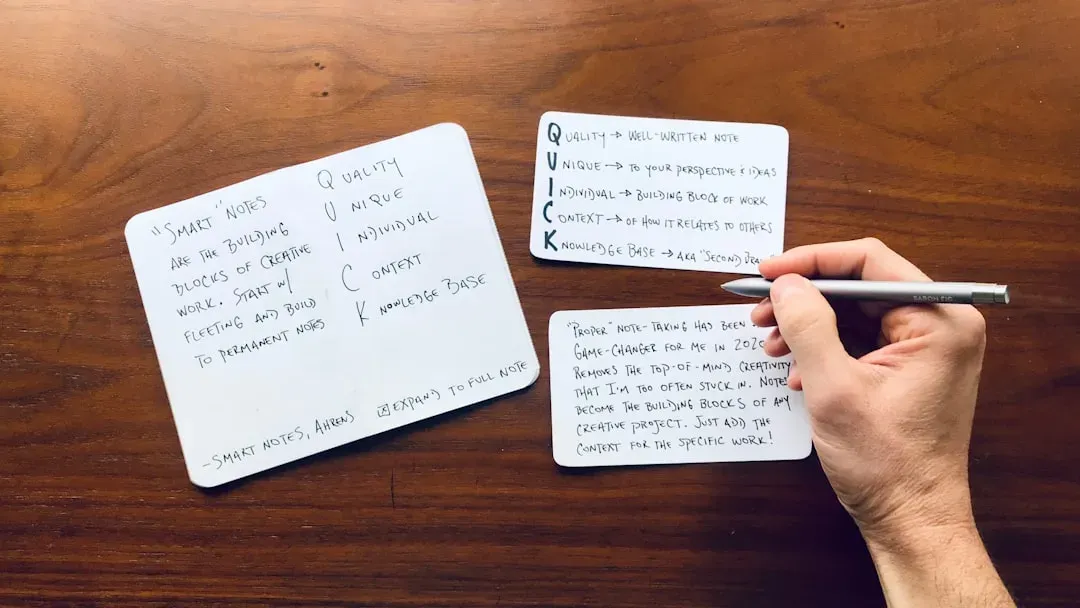
Vladimir Nabokov wrote entire novels on index cards. This allowed him to write scenes non-sequentially, rearranging the cards as he wished. His novel Ada was written on more than 2,000 cards. The system suited Nabokov’s architectural approach to fiction, where structure was as important as sentence-level prose.
The index card method meant Nabokov could construct and deconstruct a novel the way a director might rearrange a film during editing. It also allowed him to work on multiple sections simultaneously rather than being forced through a story in linear order. For a writer whose novels are famously intricate and non-linear, it makes a kind of elegant sense.
19. Marcel Proust’s Cork-Lined Bedroom
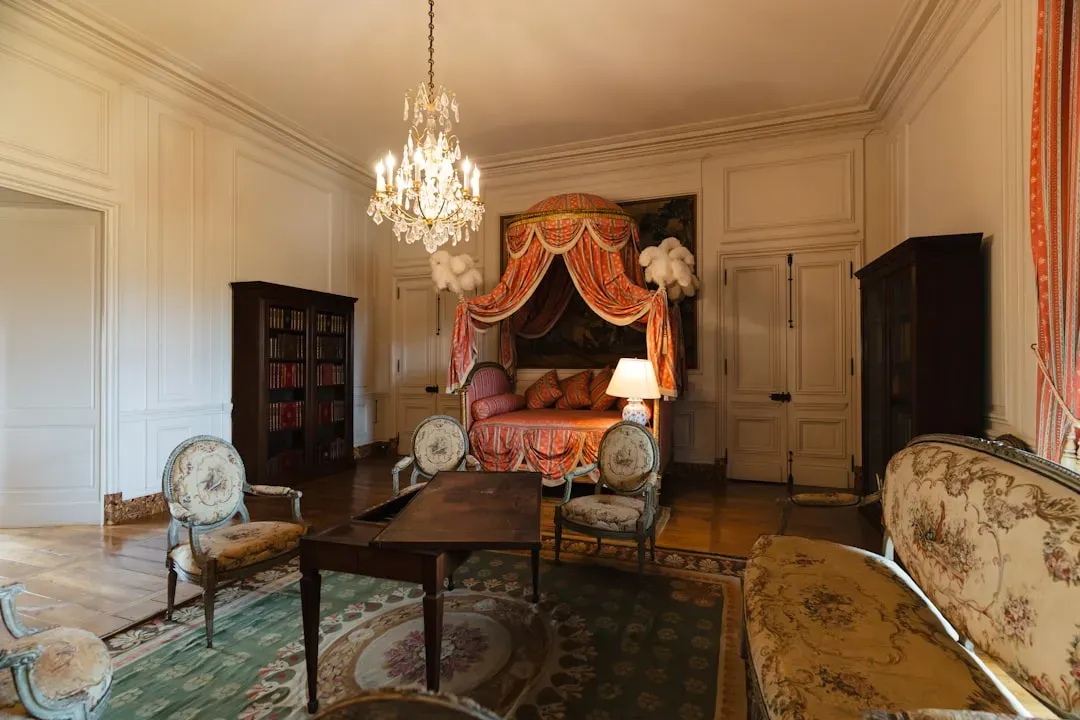
Marcel Proust famously worked from his cork-lined bedroom, emerging late in the day to write through the night, propped up in bed with notebooks. His insomnia was as integral to his process as his memory. The cork lining was installed to block out street noise, allowing him to write in near-total silence despite living in central Paris.
Proust’s entire writing life revolved around protecting himself from sensory intrusion. He wore multiple layers of clothing against drafts, used fumigation tablets for his asthma, and drank endless cups of café au lait while writing. Among the successful novelists known for writing lying in bed are Mark Twain, George Orwell, Edith Wharton, Woody Allen, and Marcel Proust, who were all known for churning out pages while lying in bed or on a sofa. Proust’s version was simply the most fortified and hermetic of the bunch.
20. Eudora Welty’s Story-Pin Method
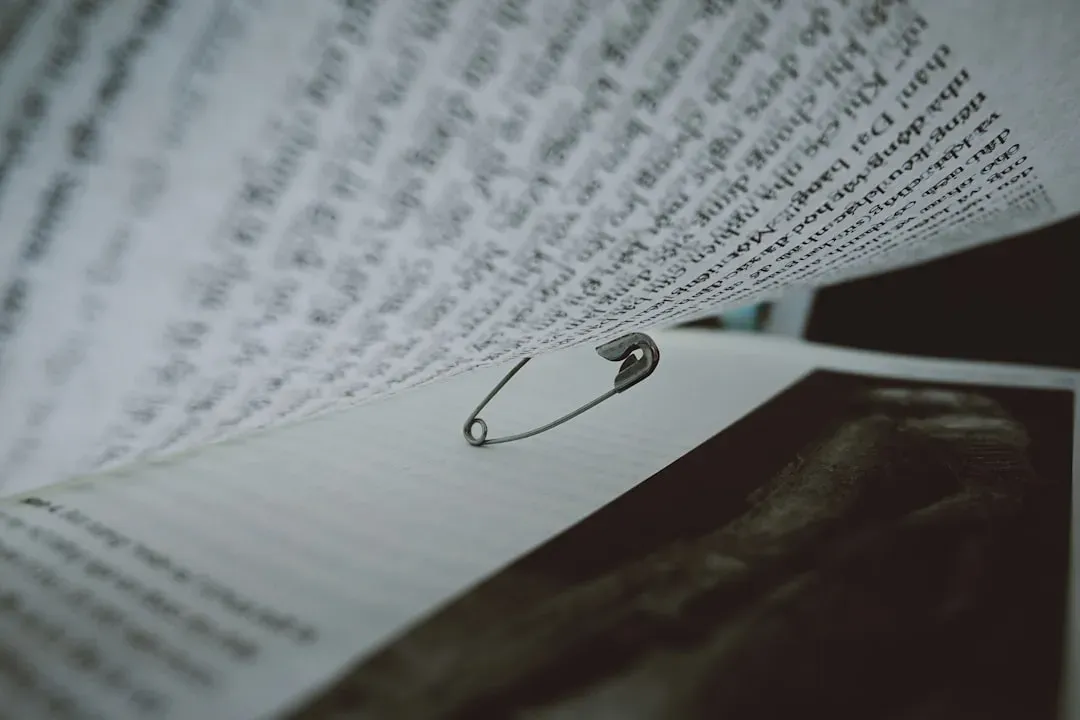
Pulitzer Prize winner Eudora Welty put her stories together in strips, taking them to bed or to the table, where they would often resemble quilts that could be read from anywhere. She found it to be “helpful and realistic.” Welty used to straight-pin her stories together in strips so they could be seen as a whole as she wrote.
The physical act of pinning manuscript pages into a visible arrangement gave Welty a spatial overview of her narrative that no outline on a single page could replicate. She could literally stand back and see the shape of a story before it was finished. In an era before word processors let you scroll through a document at will, it was a genuinely clever solution to the problem of holding a whole story in your head. It also resulted in some of the finest short fiction in American literary history.
What connects all twenty of these habits is not weirdness for its own sake. Most of them were practical solutions to the specific, private challenges of sustained creative work. Sustaining attention, managing anxiety, conditioning the mind to shift into a focused state, filtering out distraction: these are the real problems every writer faces, and these authors simply solved them in ways that happened to look strange from the outside. The habits that seem strangest are often the ones that worked best.
Partner offer
Planning a trip to Vegas?
Compare hotel rates and show tickets on VEGAS.com.