What a Near-Miss Actually Is

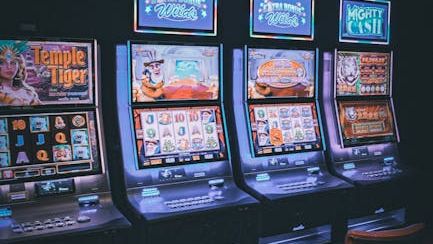
In games of chance, a near-miss occurs when feedback for a loss closely resembles a win. A classic example would be landing “cherry-cherry-lemon” on a slot machine instead of the three cherries needed to collect a payout. It’s still a loss, technically, in every financial sense. Nothing has been won. Yet the experience of it rarely feels that way to the person sitting in front of the machine.
By stimulating the “win” response, conditional reinforcement may lead a gambler to temporarily mistake a game of luck for a game of skill. That’s a subtle but important shift. The brain has just been given a false lesson – that it was close, that something it did or didn’t do almost worked, and that trying again makes sense. The misconception that near-misses are closer to wins than losses may be the result of stimulus generalization, in which formally similar stimuli lead to equal or nearly equal responses.
What Happens Inside the Brain
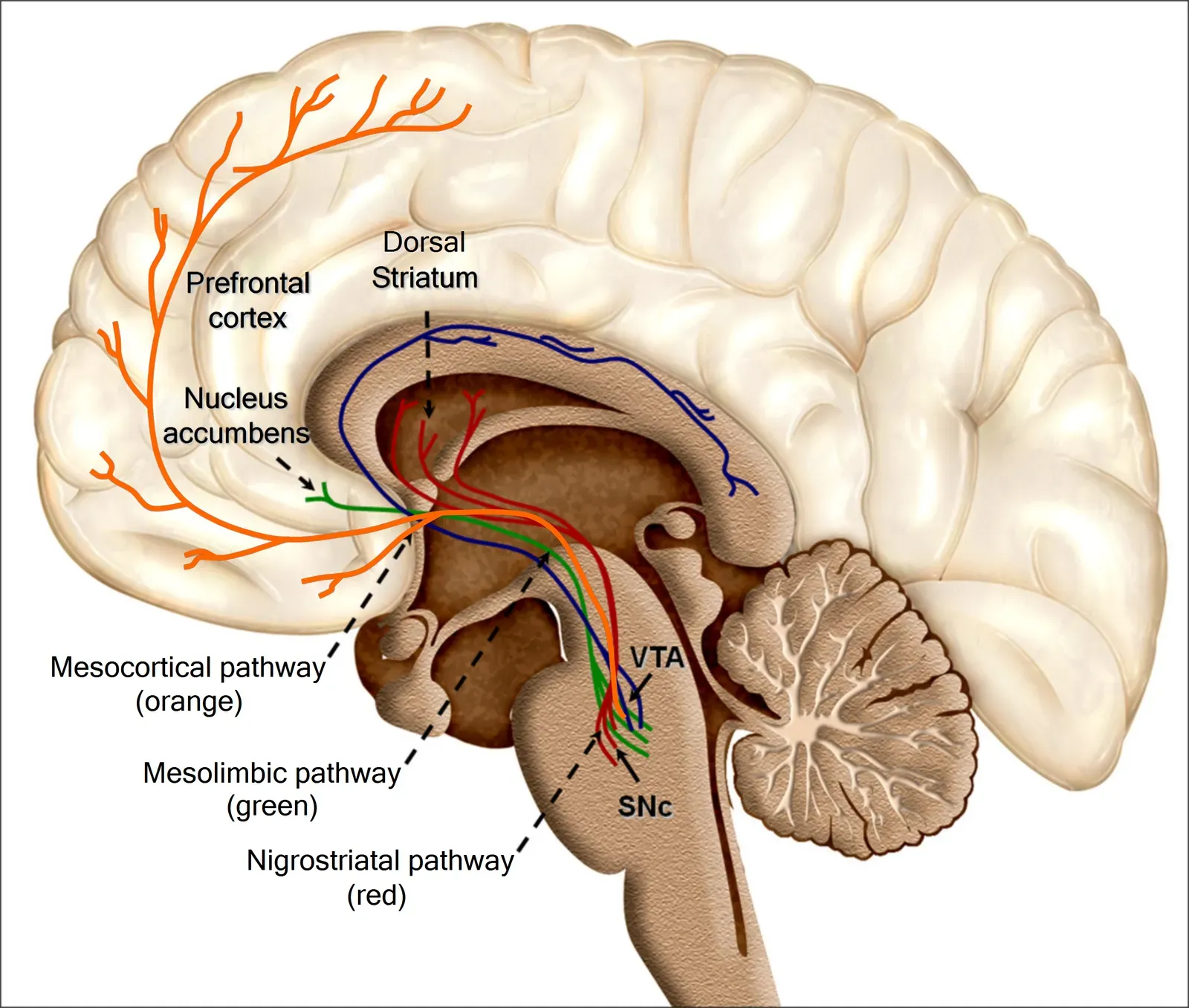
Near-misses stimulate reward-related parts of the brain such as the ventral striatum, and can increase heart rate and dopamine transmission, with the stimuli causing the feeling that the gambler is close to a win. This is not a minor neurological footnote. The same reward circuitry that lights up when you actually win something is partially activated when you almost win. The brain, in this specific moment, isn’t reading reality very accurately.
Neuroimaging studies have shown that near-miss outcomes involve reward brain circuits overlapping with the neural activity involved in monetary wins, by engaging areas such as the ventral striatum and rostral anterior cingulate cortex, which are linked to reinforcement processing. Gambling severity seems to predict a greater response in the dopaminergic midbrain to near-miss events, but not to winning events, suggesting that near-misses involve reward-related brain circuits particularly in frequent gamblers. In other words, the brains of people who gamble the most may actually respond more strongly to near-misses than to wins themselves.
How Slot Machines Are Engineered for This Effect
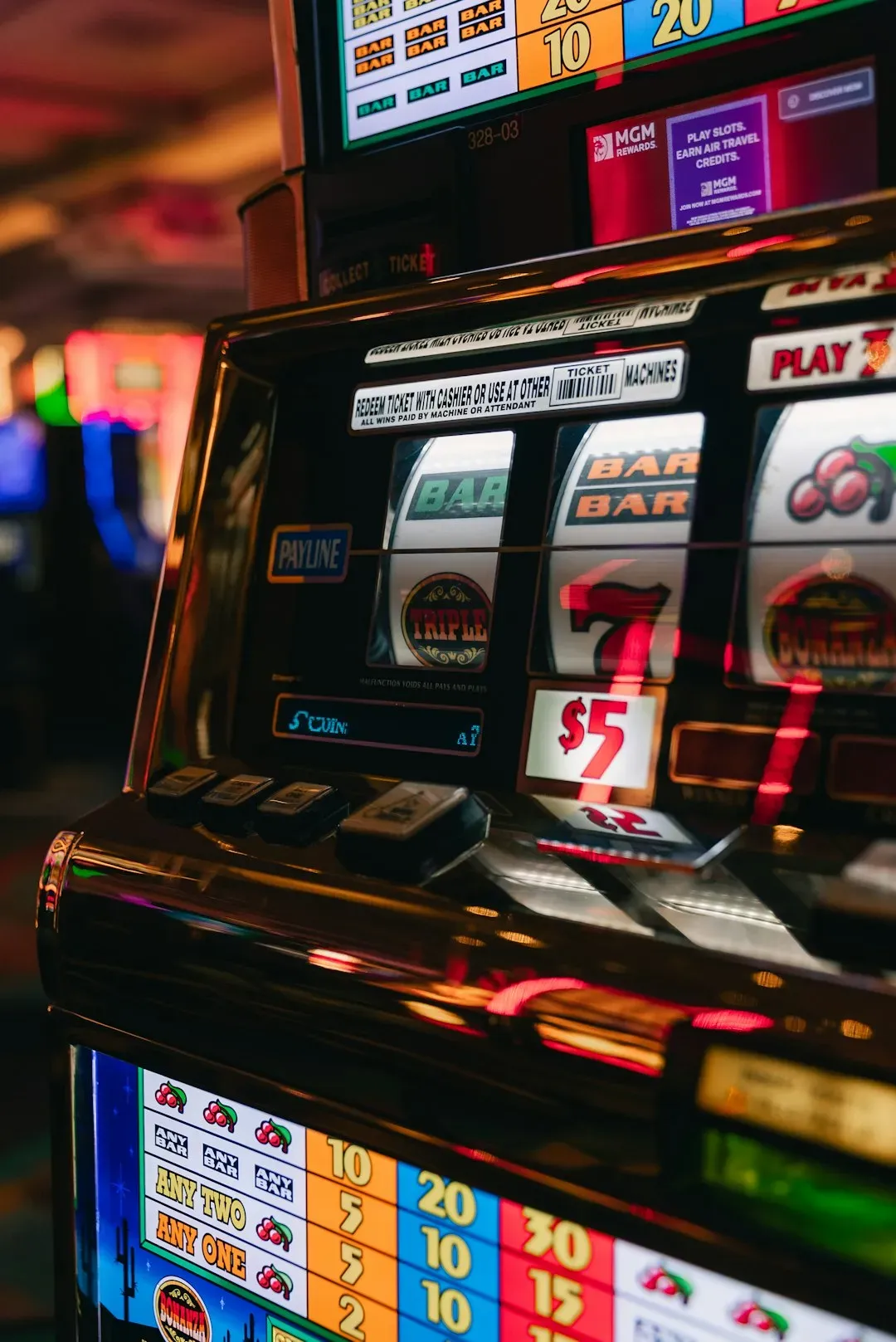
Near-misses are a structural characteristic of gambling products that can be engineered within modern digital games. This isn’t accidental design. Game designers apply touchscreens and additional features to regulate the frequency of so-called near-misses, balancing frustration and hope, which motivates players to continue playing. The balance between these two emotional states is precise and deliberate.
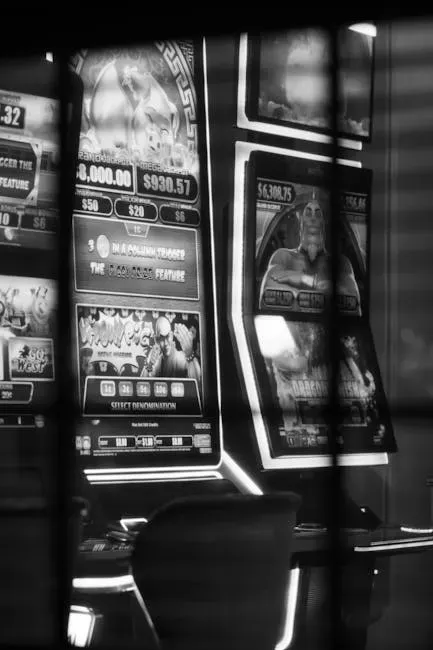
Electronic gambling machines, with their multiple reels, weighted reels, and potential for programmed near-miss outcomes, are particularly susceptible to this phenomenon. The weighted reel is the key mechanic here. High-value symbols can be programmed to appear just above or below the payline more frequently than pure randomness would produce, creating the illusion of a close call. These machines operate on a system of random number generators, which determine the outcome of each spin. The reels on the screen are merely a visual representation of this algorithm.
The Role of Motivation and Persistence

In research studies, near-misses increased the motivation to continue gambling relative to full-misses. Participants gambled faster following near-misses relative to full-misses, and significantly increased their bet size following near-misses compared to full-misses. Both of those behavioral shifts – speed and bet size – point in the same direction: near-misses push people toward more risk, not less.
In one study, participants were randomized to receive either a roughly one in four rate of near-misses or a comparison condition with no near-misses. Participants in the near-miss condition persisted for about a third longer than the comparison group. A separate study found that a thirty percent rate of near-misses was associated with greater persistence than either a fifteen or forty-five percent rate. There’s a sweet spot, it seems – enough near-misses to feel motivating, but not so many that the pattern becomes obvious and loses its pull.
Sensory Cues and the Amplification Layer
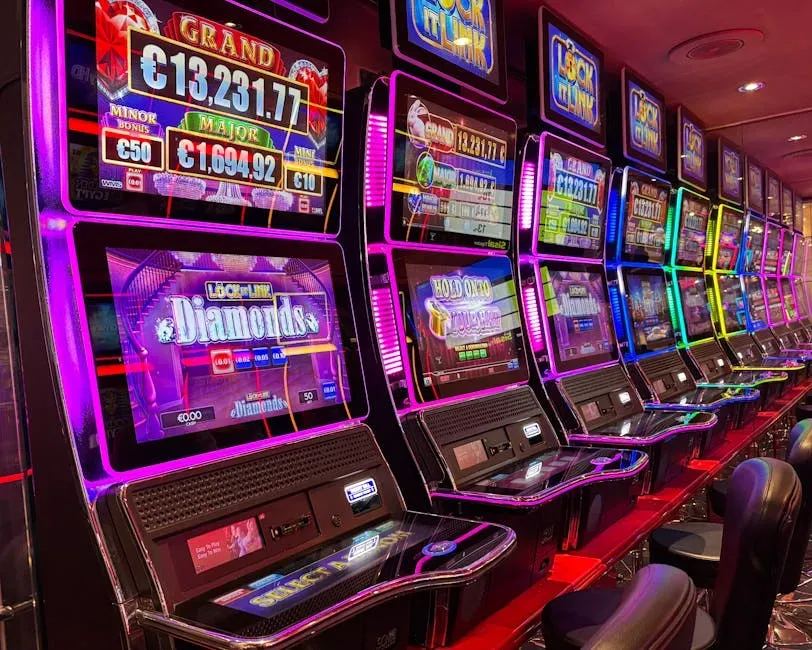
The flashing lights, celebratory sounds, and animations in slot machines aren’t just for show – they’re carefully crafted to create an immersive and exciting environment. Even when players lose, these stimuli can trigger a positive emotional response, blurring the line between winning and losing. Sound design is particularly well-studied in this area. The sounds of coins dropping, bells ringing, and crowds cheering all contribute to the excitement and anticipation of winning. Similarly, the use of vibrant lights and flashy graphics stimulates the visual senses, creating an engaging and visually appealing experience.
Researchers found that pairing larger “wins” with progressively complex money imagery and casino jingles increased participants’ preference for high-risk decisions. These cues also reduced participants’ sensitivity to information presented to them about the likelihood of winning. Put simply, the sounds and lights don’t just entertain – they actively make it harder to think clearly about odds. Gambling products host a wide variety of audiovisual stimuli that may condition habits through repetition during gambling sessions, such as celebratory animations, music, and sound effects generated by electronic gambling machine wins.
Partner offer
Near-Misses, Impulsivity, and the Risk of Habit Formation
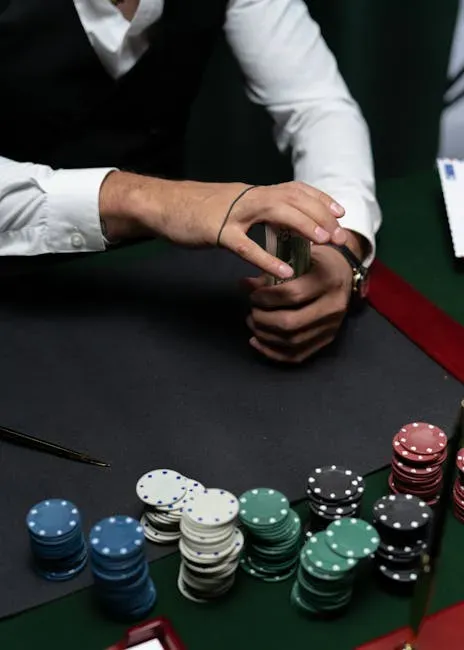
There are certain psychological factors associated with gambling that affect a player’s decision-making process in games of chance. Impulsivity can lead to longer game persistence, being a potential risk factor for behavioral addiction. On the other hand, critical thinking may be a safeguard against the cognitive errors occurring during playing games of chance. These individual differences matter considerably. Not every player responds to near-misses the same way.
Near-misses play a key role in addictive behavior by leveraging learning processes such as conditioned reinforcement, which appear to increase the propensity to continue gambling. Near-misses are perceived as more discouraging compared to complete losses, yet gamblers still report an increased motivation to continue betting. That contradiction – feeling worse but wanting to play more – is precisely where the psychological trap closes. Habit formation may be expressed in gambling as a gradual decoupling of betting from the aversiveness of losing.
How This Distorts Risk Perception Over Time

Gambling behavior is maintained by erroneous beliefs and difficulties in decision-making processes. Distorted beliefs about gambling might lead problem gamblers to overestimate their chances of winning and, therefore, continue gambling behaviors. Near-miss outcomes feed directly into this distortion. Each one is a small piece of evidence the brain files under “almost worked” rather than “didn’t work.” Over time, these files pile up.
Across participants in fMRI studies, near-misses elicited higher motivation to continue gambling and increased striatal responses compared with full-misses. Crucially, pathological gamblers showed amplified striatal responses to near-misses compared with controls. Attentional bias, the preferential focus on gambling-related stimuli, can intensify gambling urges, contribute to cognitive distortions, and perpetuate problem gambling behavior. The longer someone plays, the more the brain recalibrates what “close” means – and the easier it becomes to misread a plain loss as evidence that a win is near.
The Scale of the Industry Built Around This Mechanism
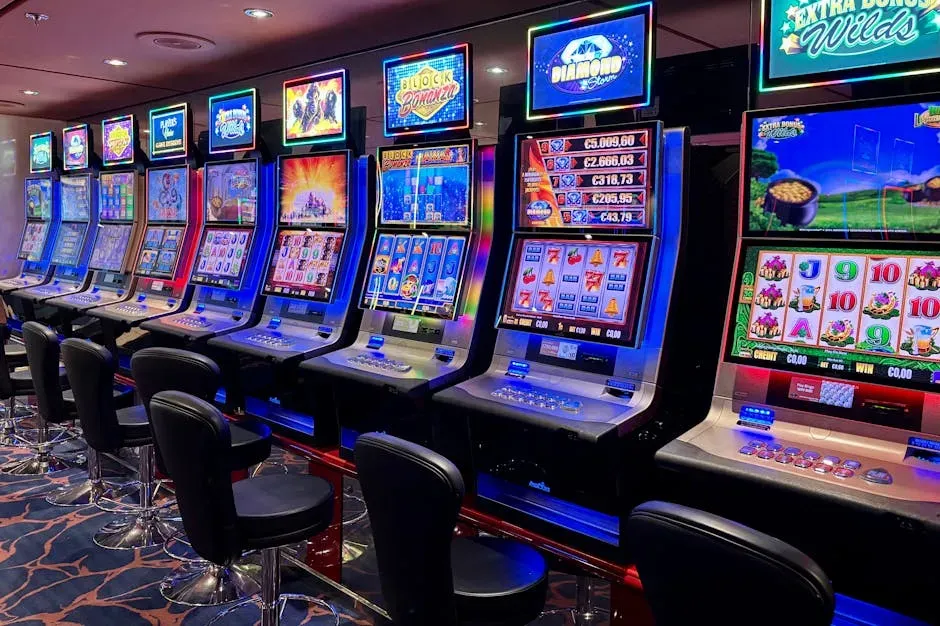
Revenue in the global gambling market is projected to reach nearly 450 billion US dollars in 2025. According to government data, casinos in the United States alone generated over 60 billion dollars in revenue in 2023, with a large portion of revenues coming from slot machines. These are not niche numbers. Slot machines are among the most financially productive products ever built, and the near-miss effect is a core part of why.
Statistics on gambling addiction show that approximately 2.5 million US adults experienced severe gambling problems in 2024. Gambling disorder impacts nearly one in six adults and over one in four adolescents who participate in online casino games or slot machine activities. The industry’s growth and these figures don’t exist in separate conversations. Studies have found that people who regularly play slot machines become addicted three to four times faster than those who play cards or bet on sports.
Can Awareness Help?
Since stimulus generalization affects the development of the near-miss effect, interventions aimed at encouraging participants to discriminate between wins and near-misses could have significant value. Research published in 2025 tested exactly this idea. In one study, twenty-four recreational gamblers were randomly assigned to either learn to associate near-misses with the concept of “loss” or with “almost.” Participants engaged in a simulated slot machine game while their eye movements were tracked. Those who learned to associate near-misses with “loss” exhibited a significant reduction in attentional bias for near-miss outcomes.
Critical thinking may be a safeguard against the cognitive errors occurring during playing games of chance. That’s not a comfortable self-help platitude – it’s a finding grounded in behavioral research. Knowing that a near-miss is mathematically equivalent to any other loss, and training yourself to perceive it that way, appears to genuinely reduce its motivational pull. The brain can be taught to read the signal differently. For players, knowledge is protection.
Conclusion
The near-miss effect is one of the most well-documented examples of how a simple perceptual illusion can override rational judgment at scale. It costs nothing to produce, requires no deception in the legal sense, and yet reliably nudges people toward more play, bigger bets, and longer sessions. The mechanism sits inside the brain’s own reward architecture, which makes it both powerful and difficult to resist.
What makes this worth understanding isn’t just the gambling context. The near-miss effect reveals something broader about how the brain handles almost-outcomes – in goal pursuit, in habit formation, in any domain where feedback shapes behavior. Slot machines happen to be the most precisely engineered example of this principle. Recognizing the trick doesn’t make you immune to it, but it does make you a more honest interpreter of what actually just happened on that reel.
Partner offer
Planning a trip to Vegas?
Compare hotel rates and show tickets on VEGAS.com.