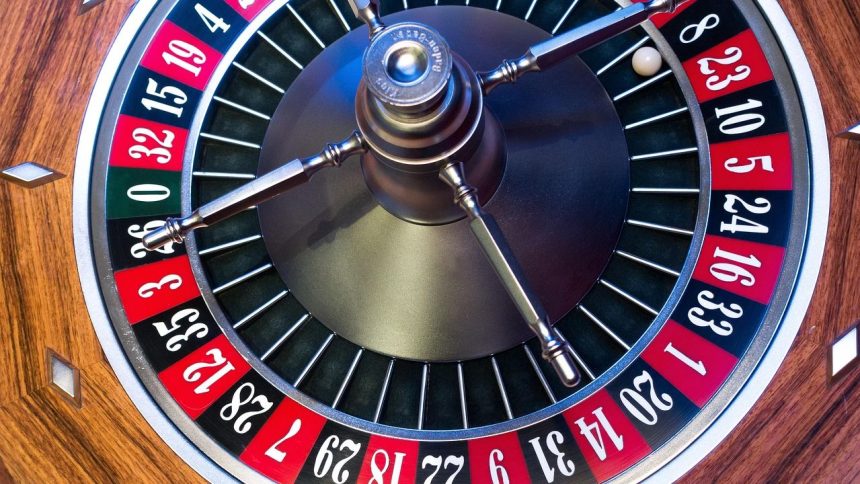
Most of us have been there, staring at a roulette wheel or a coin flip, convinced that after a long run of the same result, the universe owes us a reversal. It feels almost logical, almost fair. The trouble is, randomness doesn’t care about fairness, and it certainly has no memory. The gambler’s fallacy is typically defined as the false belief that a random event is less likely to occur if it has occurred recently. It’s one of the most stubborn cognitive errors humans make, and it doesn’t stay confined to casinos. It shows up in courtrooms, financial markets, and even medical offices. Understanding why we fall for it requires a closer look at how the human brain processes probability, streaks, and uncertainty.
The Night That Named a Fallacy: Monte Carlo, 1913
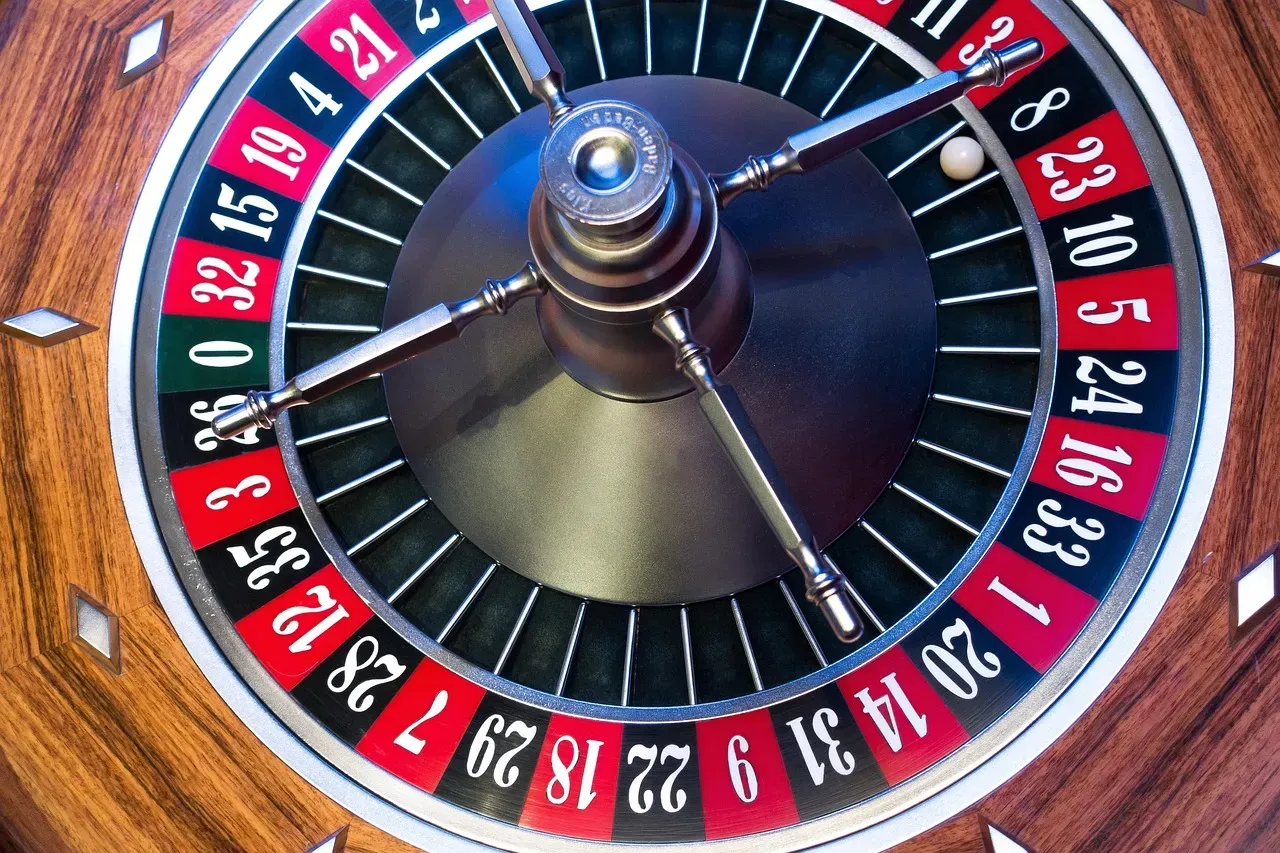
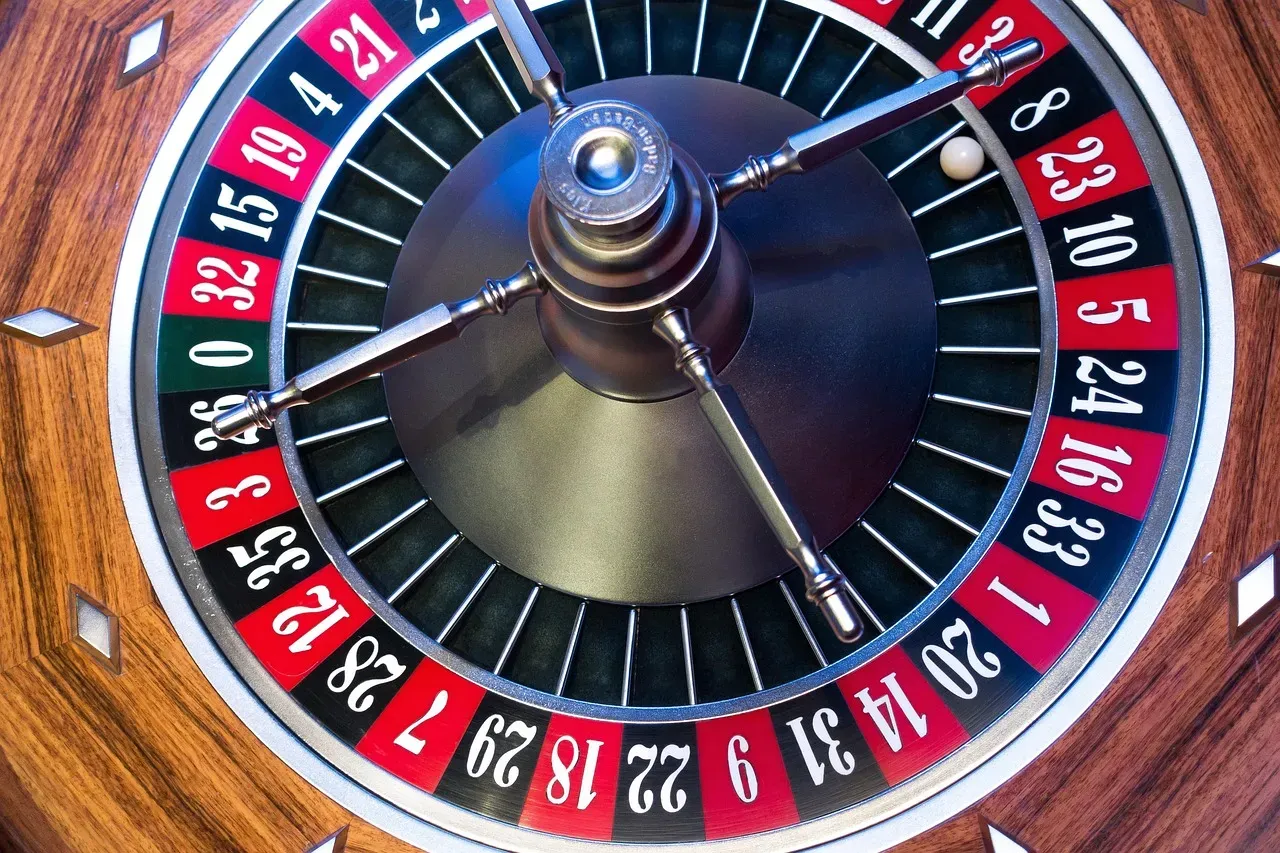
An example of the gambler’s fallacy occurred in a game of roulette at the Monte Carlo Casino on August 18, 1913, when the ball fell in black 26 times in a row. The crowd watched in disbelief, and then in panic. For any given sequence of 26 spins, the probability of either red or black occurring 26 times in a row on a single zero roulette wheel is around 1 in 68.4 million. Gamblers lost millions of francs betting against black, reasoning incorrectly that the streak was causing an imbalance in the randomness of the wheel, and that it had to be followed by a long streak of red.
This event became so emblematic that the gambler’s fallacy is sometimes referred to as the “Monte Carlo Fallacy.” The wheel, of course, had no awareness of what had come before. In reality, the roulette wheel is fair, meaning each spin is random and independent of the last. The probabilities of landing on red, black, or green remain the same every time, no matter what happened before.
What the Fallacy Actually Is: A Definition
The gambler’s fallacy is a prevalent cognitive bias in betting behaviors, characterized by the mistaken belief that an independent and identically distributed random process exhibits negative serial correlation. This misconception often arises when individuals observe a series of realized outcomes from the process.
Overall, people experience the gambler’s fallacy because they fail to understand or internalize the fact that small samples are not necessarily representative of larger ones, meaning that there can be significant fluctuations in outcomes over short periods of time. This is exacerbated by the failure to understand that chance is not a fair or self-correcting process, and that independent events are unable to influence each other.
The Representativeness Heuristic: The Cognitive Root Cause
Amos Tversky and Daniel Kahneman first proposed that the gambler’s fallacy is a cognitive bias produced by a psychological heuristic called the representativeness heuristic, which states that people evaluate the probability of a certain event by assessing how similar it is to events they have experienced before, and how similar the events surrounding those two processes are.
The classical explanation of this phenomenon refers to the law of small numbers and the representativeness heuristic. According to these assumptions, people tend to believe that a random sequence has the same features not only globally but also locally. Therefore, a short random sequence should be analogous to longer random sequences. In other words, we expect a handful of coin tosses to look like a perfectly balanced sample, when statistically they don’t have to.
What Neuroscience Tells Us About the Gambling Brain
While the representativeness heuristic and other cognitive biases are the most commonly cited cause of the gambler’s fallacy, research suggests that there may also be a neurological component. Functional magnetic resonance imaging has shown that after losing a bet or gamble, the frontoparietal network of the brain is activated, resulting in more risk-taking behavior. In contrast, there is decreased activity in the amygdala, caudate, and ventral striatum after a loss.
Activation in the amygdala is negatively correlated with the gambler’s fallacy, so that the more activity exhibited in the amygdala, the less likely an individual is to fall prey to the gambler’s fallacy. These results suggest that the gambler’s fallacy relies more on the prefrontal cortex, which is responsible for executive, goal-directed processes, and less on the brain areas that control affective decision-making.
Converging evidence from behavioral and functional neuroimaging studies has suggested that a hyperactive cognitive system and a hypo-active affective system contribute to the false world model that generates the gambler’s fallacy. Counterintuitively, thinking harder doesn’t always protect you from this bias.
Smarter People Are Not Immune, and May Even Be More Vulnerable
Research examined an intriguing hypothesis, based on emerging evidence from neuroscience, that the gambler’s fallacy might be attributed to a weak affective but strong cognitive decision-making mechanism. With data from a large sample of college students, researchers found that individuals’ use of the gambler’s fallacy strategy was positively correlated with their general intelligence and executive function, such as working memory and conflict resolution, but negatively correlated with their affective decision-making capacities.
This is one of the more unsettling findings in the field. People who score higher on reasoning tests are, in some cases, more prone to the fallacy, not less. The brain’s analytical systems can work against us here by constructing confident but incorrect frameworks for interpreting random sequences.
The Brain May Actually Be Learning the Wrong Patterns

The gambler’s fallacy has been thought to be a prime example of human irrationality, but a study published in the Proceedings of the National Academy of Sciences suggests that our brains naturally soak up the strange statistics of random sequences, causing us to commit the gambler’s fallacy. Researchers took a computer model of biological neurons and trained it with random sequences. They found that by simply observing a coin being tossed repeatedly, the neurons could learn to differentiate and react to different patterns of heads and tails.
Most interestingly, the neurons that preferred alternating patterns such as head-tail significantly outnumbered the neurons that preferred repeating patterns such as head-head. This suggests our brains may be wired, through exposure to patterns in nature, to expect alternation rather than repetition, even in settings where neither is predictable.
Partner offer
Where the Fallacy Strikes in Real Life: Judges, Loans, and Baseball Umpires
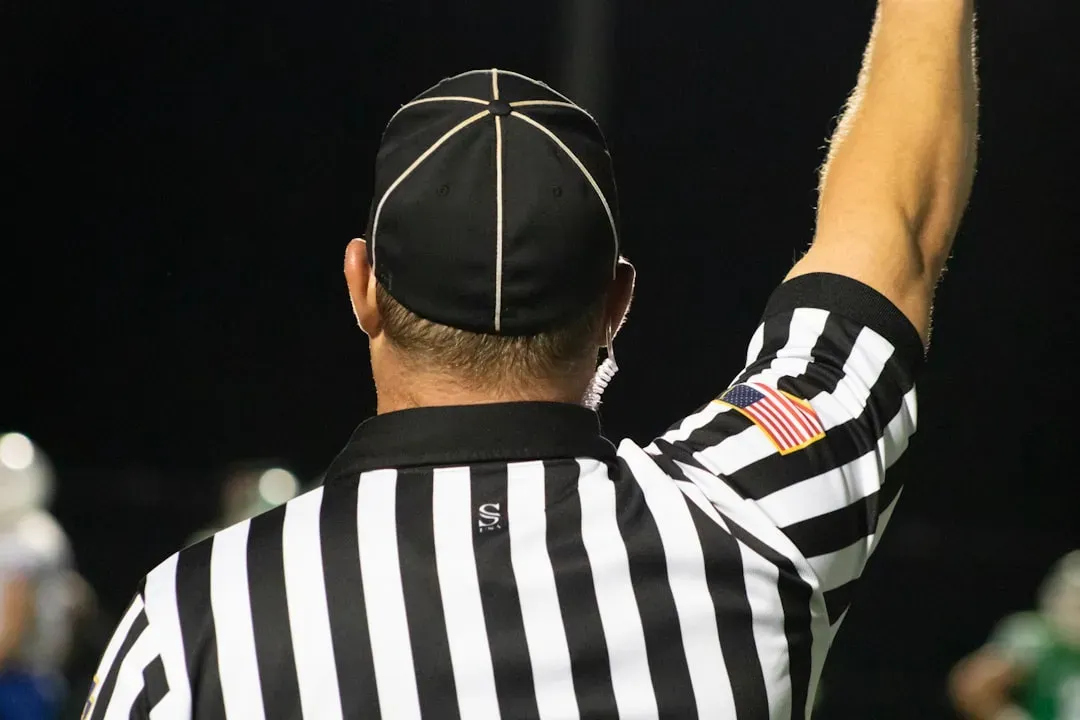
Researchers found consistent evidence of negative autocorrelation in decision-making that is unrelated to the merits of the cases considered in three separate high-stakes field settings: refugee asylum court decisions, loan application reviews, and Major League Baseball umpire pitch calls. The evidence is most consistent with the law of small numbers and the gambler’s fallacy, with people underestimating the likelihood of sequential streaks occurring by chance, leading to negatively autocorrelated decisions that result in errors.
Specifically, asylum judges were 3.3 percentage points more likely to deny a case if they had accepted the previous case. Meanwhile, loan officers were 23 percentage points more likely to deny a loan if they had accepted the previous loan, meaning that roughly one in eleven loans was turned down due to negative autocorrelation. These are real consequences for real people, caused by a bias most decision-makers don’t even realize they hold.
The Fallacy in Financial Markets

A common example of the gambler’s fallacy is found in the stock market. Investors may believe that because a stock has been on a downward trend for several days in a row, it is due for an upswing. This belief can lead to poor investment decisions, as the stock’s past performance does not necessarily predict future outcomes.
In investment and portfolio management, the gambler’s fallacy can lead investors to prematurely sell winning assets, assuming their upward trend is “due” for a reversal, or to hold onto losing assets, believing a rebound is imminent. Investors might sell stocks after a series of gains, expecting a downturn, while project managers might underestimate risks after several successful initiatives. In each case, the failure to recognize statistical independence leads to suboptimal choices.
New Research Is Changing How We Understand the Fallacy

A series of high-powered, preregistered studies asked 750 adult workers to report probabilistic predictions for truly independent sequences. In contrast to point predictions, which generated a significant gambler’s fallacy, probabilistic predictions were not found to lead to a gambler’s fallacy. Moreover, the point predictions could not be reconstructed by sampling from the probability judgments. This suggests that the gambler’s fallacy originates at the decision stage rather than in probabilistic reasoning, as posited by several leading theories.
New theories of the gambler’s fallacy may be needed to explain these findings. Published in 2025 in Psychological Science, this research shifts focus from how we reason about probabilities to how we commit to specific decisions, a subtle but important distinction that opens new paths for understanding and intervention.
The Hot Hand Fallacy: The Fallacy’s Mirror Image
Research has uncovered compelling evidence of the gambler’s fallacy and its counterpart, the hot-outcome fallacy, associated respectively with the frequency and duration of consecutive outcomes within an observed sample. Where the gambler’s fallacy predicts reversal, the hot hand fallacy predicts continuation. They sound like opposites, but they often coexist in the same person.
In the gambler’s fallacy, people predict the opposite outcome of the previous event, believing that since the roulette wheel has landed on black on the previous six occasions, it is due to land on red. Ayton and Fischer have theorized that people display positive recency for the hot-hand fallacy because the fallacy deals with human performance, and that people do not believe that an inanimate object can become “hot.” Human performance is not perceived as random, and people are more likely to continue streaks when they believe the process generating the results is nonrandom. The type of streak, whether machine or human, shapes which fallacy takes hold.
Can We Actually Overcome It?
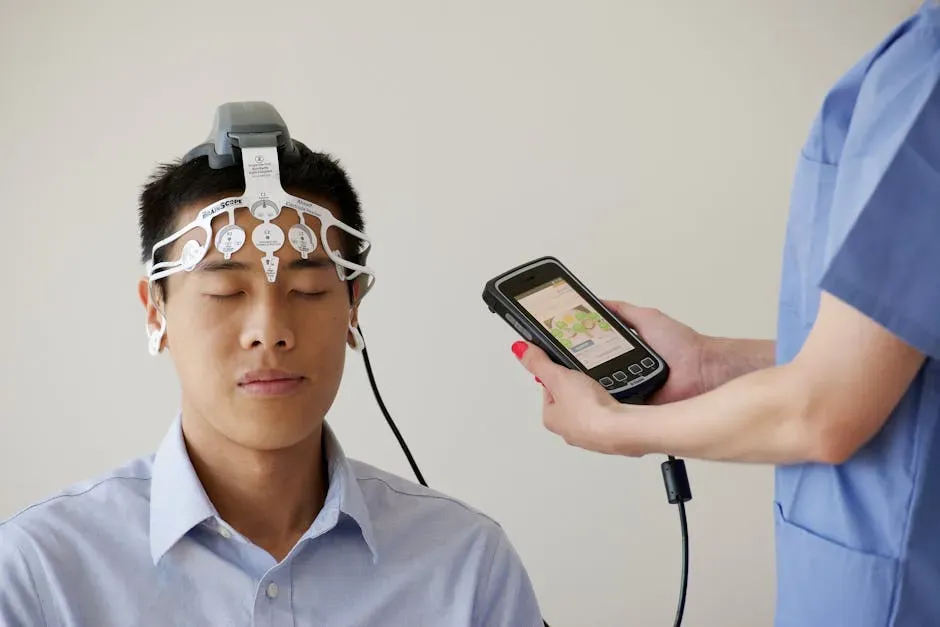
Research indicates that the ventromedial prefrontal cortex is crucial for rational decisions and that increased activity in this region correlates with reduced cognitive biases. Stimulating the ventromedial prefrontal cortex with transcranial direct current stimulation has been shown to mitigate the gambler’s fallacy, pointing to a possible cognitive mechanism behind this bias.
Roney and Trick argued that instead of teaching individuals about the nature of randomness, the fallacy could be avoided by training people to treat each event as if it is a beginning and not a continuation of previous events. They suggested that this would prevent people from gambling when they are losing, in the mistaken hope that their chances of winning are due to increase based on an interaction with previous events. It’s practical advice, though putting it into practice in the heat of a losing streak is harder than it sounds.
Conclusion: A Bias Built Into How We Think
The gambler’s fallacy isn’t a sign of stupidity. It’s a sign of how naturally the human brain reaches for patterns, structure, and narrative, even in data that contains none. Humans have evolved to find patterns and notice structures in the world around them. Understanding patterns has helped people survive, as they can use patterns to predict events and take action. However, this tendency also makes people more likely to see patterns that do not actually exist.
Research from 2025 continues to refine our understanding of where this bias originates and how deeply it runs, from casino floors to courtrooms to the prefrontal cortex itself. The honest takeaway may be this: the roulette wheel doesn’t remember the last spin, the coin has no agenda, and the market doesn’t owe anyone a correction. Randomness is patient in a way that human minds simply are not.
Partner offer
Planning a trip to Vegas?
Compare hotel rates and show tickets on VEGAS.com.