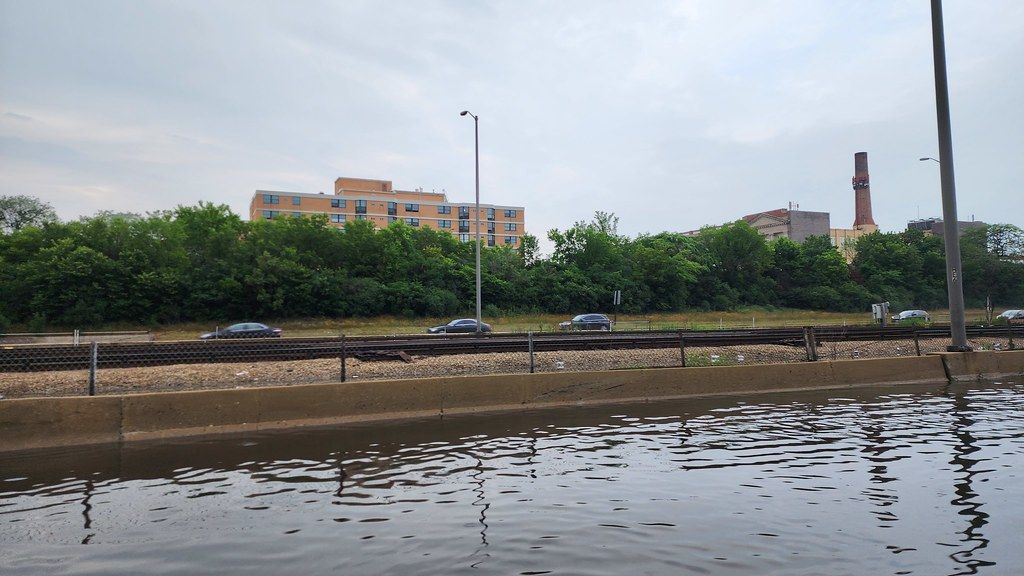
Flooding in Chicago is getting worse. Here’s why – Image for illustrative purposes only (Image credits: Flickr)
Chicago – Rainstorms capable of dumping more than 8.5 inches in 24 hours have become seven times more likely over the past century, overwhelming the city’s outdated sewer system and flooding tens of thousands of basements.[1][2] A recent Sun-Times/WBEZ investigation highlighted how these intensifying downpours, fueled partly by climate change, now threaten every neighborhood with water backups that damage homes and spark health crises.[1] Property losses have climbed into the billions over the last two decades alone.
Storms Strike Harder and Faster
The shift began decades ago but accelerated recently. Chicago’s sewers, engineered long before modern weather patterns emerged, manage just 2 inches of rain over 24 hours before backups begin.[2] Anything beyond that threshold sends stormwater surging into homes through floor drains and cracks.
Experts point to climate change as a key driver. Stronger thunderstorms deliver rain at unprecedented rates, turning routine weather into disasters. A 2025 University of Illinois report warned that such events would worsen, with 24-hour totals potentially rising by another inch by mid-century.[1] “What is considered safe and adequate today may not hold true in the future,” the researchers noted.[2]
Infrastructure Struggles Under Pressure
Built on a former swamp, Chicago’s urban landscape amplifies the problem. Dense development, paved streets, and thousands of miles of alleys leave little room for water absorption. Combined sewers, which carry both wastewater and stormwater, routinely overflow during heavy rains.[1]
The Deep Tunnel system, a multibillion-dollar network of reservoirs and conduits launched 50 years ago, safeguards the Chicago River and Lake Michigan from pollution. Yet it offers scant protection for neighborhood basements. Federal aid followed major events – Chicago received $426 million after 2023 floods, though much remains unspent nearly three years later – but systemic fixes lag.[2]
A Devastating 2023 Snapshot
Summer storms that year dumped 8 to 9 inches across the West Side, South Side, and suburbs, flooding at least 70,000 basements.[1] In Austin, water reached 4 feet deep in some homes, blasting manhole covers like geysers and forcing residents into shelters. Neighborhoods like Chatham, once a marsh known as Mud Lake, saw chronic seepage despite sump pumps.
Low-lying suburbs such as Calumet City endured what officials called a 500-year flood. Vulnerable areas, often home to Black and Latino families, bore the brunt due to historical underinvestment and poor drainage.[1] “It’s always the Black communities, because we have the least representation,” said resident Cheryl Watson.
Key 2023 Flood Stats
• 70,000+ basements inundated
• 8-9 inches of rain in hours
• Billions in cumulative damage over 20 years
• Hundreds displaced to shelters
Health Hazards Linger in the Aftermath
Mold thrives in soaked basements, triggering respiratory woes. In Austin, Clabe Johnson’s brother landed in the hospital with complications from black mold after their home flooded.[2] “This is a serious public health issue,” Johnson said. Across the West Side, patches of mold still coat walls three years on, exacerbating asthma and allergies.[3]
Climate-amplified storms mean more frequent exposure. Doctors note varied reactions, but the vulnerable – children, seniors, those with preconditions – face the gravest risks. No citywide tracking exists for mold-related illnesses, leaving the full toll unclear.
Steps Toward Resilience
Small-scale changes offer hope. Nearly 500 green alleys, costing $480,000 each, now capture runoff since 2007. Permeable playgrounds and proposed wetlands could shield thousands of homes, though projects span years and hundreds of millions.[1]
- Extend downspouts to gardens, easing sewer strain.[4]
- Install cheap rain barrels ($22 from water district) for stormwater harvest.
- Plant rain gardens with native species to soak up excess.
- Clear gutters and conserve water during storms.
Homeowners in flood-prone spots can act now, but broader upgrades demand urgency. Without them, experts warn, even modest rain increases could displace more families and rack up damages.
As Chicago confronts this escalating threat, the question remains: Will leaders invest ahead of the next deluge, or wait for water to force their hand? The stakes for homes, health, and equity grow clearer with every storm.