There’s something quietly radical about a bestselling novelist filling a spiral notebook with handwritten prose when a perfectly good laptop is sitting nearby. In an age where voice dictation and AI-assisted writing tools are reshaping how stories get made, a small but notable group of writers still reach for a pen first. Not as a nostalgic gesture, but because, for them, it genuinely produces better work.
The reasons vary. Some find that the slower pace of handwriting forces more deliberate choices. Others describe it as a way to stay off the internet, escape the blinking cursor, and keep the creative brain running without interruption. Whatever the motivation, these twelve authors have made pen and paper a non-negotiable part of how books actually get written.
Neil Gaiman
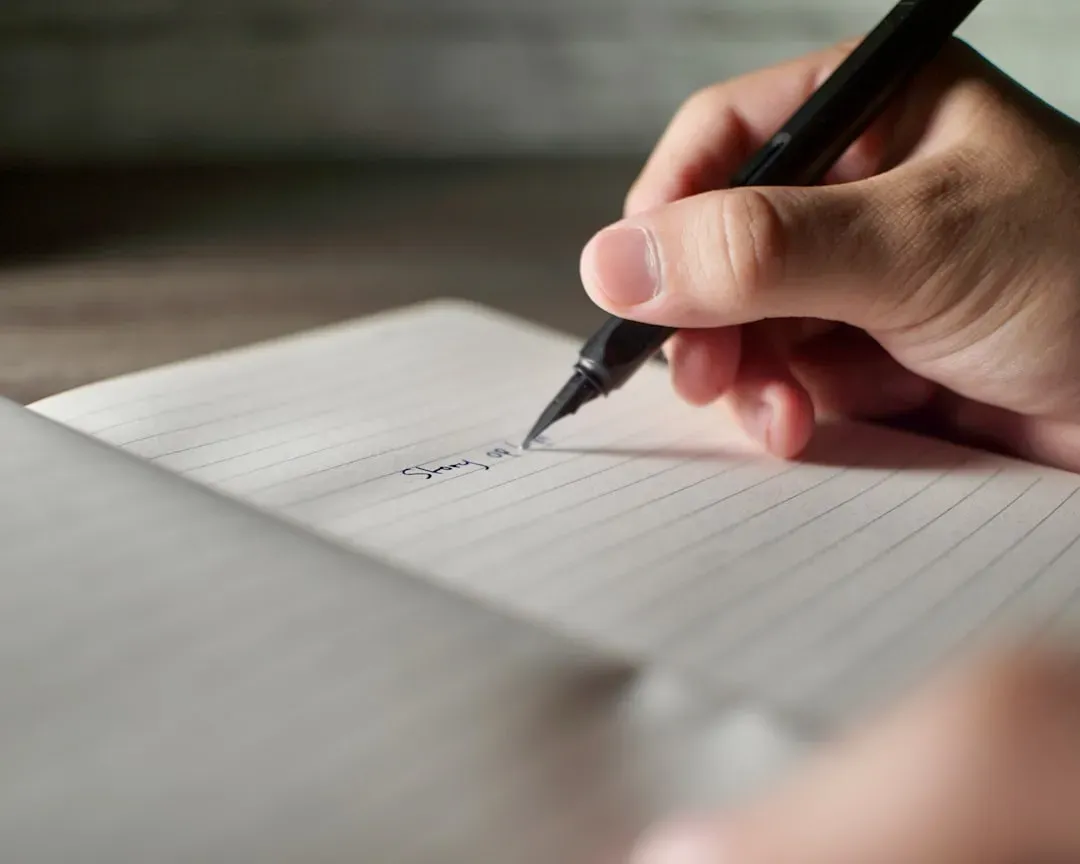
Neil Gaiman, the beloved fantasy author known for works like “American Gods” and “Coraline,” writes his first drafts by hand, using fountain pens and elegant notebooks, believing that writing longhand slows him down just enough to think through each sentence. The manuscript process is precise: Gaiman has described writing with two different fountain pens filled with two different colored inks, alternating pens each day so he can see at a glance exactly how much writing he has actually done.
One reason Gaiman cites for writing by hand is that it slows him down a little, but also forces him to keep going – he’s never going to spend half a day reworking a single sentence with a pen in hand the way he might at a keyboard. All of that fine-tuning happens later, when he starts typing. His handwritten manuscripts for novels like “Coraline” and “The Ocean at the End of the Lane” are known to be full of doodles and margin notes, evidence of a mind working visually as well as verbally.
Joyce Carol Oates
Joyce Carol Oates writes for up to eight hours a day in longhand, a habit that has sustained one of the most prolific careers in American literary history. With more than 70 books to her name, Oates still prefers to draft her stories this way. The sheer volume of her output – novels, stories, criticism, poetry – makes her handwriting practice all the more striking.
At the time of a 2012 Salon interview, Oates had over one hundred writing credits to her name, making it all the more impressive that she continued to write her drafts by hand, famously asking: “I always sketch out material by hand – why is this so unusual?” Her comment about word processors creating an addiction to a certain kind of textual perfection has resonated widely among writers who feel that the screen encourages endless, unproductive tinkering rather than forward momentum.
Lauren Groff
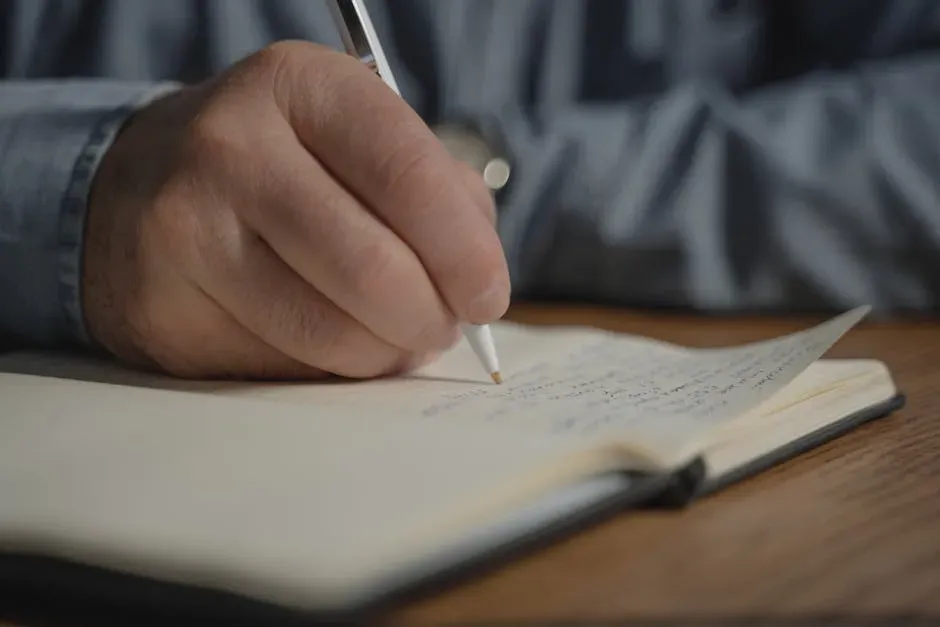
Completing her first drafts in longhand and waking up to write at five in the morning every day is just part of Groff’s work schedule – a process she has described as “compulsive,” giving herself permission in the drafting stage to write whatever comes. A three-time National Book Award finalist and the bestselling author of “Fates and Furies,” “Matrix,” and “The Vaster Wilds,” Groff has won the Story Prize and the Joyce Carol Oates Prize, and was named one of TIME’s 100 most influential people in 2024.
Groff writes several full drafts entirely in longhand and then puts them away forever – her own words describe the process as making “fast drafts” on paper, almost “like making a series of sketches before you make a giant mural,” creating many complete drafts at speed without rereading them, then setting them aside and starting over. When Groff starts something new, she writes it out longhand in large spiral notebooks. The finished novels that emerge from this process have a density and precision that suggest the method is not wasted effort.
Neal Stephenson
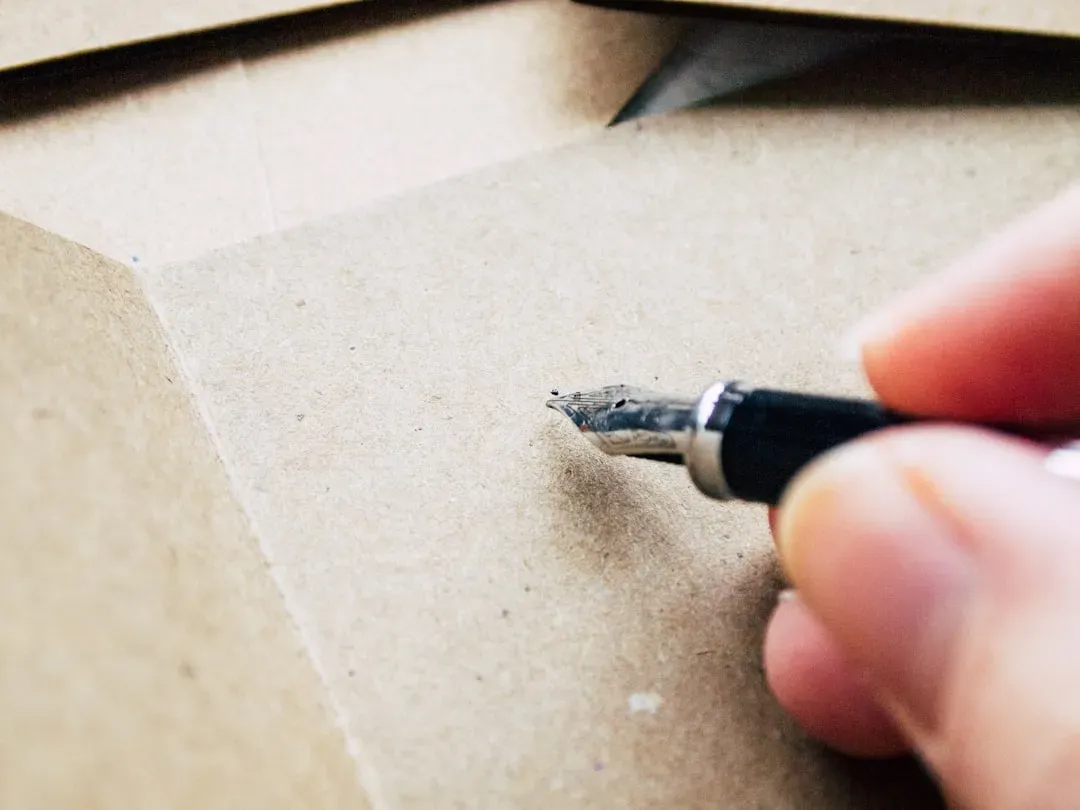
Neal Stephenson, author of “Snow Crash,” “Cryptonomicon,” “Seveneves,” and many more, famously writes with a fountain pen on 100% cotton rag paper. The science fiction writer jumped headfirst into handwriting “Quicksilver,” the first novel in his Baroque Cycle trilogy. The result was one of the most ambitious handwritten manuscripts in contemporary fiction.
In an interview about “Cryptonomicon,” Stephenson explained that he wrote every word of it with fountain pen on paper, partly hoping it would make him less long-winded – though he admitted it hadn’t worked. Still, he believed it improved the quality of the work, noting that it is actually easier to edit something on paper than on screen, and that every page of the original manuscript was gone over two or three times before it was typed into a computer. The complete Baroque Cycle manuscript was created using only a fountain pen, and the paperback version runs to around 2,600 pages.
J.K. Rowling
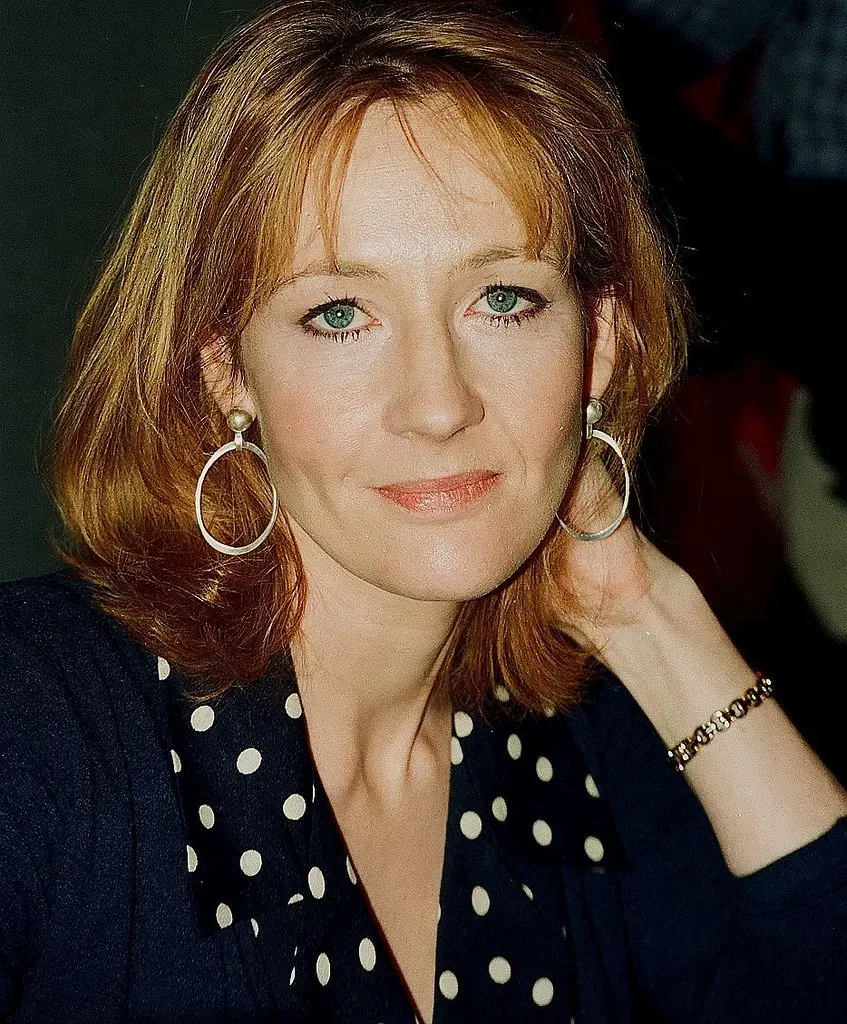
Rowling has openly shared that she wrote the first drafts of the Harry Potter series by hand, often in bustling Edinburgh cafés, and has said that the physical act of writing helped her connect with her characters more deeply – jotting down entire plotlines, dialogue, and scenes on whatever paper was at hand. The image of a struggling single mother filling notebooks in a warm café while her daughter slept beside her is one of modern literature’s most enduring origin stories.
A J.K. Rowling manuscript sold for £1.95 million at auction, which says something about the enduring value people place on handwritten creative work. Rowling’s approach to drafting by hand wasn’t merely practical necessity born from poverty – it became a creative method she continued to rely on even as the series grew into a global phenomenon, with later volumes requiring extensive planning charts and handwritten plot maps.
Margaret Atwood
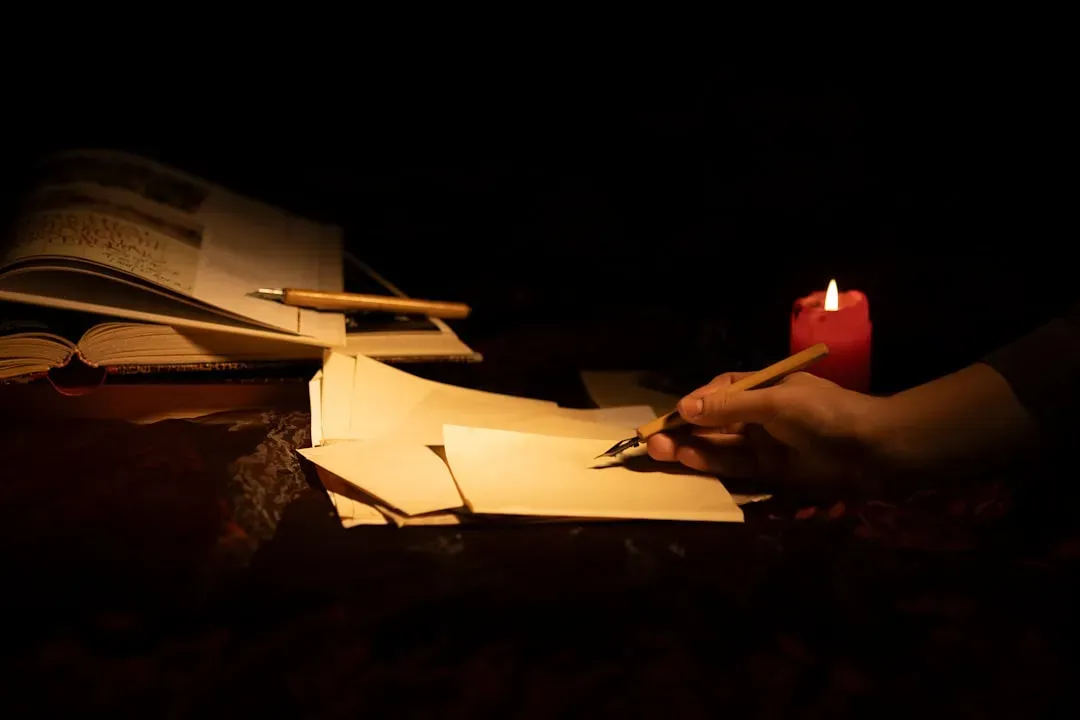
Margaret Atwood, revered for her sharp wit and dystopian fiction, has long been a champion of handwriting. She wrote much of “The Handmaid’s Tale” in longhand, finding that the slower pace helped her think through complex ideas. For a novel constructed on such precise ideological scaffolding, the deliberateness that handwriting demands seems almost structurally appropriate.
Atwood has spoken about writing in various conditions and locations, including on planes and in spare hours between other commitments. Her willingness to work anywhere with a notebook reflects both the pragmatism of a highly productive author and a genuine preference for analog composition. Longhand remains common for first-draft composition among authors who find it slows them down, reduces distractions, or strengthens creative flow – and Atwood has embodied all three of those reasons across a career spanning more than five decades.
John Irving
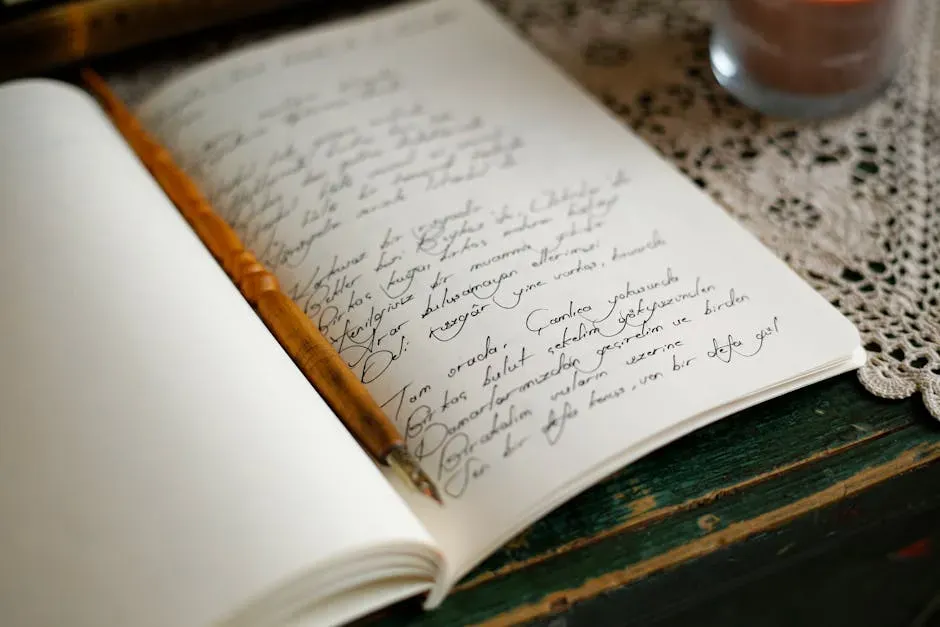
John Irving, author of classics like “The Cider House Rules” and “The World According to Garp,” has a writing ritual steeped in tradition – he prefers to write his first drafts longhand before moving to a typewriter for revisions, describing the process as liberating and allowing him to explore wild ideas and experiment freely. Irving’s handwritten manuscripts are often full of crossed-out sentences, margin notes, and sudden flashes of inspiration, and he believes that the tactile connection of pen to paper helps him dig deeper into his characters’ emotions.
Irving has also spoken about always writing the last line of a novel before the rest of the book, a practice that fits naturally with a longhand process where revision is costly and forward momentum is prized. His books tend to be long and structurally dense, which makes the patience required for handwriting seem less like a quirk and more like a structural necessity for the kind of work he produces.
Wendell Berry
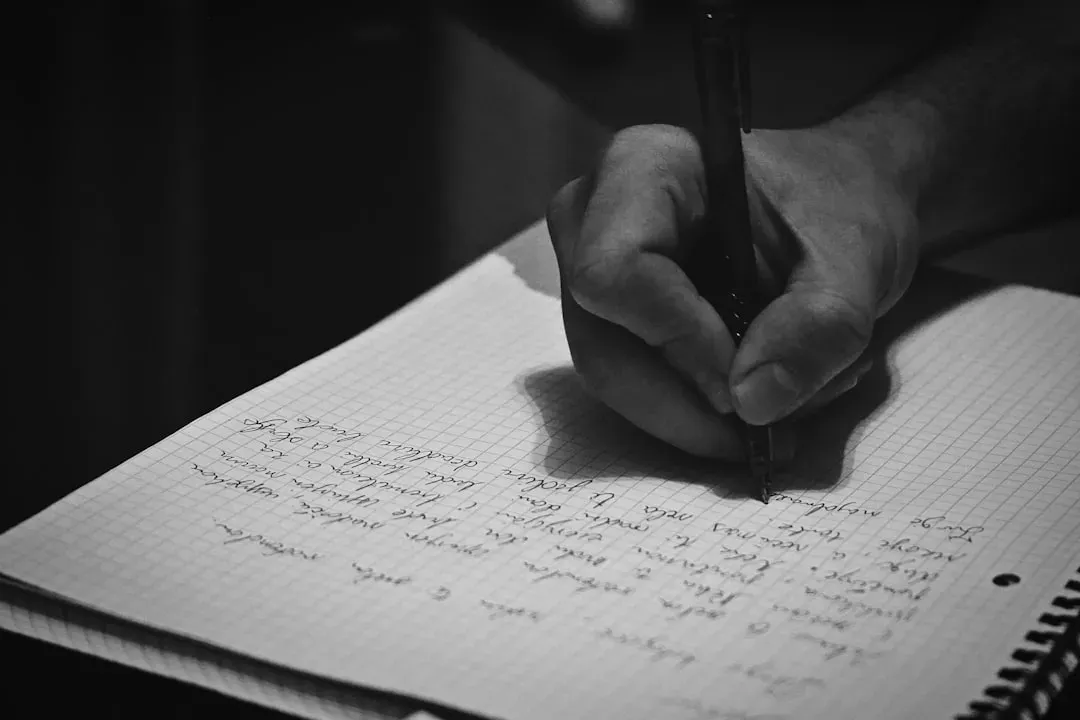
Wendell Berry, a celebrated poet and novelist, has famously shunned computers altogether, writing everything by hand using a pen and paper and sometimes a typewriter for final drafts. Berry believes this approach keeps him grounded and focused, free from digital distractions. His handwritten manuscripts are known for their neatness and clarity, and his commitment to traditional writing methods is part of his broader philosophy of simple living and deep connection to the land – for him, every word written by hand is a small act of stewardship and care.
Berry’s stance is perhaps the most philosophically consistent of any writer on this list. His refusal of computers isn’t an affectation or a creative strategy – it’s an expression of the same values he writes about: slowness, attention, and a resistance to the dominant culture of speed. His fiction and poetry, much of it set in the fictional Port William community of Kentucky, carries the texture of a hand that has thought before moving.
Andre Dubus III
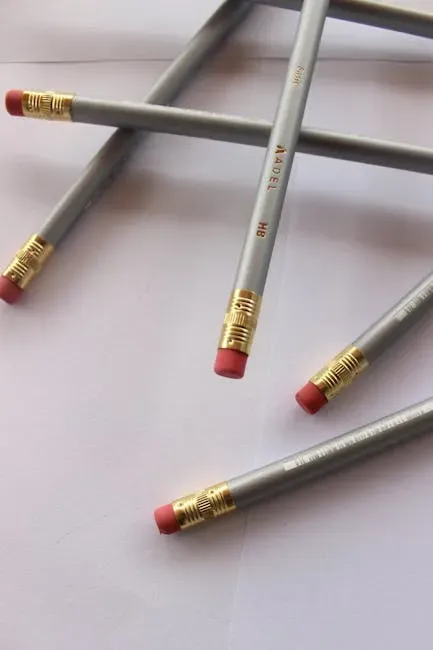
Andre Dubus III, the acclaimed author behind titles like “Bluesman” and “House of Sand and Fog,” has always preferred writing his books in longhand using a pencil. After using everything from carpenter’s pencils to mechanical pencils, he finally settled on his favorite, a Blackwing 602, for his work. The Blackwing 602, beloved by many writers and musicians for its smooth lead and distinctive eraser, has become something of a cult object in literary circles precisely because of writers like Dubus who take their tools seriously.
“House of Sand and Fog” was a finalist for the National Book Award and became one of the defining American novels of the early 2000s – a book composed, page by patient page, in pencil. Many authors believe that by writing instead of typing, they are able to process their thoughts more efficiently rather than letting their hands outpace their minds. Dubus III has described that sense of control as essential to the kind of emotionally precise writing he aims for.
Joe Haldeman
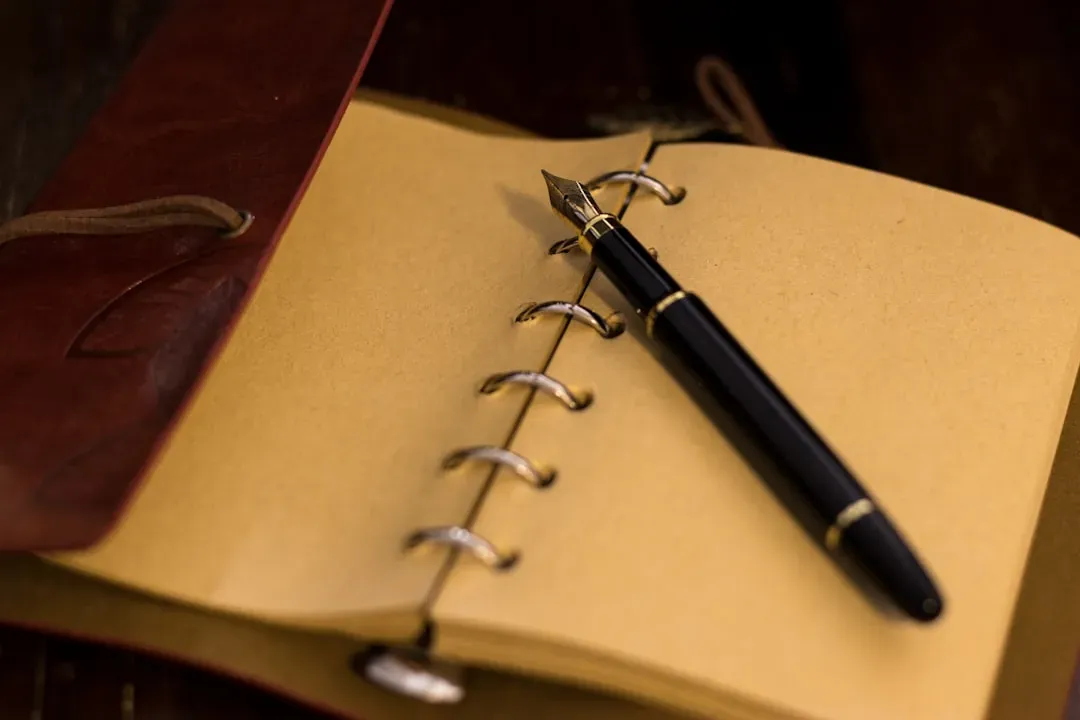
Joe Haldeman, the author behind Hugo Award-winning science fiction novels like “The Forever War” and “Forever Peace,” writes using a notebook and fountain pen – an interesting twist for an author so skilled at imagining future technology. According to Haldeman, he not only enjoys the physical action of writing his stories by hand, but also considers there to be a mystical aspect to turning a blank book into an actual book.
The irony of a science fiction writer committed to analog tools has not been lost on readers and fellow authors. “The Forever War,” published in 1974 and still widely regarded as one of the finest anti-war novels ever written in the genre, was the product of a process that hasn’t changed much since. Haldeman’s fountain pen notebooks represent a quiet reminder that imagination about the future has never required the latest technology to function.
Joshua Ferris
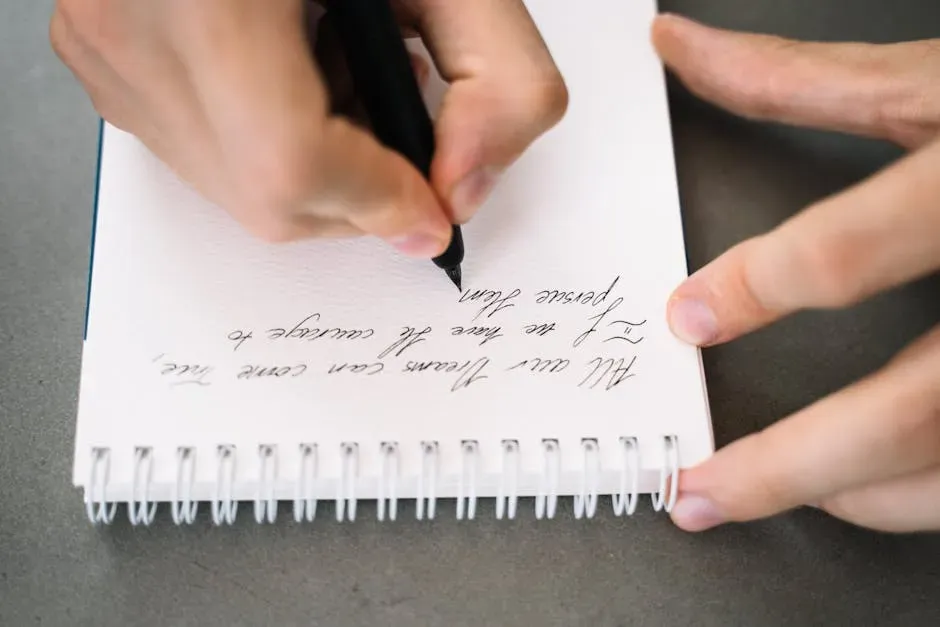
Joshua Ferris, the American author of novels including “Then We Came to the End” and “To Rise Again at a Decent Hour,” not only prefers doing all his writing in longhand using roller ball pens, but also uses special paper – specifically, graph-lined Rhodia pads. According to Ferris, he prefers this way of writing because there is no screen blinking at him to interfere with his thinking.
The specificity of Ferris’s tools is telling. Graph-lined Rhodia pads aren’t a random choice – they offer just enough structure to keep lines from drifting while leaving the page feeling open rather than rigid. “Then We Came to the End,” a mordantly funny novel about office life narrated in the first-person plural, required a careful ear for rhythm and voice that Ferris has credited in part to the handwriting process, which slows down prose and makes each sentence audible before it’s committed to paper.
Kazuo Ishiguro
Kazuo Ishiguro has described drafting longhand in notebooks for the early stages of novels before moving to the computer for revision. The Nobel Prize-winning author of “The Remains of the Day” and “Never Let Me Go” is known for his intensely controlled, reflective prose – and it’s hard to imagine that restraint emerging anywhere other than from slow, deliberate handwriting. His notebooks, filled during what he has called intensive writing weeks, serve as the foundational layer of each book.
Ishiguro famously developed a personal method he called “crash writing” – isolating himself completely for weeks at a time to generate raw material without interruption. During those periods, longhand notebooks are central to the process, capturing thoughts at the speed of reflection rather than the speed of typing. The emotional precision that readers associate with his fiction owes something real to that pace.
What these twelve writers share isn’t nostalgia or stubbornness. It’s a recognition that the tool shapes the thought. Handwriting demands a different kind of attention than a keyboard – slower, more physical, and in many ways more honest about the uncertainty that every first draft contains. The blank page stays blank until the pen moves, and there’s no autocorrect waiting to smooth over the rough edges.