Most people assume a film is either good or it isn’t, that what ends up on screen is more or less what the filmmakers intended. The reality of moviemaking is a lot messier than that. Productions run over schedule, test screenings go badly, directors and studios clash over endings, and mechanical props refuse to cooperate with saltwater. The gap between a disastrous rough cut and a beloved classic is often bridged by people working quietly in editing rooms, rewriting third acts under deadline pressure, or shooting entirely new finales in backyards.
The ten films below didn’t just survive troubled productions. They were genuinely transformed during post-production, sometimes dramatically, sometimes surgically, but always in ways that made the difference between failure and success. Some of these stories are well documented. Others are surprisingly little known, given how beloved the finished movies turned out to be.
1. Jaws (1975) – When the Monster Refused to Cooperate
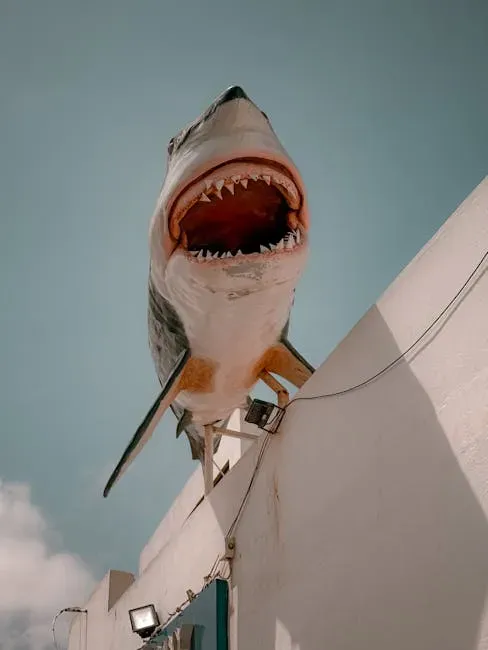
Spielberg had spent a significant portion of the film’s effects budget on three life-sized mechanical sharks nicknamed “Bruce.” The moment they were water-tested, everything fell apart. In the first trial, the shark sank to the ocean floor. Divers had to retrieve it. Even after adjustments, saltwater continued to destroy the machinery inside. The situation was genuinely dire. Editor Verna Fields rarely had material to work with during principal photography, as Spielberg later calculated they would shoot five scenes on a good day, three on an average day, and none on a bad day.
Fields, a Hollywood veteran with more years of studio experience than Spielberg at the time, had an idea: ignoring the shark altogether, she cut any footage that showed its entirety, focusing instead on thrashing water and the unseen menace of the deep. She leaned into John Williams’s sparse two-note theme to give the illusion of the shark’s approach. That sound became the stand-in for the monster, and the audience’s imagination filled in the rest. Jaws was enormously and unexpectedly profitable and was part of the wave of films that ushered in the era of the summer blockbuster. Fields’s contributions were widely acknowledged, and she received an Academy Award for best editing.
2. First Blood (1982) – Three Hours of Rambo Nobody Wanted
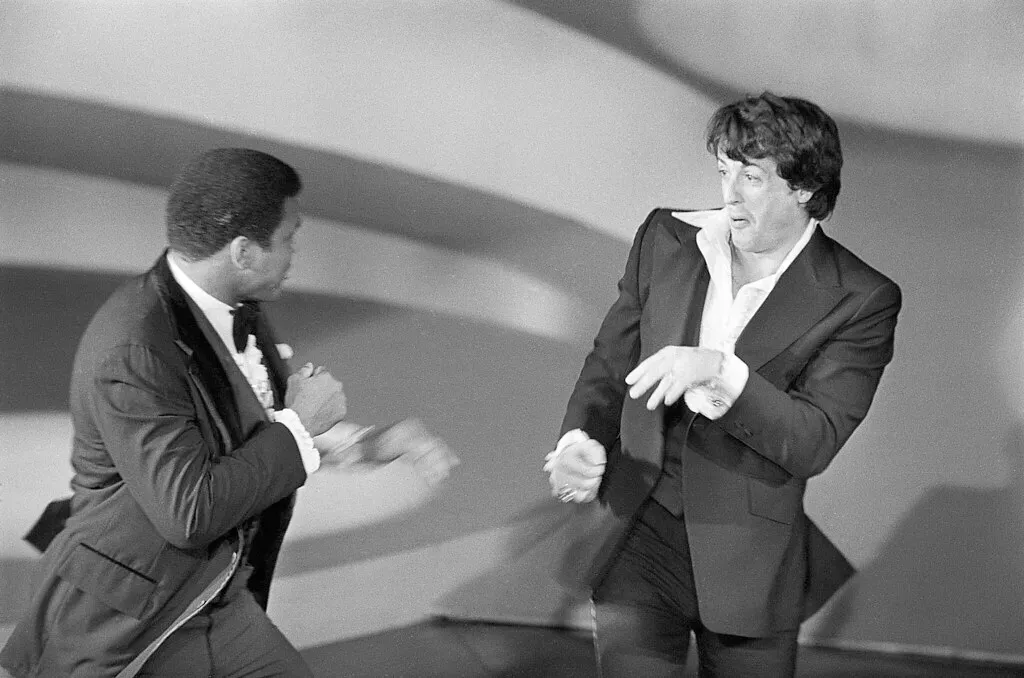
The first cut of “First Blood” was so long and slow that Sylvester Stallone reportedly wanted to buy and destroy the footage. Instead, the film was whittled down from over three hours to a tight 93 minutes. That kind of radical reduction is not a minor trim. It’s effectively a second filmmaking process, requiring editors to find a coherent, emotionally functional story buried inside footage that, in its original assembly, hadn’t worked for anyone involved.
The new pacing made the story of John Rambo gripping and sympathetic, transforming the film into a box office hit with over $125 million in revenue. The movie’s success spawned an entire franchise and turned Rambo into an icon of American cinema. If Rocky was the film that made Sylvester Stallone, First Blood was the film that made him an action hero. Now commonly known as Rambo: First Blood, the film successfully established a five-film franchise spanning four decades. All of that came down to what was removed rather than what was shot.
3. Toy Story (1995) – Woody’s Personality Crisis
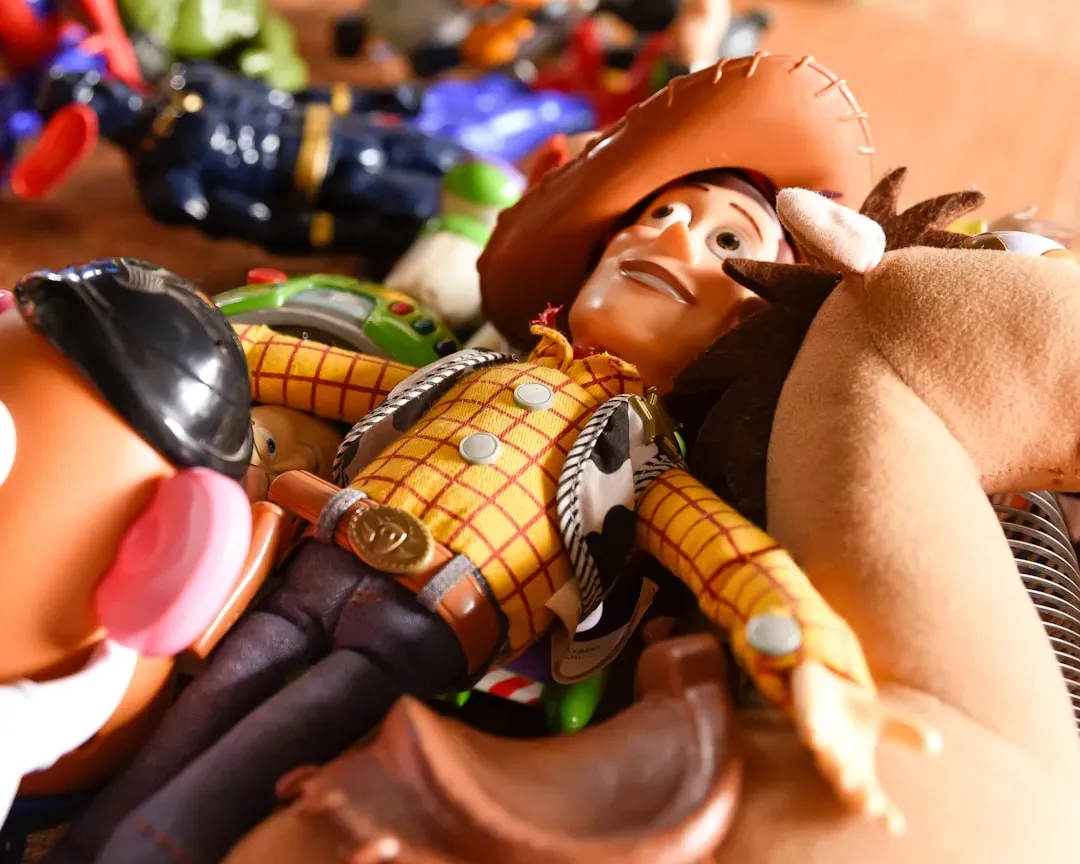
Disney chairman Jeffrey Katzenberg decried the initial concept as too childish, so director John Lasseter and his team went back to the drawing board and created a script that was darker, edgier, and more mean-spirited in tone. The resulting version, intended to appeal to adults, produced a lead character so unlikable that Disney hated the character so much that it almost cancelled the entire project. This led to Pixar requesting a chance to rewrite the script. Disney agreed, and the resulting draft showed Woody driven by insecurity rather than malice.
Pixar completely changed the game when Toy Story became the first feature-length computer-animated movie, but the studio’s legacy and the medium itself could have turned out very differently if the film hadn’t been an instant classic. The Pixar brain trust and high-ranking Disney executives overruled the mandate Katzenberg had issued, allowing the team to return to their original storytelling plans for Toy Story. That collaborative tug-of-war, frustrating as it must have been in the moment, produced a film that essentially created an entirely new chapter in cinema history.
4. American History X (1998) – An Actor Rewrites His Own Film
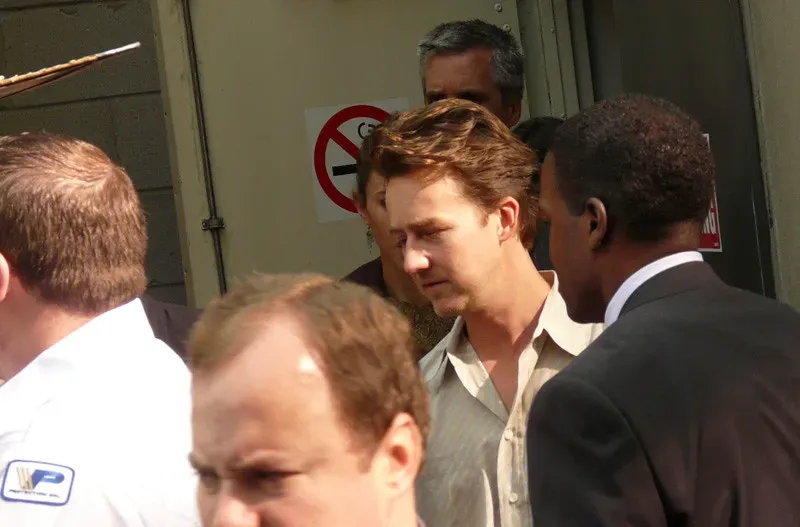
Edward Norton’s passionate involvement in “American History X” changed its fate. Dissatisfied with the original edit, he personally reworked the film, extending its runtime and deepening its emotional core. Norton’s intervention was controversial. Director Tony Kaye was so unhappy with the changes that he publicly distanced himself from the finished film, a dispute that drew significant attention in Hollywood at the time.
Norton’s commitment paid off: the film received critical acclaim, an Oscar nomination for Norton, and enduring status as a powerful exploration of hatred and redemption. It grossed over $23 million, impressive for such a hard-hitting drama. Norton landed an Oscar nomination for Best Actor, and American History X received widespread acclaim, with the call to switch things up in post-production proving to be a very shrewd decision. The film remains a study in what happens when the editing room becomes a battleground for creative ownership.
5. Men in Black (1997) – Streamlining a Tangled Blockbuster
“Men in Black” was a jumble of competing ideas and tangled plotlines before director Barry Sonnenfeld and editor Jim Miller reworked it in post-production. They cut out unnecessary subplots and streamlined the story, making it easier and more fun to follow. The film had a promising premise but its early cuts struggled to balance tone. The comedy wasn’t landing cleanly alongside the alien mythology, and the pacing was uneven enough to concern the studio.
As production companies on blockbuster pictures tend to exert a lot of creative control over the final product, editor Jim Miller had to re-shape the film to the studio’s wishes. Scenes were re-ordered, additional parts were added, and subtitles for when the aliens spoke were modified to suit the new direction. Whatever the studio’s motives, the gambit paid off. The film took in nearly $600 million at the box office, made Will Smith a household name worldwide, and spawned an animated series, three sequels, six video games, and branded tie-ins across multiple industries.
6. Scream (1996) – The Opening Scene That Saved Everything
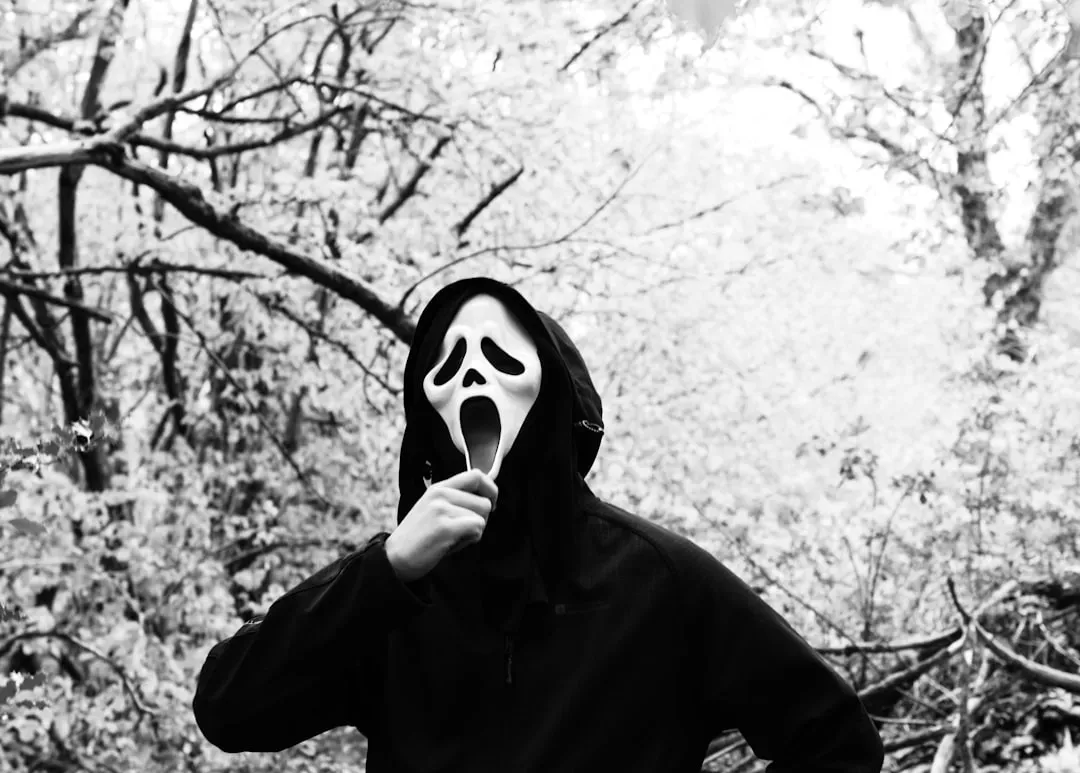
When “Scream” was in post-production, producers were skeptical about the now-iconic Ghostface mask. It seemed almost goofy in concept. Editor Patrick Lussier took a risk by showcasing the film’s tense opening sequence, which instantly flipped opinions. That chilling Drew Barrymore scene became legendary, setting the film’s playful but terrifying tone. A single scene, properly positioned and edited, changed the room’s entire reading of the film.
The movie’s sharp editing and clever use of genre tropes helped it gross over $173 million and revive the slasher genre for a new era. What makes the Scream story particularly interesting is how much the editing shaped not just the film’s pacing but its identity. The meta-awareness that audiences came to love wasn’t just in the script. It was built in the way scenes were cut together, the rhythm of dread and humor. That tonal precision came from the editing room.
7. World War Z (2013) – A $20 Million New Ending
When the first cut of World War Z was shown to Paramount executives, it was very poorly received. Brad Pitt, also a producer on the project, reportedly dubbed it “atrocious.” This led to seven weeks of reshoots in the summer of 2012, which caused the film to be pushed back from its originally scheduled December 2012 release date. Worried that the ending was disjointed and didn’t fit the rest of the story, producers brought in screenwriter Damon Lindelof for yet another rewrite. Lindelof recommended tossing out the original ending and reshooting a completely new one, and the studio agreed. The new ending, which cost an estimated $20 million to reshoot, was approved by Paramount.
The original cut revolved around a large-scale zombie battle in Russia for much of the final forty-five minutes. The new version, as released in cinemas, is contained mostly within a Welsh medical facility. The shift from spectacle to something quieter and more personal proved to be the right call. Even though all of these changes saw World War Z’s budget balloon to over $200 million, it still managed to earn $540 million worldwide. That outcome was far from guaranteed, and the number of moving parts that had to align during post-production to get there remains remarkable.
8. Back to the Future (1985) – A Cast Change That Rewrote History

Despite Michael J. Fox being the first choice as Marty McFly, his unavailability led to the casting of Eric Stoltz. However, shortly after filming began, it became clear that Stoltz wasn’t the right fit. He was too serious for the movie’s tone. This prompted director Robert Zemeckis and producer Steven Spielberg to make the expensive choice of replacing Stoltz with Fox, which required reshooting scenes already completed.
Ultimately, this choice proved beneficial because Fox provided the necessary lighthearted comedic energy that was essential for the film’s tone. The original ending also went through significant revision. The reason the climax was changed was partly financial: the studio wanted to shave budget from the production, and an expensive set piece was scrapped in favour of the finale audiences now know and love. That combination of a recast lead and a redesigned climax turned a troubled production into one of the most beloved films of the 1980s, a film that has since earned its place in popular culture far beyond what its initial box office suggested.
9. Donnie Darko (2001) – Less Was Genuinely More
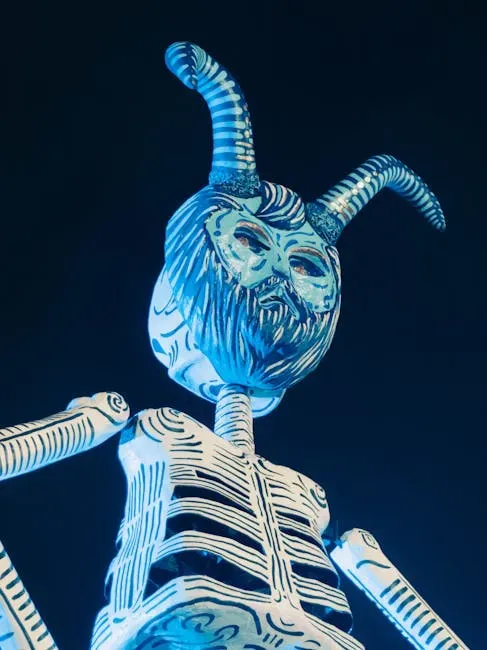
The way Richard Kelly’s career developed after Donnie Darko is instructive. His director’s cut of the enigmatic film indicated that he worked much better under studio-imposed restrictions. The theatrical edition of Donnie Darko is the superior edit by far, keeping its cards close to the chest and refusing to spell things out or spoon-feed the audience. The studio’s reluctance to hand Kelly full creative control, something that frustrated him at the time, turned out to be exactly what the film needed.
Kelly’s own cut was significantly more self-indulgent. It takes far too much away from the very beginning, robbing the movie of dramatic tension, ambiguity, and existentialism in the bargain. The restrained theatrical version, trimmed under studio pressure, became a cult classic that launched an entirely different kind of career for the film’s young cast. It’s one of the clearer examples on this list where the post-production intervention wasn’t a rescue from disaster but a refinement that made an ambitious, difficult film actually watchable.
10. Anora (2024) – Post-Production as the Crucible
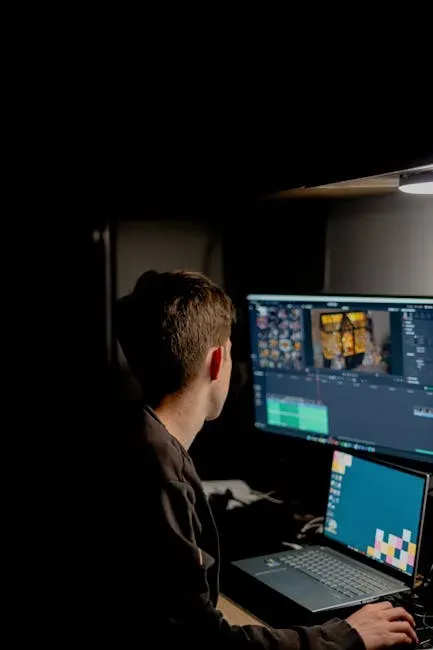
Sean Baker’s “Anora” faced countless obstacles, from budget constraints to creative disagreements. Yet post-production became a crucible where the film’s best qualities emerged. The completed movie wowed critics and audiences, winning four Oscars including Best Picture. Baker’s film is one of the more recent and striking examples of how the editing and finishing process can clarify what a movie is actually about, stripping away what doesn’t serve the story and letting the performances breathe.
Its success is a powerful reminder that perseverance and creative problem-solving behind the scenes can lead to cinematic greatness. “Anora” is living proof that the editing room is where genuine transformations happen. That it arrived with such apparent confidence at the Cannes Film Festival, walking away with the Palme d’Or before its Oscar sweep, made the behind-the-scenes struggles all the more invisible to the outside world. Which, of course, is exactly how it’s supposed to work.
The editing room has always been cinema’s best-kept secret. None of these ten films announced their post-production difficulties when they opened. Audiences simply watched a shark movie, a comedy about time travel, or a coming-of-age drama and responded to what was there. What was there, in each case, was the result of someone making difficult, sometimes expensive, sometimes counter-intuitive decisions long after the cameras had stopped rolling. The finished film is never just the shot footage. It’s the choices made afterward.