There is a particular kind of unease that settles in after finishing certain books or films. Not the straightforward dread of a horror story, but something quieter: the slow realization that you have been guided, convinced, maybe even charmed by someone who had no business earning your trust. The narrator was telling you a story, yes. They just weren’t telling you the truth.
This is the territory of the villainous narrator, one of the most unsettling and intellectually rich devices in all of storytelling. It has been deployed for centuries, from ancient drama to contemporary crime thrillers, and it continues to fascinate readers precisely because it forces an uncomfortable question: how much of what we believe is simply the version of events we were given first?
The Term Was New; the Trick Was Ancient

The term “unreliable narrator” was first coined by literary critic Wayne C. Booth in his 1961 book, The Rhetoric of Fiction, though writers had been making use of the device for far longer. Medieval poet Geoffrey Chaucer used various unreliable narrators in The Canterbury Tales, including the bragging and exaggerating Wife of Bath.
One of the earliest seeds of the style can be found in ancient Greek drama. In Euripides’s The Bacchae, the god Dionysus narrates parts of the play, but his intentions and perspective are shrouded in ambiguity, suggesting the theme of unreliable narration. The long history of this device proves that readers have always, on some level, sensed that the person holding the pen might have their own agenda.
What Makes a Narrator Cross the Line Into Villainy
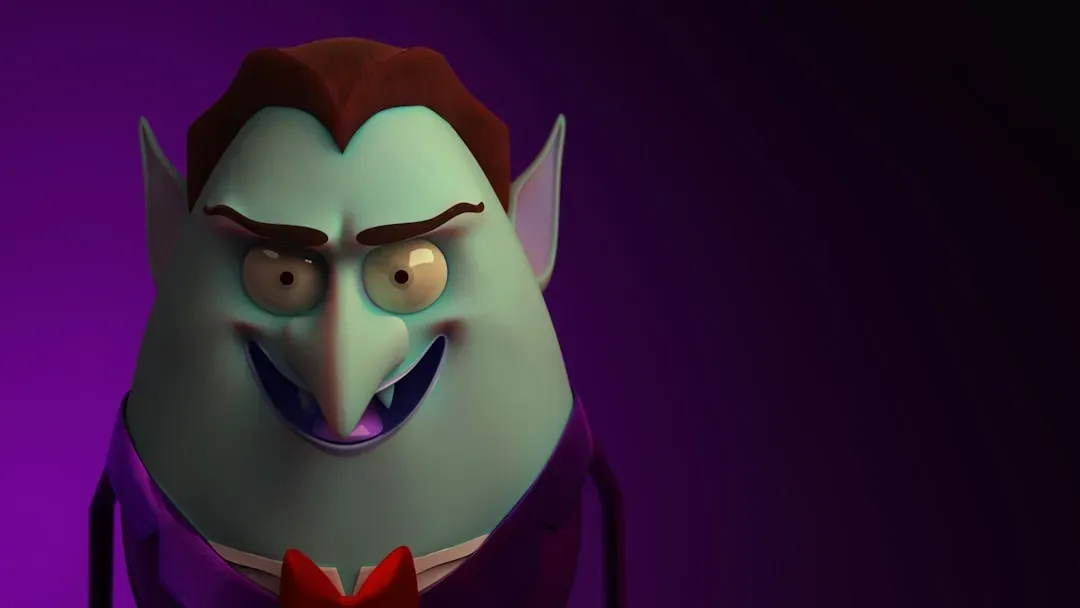
An unreliable narrator can be defined as any narrator who misleads readers, either deliberately or unwittingly. Many are unreliable through circumstances, character flaws, or psychological difficulties. In some cases, a narrator withholds key information from readers, or they may deliberately lie or misdirect. The distinction matters. A naive or traumatized narrator who distorts events unknowingly is a very different creature from one who weaponizes the story itself.
Unreliability can be used to enhance the characterization of a first-person villain: the narrator must be definitively unreliable in order for the story to be from his perspective while keeping him at a clear moral distance from the reader. Rather than empathizing with the narrator, as one usually does, the reader instead feels more horrified and appalled as the narrator explains his reasons and motivations. That moral distance is the whole point. The villain doesn’t announce themselves.
Poe’s Murderer Who Insisted He Was Sane
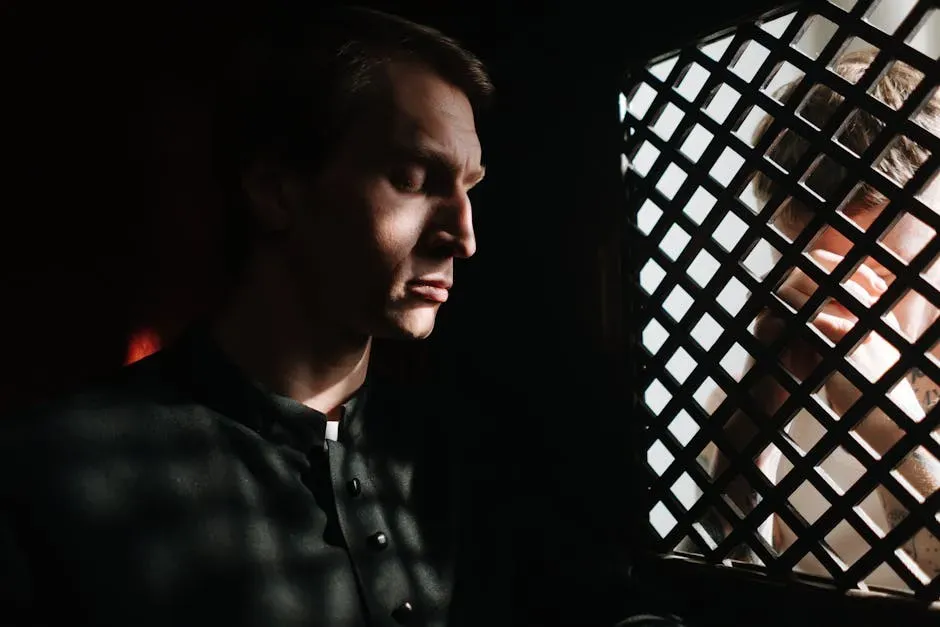
Edgar Allan Poe’s “The Tell-Tale Heart,” published in 1843, is an early example of this storytelling tool: the narrator recounts committing a brutal murder, all the while proclaiming his own sanity. In this story, the narrator begins by insisting to the reader that he is not mad, which only serves to convince you that he is. It is clear that the reader is not meant to follow the narrator’s dubious logic that acute hearing and a calm demeanor are indications of intact sanity. As the story progresses, the narrator describes his plot to kill the old man with the milky eye, insisting all along that he is as sane as can be.
At the end of the story, the imagined beating of the dead man’s heart is more than the narrator can bear and he drops all pretense of sanity, revealing to the police that he is a killer. In this work of celebrated horror, the unreliability of the narrator is glaringly obvious and serves to reinforce the reader’s perception of his insanity. Poe understood something essential: a villain who believes his own story is far more disturbing than one who knows he’s lying.
Agatha Christie’s Most Audacious Move
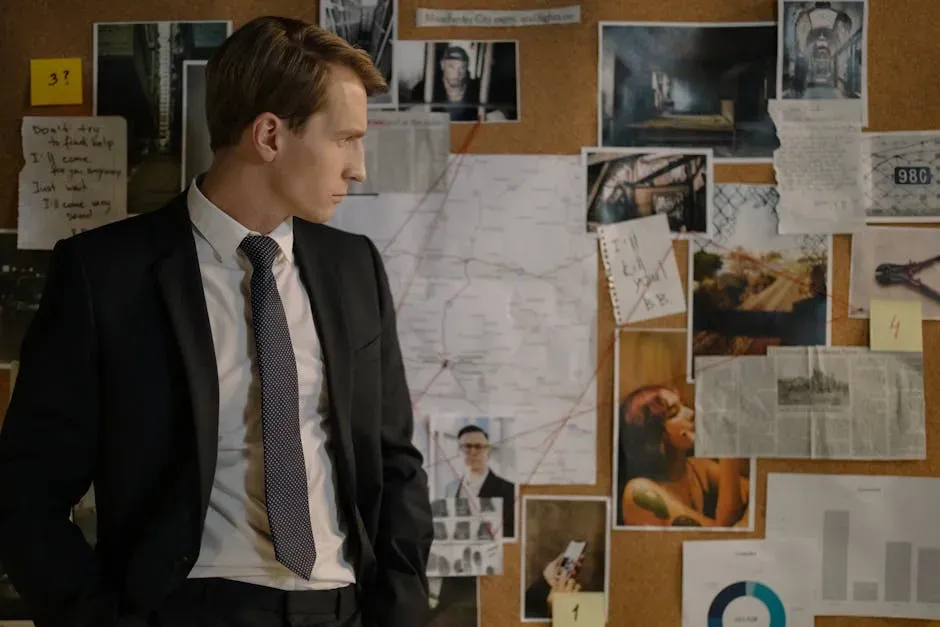
In the last chapter of The Murder of Roger Ackroyd, it is revealed that the first-person narrator, Dr. Sheppard, who has been acting as Poirot’s assistant, is actually the murderer. He has used clever narration to mislead and misdirect the readers without ever actually telling lies. The Crime Writers’ Association voted it the best crime novel ever in 2013, and it has certainly been very influential.
Christie’s Dr. Sheppard comes across as a decent, upright, dedicated man. He has a sense of humor. He tries to restrain his sister’s harmful gossiping. That likeability is not incidental – it is the mechanism of the deception. The reader trusts him precisely because Christie has made him trustworthy in every way except the one that matters. It remains one of the most technically brilliant acts of misdirection in literary history.
Humbert Humbert: Charm as Camouflage
Vladimir Nabokov’s 1955 novel Lolita avoids readers outrightly condemning Humbert by instilling his narration with charm, wit, intelligence, and a sophisticated narrative style. The novel is best known for the controversy of its subject matter: a middle-aged protagonist, under the pseudonym Humbert Humbert, obsesses over and eventually kidnaps and sexually abuses a twelve-year-old girl named Dolores Haze. Nabokov’s novel is comprised of Humbert Humbert’s memoir writings, which detail his obsession with the underage Lolita as he is waiting to be tried in prison.
It is part of Humbert Humbert’s game to hide the truth by manipulating his language with poetic phrases that are aesthetically pleasing to his audience. The novel is fundamentally about linguistic and narrative manipulation and the dangers of relying on a single, self-serving perspective. It serves as a caution to question sources and recognize the difference between events and how they are represented. Nabokov built an entire system of literary seduction designed to make the reader feel implicated – and uncomfortable about that feeling.
Fight Club and the Narrator Who Didn’t Know

A narrator who has a mental disorder resulting in dissociation, schizophrenia, or paranoia produces a specific kind of horror. Chuck Palahniuk’s Fight Club gave readers one of the best examples of this type of unreliable narrator in the discovery that the insomniac narrator and Tyler Durden were one and the same. The villain is the narrator. The narrator didn’t know he was the villain. Neither did the reader.
The narrator’s unreliability may not be apparent to the audience from the start – they may not notice until the very end. This often manifests as a plot twist. Here, the credibility of what we have just watched is called into question or completely upended by the sudden realization that all was not as it seemed. In Palahniuk’s case, that upending is total. Looking back, every scene reads differently. The text was always confessing; the reader just wasn’t listening the right way.
Gone Girl: The Diary as a Weapon

Amy Elliot-Dunne is the titular main antagonist of Gillian Flynn’s novel Gone Girl. She is a calculating psychopath who contrives an elaborate plan to fake her own death and frame her husband Nick for murdering her, as punishment for Nick’s infidelity. Flynn’s utilising of the diary entries is an exceptional manipulation of a literary device; the reader instinctively trusts a diary entry, assumes it to be the epitome of honesty, but that is devastated by Amy’s revelations.
Amy’s diary narration is the cinematic version of a con job. It seduces you, builds credibility, and then flips, revealing it was a setup all along. The character is generally credited in starting “The Gone Girl Effect,” where every novel with an unreliable female narrator began drawing comparisons to Gone Girl and Amy Dunne. Flynn’s achievement wasn’t just creating a compelling villain – she created a villain who controlled the very form of the book being read.
The Usual Suspects and the Invented Story
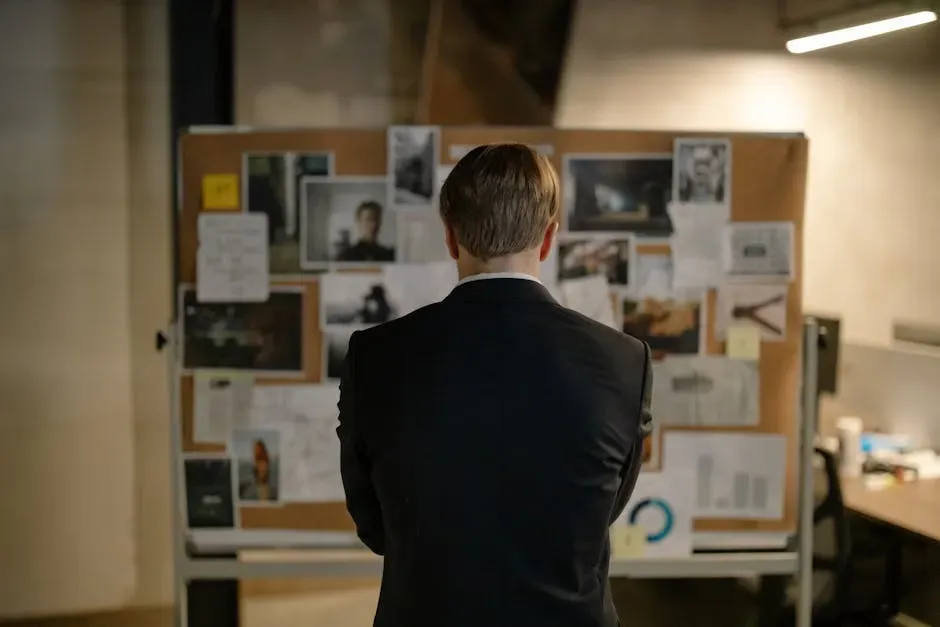
The Usual Suspects provides one of the most compelling examples of the unreliable narrator who is also a villain. Roger “Verbal” Kint tells the story from his perspective in the context of a police interrogation. The film revolves around a group of criminals trying to get out from under the finger of the villain Keyser Soze. It turns out that the main character, Verbal Kint, .
What makes the film so structurally elegant is that the audience is not simply tricked – they are implicated. The story we watched was constructed in real time, assembled from objects on a bulletin board and delivered with just enough detail to feel authoritative. Unreliable narrators typically don’t signpost their unreliability. The narrator isn’t telling you “hey, this is my point of view, but you can’t trust me!” Rather, these narrators reveal their biases or ulterior motives in the text, and it takes textual analysis for us to recognize that they’re not telling us the true story.
Why Readers Keep Falling for It

The unreliable narrator in literature, if written well, will cause the reader to experience the delight of a shocking twist or a dawning realization that they have been misled. When readers have been told a story from a specific point of view, we cannot help but side with the storyteller, even when they are doing dubious things or making bad decisions. This can make for complex and conflicted feelings when readers realize they have been double-crossed by someone they trusted.
From A Clockwork Orange to American Psycho, having an unreliable narrator who is also a villain is a great way to set up a fascinating story. The trick is making sure your narrator is also likable. There have to be some redeeming qualities or some reason for your audience to keep turning pages, otherwise you’ll lose your reader’s attention quickly. The villain-narrator doesn’t work through shock alone. They work through intimacy. They need you to lean in before they reveal what you’ve been leaning toward.
The Ethics of Being Deceived
The term “unreliable narrator” was coined by the literary critic Wayne C. Booth, whose intent was to highlight narrators whose moral or ethical imperatives differ from that of the author’s. In other words, the author disagrees with the narrator’s point of view and ethical outlook. That gap between author and narrator is the moral safety net. It means that Nabokov is not endorsing Humbert, that Flynn is not celebrating Amy. The author holds a perspective the narrator cannot.
An unreliable narrator’s version of events and characters in the story will also build to reveal, simultaneously, his or her own personal prejudices, anxieties, fears, tastes, delusions, and even beliefs. This is what makes the device so revealing – not just about the narrator, but about us. We follow whoever is speaking. We fill in the gaps with sympathy. Great villainous narrators exploit exactly that tendency, and the best of them leave us sitting with the discomfort of having done so.
The Lasting Resonance of the Twisted Voice
The postmodern era saw authors using unreliable narrators to comment on the subjective nature of truth and the limitations of language. Novels like Vladimir Nabokov’s Lolita and Kazuo Ishiguro’s The Remains of the Day use unreliable narrators to mask the truth, leading readers to question their assumptions and prejudices. From ancient Greece to postmodernist literature, the unreliable narrator has evolved and grown more complex, reflecting broader changes in society’s understanding of the self, reality, and the nature of storytelling. Its significant prominence in the twentieth century marked a key shift in narrative strategies, highlighting the complexity of human perception and the inherent subjectivity of truth.
There is something honest, in its strange way, about a story that admits it might be lying. Every narrator shapes events. Every speaker has a motive. The villainous narrator simply makes that structure visible, and forces readers to confront a truth that quieter, more straightforward fiction lets us ignore: we never had direct access to events. We only ever had someone’s account of them. The question worth asking, in fiction and beyond, is whether the person giving that account had any reason to leave parts out.