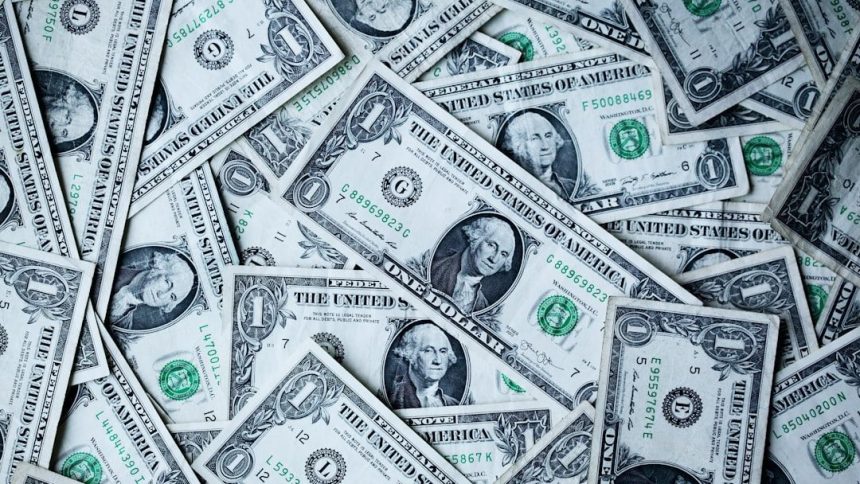

This Tiny Star on Your Dollar Bill Could Mean Big Money – Image for illustrative purposes only (Image credits: Unsplash)
Everyday transactions often involve handling dollar bills without a second thought, yet one collector recently turned loose change into a $100 windfall by spotting a rare star note. These replacement bills, marked by a small star at the end of their serial number, emerge from printing mishaps at the Bureau of Engraving and Printing. While most circulate unnoticed, their scarcity in certain runs draws interest from numismatists, potentially elevating a common bill’s worth far beyond its face value. This phenomenon underscores how routine currency can harbor unexpected value for the observant.
What Makes a Star Note Special
The Bureau of Engraving and Printing produces star notes to replace defective bills during manufacturing. When an error occurs, authorities issue a new note with the same serial number but append a star symbol to maintain uniqueness across all currency. This practice ensures accurate tracking and prevents duplicates in circulation.
Produced in limited quantities compared to standard bills, star notes appeal to collectors seeking rarities. The system, though operational for the government, creates a secondary market where these notes gain premium status. Their existence ties directly to production realities, blending minting history with collector demand.
Key Factors Influencing a Star Note’s Worth
Value hinges primarily on the print run size, with notes from batches under 640,000 typically commanding higher prices due to scarcity. Condition remains crucial; uncirculated examples in pristine shape fetch far more than worn ones with creases or marks. Series year and specific serial characteristics also play roles in assessment.
Prices range widely, from a modest premium of a few dollars to several hundred for exceptional pieces. Collectors weigh these elements collectively, often consulting sales records for comparable notes. This nuanced evaluation separates everyday star notes from true treasures.
Practical Steps to Assess Your Dollar Bill
Begin by examining the serial number on your $1 bill for a star at either end. Note the series year printed near the bottom and cross-reference it with online tools such as MyCurrencyCollection or Star Note Lookup databases. These platforms reveal print run data, helping gauge rarity.
Evaluate the bill’s condition next, checking for sharpness, lack of folds, and minimal wear. Avoid assuming value based on age alone; focus on verified production figures. Professional grading services can provide definitive appraisals for promising finds.
- Confirm the star symbol’s presence.
- Identify the series year and facility.
- Query print run via collector databases.
- Inspect for circulation damage.
Stories from the Collector Community
Real-world discoveries illustrate the potential. A collector once pulled a low-print-run $1 star note from pocket change, later selling it online for over $100. In a separate instance, a cashier identified a crisp example during a shift and secured a profit upon resale.
These accounts demonstrate how vigilance in daily life yields rewards. They also highlight the role of online marketplaces in connecting finders with buyers. Such tales fuel interest without promising universal riches.
Debunking Persistent Myths
Novices often overestimate star notes, assuming every one holds significant value – an error rooted in overlooking print volumes. Age does not guarantee worth; recent low-run notes can outpace older high-volume ones. Listed prices online frequently exceed actual sales, misleading casual observers.
Reliable data from auction results and collector forums offers better guidance. Condition consistently trumps assumptions, rewarding careful handling. Awareness of these realities fosters realistic pursuits in numismatics.
Star notes remind us that value often hides in plain sight amid ordinary cash flow. For everyday users and budding collectors alike, a quick check could uncover a small fortune – or simply sharpen appreciation for currency intricacies. As circulation continues, so does the chance for another unassuming bill to shine.