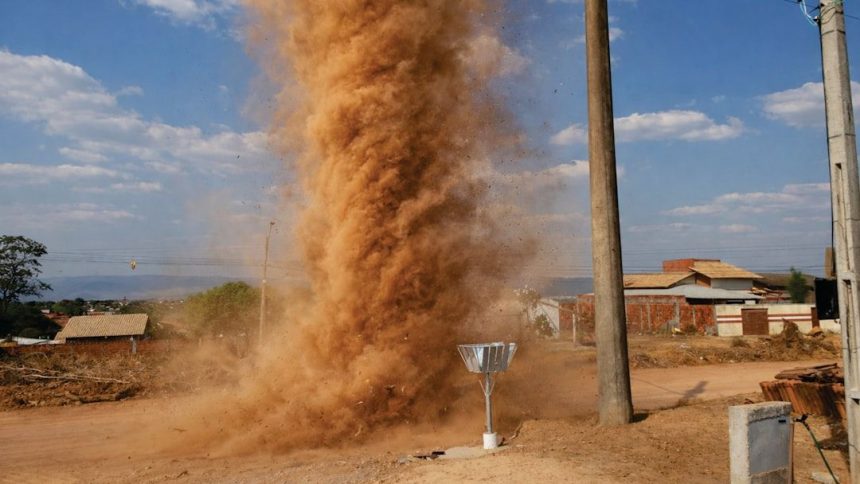
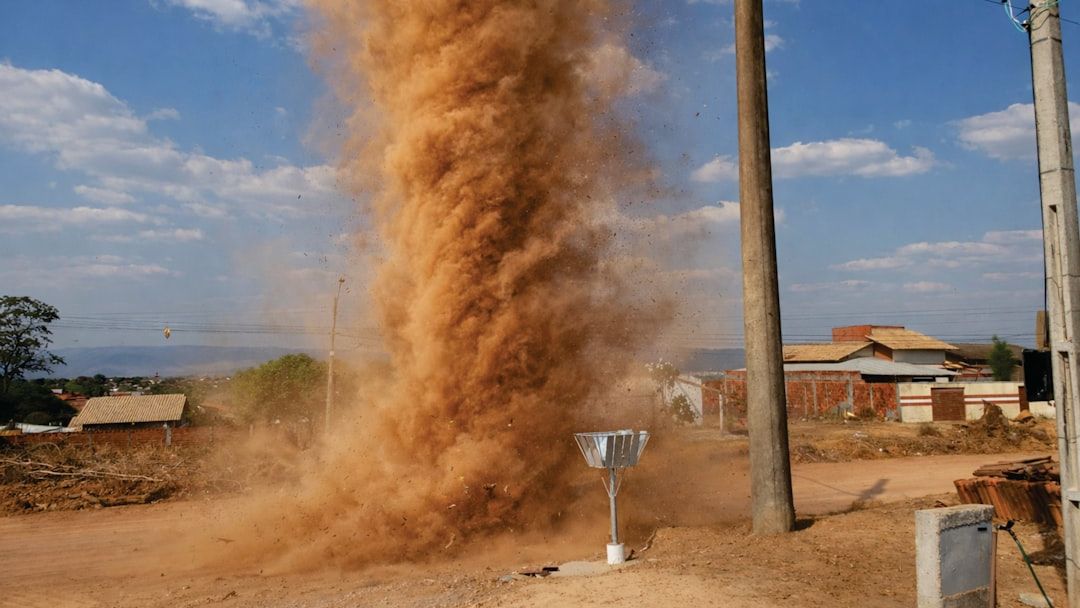
Tornado forming over/by the city in west, May 5, 2026 – observed by Davenport and Bathurst area – Image for illustrative purposes only (Image credits: Unsplash)
Toronto – A striking weather event unfolded over the western part of the city on May 5, drawing attention from residents in the Davenport and Bathurst area. Observers described a funnel-shaped cloud descending toward the urban landscape, prompting immediate questions about its nature and potential risks. The sighting occurred amid typical spring conditions, yet it stood out for its visual intensity and proximity to populated neighborhoods.
Details of the May 5 Observation
Local accounts placed the formation in the western sky, visible from key vantage points along Davenport Road and near Bathurst Street. Witnesses noted the cloud’s distinct rotation and downward extension, which lasted several minutes before dissipating. No immediate reports of damage or injury emerged from the area, though the event prompted rapid online discussions among those who saw it firsthand.
The timing aligned with broader regional weather patterns that included scattered showers and gusty winds earlier in the day. Meteorologists later confirmed that such funnel clouds can develop under specific atmospheric conditions without escalating into full tornadoes. Residents emphasized the event’s sudden appearance, which caught many by surprise during routine evening activities.
Why the Sighting Matters for Urban Areas
Events like this highlight the importance of public awareness during spring months, when temperature contrasts can fuel localized rotation in clouds. Toronto’s dense layout means even brief funnel formations can generate concern among people living and working nearby. Officials noted that quick identification helps distinguish between harmless clouds and those requiring further monitoring.
Partner offer
Community forums filled with photos and videos shortly after the observation, reflecting a shared interest in understanding local weather dynamics. This response underscores how urban residents increasingly turn to collective input when unusual atmospheric activity appears overhead. The episode also serves as a reminder that severe weather can manifest in varied forms, even in cities far from traditional tornado-prone zones.
Context Within Recent Weather Trends
May often brings transitional conditions to southern Ontario, with warm air masses clashing against cooler fronts. Such setups occasionally produce the ingredients for rotating clouds, though full tornado development remains uncommon in the Greater Toronto Area. Historical records show isolated funnel sightings in past years, typically without widespread impact.
Environment Canada continues to track these occurrences through its network of radar and surface observations. The May 5 event fits into a pattern of heightened vigilance during the early storm season, when forecasters issue alerts for potential wind and precipitation changes. Residents in affected zones are encouraged to stay informed through official channels rather than relying solely on visual cues.
What matters now: Continued monitoring of spring weather patterns remains essential as the season progresses. Residents should review basic safety steps for sudden atmospheric changes, including seeking sturdy shelter if rotation intensifies or warnings are issued.
Looking Ahead After the Event
Follow-up assessments by weather services confirmed the cloud did not produce ground-level winds strong enough to classify as a tornado. This outcome aligns with many similar reports across the region, where visual drama exceeds actual hazard. The incident nevertheless reinforces the value of community vigilance and timely reporting.
As summer approaches, forecasters expect more opportunities for convective activity across the province. Toronto residents can prepare by staying connected to reliable updates from meteorological agencies. The May 5 observation stands as a clear example of how everyday skies can deliver unexpected moments that prompt both curiosity and caution.
Partner offer
Planning a trip to Vegas?
Compare hotel rates and show tickets on VEGAS.com.