There was a time when square footage was the scorecard. The bigger the house, the clearer the signal: you had made it. Sprawling suburban McMansions with four-car garages and formal dining rooms that nobody ever ate in became the default version of the American Dream, particularly in fast-growing Sun Belt metros like Phoenix, Las Vegas, and Scottsdale. That signal is getting harder to read now. Something has shifted, not just economically but culturally. Across the country, homeowners who once chased square footage are quietly trading the keys of their oversized houses for the fobs of polished urban condos, and they are not doing it reluctantly. They are doing it deliberately, with a growing sense that less, when designed well, can feel like more.
The Numbers Behind the Great Downsizing
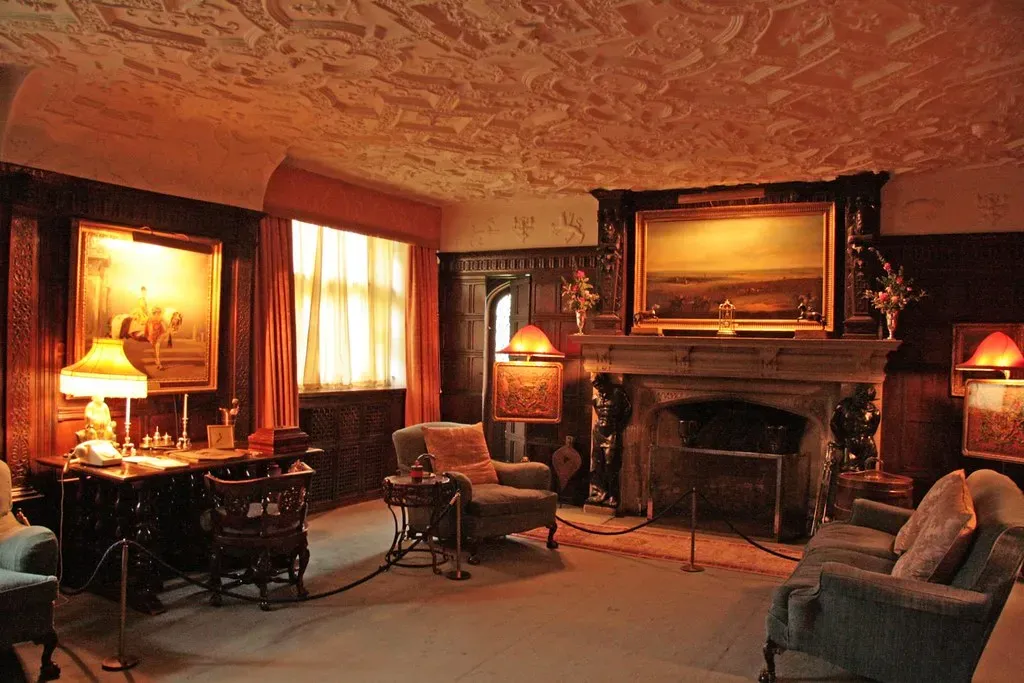
The data makes a compelling case that this is not a fringe movement. The U.S. Census Bureau reported in March 2025 that 54% of new single-family homes built in 2024 were under 2,200 square feet. That figure is striking when you consider how dramatically American home sizes had ballooned over the previous four decades.
In the first quarter of 2024, a single-family home newly under construction had a median 2,140 square feet of floor space, down from a median of 2,256 square feet in the first quarter of 2023, representing the smallest new homes since the second half of 2009, according to the National Association of Home Builders.
The shift away from McMansions is also evident in resale data, with sales of homes over 4,000 square feet declining by 11% in the last year alone. The direction of travel is clear, even if the pace still varies by market.
Who Is Actually Making the Move

Each day, 11,200 Americans turn 65 years of age, a staggering number that implicates a growing desire to downsize, in part to avoid annoyances like staircases, lawn maintenance, and in certain instances, high taxes. Baby Boomers are consistently at the center of the downsizing conversation, and for good reason.
About 52% of Millennials would rather have a smaller, better-built new home with more amenities than a larger one with fewer amenities, while Baby Boomers are looking to downsize to an average of 1,869 square feet. Two very different generations, arriving at the same conclusion from different directions.
Real estate examples illustrate the trend vividly. At the Laurel, a recently completed luxury condo tower at Philadelphia’s Rittenhouse Square, when you consider how many aging Baby Boomers call it home, the numbers make sense: as of early 2024, 60% of the building’s condos had been sold, and 65% of those buyers were Baby Boomers. Empty nesters wanting city proximity are driving real transactions, not just trends.
The Financial Pressure That Changed Everything

Rising mortgage rates and skyrocketing construction costs have made large homes less attainable for most Americans. According to Freddie Mac, the average mortgage rate climbed above 7% in early 2025, pushing many buyers to rethink their priorities.
Sticker shock is what primarily dissuades homebuyers from buying larger homes. Buyers are dealing with higher mortgage rates of 6% and higher, as well as tariffs that affect aspects of homeownership from lumber to furniture. In response, buyers are pivoting to smaller homes with easier-to-manage monthly bills across their mortgage, property taxes, and ongoing utility costs.
According to Bankrate’s 2024 Home Affordability Report, 44% of U.S. adults who would be willing to make a sacrifice to find more affordable housing say they would consider downsizing their living space. That is a substantial slice of the population reassessing what a home should cost them, not just financially but in terms of time and energy too.
What Luxury Condos Are Actually Offering
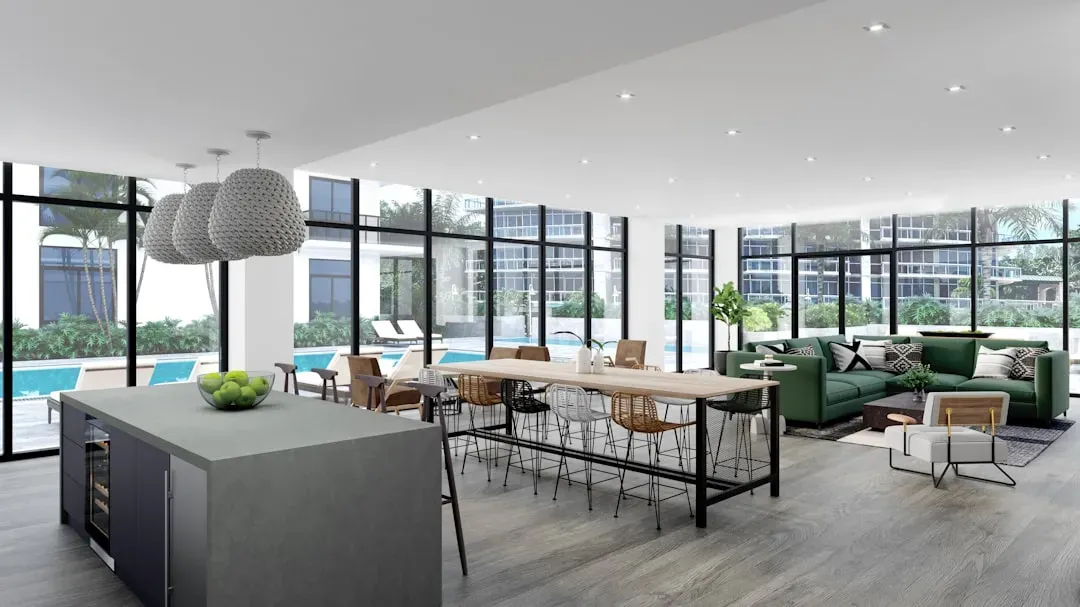
The word “downsizing” used to carry a whiff of compromise. The modern luxury condo has worked hard to change that framing. Luxury living in high-end condominiums extends well beyond your front door. Today’s high-end condominiums provide a range of amenities that rival the world’s most prestigious hotels. Residents enjoy access to private wellness centers that include spas, saunas, steam rooms, and treatment suites. On-demand services such as massage therapy and personal trainers are standard in many buildings.
Entertaining guests is effortless with access to private dining rooms, resident lounges, and rooftop terraces. Many buildings also offer unique features such as wine cellars, golf simulators, music rooms, and libraries. A well-appointed condo building, at its best, functions less like a residence and more like a private club where you also happen to sleep.
Recent luxury developments are being thoughtfully curated to appeal to emerging demographics, such as women, Gen X, and Millennials. These new projects incorporate a range of features including five-star amenities, walkable locations, eco-friendly designs, and climate-resilient technologies, reflecting the evolving preferences of today’s luxury buyers.
The Redefinition of Luxury Itself

What counts as a luxury feature has changed significantly in the past decade. Going back to 2006, luxury was granite and mahogany. In 2026, Zillow says it is pickleball courts and golf simulators, with listing mentions up 25%, alongside whole-home batteries up 40% and zero-energy-ready homes up 70%. The definition of desirability has been completely rewritten.
Listings show higher demand for privacy nooks, bold color use, wellness features, and energy resilience. Key metrics include reading nook mentions up 48%, color-drenching mentions up 149%, spa-inspired bathrooms up 22%, and sustainability features such as zero-energy-ready homes up 70%. These are not the preferences of people who want a bigger version of what they already have. They want something fundamentally different.
Luxury buyers are prioritizing homes that cater to health and wellness. Features such as home gyms, spa-like bathrooms, and outdoor spaces designed for relaxation are becoming must-haves. The square footage calculus has been replaced by a quality-of-life calculus, and the two do not always overlap.
The Walkability Factor
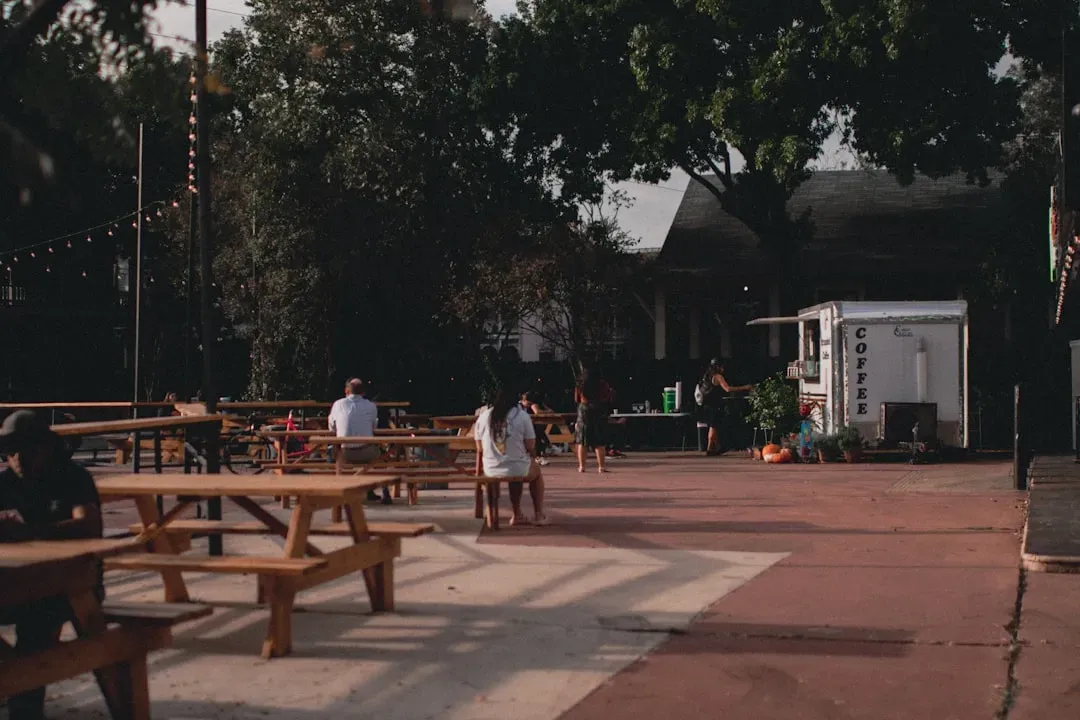
One of the clearest draws of urban condo living, particularly for downsizers leaving sprawling suburban homes, is walkability. Homebuyers are turning away from isolated developments in favor of walkable communities. According to the Urban Land Institute’s 2025 Emerging Trends in Real Estate report, demand for homes in mixed-use neighborhoods has increased by 19% since 2022.
Empty nesters and downsizers seeking to downsize from larger homes while retaining a prime city location and cultural access often find that their lifestyle prioritizes travel and experiences, rather than time-consuming property upkeep. The freedom to lock a door and leave without worrying about lawn care or a leaking roof is part of what they are buying.
Downsizing to a walkable coastal destination offers retirees and empty-nesters an opportunity to right-size into maintenance-free condos with resort-style amenities, walkable neighborhoods, and broader access to community life. The appeal goes beyond convenience. It is about being embedded in a place rather than marooned in a cul-de-sac.
Understanding the Real Costs of Condo Ownership

Trading a McMansion for a luxury condo is not a simple financial swap, and it pays to understand the full picture before signing anything. Condo maintenance fees are monthly payments made by unit owners to fund the condominium’s shared services, upkeep, and operational costs. These fees vary widely depending on the size of the unit, the services provided in a building, and the overall financial needs of the building.
In competitive coastal markets, these fees can be substantial. In 2025, Miami-Dade high-rise condominium HOA fees rose to a median of more than $1,900 per month, roughly $500 per month higher than the prior year. In many waterfront towers, fees accelerated even faster, with year-over-year jumps of roughly 26% as insurance and compliance pressures flowed straight into operating budgets.
As a general rule, the more services and amenities a building provides, the higher its operating costs. A luxury building with a pool, doormen, a gym, and concierge services will likely have higher maintenance fees than a more modest building with minimal staff. Buyers should scrutinize HOA reserve funds just as carefully as the finishes in the kitchen.
What Happens to the McMansion Left Behind

When downsizers exit their large suburban homes, those properties do not simply vanish from the market. Older Americans are expected to downsize, potentially putting more larger, older homes on the market. As of 2022, roughly one in six U.S. households were considered “empty nesters,” defined as people over 55 with no children at home who have at least two extra bedrooms and have lived in the home for over a decade.
The Wall Street Journal reports that most Americans aged 60 and older are not planning to move from their current homes. According to Redfin, homeowners in this demographic own 28% of houses with three or more bedrooms, typically occupied by one or two adult residents, and collectively hold roughly half of the $32 trillion in home equity. The hesitancy to leave is real and slows the anticipated inventory surge.
Many Boomers prefer to stay in their current homes, challenging expectations of increased inventory. According to a survey by Redfin, 78% of older American homeowners plan to stay in their homes as they age. The “silver tsunami” of housing supply that many analysts have been expecting remains a slow wave rather than a flood.
The Environmental Case for Going Smaller
Sustainability is not the primary reason most people downsize, but it is increasingly a reinforcing one. Environmental concerns are reshaping the American home. A 2025 survey by the National Association of Realtors revealed that 62% of buyers consider energy efficiency extremely important. Smaller homes naturally use less energy, making them easier to insulate and cheaper to heat or cool.
The EPA reported that new homes built in 2024 used 27% less energy on average than those built in 2012. A well-insulated urban condo with shared infrastructure starts to look considerably greener than a 5,000-square-foot house whose HVAC system runs year-round to condition rooms that rarely see anyone.
Changes in society are also affecting this shift. People want more flexibility, care about the environment, and are moving away from large homes, with more individuals choosing to downsize and consider smaller living options. Sustainability has graduated from a selling point to a baseline expectation for a growing segment of buyers.
Rethinking What Home Really Means in 2026
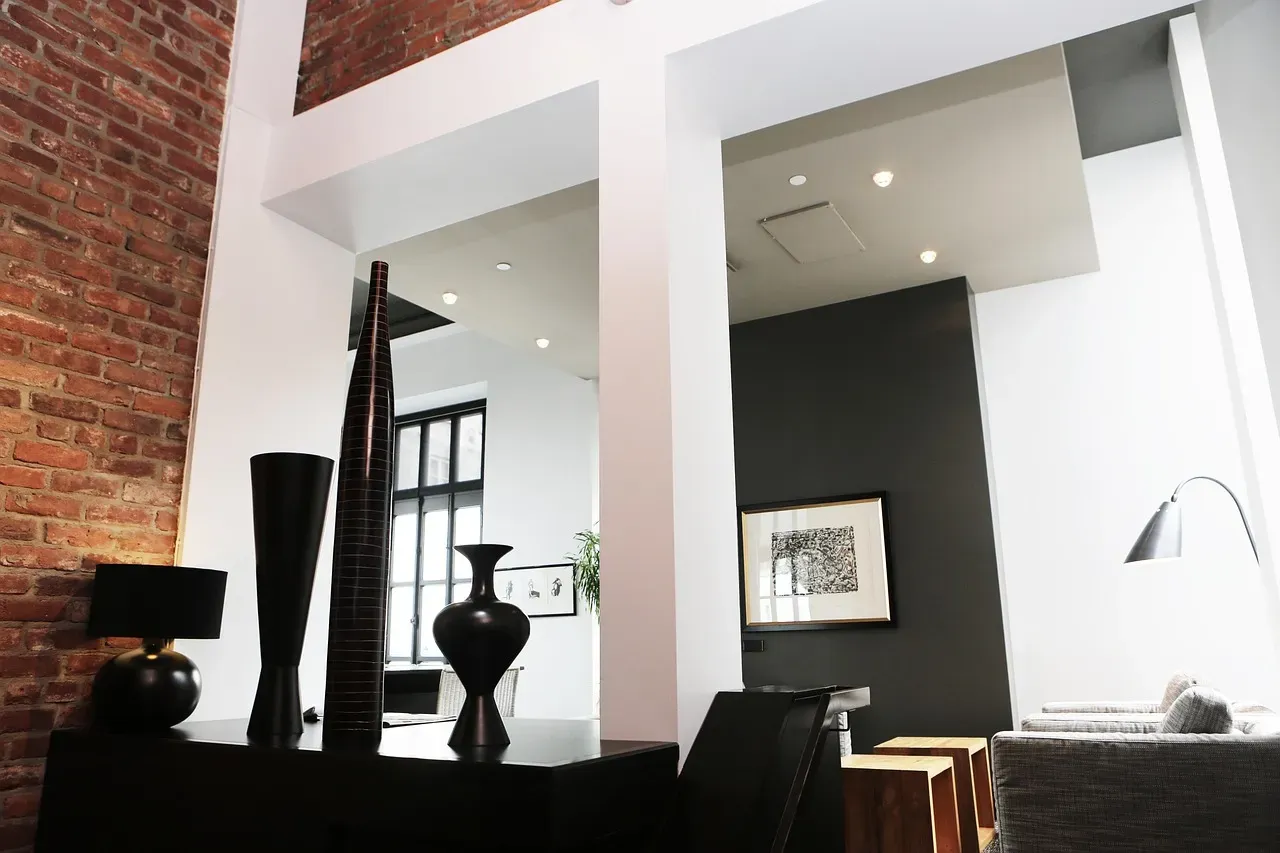
The luxury condo, at its best, is not a shrunken version of the McMansion. It is a different idea entirely. From property taxes and utilities to insurance and maintenance, downsizing frees up cash that can go toward experiences instead of expenses. For many, that means more family trips, college savings, or even early retirement.
In the past year, luxury single-family home prices increased by 7.6%, doubling the growth rate of the traditional market, which stood at 3%. Similarly, luxury condominiums saw price growth of 6.5%, also outpacing the 3% growth in traditional condo markets. This trend highlights the enduring appeal and strength of high-end real estate investments. Going smaller, in the luxury segment, has not meant going cheaper in terms of value appreciation.
The era of bigger for its own sake has been replaced by something more grounded, more efficient, and by most accounts, more honest about what a home is actually for. That may be the most durable shift of all: not just in where people choose to live, but in what they believe a home is supposed to give them. The desert dream, it turns out, does not require a five-bedroom floor plan to come true.