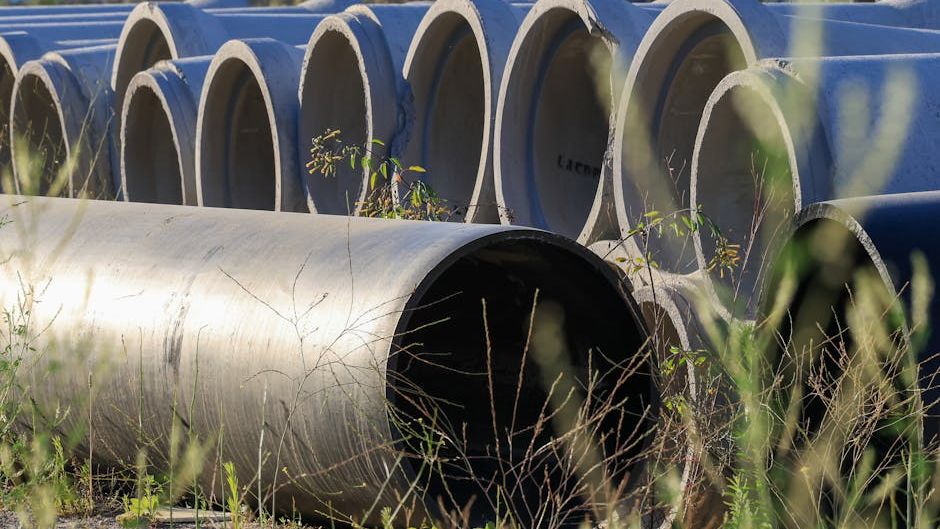
Altadena's latest rebuilding roadblock: Who pays the $70 million needed for sewage upgrades? – Image for illustrative purposes only (Image credits: Pexels)
Altadena residents are confronting a significant hurdle in their efforts to rebuild neighborhoods that currently depend on septic systems. The estimated cost to install proper sewer lines stands at around $70 million, raising questions about who will cover the expense. Hundreds of local homeowners now fear they could be required to contribute a portion of that sum, adding financial strain to an already challenging recovery process.
The Infrastructure Gap
Many areas in Altadena have long relied on individual septic tanks for wastewater management. Transitioning to a centralized sewer system requires substantial investment in new pipelines and connections. Without this upgrade, rebuilding efforts face delays that could affect property values and daily life for years to come. Local officials have identified the project as essential for long-term stability in these communities.
The scale of the work involves extending sewer lines across multiple neighborhoods. This step would replace outdated septic setups that no longer meet modern standards in some cases. Residents understand the need for reliable infrastructure, yet the price tag has created widespread unease about personal costs.
Who Bears the Financial Load
Homeowners in the affected zones worry that assessments or special fees could fall directly on them. Such contributions might range from thousands of dollars per household, depending on how the funding plan takes shape. The uncertainty leaves families calculating how this expense would fit into their rebuilding budgets alongside other recovery needs.
City leaders have not yet finalized a payment structure, leaving room for various options. These could include grants, bonds, or shared responsibilities between residents and public agencies. Discussions continue as stakeholders weigh the benefits of improved sanitation against the immediate economic pressure on individuals.
Key Factors Shaping the Outcome
Several elements will determine how the project moves forward and who ultimately pays. Timing plays a critical role, as delays in funding decisions could slow construction and extend the period of uncertainty. Environmental considerations also factor in, since modern sewer systems reduce risks associated with aging septic tanks.
Community input remains vital during the planning phase. Officials are expected to hold meetings to outline costs and gather feedback from those most directly impacted. The process highlights the broader challenges of infrastructure upgrades in recovering areas.
- Potential homeowner assessments or fees
- Availability of external funding sources
- Project timeline and construction phases
- Long-term maintenance responsibilities
The path ahead depends on reaching a consensus that balances fiscal realities with community needs. Until a clear funding plan emerges, the question of responsibility continues to weigh on those eager to move forward with their homes and lives.