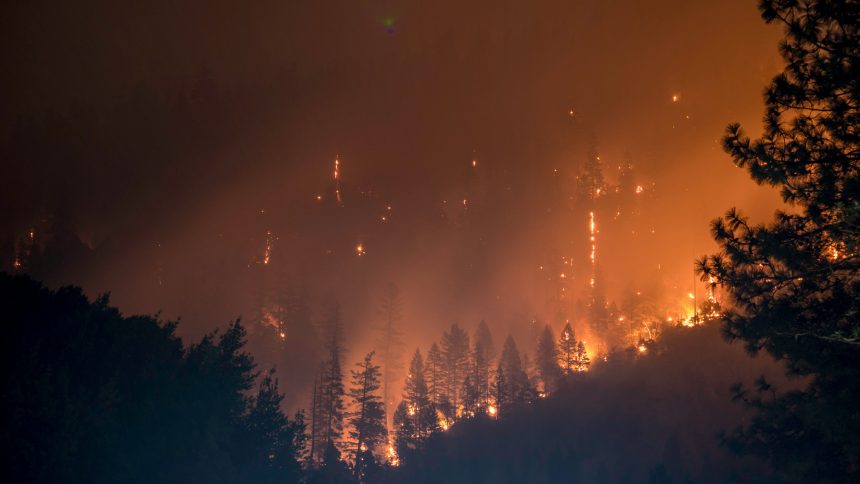
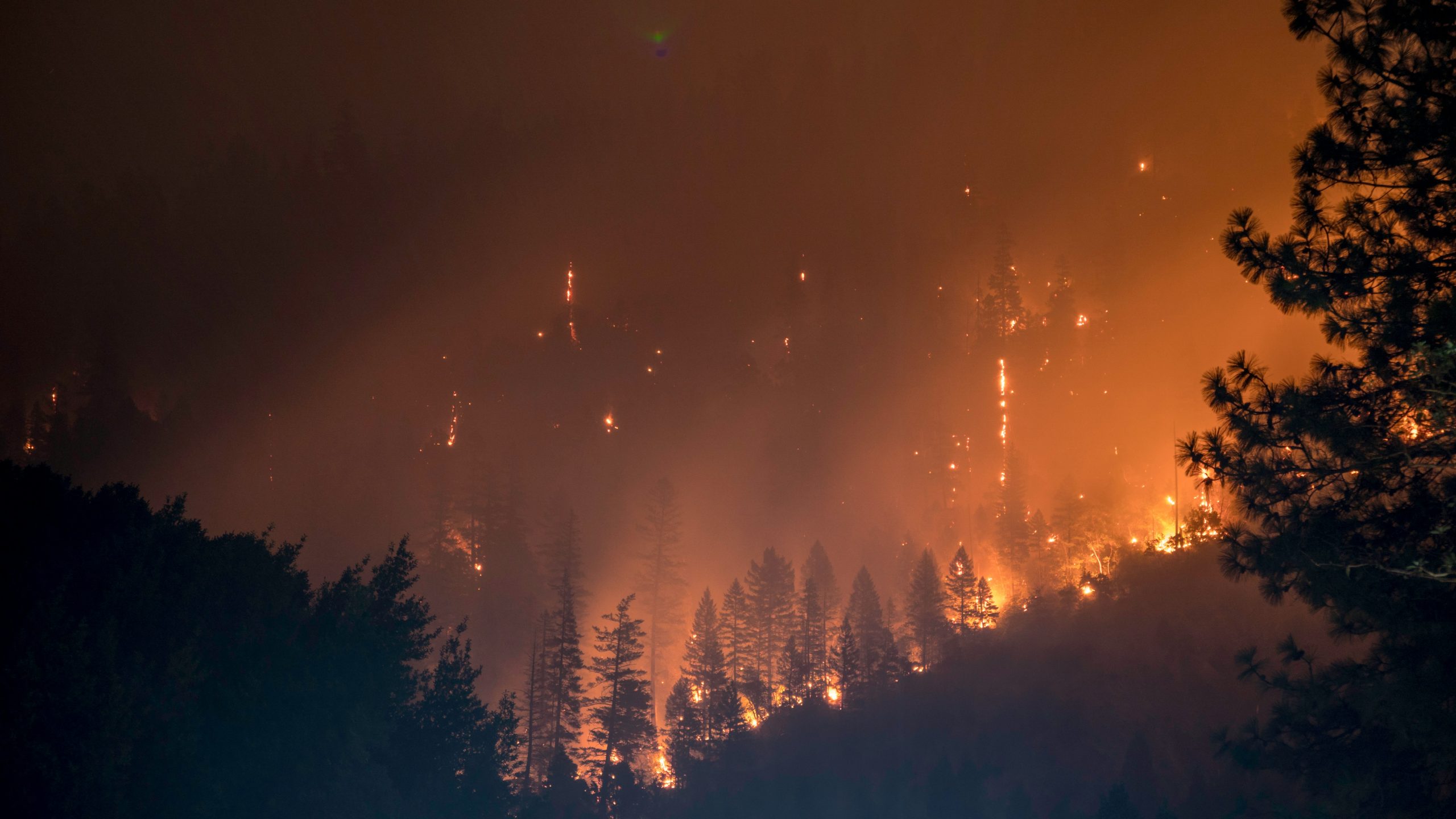
Santa Rosa Island fire burns more than 10,000 acres, threatening rare plants and animals – Image for illustrative purposes only (Image credits: Unsplash)
Santa Rosa Island – A human-caused wildfire erupted late Sunday and rapidly expanded across more than 10,000 acres of the remote Channel Islands location. The blaze destroyed two structures and forced the immediate evacuation of 11 people as crews battled to limit further spread. The incident has drawn attention to the island’s fragile ecosystem, which supports several rare plant and animal species found nowhere else.
Scale of the Blaze and Initial Response
Firefighters faced difficult terrain and shifting winds that allowed the flames to consume vast stretches of vegetation in a short time. Containment efforts focused first on protecting remaining structures and ensuring the safety of those still on the island. By Monday morning, the fire had already established itself as one of the larger incidents reported in the region this season.
Officials confirmed the human origin of the fire but have not released further details on the exact ignition point. Resources from multiple agencies were mobilized quickly to establish control lines and monitor flare-ups. The rapid growth underscored how quickly conditions can deteriorate in isolated island environments.
Threat to Unique Island Species
Santa Rosa Island hosts several endemic plants and animals that have evolved in relative isolation. The fire’s path through sensitive habitats has prompted concern among biologists monitoring the long-term recovery of these populations. Even partial loss of vegetation can disrupt food sources and nesting areas for years.
Conservation teams are now assessing which areas suffered the heaviest damage. Early reports indicate that some stands of rare shrubs and grasses were completely burned. Recovery plans will likely include reseeding and monitoring to prevent invasive species from taking hold in the scorched zones.
Evacuations and Community Impact
The 11 evacuees were moved to safe locations on the mainland with assistance from local emergency services. No injuries were reported among residents or responders. Officials emphasized that the priority remained protecting lives while crews worked to contain the perimeter.
Support services for those displaced included temporary housing and updates on when return might be possible. The small number of people affected reflects the island’s limited permanent population, yet the disruption still carries weight for families and workers tied to the area.
Looking Ahead
Fire officials expect containment to take several days given the size of the burn area and ongoing weather patterns. Investigators continue to examine the cause to prevent similar incidents in the future. The event serves as a reminder of how quickly natural landscapes can change under pressure from both human activity and environmental conditions.