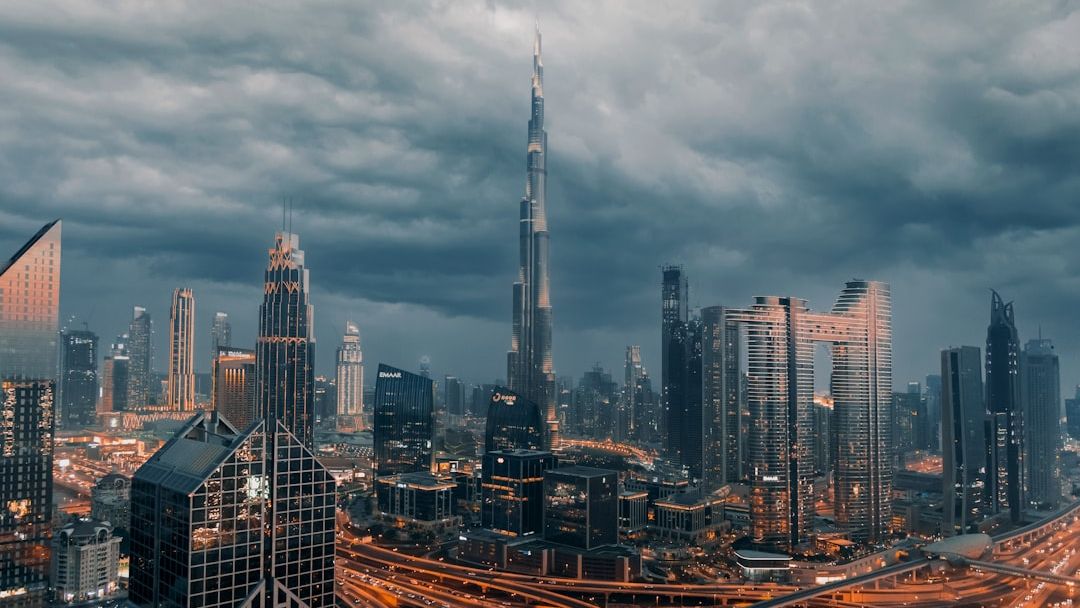
The UAE’s image as a Middle Eastern haven is tested by the Iran war – Image for illustrative purposes only (Image credits: Unsplash)
Dubai, United Arab Emirates – The United Arab Emirates has spent decades marketing itself as a stable hub for global commerce in a turbulent region. That positioning now faces direct pressure from missile and drone strikes tied to the Iran conflict, which began February 28. The country, located directly across the Persian Gulf from Iran, has absorbed more attacks than any other nation involved, forcing adjustments to its energy exports and daily operations.
Direct Strikes and Strait Disruptions
Iranian forces have targeted UAE territory multiple times, including a recent drone assault on the Barakah nuclear power plant in Abu Dhabi’s western desert. The facility reported no radiological release and continues to operate, yet the incident highlighted ongoing exposure. At the same time, Iran’s control over the Strait of Hormuz has cut the Emirates’ crude oil and natural gas exports by more than half.
Officials responded by accelerating plans for a second pipeline that would bypass the strait and double current capacity through Fujairah on the Gulf of Oman. The UAE also withdrew from OPEC to pursue longer-term production increases, a step under discussion before the conflict began. These moves reflect a shift toward greater energy independence while the standoff continues.
Tourism and Conference Sectors Feel the Strain
More than 70 scheduled events have been postponed or canceled since the war started, according to tracking by Northbourne Advisory. Organizers cited insurance and liability concerns rather than any government ban. Hotel occupancy in Dubai has dropped sharply, with Moody’s Analytics projecting rates as low as 10 percent in the June quarter compared with 80 percent before the fighting.
Emirates airline resumed nearly all flights from Dubai International Airport on May 4, yet fresh Iranian attacks that same day triggered alerts and renewed caution among business travelers. The airport has begun installing protective measures around jet fuel storage, though details remain limited. Analysts at the Institute of International Finance noted that Dubai’s openness leaves it exposed to shocks in travel and logistics, while Abu Dhabi’s financial reserves provide some buffer.
Leadership Signals Resolve Amid Economic Pressure
The UAE’s ruling family, led by Abu Dhabi’s Sheikh Mohammed bin Zayed Al Nahyan, has pursued a more assertive foreign policy in recent years. This includes involvement in Yemen against Iranian-backed forces and support for regional political shifts. Sheikh Mohammed visited wounded residents in March and warned that the country’s polished exterior masks a tougher core.
The Foreign Ministry stated the UAE will not tolerate threats to its security and reserves the right to respond with diplomatic or military measures. Despite cash reserves that have so far prevented widespread job losses or business exits, prolonged uncertainty risks damaging the image that has attracted international investment for decades.
Key developments so far:
- Exports of oil and gas halved due to Strait of Hormuz restrictions
- Over 70 events postponed or canceled since February 28
- Second pipeline project accelerated to bypass the strait
- Hotel occupancy projected to remain low through 2026
Business leaders and artists who attended an abbreviated Art Dubai event this past weekend described the tension as both a challenge and a reason to continue. One participant noted that cultural activity can counter narratives of violence, while another emphasized the need to engage with the region’s realities. The coming months will show whether these efforts can restore a sense of normal operations or whether the conflict’s effects deepen.