There’s a particular kind of disappointment that comes from watching a film build something extraordinary over two hours, only to lose its nerve at the very end. The final scene of a movie isn’t just a conclusion. It’s a statement. It tells you what the story was actually about, and whether the filmmakers trusted you enough to follow them there.
Hollywood has a long, complicated history with endings. With so much money on the line, most studios reserve the right to choose the final cut of a film, which can be hugely influenced by preview audiences’ reactions. The results aren’t always improvements. Some of cinema’s most resonant original endings were quietly swapped out for something safer, and the films paid the price in ways critics and fans still argue about today.
1. Blade Runner (1982): A Masterpiece Buried Under Happy Endings and Forced Narration
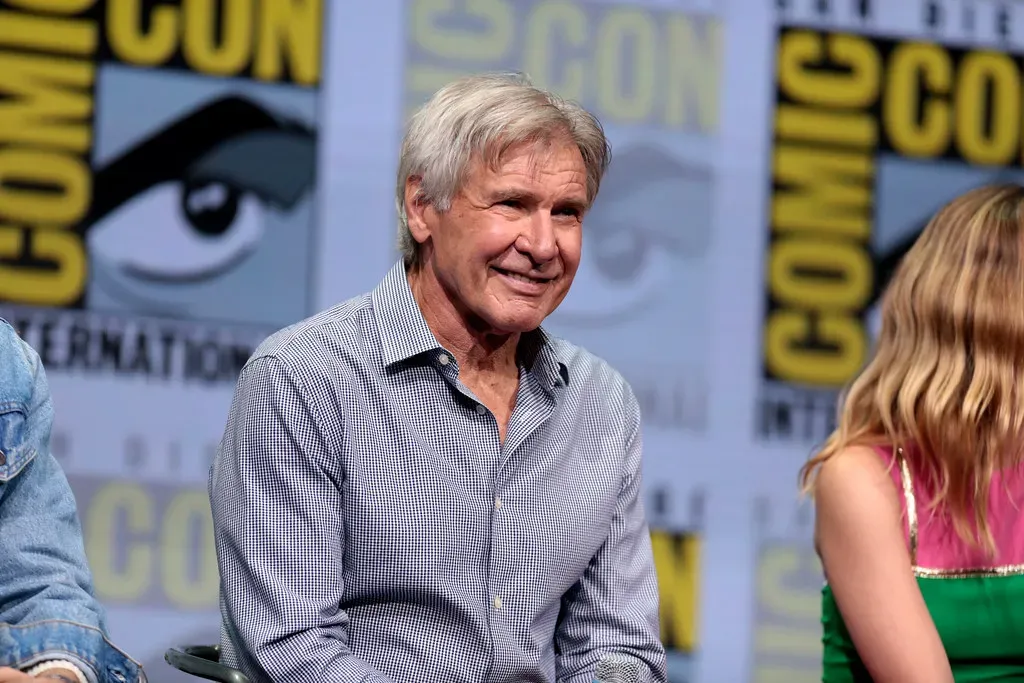
A workprint version shown to test audiences early in 1982 was badly received, so a “happy ending” and voiceover narration were added for the U.S. theatrical release that June. Ridley Scott had no control over this, and Harrison Ford strongly objected to being called back by the film’s backers to record the narration. The result was one of the most infamous cases of studio interference in cinema history.
The theatrical cut has a more traditional happy ending, which ironically was brought to life with B-roll footage from Stanley Kubrick’s iconic horror film The Shining. This ending was dictated by the studio and was not a creative decision that aligned well with the rest of the movie. The happier ending is inconsistent with Blade Runner’s tone and feels particularly jarring shortly after witnessing the moving death of Roy Batty. Scott’s intended conclusion, restored in later cuts, quietly implies that Deckard himself may be a replicant, which gives the film’s entire title a devastating second meaning.
2. Fatal Attraction (1987): Trading Psychological Depth for Bathroom Carnage
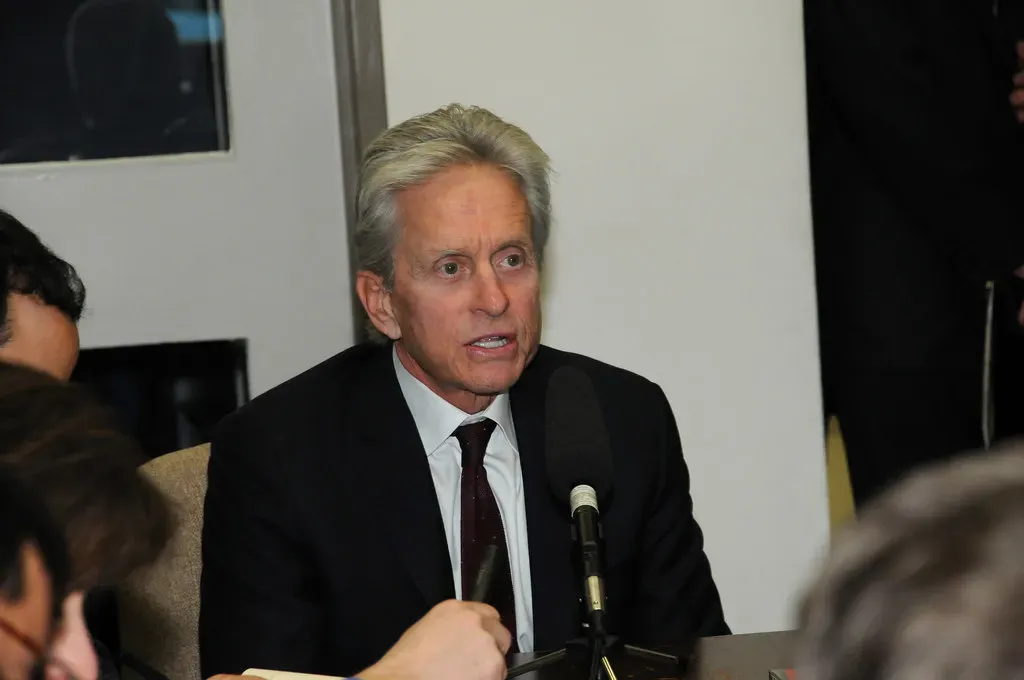
The original ending of this 1987 thriller was far more psychologically nuanced than what audiences saw. Director Adrian Lyne initially filmed Alex committing suicide while framing Dan for her murder, forcing him to face consequences for his infidelity. It was a bleak, morally complicated conclusion, one that punished the unfaithful husband as much as the obsessive lover.
Alex Forrest was originally scripted to commit suicide and make it look like Dan murdered her, for which he is arrested. Test audiences did not respond well to this finale, mainly due to a lack of revenge from Beth and the family. This resulted in a three-week re-shoot for the action-filled sequence in the bathroom and Alex’s death by shooting. The rejigged ending transforms Alex from an obsessive ex-lover to a slasher movie killer. It’s a bombastic and memorable ending, but not one which necessarily suits the film preceding it.
3. I Am Legend (2007): The Alternate Ending That Made the Title Actually Make Sense
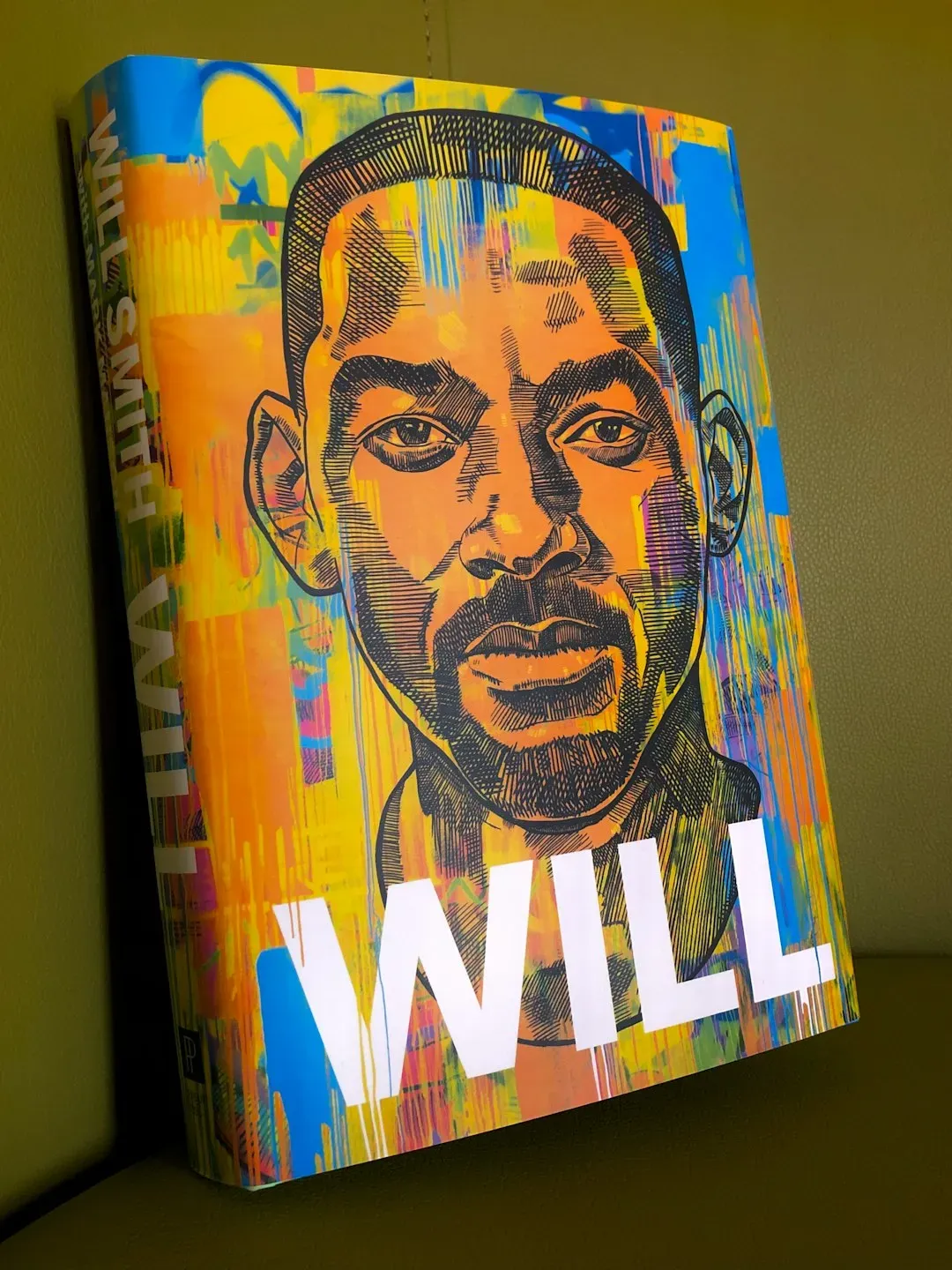
Will Smith’s apocalyptic thriller originally concluded with a shocking revelation: the creatures hunting him were actually sentient beings trying to rescue one of their own that Smith’s character had captured. The original ending revealed Smith as the true monster of the story from the creatures’ perspective. This is the ending that fulfills the novel’s central irony, the one that justifies the film’s title entirely.
While the conclusion of the movie was meant to show that the vampires were only trying to get back their friend while Will Smith was really the villain, it ended up with the character fighting against the mutants as the studio felt audiences would react better to that. Not only did this spoil the entire meaning of the story but also made many of the elements leading up to the ending pointless. Test audiences apparently hated the idea that Will Smith might be the monster in someone else’s story, so the studio swapped it for the grenade ending instead.
4. Pretty Woman (1990): From Cautionary Tale to Fairy Tale
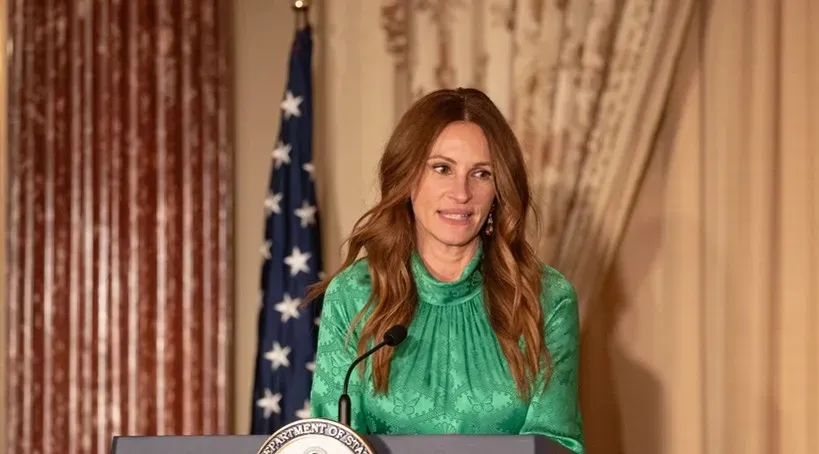
This beloved romantic comedy underwent one of Hollywood’s most dramatic tonal shifts. The original script, titled “3,000,” was a gritty exploration of prostitution and class disparity in Los Angeles. The ending had Vivian and Kit on a bus to Disneyland after Edward throws money at Vivian from his car and drives away, a bleak commentary on transactional relationships. It was a dark, honest film about power and exploitation.
Partner offer
When Disney acquired the project through its Touchstone label, executives insisted on a more uplifting twist. The rewrite turned Vivian into a modern Cinderella and Edward into her Prince Charming, transforming the film into a box office powerhouse. This switch wasn’t just about sunny optimism; it was a strategic decision for broader commercial appeal. The new ending helped Pretty Woman rake in over $460 million globally and cemented Julia Roberts as America’s sweetheart. Whether you consider that a win depends entirely on whether you think film should comfort or confront.
5. Little Shop of Horrors (1986): A $5 Million Apocalypse Nobody Got to See
Frank Oz’s 1986 musical initially remained faithful to the stage production, ending with Audrey II conquering Earth in a spectacular sequence featuring massive animatronic plants destroying cities. This 23-minute finale cost $5 million and took months to film. However, test audiences hated watching beloved characters Seymour and Audrey die, finding it too depressing for a musical comedy. The irony is that the stage version it was based on had always ended this way, and audiences loved it.
The studio ordered reshoots, giving the couple a happy suburban ending where they defeat the plant. The original ending, one of the most expensive sequences ever cut from a film, was nearly lost before being restored and released on home video decades later. The original, apocalyptic conclusion was deemed too grim and replaced after test audiences recoiled. Decades later, the footage was restored and became a cult sensation, offering a glimpse into a much darker world. It’s a rare case where you can actually watch both versions and judge for yourself.
6. Get Out (2017): Jordan Peele’s Darker Original Vision Was Scrapped After Test Screenings
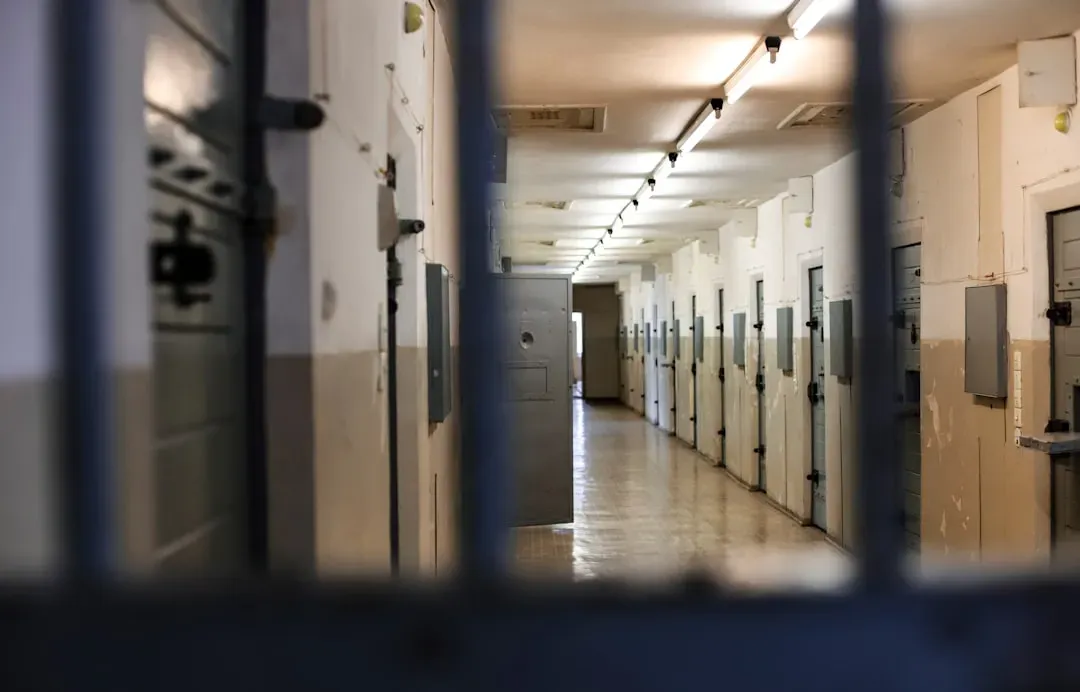
In the originally intended ending for Get Out, Chris isn’t picked up by Rod at the end and driven to safety. Instead, he’s arrested by the police for the murders of the Armitage family, and taken to jail. Rod is then seen visiting Chris, seemingly trying to get enough information on what happened to convince the authorities that Chris’ killings were in self-defense. However, Chris seems resigned to the fact that he’s never getting out.
Get Out’s alternate ending, while much darker, was intended by Jordan Peele to reflect a realistic outcome to Chris’ scenario, and drive home how racially biased the American justice system often is. However, after the film underwent test screenings, Peele changed his mind, and decided that both Chris and audiences deserved a happier ending. The theatrical version works brilliantly on its own terms, but there’s a harder, more uncompromising film buried underneath it. Get Out achieved widespread acclaim upon release, grossing over $255 million against a $4.5 million budget.
7. The Butterfly Effect (2004): The Most Disturbing Ending Ever Filmed Goes Straight to DVD

The original cut of The Butterfly Effect sees Evan watch a home video of his mother pregnant with him and return to the memory of himself as a fetus. Convinced that his very existence has ruined the lives of those around him, he strangles himself with his umbilical cord and dies, stillborn. It’s a genuinely shocking conclusion, but one that tracks perfectly with the film’s entire logic about how Evan’s existence creates suffering no matter what he changes.
Early test audiences and studio executives balked at the darkness. The theatrical release offered a less shocking resolution: Evan erases himself from his love interest’s life, accepting a quieter kind of sacrifice. This change made the movie more accessible, though diehard fans still debate which ending is more powerful. The alternate ending, included in DVD releases, has become a cult favorite for those seeking a bleaker take. The theatrical version isn’t bad, exactly, but stripped of its original finality, the film loses the one thing that made it genuinely unforgettable.
What connects all seven of these films is a pattern that’s easy to trace. A filmmaker builds something with a specific emotional destination in mind. Test audiences or studio executives push back. The ending softens, brightens, or resolves in ways that contradict everything that came before. Sometimes, as with Get Out, the change produces something that works just as well. More often, you’re left watching a film that doesn’t quite believe in itself by the time the credits roll. The original endings, shelved on DVDs or buried in production histories, remain as quiet evidence of what Hollywood movies could have been if the industry were just a little more willing to trust the dark.
Partner offer
Planning a trip to Vegas?
Compare hotel rates and show tickets on VEGAS.com.