Hollywood runs on timing. The right script lands on the right desk at the right moment, and a career can shift completely in one direction. Most actors pass on roles regularly, for perfectly reasonable reasons, and nobody ever finds out. The project fades, the moment passes, and life goes on.
Other times, though, the project they passed on becomes a cultural landmark. The actor who replaced them becomes a household name. And the person who said no is left watching from the sidelines, wondering what might have been. These are the stories that linger longest in Hollywood history.
Kevin Costner and The Shawshank Redemption: A Detour Through Waterworld
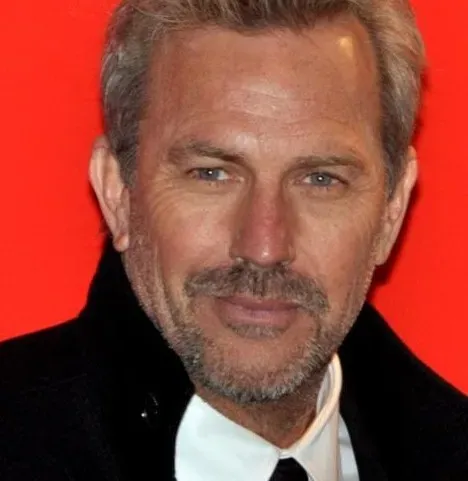
In the 1990s, Kevin Costner was a major star, so a lot of directors and producers wanted him in their movies. This was the case for the people working on The Shawshank Redemption, who offered Costner the role of protagonist Andy Dufresne, which he turned down to act in the action movie Waterworld, which ended up being a massive flop. The decision was a turning point that many film historians still point to as the moment Costner’s career lost its footing.
The Shawshank Redemption went on to have a lasting impact. In 2015, the United States Library of Congress announced they were preserving the film in the National Film Registry for being “culturally, historically, or aesthetically significant.” Costner has since said that he strongly regrets letting Tim Robbins take the role. Waterworld, by contrast, became one of the most notorious box office disasters of the decade.
Will Smith and The Matrix: When Wild Wild West Won the Coin Toss
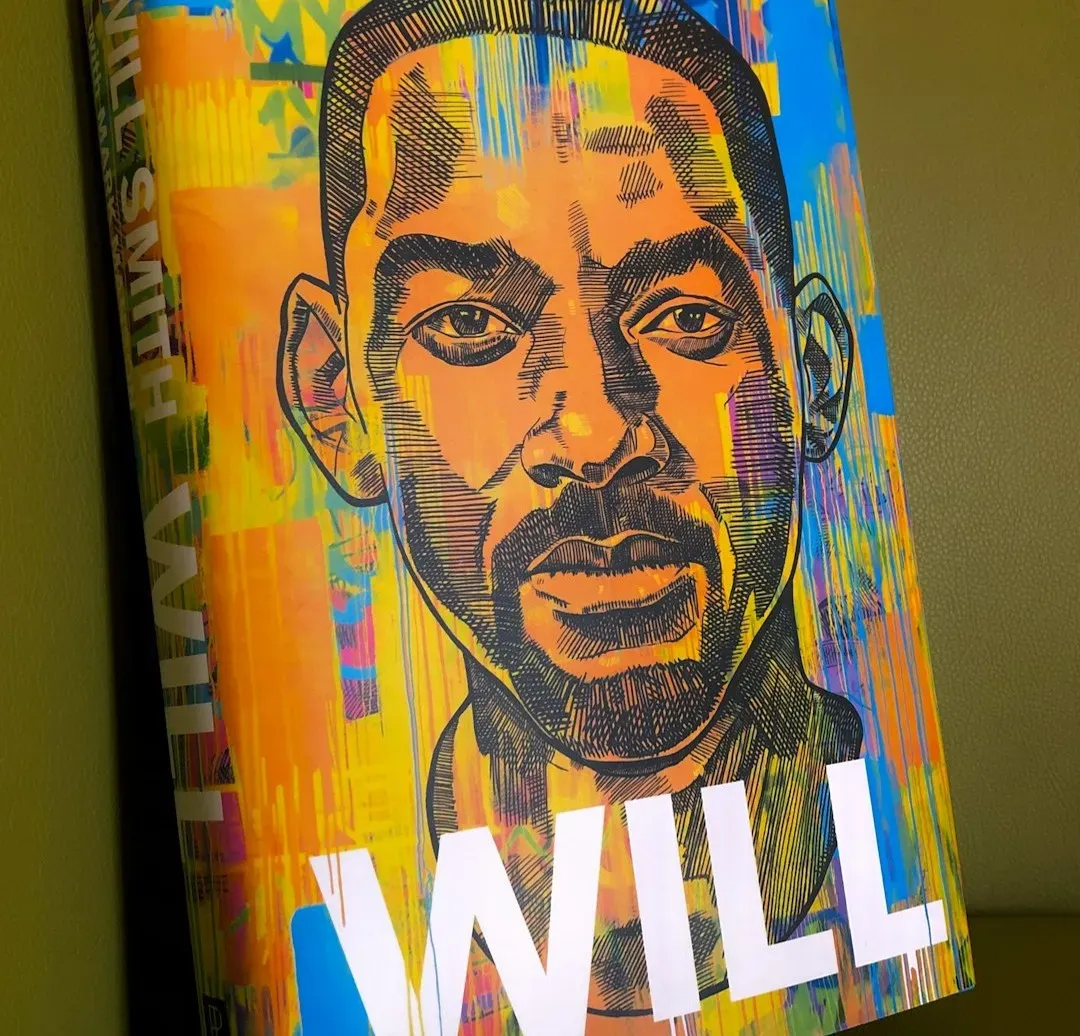
Will Smith was the first choice for the lead role of Neo in the incredibly successful sci-fi franchise The Matrix. He says that he turned it down because he didn’t understand the movie and knew that he wouldn’t be able to give the role the respect it deserved. Instead, Smith went on to star in the action comedy Wild Wild West, and the role of Neo went to Keanu Reeves.
Unfortunately for Smith, The Matrix became The Matrix and spawned two sequels, as well as video games, comic books, action figures and more, generating more than three billion dollars in revenue and becoming one of the most successful franchises in history. Smith has said that if he could go back in time he would advise his younger self: “hey man, don’t do Wild Wild West. I would say ‘dude, do Neo.'” Wild Wild West, meanwhile, was savaged by critics and audiences alike.
Burt Reynolds and Han Solo: A Galaxy He Could Have Ruled
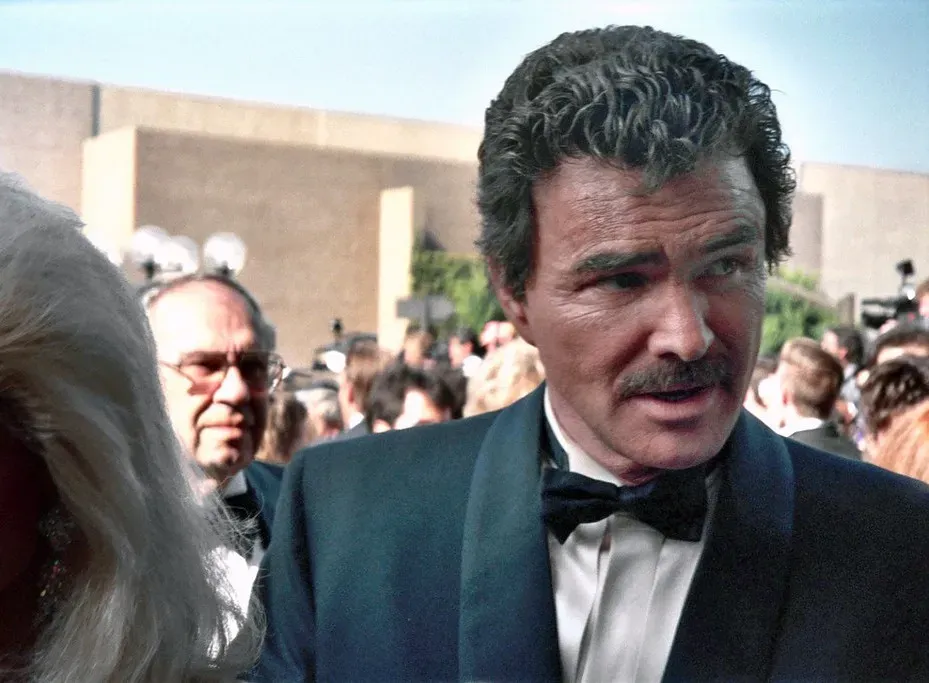
Burt Reynolds once revealed a missed opportunity that left him with lingering regret. Reynolds admitted that passing on the chance to play the legendary character Han Solo in Star Wars was a decision he wished he could undo. At the time, he claims the role just didn’t appeal, and he wasn’t a fan of science fiction.
The decision ultimately allowed Harrison Ford to shine as he stepped into the boots of the charming smuggler. While Reynolds continued to enjoy a successful career in film and television, he acknowledged that the role of Han Solo could have been a defining moment in his career. Reynolds also turned down the role of Garrett Breedlove in Terms of Endearment, which went to Jack Nicholson, who won an Academy Award for Best Supporting Actor. Nicholson’s success was painful for Reynolds, who never won an Oscar.
John Travolta and Forrest Gump: A Chair He Left Empty
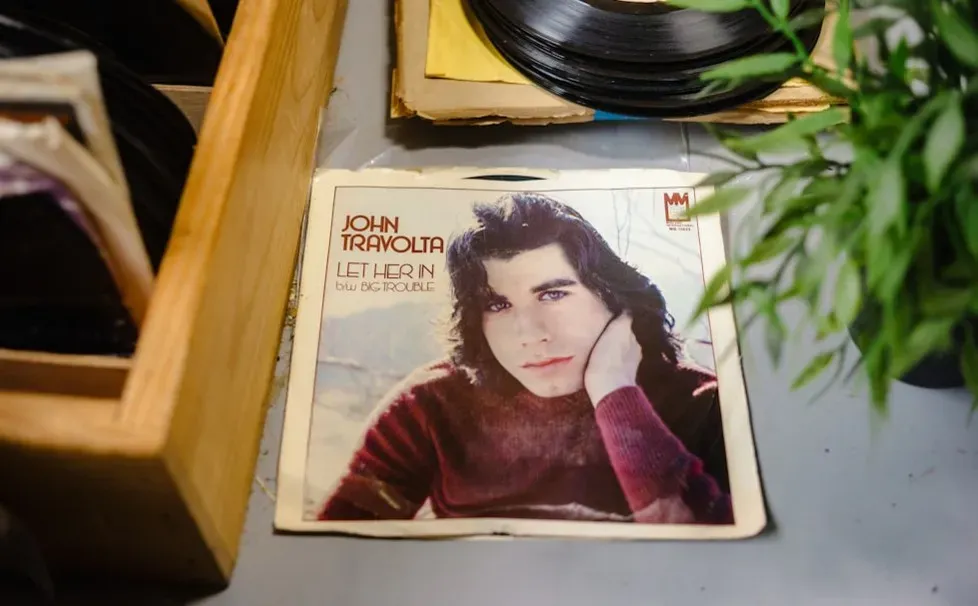
The classic role of Forrest Gump was initially offered to John Travolta. He declined the part and has since openly admitted that passing on the role was one of the biggest mistakes of his career. Tom Hanks ultimately took the role and delivered one of the most celebrated performances in American cinema, winning the Academy Award for Best Actor in the process.
Travolta had enjoyed enormous success with Grease and Saturday Night Fever in the 1970s, but his career had cooled considerably by the early 1990s. Forrest Gump could have reignited his standing at the top of the industry. Instead, it was Pulp Fiction in 1994 that briefly brought him back into the spotlight, though that momentum also proved difficult to sustain long term.
Ray Liotta and The Sopranos: A Television Empire He Walked Away From

After Ray Liotta’s performance as Henry Hill in Goodfellas, he was a prime candidate for the role of Tony Soprano in the HBO series The Sopranos. However, he decided that he wanted to work on his film career and let James Gandolfini play the character. What followed was one of the most significant miscalculations in television history.
The Sopranos ran for eight years, won dozens of Emmy Awards, and permanently raised the bar for long-form television drama. Gandolfini became a cultural icon, and his portrayal of Tony Soprano is still regarded as one of the greatest performances in the medium’s history. Liotta’s film career, meanwhile, never reached the heights that the Sopranos platform almost certainly would have provided.
Josh Hartnett and Batman Begins: A Franchise He Walked Away From
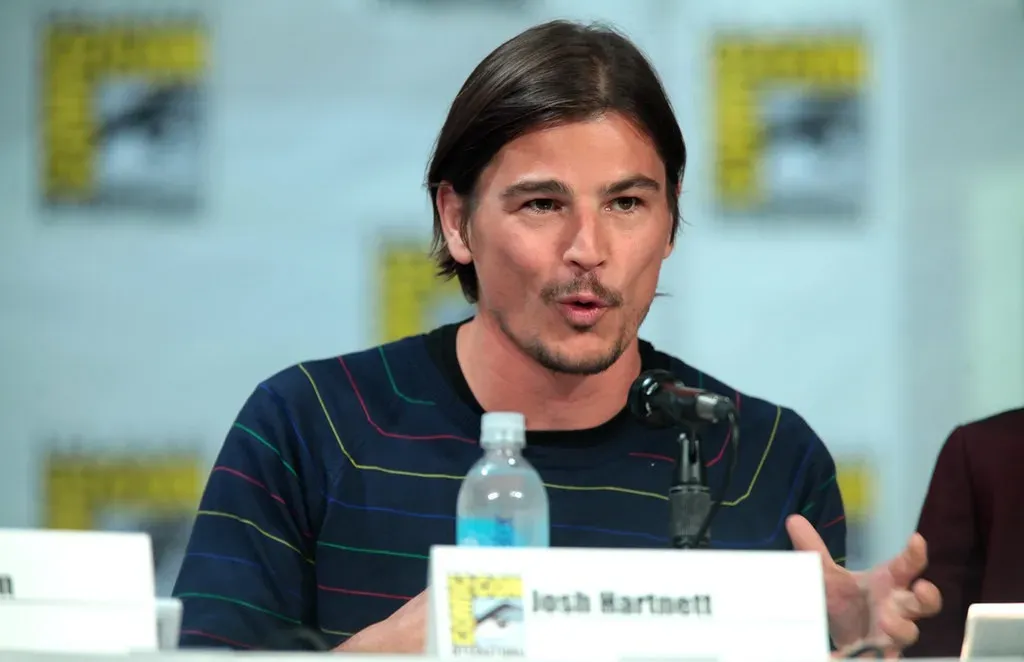
Through the early part of the 2000s, there were few young actors as exciting as Josh Hartnett. This popularity put him in the box seat to star in Christopher Nolan’s now revered Dark Knight Trilogy, with him being one of the main actors pursued to feature as Bruce Wayne in Batman Begins. However, Hartnett was wary of being pigeonholed and wanted to spend some time away from Hollywood, leading him to decline the offer.
Speaking with The Guardian in 2015, Hartnett conceded that the decision was a mistake, one that did have an impact on the prospects of his career, inferring that turning down certain people made him less likely to be considered for future roles. The actor also turned down the role of Bruce Wayne, and both parts eventually went to Christian Bale. The Batman Begins trilogy became one of the most acclaimed superhero franchises ever made, and Hartnett’s mainstream Hollywood presence never recovered its earlier momentum.
Christina Applegate and Legally Blonde: Fear of a Typecast That Wasn’t There
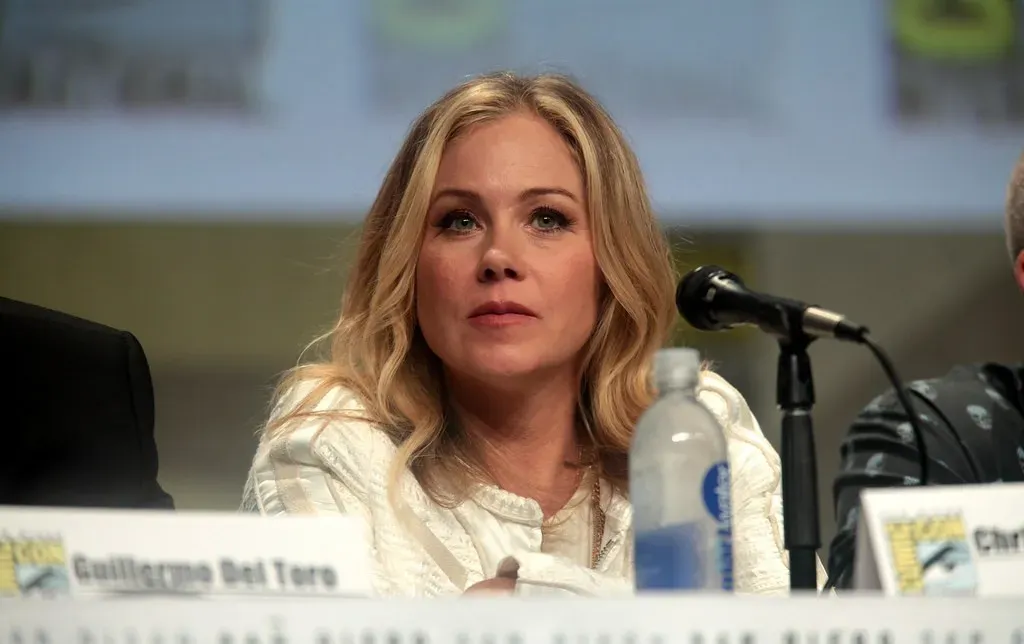
Scared of being typecast as a “dumb blonde,” Christina Applegate turned down the role of Elle Woods in Legally Blonde. The actress now realizes this was “a stupid move.” Having concluded her work on the TV sitcom Married with Children just four years prior, Applegate felt as though the role of Woods was far too similar to that of the teenage daughter she had portrayed for the better part of a decade.
Legally Blonde is one of the most successful comedy movies ever helmed by a woman. Spawning a sequel and becoming iconic, it helped make Reese Witherspoon a household name. Witherspoon’s career skyrocketed after the film, leading to an Oscar win for Walk the Line in 2005. Applegate, though a genuinely talented performer, never found a film role of comparable reach.
Sean Connery and The Matrix: A Script He Simply Could Not Decode
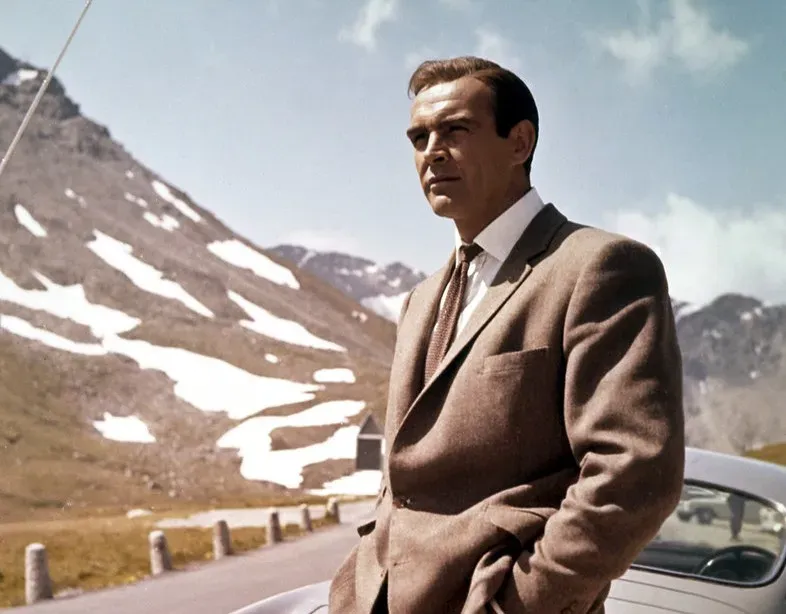
Just as Connery struggled with the concept of The Lord of the Rings and ultimately turned it down, he faced a similar challenge with The Matrix. The complex and futuristic nature of the script seemed to pose difficulties for the veteran actor, leading him to decline the role. Ironically, much like The Lord of the Rings, The Matrix went on to become a massive success, both critically and commercially, solidifying its place in cinematic history.
Best known for his work as Bond, the Scottish actor famously didn’t understand the material. He received an unprecedented contract offer, giving him thirty million dollars outright and fifteen percent of the franchise’s box office. This would have secured him around four hundred and fifty million dollars altogether. It stands as one of the most staggering financial miscalculations in the history of the entertainment industry.
Montgomery Clift and On the Waterfront: The What-If That Haunts Film History
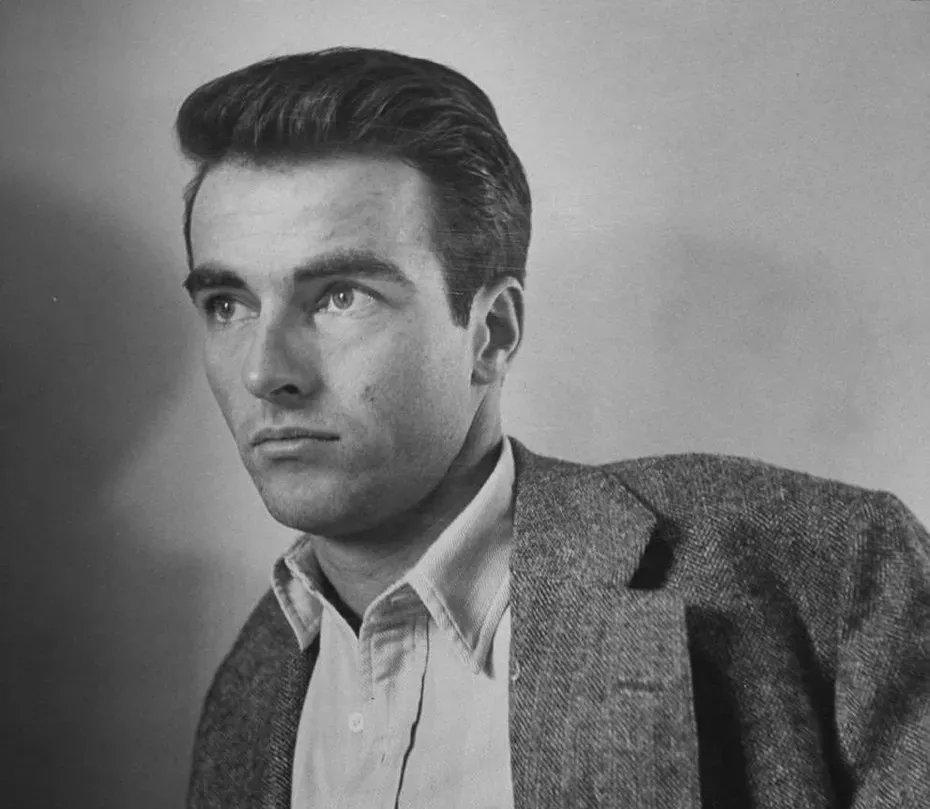
Alongside Marlon Brando and James Dean, Montgomery Clift was among the biggest movie stars of the 1950s to practice method acting. Throughout his relatively short career, he memorably starred in pictures like The Search, A Place in the Sun, and From Here to Eternity. Clift is almost more famous for the movies he turned down, which include seismic films like Rope, Sunset Boulevard, High Noon, and War and Peace.
Arguably the biggest movie Clift skipped on was On the Waterfront. Clift was at one point offered the role of longshoreman Terry Malloy. For unknown reasons, Clift passed, which gave Marlon Brando the chance to forever imprint on audiences the tragedy of being dealt losing cards in life. Brando’s performance became one of the most studied in acting history, and the film won eight Academy Awards. Clift’s career, plagued by personal troubles in subsequent years, never scaled those heights.
Paul Giamatti and The Office: A TV Show He Thought Was Beneath Him
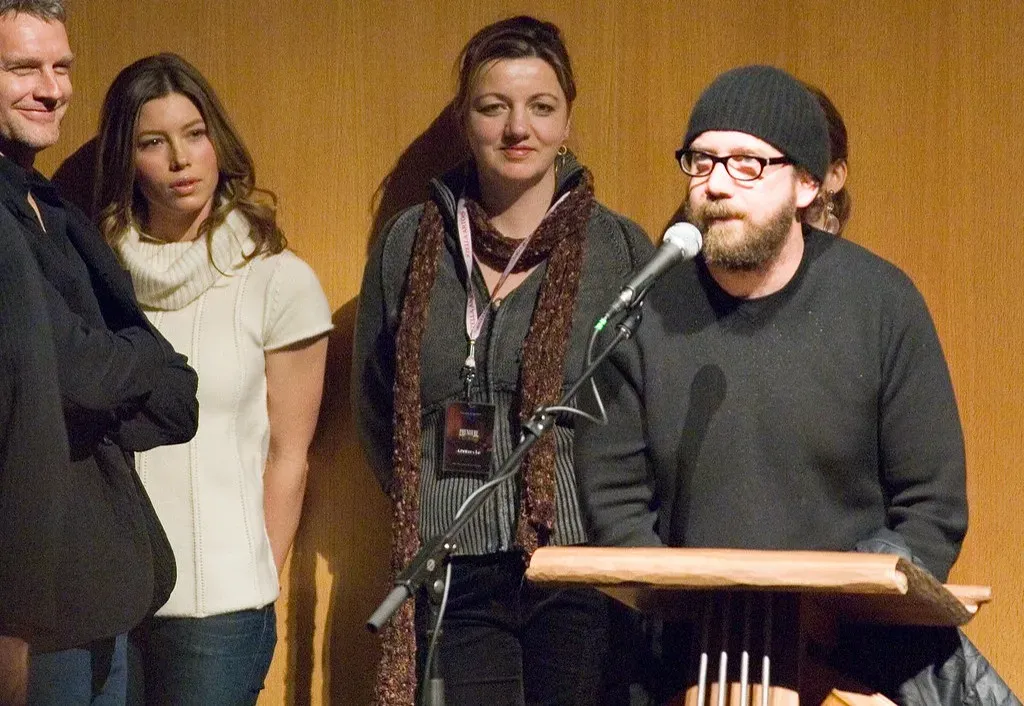
Paul Giamatti was the first choice to play Michael Scott in The Office. The actor was still riding a wave of publicity after his successful movie Sideways and didn’t like the idea of appearing in a TV show. He turned the part down, and it became a major launching pad for Steve Carell. At the time, network television still carried a stigma in certain corners of Hollywood, and Giamatti clearly felt the material was a step down from his growing prestige in film.
Steve Carell’s portrayal of Michael Scott ran for seven seasons and made him one of the most beloved comedic actors of his generation. It opened the door to films like The 40-Year-Old Virgin, Little Miss Sunshine, and eventually an Academy Award nomination for Foxcatcher. Giamatti, though a respected and award-winning actor in his own right, missed what would have been a far wider cultural footprint than any single film could have offered him.