There’s a quiet but persistent argument running through acting studios, coaching sessions, and film sets: that most performers are doing too much. Not failing to commit, not lacking energy, but actively adding layers that muddy what the audience actually needs to feel. The more decorated the performance, the further it tends to drift from truth.
Minimalist acting isn’t about doing nothing. It’s a discipline rooted in the belief that restraint, precision, and presence carry far more weight than effort you can visibly see. These six habits, coaches and directors say, are the ones worth examining honestly before your next performance.
Indicating Emotions Instead of Living Them
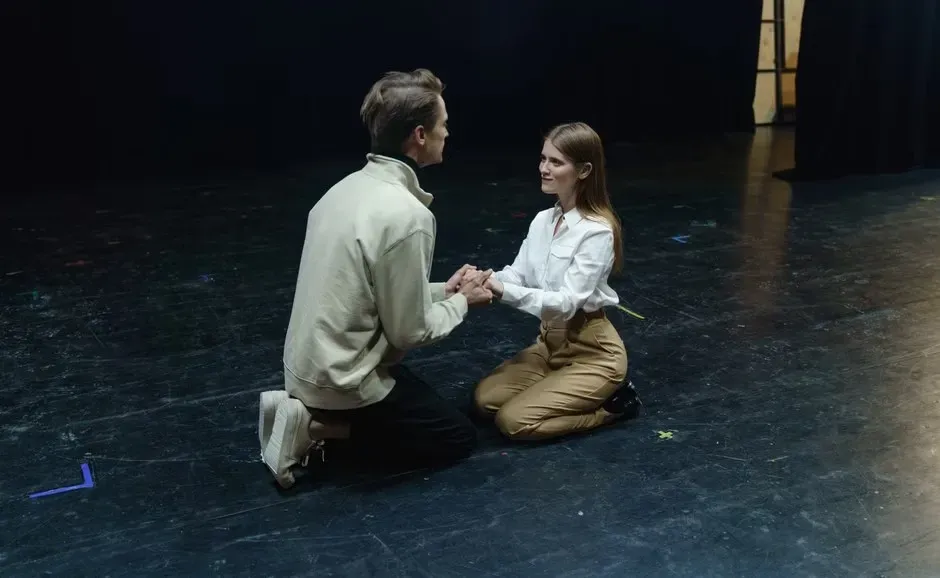
Overacting is sometimes described as when an actor “exaggerates an action, tone, reaction, characterisation, or performance with the intention to convey an emotion that is already obvious.” This is the heart of what acting teachers call “indicating” – showing the audience what you feel rather than simply feeling it. The difference sounds subtle, but on screen it reads as glaring.
A great film actor doesn’t perform emotions – they experience them. The camera sees everything. It picks up the slightest hesitation, a shift in breath, or a flicker of doubt. When you indicate, you signal. When you live it, the audience follows. Minimalists argue there’s no shortcut around this distinction, and no amount of technique compensates for skipping it.
Pushing for Emotion Rather Than Letting It Arrive

Many actors fall into the trap of chasing emotions, trying to force themselves to feel sadness, anger, or love. However, emotions should emerge naturally from the situation rather than being artificially imposed. This chasing is exhausting to watch. When an actor strains toward a feeling, the audience senses the strain first and the emotion second, which inverts the entire purpose of the moment.
Emotion must ebb and flow, and should never be forced or pushed out. This seems like a simple statement to make, but applying this insight in acting is one of the hardest things to grasp. The Meisner tradition builds its entire framework on this premise: when you respond truthfully to what’s happening around you, the emotion takes care of itself. Pushing is almost always a sign that something earlier in the preparation was skipped.
Telegraphing Every Beat Before It Happens
Telegraphing in performance means conveying information to the audience through acting or nonverbal clues, providing a clear hint of the meaning or outcome of a dramatic action. Telegraphing may undercut suspense by advance disclosure or extreme hinting of an element in a composition, narrative plot, or recitation. In practice, it looks like the actor loading up before a big line, or visibly preparing a reaction before the trigger for that reaction has even occurred. Audiences feel it immediately, even if they can’t name it.
Minimalist performers work to stay genuinely present in each moment, so their responses arrive when the scene demands them, not a beat early. Stanislavski emphasized that characters don’t dwell on their feelings; they pursue goals. If you focus on what your character needs in the scene, the appropriate emotions will arise organically. That organic arrival is exactly what telegraphing destroys.
Excessive Physical Fussiness and Gesture
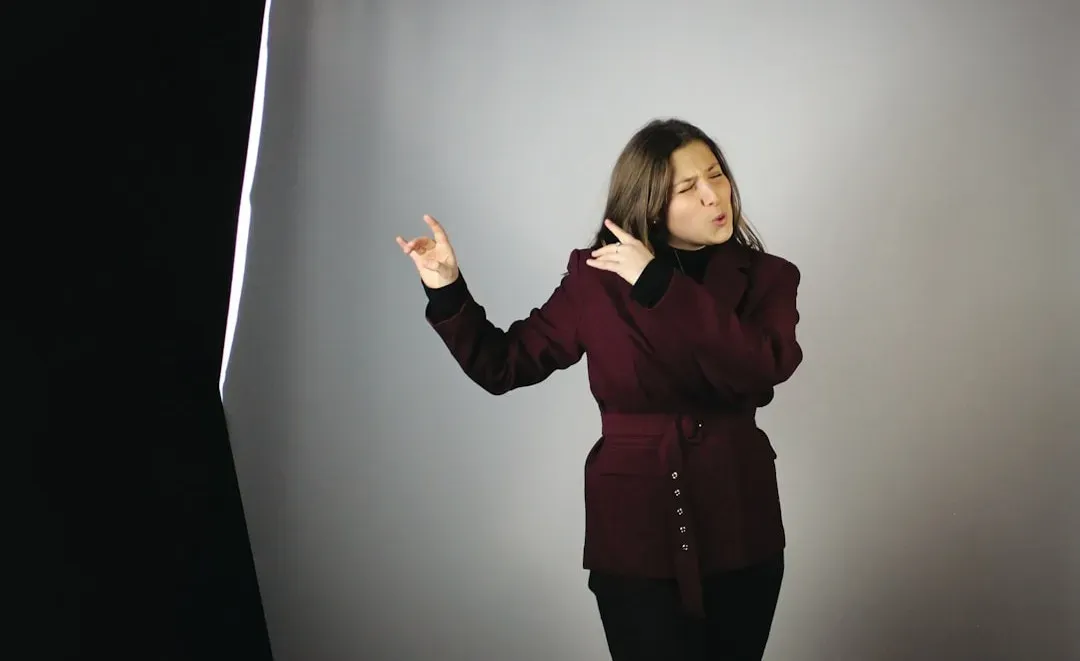
If you find yourself doing a lot of general physical things – whether it’s groping your scene partner, bending forward and gesticulating, continually slapping the table to make your point, posing in preternaturally graceful ways, shouting incessantly, flinging your arms about, walking abnormally, or tensing your mouth and moving your lips oddly – you might need to ratchet down your behavioral choices. Physical business can feel like commitment in the rehearsal room, but what reads as energy in person often reads as noise on screen.
Unlike the stage, where actors must project their emotions and gestures to reach the back of the room, the camera thrives on subtlety. This intimate medium allows for a level of nuance that can make or break your performance. Mastering the art of subtlety is essential for creating believable and compelling characters on screen. Minimalists point out that a hand that stays still while the voice trembles communicates far more than one that waves constantly in a scene where nothing much is at stake.
Planned Vocal Inflections and Marked-Up Line Readings
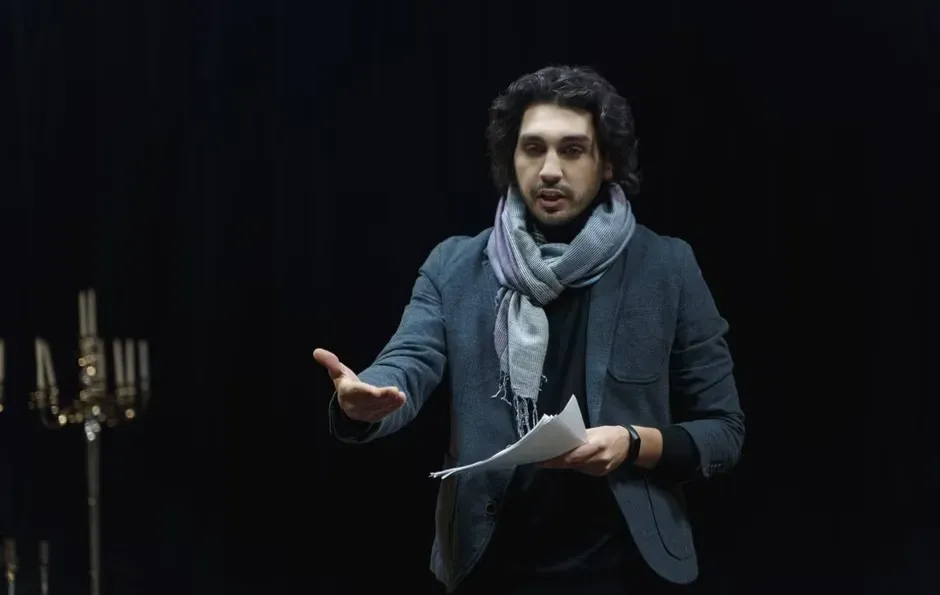
Many actors arrive to set with every line mapped out: this word gets emphasis, that syllable rises, this phrase is delivered quietly for effect. The intention is usually good. The result is often mechanical. When asked to throw away all the planned inflections, with no marked beats, no emphasis, no pushing, and to just say the lines exactly the way they would speak in the most casual conversation in the world – trusting the text – the difference in performance quality becomes immediately apparent.
An entire branch of acting called “minimalist” goes on the assumption that it’s actually much easier to overact, and underplaying a performance can create more emotional peaks and valleys for the character to express. Pre-planned line readings are one of the clearest ways overacting sneaks in. When every inflection is predetermined, the actor is no longer listening, and listening is where genuine performance lives.
Ignoring What the Camera Actually Captures
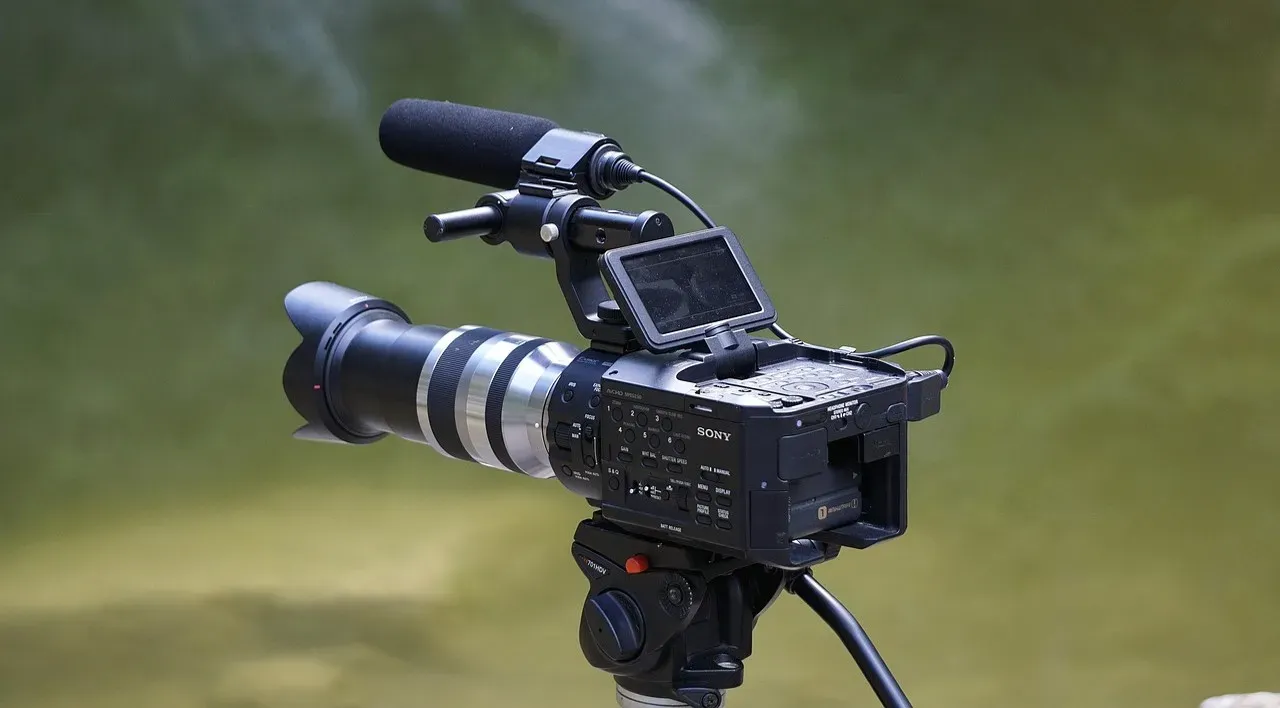
In 2024, when the average viewer watches content on a phone screen, the camera is practically pressed against the actor’s face. You’re not performing for a theater. You’re performing for a tiny pixel grid that magnifies every micro-movement. This is one of the more overlooked practical realities of modern performance. Stage habits brought unmodified to screen work don’t just feel large – they feel false, because the medium itself operates at a completely different resolution of truth.
Micro-expressions are the brief, involuntary facial movements that reveal true emotions. These are what make screen acting so powerful. A momentary flicker of fear, a quick flash of anger, or a glimmer of hope can tell the audience everything. Studies from the UCLA Film School’s performance lab show that audiences remember vastly more emotional detail from close-ups where the actor made one deliberate, small physical choice than from scenes with broader emotional outbursts. The camera doesn’t reward effort. It rewards honesty, and those two things are not the same.
Minimalist acting ultimately isn’t a style – it’s a standard. It asks whether each choice serves the scene or serves the performance, and it’s usually not shy about the answer. Dropping these six habits won’t make a performance smaller. It’ll make it harder to look away from.