There’s a particular kind of frustration that comes from investing two hours into a film, only to watch the whole thing collapse in the final minutes. It doesn’t matter how strong the first act was, or how much you genuinely cared about the characters. A truly bad ending has a way of rewriting your memory of everything that came before it.
Even a movie that pleased audiences throughout its entire running time can have fans turn on it with an ending that no one liked or expected. It doesn’t matter how great the first ninety minutes of a movie is – if it doesn’t stick the landing, the film will have a totally different legacy. These fifteen films know that feeling all too well.
1. I Am Legend (2007)
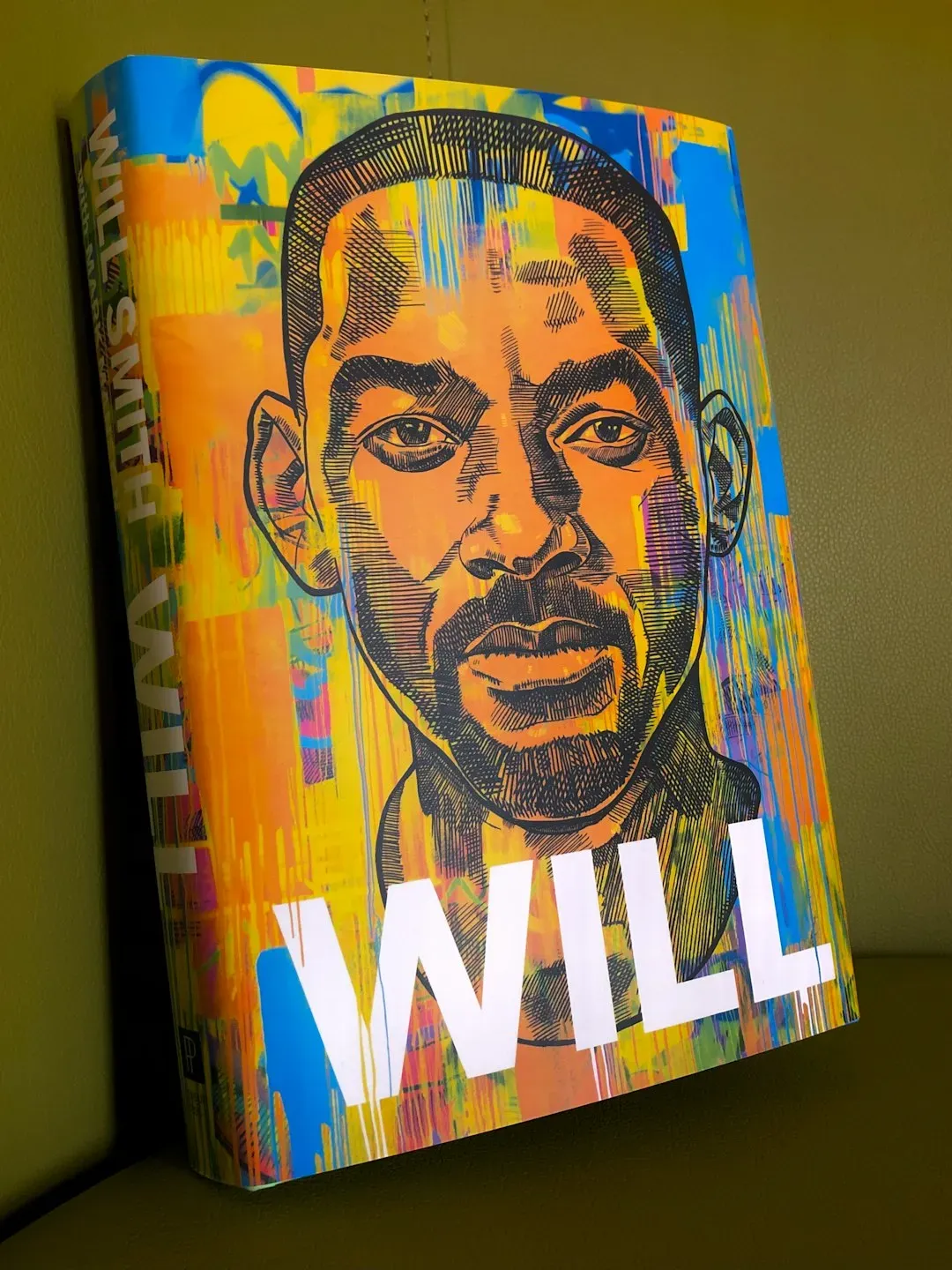
The theatrical ending to I Am Legend was controversial among fans of Richard Matheson’s novel, who felt it failed to thematically capture what made the ending to the book so poignant. The narrative of the theatrical cut may be closer to the novel in terms of Robert Neville dying, but it arguably misses the philosophical point of a story that’s about morality more than it’s about zombies.
The alternate ending many fans first saw when the DVD was released was actually the original ending of I Am Legend, but it was scrapped and replaced with the theatrical version after audiences responded poorly during test screenings. Director Francis Lawrence admitted they tested it twice and it was “wildly rejected.” Audiences wanted an ending that painted Neville as a genuine hero, not a morally ambiguous scientist, so last-minute reshoots produced a more conventional Hollywood conclusion. The alternate ending quickly became viewed as the superior version, and was so popular that the upcoming I Am Legend 2 won’t follow the original theatrical cut at all.
2. Star Wars: The Rise of Skywalker (2019)

This final chapter in the Star Wars sequel trilogy was heavily criticized for its messy plot, rushed pacing, and character development, most centered around Rey Skywalker. The twist revealing she was actually the granddaughter of Emperor Palpatine didn’t resonate with audiences, and instead punctuated the fact that it was one of the most disappointing endings in movie history.
For many viewers, this movie’s ending ranked among the absolute worst. The fact that a forty-plus-year, nine-film saga was concluded in such a hollow, condescending way was, to many, simply unforgivable. The discourse around the sequel trilogy’s conclusion has never really quieted down, and even years later, fan forums reliably return to dissecting what went wrong.
3. Indiana Jones and the Kingdom of the Crystal Skull (2008)

The Indiana Jones film that went away from the spiritual and straight into sci-fi caused deep division. While audiences could stomach a lot, the film truly lost them when the crystal skull awakened a generic alien who proceeded to melt Cate Blanchett’s brain, and Indy witnessed a spaceship flying off into another dimension.
Some disappointed Indiana Jones fans coined the term “nuking the fridge,” a reference to the scene in which Jones survives a nuclear blast by hiding in a refrigerator, to denote the point when a franchise crosses into the absurd, similar to the older phrase “jumping the shark.” The film received positive reviews from critics, scoring around three quarters approval on Rotten Tomatoes, but fan reaction was decidedly mixed to negative.
4. The Devil Inside (2012)
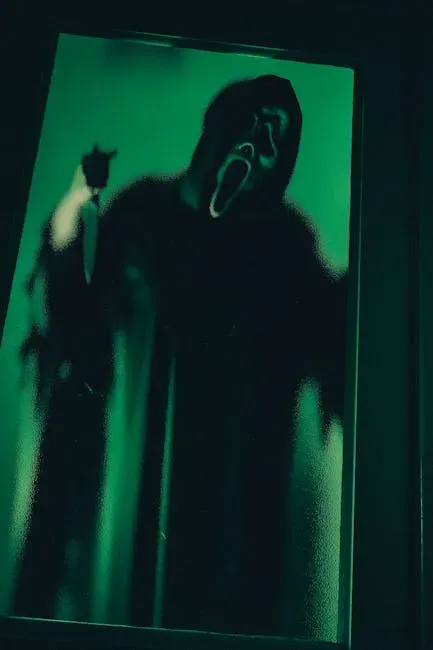
Few films have angered audiences quite like The Devil Inside, a found-footage horror film that builds to an eerie climax, only to abruptly cut to black and direct viewers to a website for more information. The attempt at viral marketing backfired spectacularly, with audiences booing in cinemas and critics tearing it apart.
Despite scathing reviews and a dismal six percent on Rotten Tomatoes, the film was a box office hit, grossing over a hundred million dollars against a mere one million dollar budget. Proof that bad endings don’t always mean financial disaster. The outrage over that abrupt non-ending became one of the most discussed moments of early-2010s horror fandom.
5. Now You See Me (2013)
Now You See Me seemingly takes the complete opposite approach of a clever twist, not only refusing to plant any clues to its major twist ending but actively tricking the audience into never guessing it. While the ending wanted to have the unpredictability of a magic act, the result was aggravating, confusing, and outright dumb. The film ends with the four horsemen coming together to meet the mysterious figure who has been leading the way all along: the FBI agent chasing them. It’s the type of twist that shows up unprompted, completely upends the weight of the majority of the film, and carries the pompous attitude of treating itself like a high and mighty revelation.
Finding out that FBI agent Dylan Rhodes was pulling all the strings behind the Horsemen’s acts left a lot of fans feeling cheated. While this twist was supposed to add depth to the story, it felt like an easy way out, taking away from all the suspense of the film and leaving many untied ends that added to the frustration.
6. The Happening (2008)

The Happening isn’t great to begin with. The overall film provides viewers with a bizarre mixture of awkward action movie antics and dire thoughts about climate change. Then, the film’s ending is arguably M. Night Shyamalan’s least creative ever: just when audiences think Eliot Moore and his wife Alma are finally safe and sound, a whole new wave of pollen-driven deaths begin in Paris.
It’s the same “oh-no-it’s-not-over-yet” moment that thousands of horror directors have used in countless B-movies. Coming from Shyamalan, it’s well beneath him, and perhaps the most disappointing moment from his career. The film’s reputation has not improved with age, and the plant-driven apocalypse ending remains a go-to example of how not to close a thriller.
7. The Dark Tower (2017)

Adapting Stephen King’s sprawling Dark Tower saga into a ninety-five-minute film was always going to be a challenge, but few expected such a rushed, incoherent mess of an ending. Instead of an epic conclusion worthy of King’s magnum opus, audiences got a generic action climax that satisfied no one, especially fans of the books.
The film bombed, grossing just over a hundred million dollars on a sixty-six million dollar budget before marketing costs. Plans for sequels and TV spin-offs quickly evaporated, making The Dark Tower one of the biggest missed opportunities in modern cinema. Fans of the eight-book series had waited decades for a proper adaptation, and the weak finale stung all the more for that reason.
8. The Matrix Revolutions (2003)
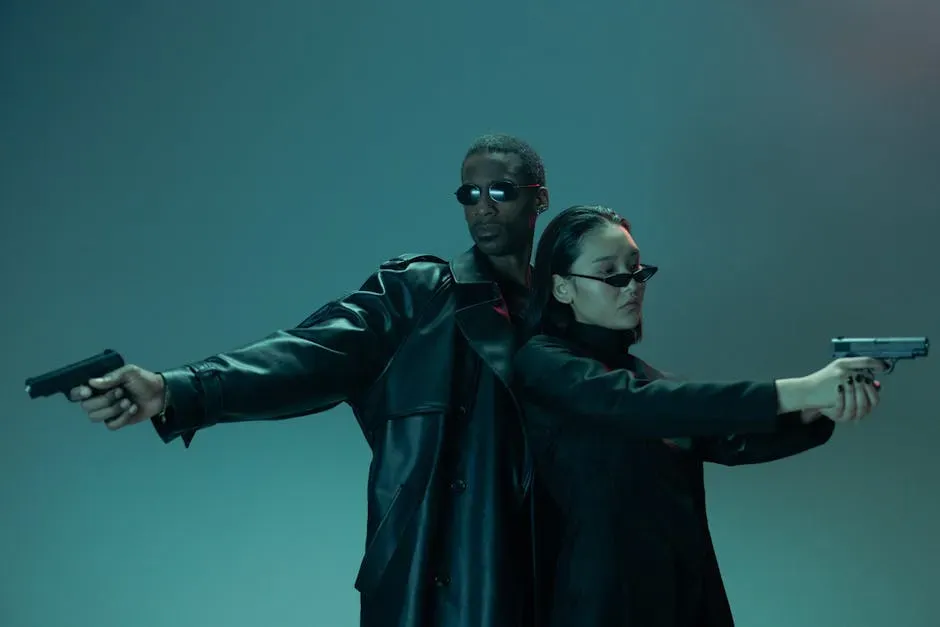
The Matrix trilogy caused audiences to think and pay close attention to everything going on. It offered tons of action, but unfortunately the final installment, The Matrix Revolutions, was met with disappointment from fans who felt the resolution to the story was convoluted and deeply unsatisfying.
Partner offer
The meta approach could have delivered a unique blockbuster while commenting on the legacy of the franchise, but in the final act the story devolves into a shell of its former self, with action sequences that don’t hold a candle to the 1999 original. The philosophical setup that made the first film so compelling was largely abandoned right when it mattered most, and the ending left audiences puzzled rather than moved.
9. Sunshine (2007)
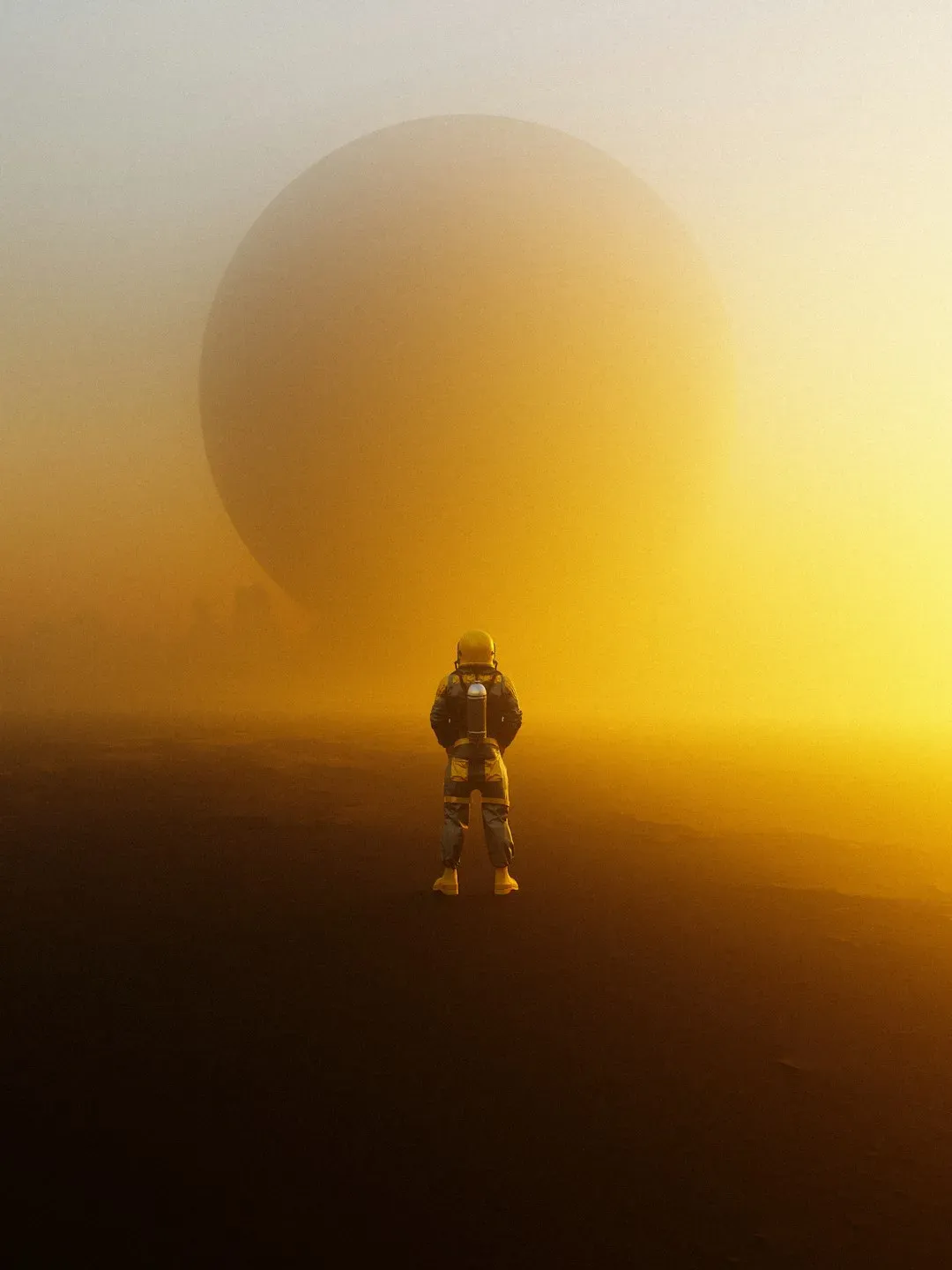
Director Danny Boyle took his turn in the science fiction genre with Sunshine, and at the time of its release, it received high critical praise. The movie had great acting and an interesting premise, as a group of astronauts attempted to reignite a dying sun. However, the movie’s ending left several people frustrated at its sudden turn into a very different type of film, bringing in a human villain trying to sabotage the mission.
Sunshine’s ending took a sudden and confusing turn, shifting the film’s tone and introducing this human villain out of nowhere. This unexpected change left viewers frustrated and feeling like they had been led astray. It’s a film many still recommend with the caveat to stop watching before the third act takes hold.
10. Harry Potter and the Deathly Hallows Part 2 (2011)
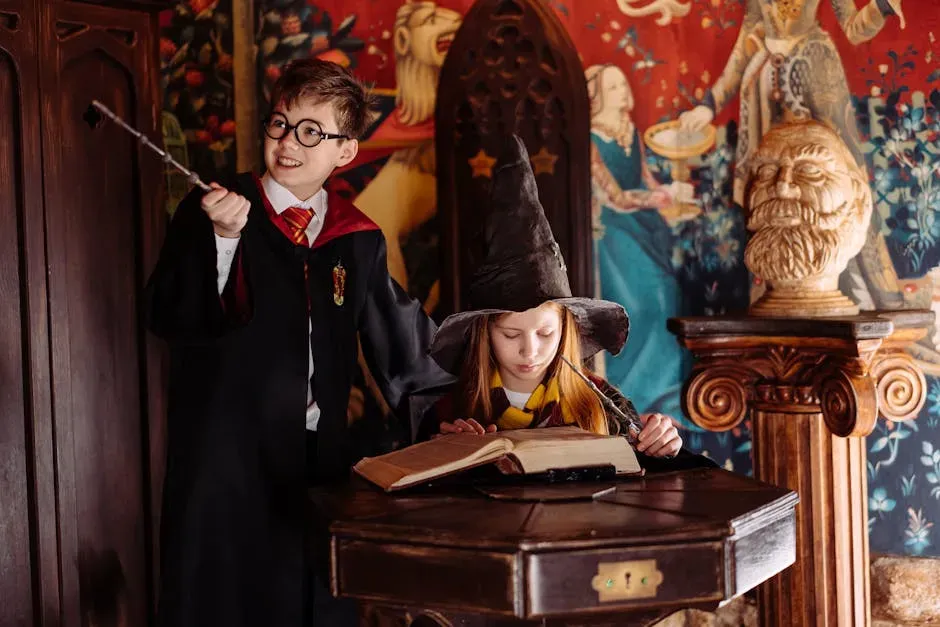
Voldemort disintegrated into ash instead of being a normal dead body, which was the entire point of his death in the books – that he was just a mere mortal like everyone else. Harry broke the Elder Wand and threw it into nothingness, which went against what happened in the source material. The convoluted flying fight scene between Voldemort and Harry before the final confrontation only served to disappoint fans. These choices took away from the meaningfulness of the conclusion, cheapening it with gimmicks.
Many fans pointed out that jumping from Harry fighting in a war to him shipping off his children felt abrupt and hollow. Questions about what happened to the rest of the Death Eaters went unanswered. The expectation that everything was automatically perfect after the war felt like a boring, unearned ending to a decade-long story.
11. War of the Worlds (2005)

The aliens dying because they can’t handle Earth’s microbes isn’t even the most criticized part of this Spielberg film. The real problem is how neatly Tom Cruise and Dakota Fanning’s characters manage to reunite with Cruise’s son, who had seemingly joined a doomed Marine assault. The movie looked set to challenge audiences with an ambiguous and powerful ending, since Ray’s son Robbie presumably died after running into battle. But he’s alive, without a scratch on him, and the narration wraps up everything in a nice, tidy bow.
The convenient reunion undercut what had been a genuinely tense survival thriller. Spielberg has a well-documented instinct toward hopeful conclusions, but this one felt particularly forced given everything the characters had just been through.
12. Lucy (2014)
It’s hard to say whether Lucy is a smart story stuck in a dumb movie or a dumb story stuck in a smart movie. One thing is certain: its ending is widely considered absurd. As her brain reaches maximum capacity, Lucy transcends all humankind, becomes one with the space-time continuum, and leaves behind a flash drive for Dr. Morgan Freeman. It almost feels like director Luc Besson is trying to channel 2001, but instead of going out on a profound note, Lucy leaves the audience in frustrated disbelief.
The film only provides a glimpse into the psychedelic and otherworldly experience that Lucy has as she becomes one with life itself, and ultimately bails on showing what audiences most wanted to see. When she reaches full capacity, she copies her brain onto a flash drive for humanity to study, making for a strange and almost comical ending where it feels like Lucy has transformed into a USB stick.
13. Pay It Forward (2000)
Pay It Forward has lived on with the slogan of helping others without expecting anything in return. The entire idea of the movie is about being a good and generous person and making the world a better place. However, the positive message of the movie ended up spoiled by a depressing ending, as Trevor, the seventh-grade student who sets out to help others, dies after being stabbed.
Pay It Forward’s ending contradicted its central message of kindness and generosity, leaving audiences saddened and feeling like the film unnecessarily took a dark turn. The unexpected death of the protagonist undermined the positive themes of the entire movie. The backlash has persisted for over two decades, with viewers still regularly calling it one of the most needlessly bleak conclusions in mainstream cinema history.
14. Grease (1978)

Whatever your feelings about Grease, the film’s ending – which wraps up its plotlines in a confusing burst of magical realism, shrugged shoulders, and teenage hormones – actively ruins the imperfect but fun-filled ride that came before it. Sandy squirms into leather pants and puffs a cigarette, embracing her destiny to become a Pink Lady.
Sandy decides to completely change her personality into that of a leather-clad bad girl for Danny Zuko, who had in turn made himself preppy for her. Then, the two get in a car and it flies away in a movie that had nothing supernatural in it to that point. If the meaning were clear, Travolta and Newton-John wouldn’t have spent decades arguing with fan theories about how Sandy is actually dead throughout the entire film.
15. Spectre (2015)
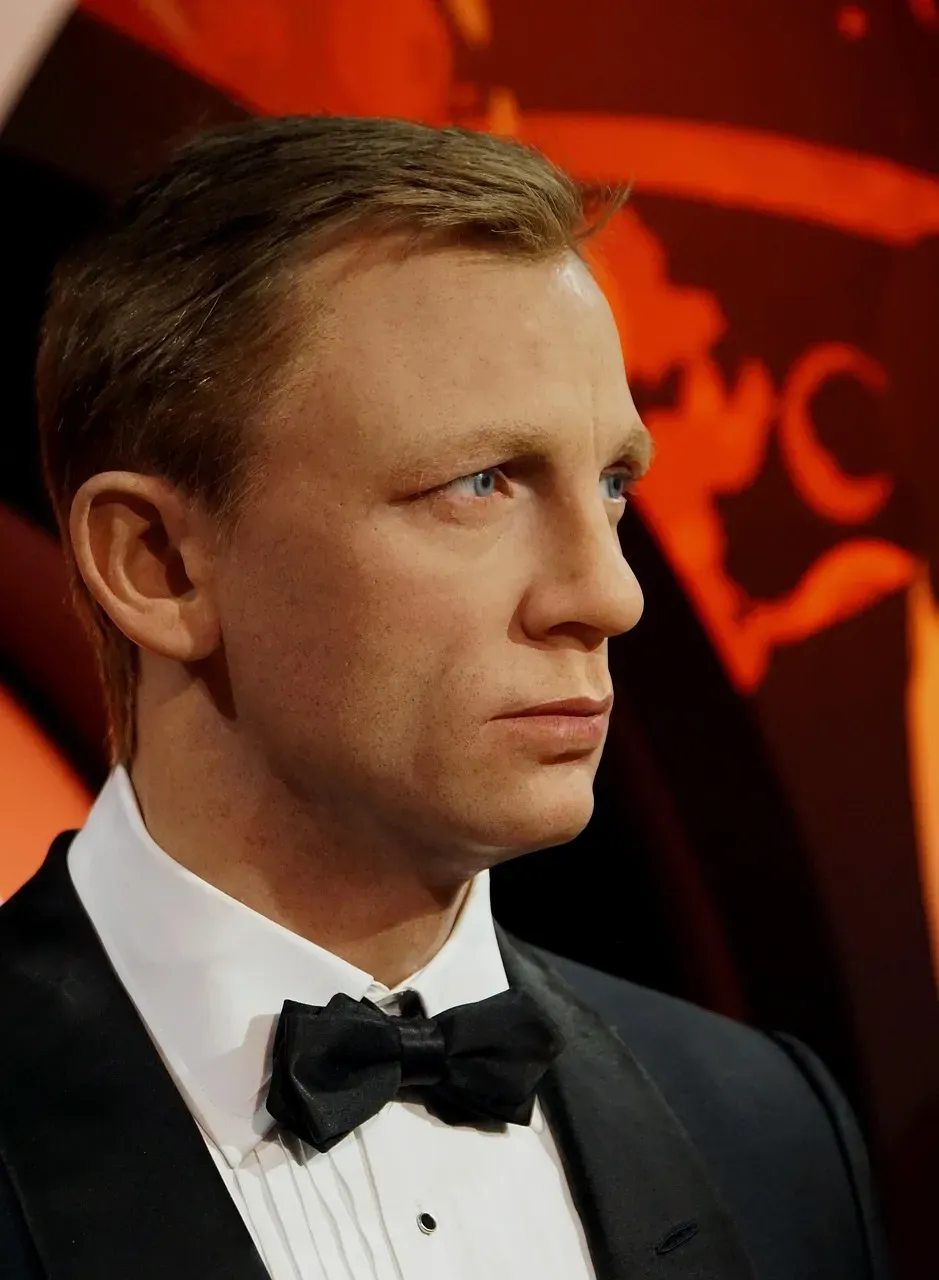
Spectre’s disappointing ending underutilized the potential of Christoph Waltz’s character, leaving fans unsatisfied and feeling let down. The easy defeat of the main antagonist dramatically diminished the impact of everything that had been carefully built up. Spectre marked the return of Blofeld – the Joker to Bond’s Batman – but he was so easily taken down by 007 that it rendered the menace entirely hollow.
The ending underutilized the dramatic potential of Christoph Waltz’s character and left fans feeling both unsatisfied and let down by the simplicity of the resolution. To make matters worse, the self-proclaimed author of all of Bond’s nightmares returned in No Time to Die only to be quickly killed off. The Blofeld arc became a case study in how to waste a great villain across two films, and fans have been pointing it out ever since the credits rolled on Spectre.
What all fifteen of these films share is a gap between the story they promised and the story they delivered. Some were undone by studio interference, others by creative miscalculation, and a few by the sheer pressure of having to satisfy audiences who had waited years. The ending is the last thing a film gives you. When it fails, that’s what stays.
Partner offer
Planning a trip to Vegas?
Compare hotel rates and show tickets on VEGAS.com.