Something has quietly shifted in the way singers engage with social media. After years of chasing virality as a kind of shorthand for success, more and more artists are pausing to ask whether the chase is worth it. The tools haven’t gone away. The platforms are bigger than ever. What’s changing is the mindset around how to use them. The conversation isn’t about abandoning social media. It’s subtler than that. It’s about whether the performance of being an artist online is slowly crowding out the act of being one. And it’s a tension that’s becoming harder to ignore.
The Viral Singing Challenge: How It Took Over
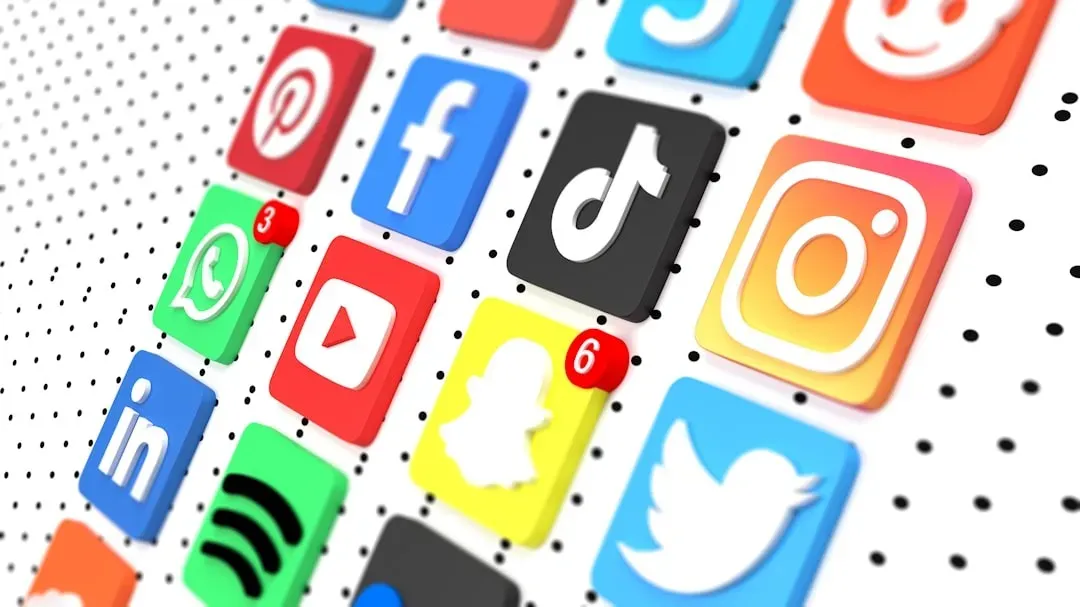
Over the past few years, singing challenges became one of the most recognizable social media formats for musicians. Social platforms became active engines behind chart movement and streaming volume, with a song capable of beginning as a 12-second clip on TikTok, Instagram Reels, YouTube Shorts, or Snapchat Spotlight, then moving within hours to Spotify searches, Apple Music saves, and Shazam spikes. The format proved intoxicating for artists at every level of their career.
In 2025, TikTok and its community of over a billion music fans proved once again that music starts on TikTok, with the platform providing a launchpad for the careers of a host of new artists. Doechii’s “Anxiety,” which features a sample of “Somebody That I Used to Know” by Gotye, was originally uploaded as a demo in 2019 but was discovered by the TikTok community in 2025, who called for an official release, and Doechii re-recorded it. Cases like that reinforced the idea that the algorithm could make anyone famous almost overnight.
The Growing Skepticism Among Professional Singers
A growing body of research now confirms what artists have been saying for years: the pressure to constantly create content is hurting their mental health and compromising their work. In a 2025 study led by researchers at Goldsmiths and University College London (UCL), musicians described social media as a “content factory” – an environment that made them feel emotionally disconnected, anxious, and compulsively engaged, often at the cost of creativity.
The paper, published in Frontiers in Psychology, featured interviews with 12 UK-based artists who admitted that social media often made them feel inferior, triggered unhealthy comparisons, and took time away from songwriting and rest. These aren’t emerging artists without a plan. Many are working professionals who have found the daily demands of content creation genuinely disruptive to their craft.
When Virality Stops Converting Into Fans
A single TikTok trend can generate millions of streams and propel unknown artists into charts. The problem is that viral reach does not automatically create long-term fans. Many artists have experienced the reality of generating millions of views on social media while seeing relatively little growth in fan retention, ticket sales, or sustainable revenue.
As a result, a growing number of artists are shifting their focus away from trying to engineer viral moments and towards building systems that turn casual listeners into dedicated communities. This is where social media marketing for musicians is evolving. The goal is no longer simply generating awareness. The goal is creating relationships. The distinction might sound small, but it has real implications for how singers spend their energy online.
The Mental and Creative Cost of Constant Posting

Digital burnout in this context refers to the mental, physical, and emotional exhaustion as a result of prolonged stress and pressure to constantly create social media content, in addition to all of the other responsibilities of being a professional musician, such as songwriting, recording, production, performing live, going to school, working at a job, and promoting new releases.
Burnout doesn’t only affect artists; it impacts the entire music ecosystem. Exhausted musicians produce safe, algorithm-driven content rather than inspired work. Depth, reflection, and experimentation – once hallmarks of memorable music – are increasingly scarce. There is something quietly corrosive about a system that rewards output volume over artistic quality, and singers are starting to name it plainly.
The Algorithm Pressure That Doesn’t Let Up
Every social media platform in 2026 rewards one thing above all else: consistent posting. The algorithm doesn’t care about any single perfect video. It cares about volume, because the more you post, the more data it has to work with when finding your audience. Musicians who post three to five times per day across platforms grow four to six times faster than those posting once daily.
Three to five posts per day of original music videos is, however, largely unsustainable. Singers would spend their entire lives filming. Making art for the sake of making art takes a backseat while figuring out human psychology to boost numbers becomes the main driving force. That trade-off is exactly what many artists now say they’re no longer willing to make quietly.
Partner offer
What Audiences Actually Want From Singers Online
The market is seeing a shift towards more authentic, human-led storytelling and community building, moving away from purely viral content strategies. Winning brands and artists are intentionally moving away from overly polished social content. Imperfections, natural pacing, and even typos signal authenticity. Over-editing is out, and the occasional stutter or flub is in.
Gone are the days of a perfect and polished feed, surface-level opinions, and cookie-cutter content. Fans today crave a deeper connection with the artists they follow. They want to see the real, unfiltered side of the journey, whether it’s the struggles of songwriting, the excitement of a late-night studio session, or the raw emotions that come with performing live. The appetite for authenticity has grown fast, and it’s changing what actually performs well online.
The Scroll Fatigue Factor
Video remains dominant across all social platforms, including TikTok, Instagram Reels, and YouTube Shorts. While short-form video is still prevalent, there’s a growing trend towards longer-form content to combat “scroll fatigue” and retain creators. The short-form challenge format that defined 2022 and 2023 is showing real signs of fatigue among both creators and viewers.
Listening behavior in 2025 highlighted just how fragmented attention has become. According to MIDiA’s analysis of Spotify Wrapped 2025, the average listener spent just 4.2% of their total listening time on their top artist while consuming 2,728 songs from 1,488 different artists over the year. That kind of fragmentation raises a fair question: if listeners are spreading their attention so thinly, what exactly is a viral moment buying a singer in the long run?
Discovery Is Shifting, But So Is What Follows It
Research suggests that almost half of music discovery now happens through short-form video before listeners move to streaming platforms such as Spotify, Apple Music, or YouTube. Rather than relying solely on playlists, artists must sustain visibility across social platforms through repeated exposure and contextual storytelling. In 2026, discovery is increasingly cultural first and commercial second, with long-term success tied to consistency rather than momentary reach.
In 2025, independent artists began using social media as a full-stack music business rather than only a promotional channel. A singer can preview a chorus on TikTok, test cover art on Instagram, livestream a writing session on YouTube, sell a limited vinyl run through a direct-to-fan store, and move listeners to Spotify or Apple Music within the same week. This reduced the gap between making a song and building an audience around it. For many emerging acts, the first meaningful fanbase now forms before a manager, publisher, or label enters the picture.
The Case for Stepping Back – Carefully
The reality is that artists can create and publish content that is authentic to their brand and aligned with their values without having to use features or participate in trends that go against those. Jumping on trending sounds, formats, and challenges puts singers in front of audiences who might never find them otherwise. The key is adapting trends to fit their identity as musicians instead of copying them generically.
If music is to remain a space for truth-telling, experimentation, and emotional honesty, then the systems that support it must also evolve. That means expanding definitions of success beyond visibility. It means supporting models where artistry doesn’t rely on feed frequency. It means respecting an artist’s right to log off without disappearing, because not every musician wants to be an influencer. That last point is where the sharpest disagreements among artists and their teams tend to surface.
Not Everyone Is Convinced the Shift Works
In October 2024, Spotify announced that on average 105,000 tracks are added to the platform daily. With platforms like SoundCloud and YouTube, that number could almost double. While making an album is easier than ever, standing out among the sea of releases becomes harder than ever. In that context, stepping back from social media trends isn’t without risk. Silence on the internet can quickly become invisibility.
In the modern music world, no one gets discovered by accident. Discovery is engineered, and a well-timed social media boost is one of the most effective tools to make it happen. For musicians, labels, and music marketers alike, that means thinking beyond views, streams, and follower counts. The artists building sustainable careers in 2026 are treating social media not simply as a promotional channel, but as a tool for building genuine relationships with fans. Whether backing away from the trend cycle helps or hurts depends almost entirely on what replaces it.
Partner offer
Planning a trip to Vegas?
Compare hotel rates and show tickets on VEGAS.com.