There’s a real difference between going to a concert and actually living one. Most people show up, watch from wherever they land, and leave with a vague memory of noise and lights. The people who walk out with goosebumps, new favorite artists, and stories they’ll still be telling years later – they did a few things differently. It’s rarely about money or luck.
Live Nation reported that in the first half of 2024 alone, roughly 39 million people attended around 15,000 concerts worldwide. With that kind of crowd, the experience can easily feel anonymous. These seven tips help you cut through that and make something that actually sticks.
Arrive Earlier Than You Think You Need To
For general admission shows, timing can be everything. The best spots near the stage are taken by those who arrive first, and once doors open, every minute can push you further back in the crowd. Arriving at least one – ideally two – hours prior to an arena show gives you plenty of time to navigate the scene.
Merchandise tables also get busy quickly. Arriving ahead of the rush gives you first pick of tour shirts, posters, or limited-edition items before popular sizes sell out, and early shoppers avoid missing chunks of the show while stuck in line. Showing up early allows you the freedom to get amped before the show with your friends or meet and mingle with fellow fans – more time simply equals less stress and a more enjoyable experience all around.
Pay Attention to Where You Stand for Sound

For amplified music in larger venues, sitting near the soundboard is always a good idea – if it sounds good anywhere in the hall, it’s going to be where the sound is actually being mixed. Center sections offer the best balance of proximity and sound quality. This is especially worth knowing at arenas or amphitheaters, where the acoustics can vary wildly depending on where you’re standing.
Sound quality suffers at the extremes of the space, and in larger venues, seats matter more – center lower bowl is significantly better than upper corners. Positioning yourself away from the speakers can reduce the intensity of the sound by as much as 20 decibels, which is especially effective in smaller venues that don’t have assigned seats.
Protect Your Ears – Seriously
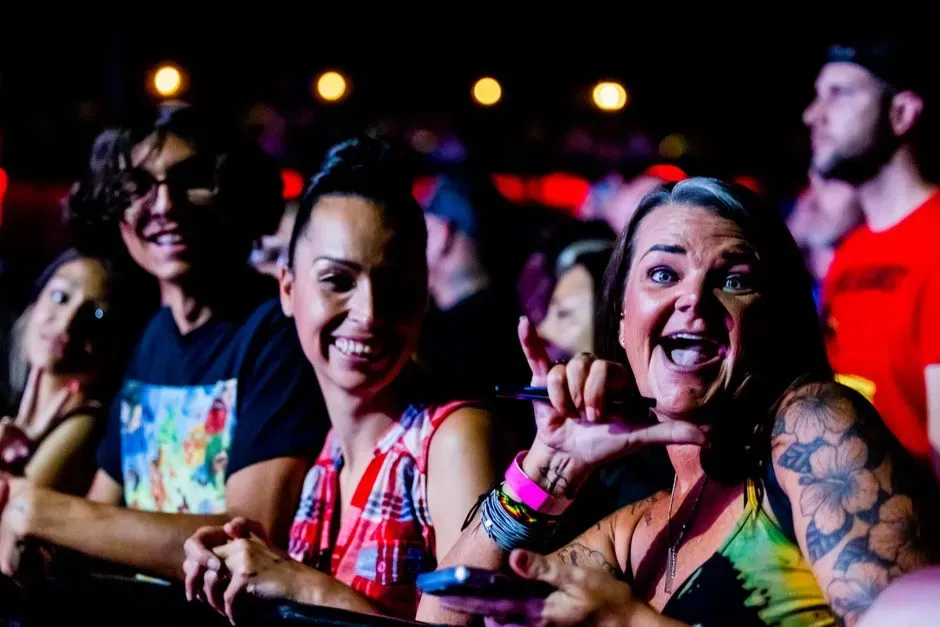
Most concerts range between 100 and 120 decibels, and some performances can exceed 130 dB near speakers. Prolonged exposure to sounds above 85 dB can damage hearing over time, and even short exposure to extremely loud music can affect the sensitive structures inside the inner ear – the louder the environment, the less time it takes for hearing damage to occur.
A poll of more than 2,000 people who attended music events in 2024 found that more than half had experienced tinnitus or temporary hearing loss after listening to loud music, with a third saying it had happened to them multiple times. Specialized concert earplugs use precision acoustic filters that reduce volume evenly across all frequencies, maintaining the relative balance between bass, midrange, and treble – think of them as turning down the volume knob on a high-quality stereo rather than throwing a blanket over the speakers.
Partner offer
Preload Your Tickets and Check the Venue Rules Before You Go
Internet connections inside arenas can be weak or even nonexistent due to large crowds, so make sure to preload your tickets in the app or take a screenshot in case there’s no signal at the venue. If you have standing tickets, check in advance which entrance you need to use – this saves you time and prevents unnecessary running around the venue instead of securing a good spot.
There are some rules that are standard across the board, such as no outside food and beverages, but some venues are stricter – some require your bag to be clear, while others just require it to be a certain size. Some venues have strict rules about items like cameras, water bottles, and signs, so checking in advance helps you avoid surprises at security. A few minutes of research beforehand can save you a genuinely miserable moment at the gate.
Actually Watch the Opening Acts
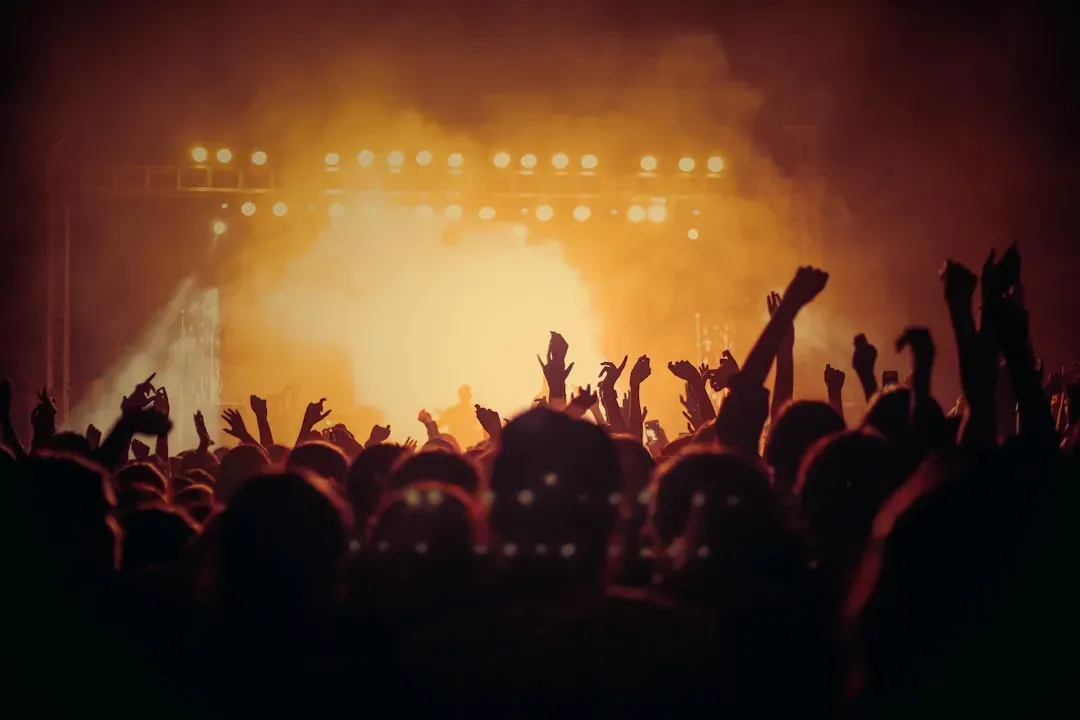
Research found that 68% of concertgoers discovered at least one new artist through an opener. If you’re going to see a band you really like, the openers will more than likely consist of artists with a similar sound or genre – and in many cases, the headlining band chooses to tour with bands they genuinely like, which essentially means they’re screening new music for you.
Billie Eilish opened for Florence + The Machine early in her career, and Taylor Swift in particular has a reputation for picking future stars, with Justin Bieber, Ed Sheeran, Shawn Mendes, Sabrina Carpenter, and Chappell Roan all opening for her before becoming major names. Opening acts are where discovery happens – they’re often personally chosen by the headliner or management, and they’re grinding for every single pair of eyes in that room.
Put the Phone Down for at Least Half the Show
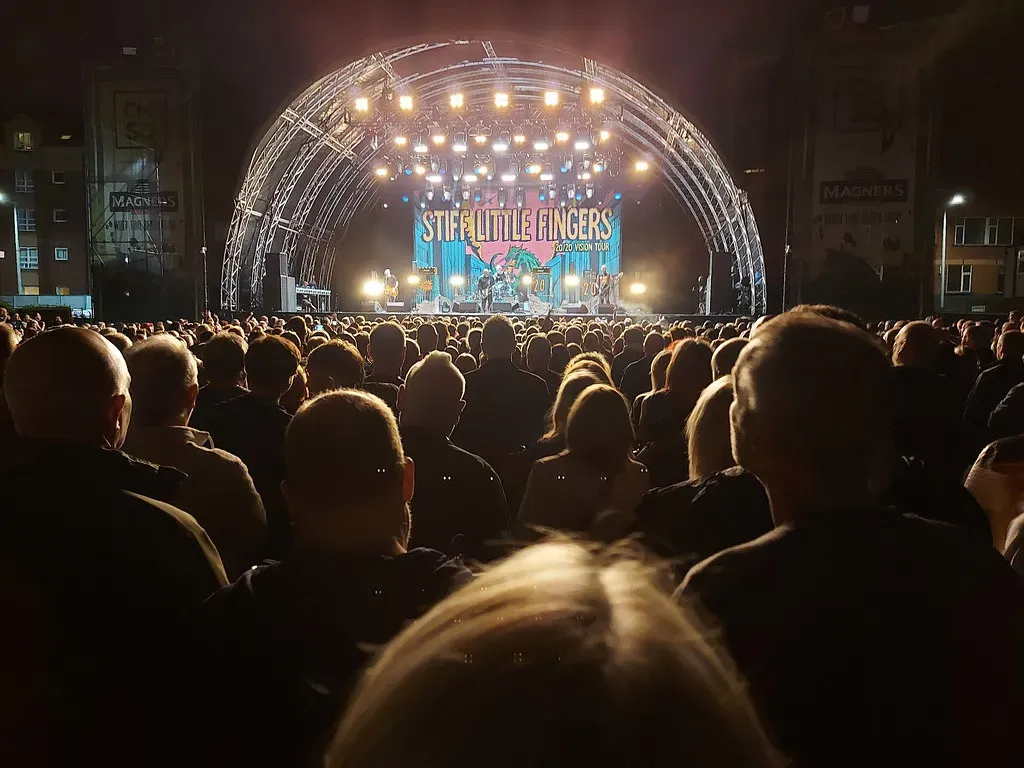
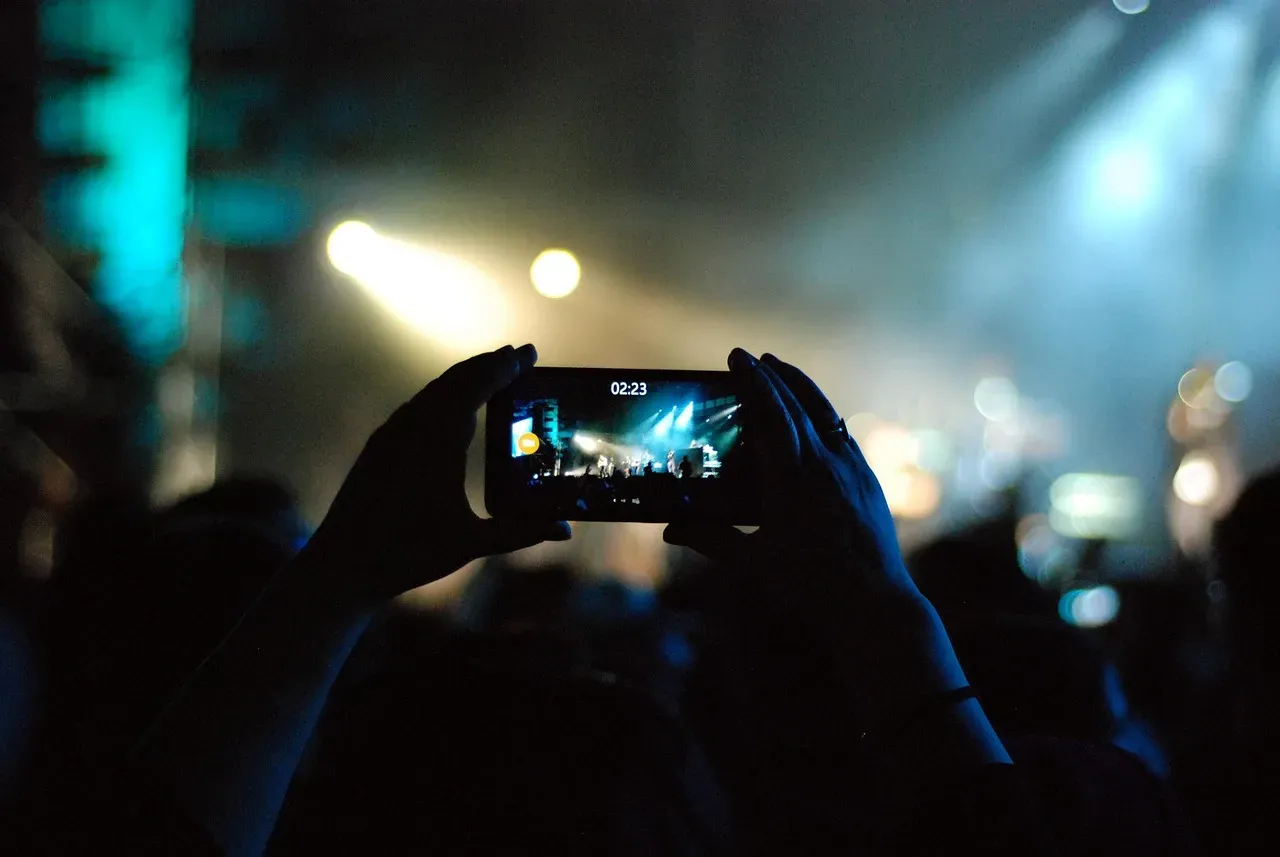
We live in a phone-forward world, but screens can spoil sightlines and the vibe. A good rule of thumb: follow the artist’s request if the show is phone-free, and if recording is allowed, capture a short clip of 10 to 20 seconds rather than filming constantly – do not hold your screen high for entire songs.
While capturing some memories to look back on later is a perfectly good idea, it helps to be mindful of those around you and avoid blocking their view – consider taking a few quick snaps during your favorite songs or when the artist interacts with the audience. Putting your phone away and simply being in the moment can create more meaningful memories, and the more you give into the music and the atmosphere, the richer your experience will be.
Choose Who You Go With as Carefully as You Choose the Ticket
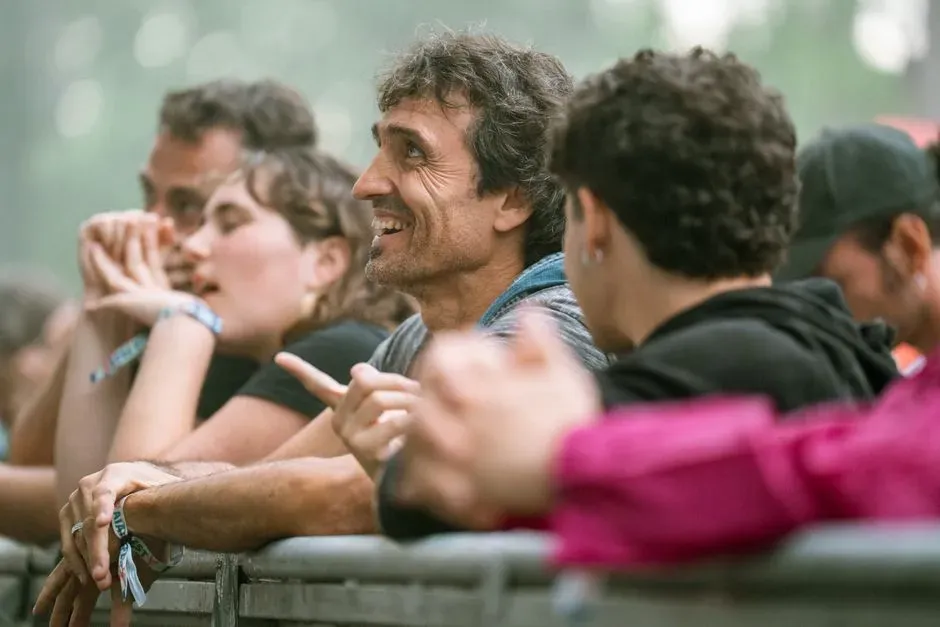
A crucial factor in any concert experience is whom you share it with. The heightened feeling and expression that live music enables can create powerful moments that sociologists call “epiphanies” – moments that reveal and encapsulate what specific people mean to each other. When tickets go on sale and you’re considering whom to call, remember that your choice can elevate your concert experience and your relationship with that person or group.
Even within your own group, trying to meet new people when standing in line or waiting for the concert to start can make the experience more fun – people who share similar interests can save your spot or help deal with rowdy crowds. You’ll generally have a better experience if you know the music and can sing along, and if you invite a friend who doesn’t know the band, introducing them to some songs beforehand helps them have a better time as well.
Partner offer
Planning a trip to Vegas?
Compare hotel rates and show tickets on VEGAS.com.