I’ll research these films to ensure the details about studio interference and director’s cuts are accurate.
Hollywood loves a good redemption story, and some of the best ones never happen on screen. They happen behind the scenes, years after a film first flops or gets dismissed, when a director finally gets the chance to release the version audiences were supposed to see all along. Studio interference has a long, messy history of turning ambitious visions into compromised products, whether through forced reshoots, demanded happy endings, or brutal test-screening-driven cuts.
What follows are ten cases where a studio’s meddling nearly buried a genuinely great film, only for a director’s cut, years or even decades later, to rescue its reputation. Some of these restorations arrived through fan campaigns, others through a director’s sheer stubbornness. All of them prove that the “final cut” audiences see in theaters isn’t always the final word.
1. Blade Runner (1982)
Ridley Scott’s neo-noir science fiction epic is arguably the textbook case of studio interference in American cinema. At the time, the director was already on the back foot, being overridden by the studio, and racing to beat a looming directors’ strike, a battle he could not win since he did not have the right to final cut. After disappointing test screenings, financiers rewrote and inserted narration during post-production after test audience members indicated difficulty understanding the film. The studio also tacked on an upbeat conclusion using leftover scenery footage, giving Deckard and Rachael an implausibly happy escape.
It took a decade, plus the rediscovery of a workprint that screened to enthusiastic crowds, before Warner Bros. let Scott properly revisit the film. The 1992 Director’s Cut made three big changes to the original theatrical cut: removing Deckard’s thirteen explanatory voice-overs, inserting a dream sequence of a unicorn running through a forest, and removing the studio-imposed “happy ending.” Scott still wasn’t fully satisfied, though, and in 2007 he released The Final Cut, representing the only released version of the film where Scott had total control. Today, nobody seriously argues the theatrical cut is the one to watch.
2. Superman II (1980)
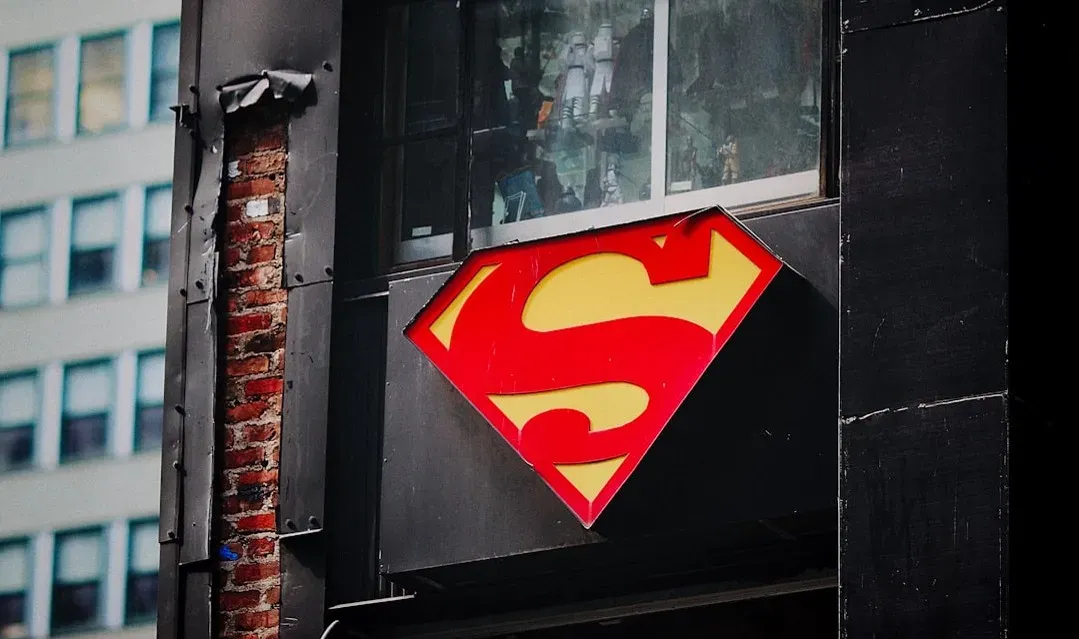
Richard Donner shot Superman and its sequel back to back as one massive production, but a feud with producers Alexander and Ilya Salkind ended his involvement before the job was finished. Tensions rose between original director Richard Donner and the producers, resulting in a decision to stop filming the sequel, 75 percent of which had already been completed, and after the release of Superman in December 1978, Donner was fired as director and replaced by Lester. Richard Lester then had to reshoot large portions of Donner’s footage just to legally claim the director’s credit, giving the finished film a campier, sillier tone than Donner intended.
Fans spent decades campaigning to see Donner’s original version, and the discovery of vaulted footage during a 2001 Superman DVD restoration finally made it possible. A director’s cut of Superman II, restoring the original vision for the film under Donner’s supervision, titled Superman II: The Richard Donner Cut, was released on November 28, 2006, in various home media formats. It wasn’t a perfect reconstruction, since some scenes had to be patched together from screen tests, but it restored the romantic core and dramatic weight that Lester’s version had stripped away, and it’s now widely viewed as the more faithful vision of the character.
3. Brazil (1985)
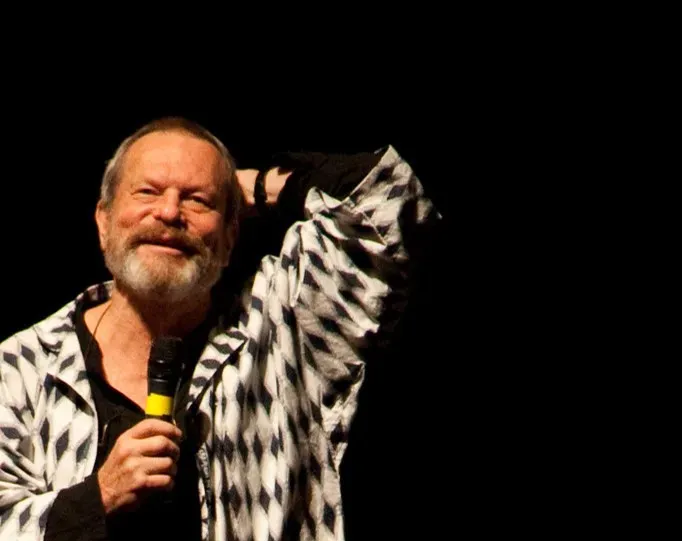
Terry Gilliam’s dystopian satire ran into one of the most public studio battles in film history. Universal executive Sid Sheinberg secretly produced a 94 minute cut from the initial 142 minute print of the movie, with a tacked-on happy ending, in a bid to make the movie more commercially viable, a version fans now mockingly call the “Love Conquers All” cut. Gilliam refused to let it stand quietly.
He fought back with an unusually aggressive public campaign. He took out a full-page ad in Variety asking when studio head Sid Sheinberg was going to release the film and also arranged a number of unauthorized, clandestine screenings of his cut, a gambit that paid off when critics groups began honoring the unreleased film. The pressure from a secret screening for L.A. film critics, which named Brazil the Best Picture of 1985 despite it not being released, eventually led Universal to give in and release a Gilliam-approved 132 minute cut. The full 142-minute director’s cut is now preserved by Criterion as the definitive version, while the “Love Conquers All” edit survives only as a curiosity.
4. Kingdom of Heaven (2005)
Ridley Scott’s Crusades epic suffered a fate strikingly similar to Blade Runner’s. Studio chief Tom Rothman worried a three-hour-plus historical drama wouldn’t sell tickets, so studio head Tom Rothman ordered the film to be trimmed down to only two hours, as he did not believe that a modern audience would go to see a three hour and fifteen minute movie. The gamble backfired badly; the theatrical cut opened to mixed reviews and modest box office, undercutting a film that had cost well over a hundred million dollars to make.
Just months later, Scott released his intended cut, and the reaction flipped almost overnight. The critical evaluation was overwhelmingly more positive than the original, with even critics who had panned the theatrical version praising the new one, and Empire magazine writing that the added 45 minutes in the Director’s Cut were like pieces missing from a beautiful but incomplete work. Scott himself has never minced words about what happened, telling an interviewer decades later that the studio-mandated trims essentially “destroyed an incredible film.” The film even returned to theaters for a limited 20th-anniversary rerelease in 2025, cementing its reputation as one of the great director’s cut redemption stories.
5. Zack Snyder’s Justice League (2017/2021)
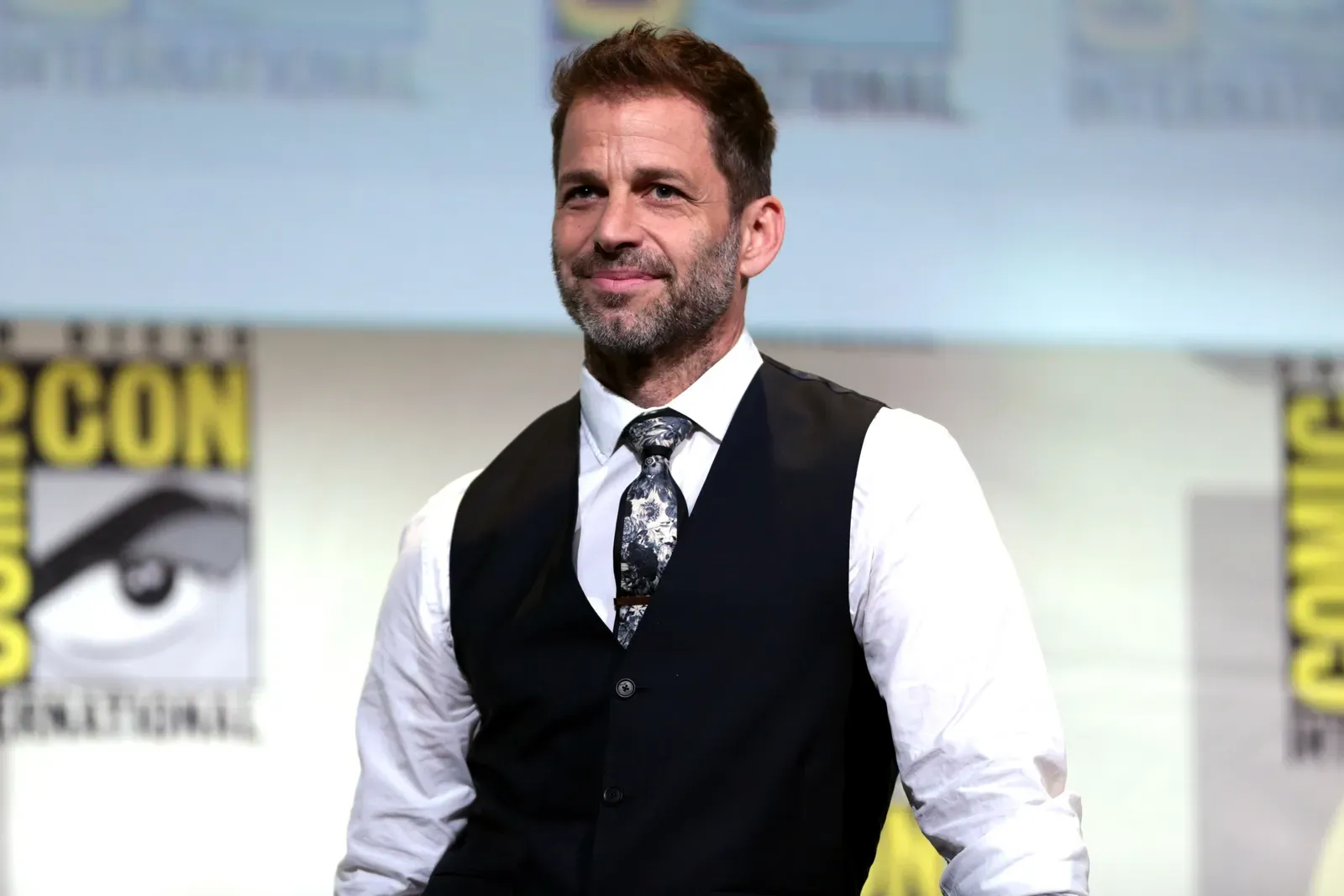
Few studio-interference stories generated as much fan noise as this one. Snyder was just beginning production on Justice League when Batman v Superman: Dawn of Justice hit theaters, and the reaction caused Warner Bros. executives to get nervous about Snyder’s vision, so the production and post-production were fraught with second-guessing from the studio level. When Snyder stepped away from the project following a family tragedy, the studio brought in Joss Whedon to finish it his own way. Whedon scripted 80 additional pages for the endeavor, but his quippy tone and more colourful aesthetic proved to be at odds with Snyder’s grim, chiaroscuro take on the crime fighters. The 2017 theatrical version landed to a lukewarm response and disappointing box office.
What followed was an unprecedented fan campaign that actually worked. Snyder was given $70 million from Warner Bros. to remake parts of the years-ago release and re-edit it into what the director says was his original vision for the film. The result premiered on HBO Max in March 2021 as a four-hour feature, and Zack Snyder’s Justice League did not include any scenes shot by Whedon for the theatrical cut, making it a genuinely distinct film rather than a simple extended edition. It remains one of the clearest examples of fans directly forcing a studio to fund and release a director’s true vision.
6. Once Upon a Time in America (1984)
Sergio Leone’s sprawling gangster epic was meant to be his crowning achievement, a nearly four-hour meditation on memory, crime, and friendship spanning decades. American distributor Ladd Company and Warner Bros. had other ideas for the US release, chopping the film down dramatically and reordering its non-linear structure into a straightforward chronological narrative, believing American audiences wouldn’t sit through Leone’s original design.
The butchered US theatrical version, running around two hours less than Leone’s cut and stripped of its flashback structure, was savaged by critics and performed poorly domestically, a stark contrast to the acclaim the full-length European cut received at Cannes that same year. Leone never lived to see a fully definitive restoration in his own lifetime, but subsequent extended versions released on home video over the following decades, closer to his original vision and non-linear editing style, have long since rehabilitated the film’s reputation as one of the great American crime epics, studio interference notwithstanding.
7. Payback (1999)
Mel Gibson’s adaptation of Richard Stark’s hardboiled novel “The Hunter” was directed by Brian Helgeland with a genuinely bleak, morally ambiguous tone that matched its pulp source material. Paramount executives and Gibson himself grew uneasy with how dark and unsympathetic the protagonist played on screen, and the studio brought in reshoots that softened the character, added voiceover narration, and swapped out the ending for something more conventionally satisfying.
Helgeland was reportedly unhappy enough with the changes that he distanced himself from the theatrical release. It wasn’t until 2006 that Paramount allowed a “Director’s Cut” titled Payback: Straight Up to reach DVD, stripping out the studio-mandated narration, restoring a darker and more ambiguous finale, and re-editing scenes to match Helgeland’s original noir sensibility. Critics and fans of the crime genre generally consider the straight-up cut a tighter, meaner, and more coherent film than the softened theatrical version audiences saw first.
8. Daredevil (2003)
Mark Steven Johnson’s take on the blind vigilante was originally shot with an R-rated tone in mind, closer to the grittier comics that inspired it. Twentieth Century Fox, chasing a broader box office audience, insisted on trimming the film down to a PG-13 rating before its theatrical release, cutting subplots and violence that Johnson considered essential to the story’s noir atmosphere.
The following year, Fox allowed Johnson to release a director’s cut on DVD that restored roughly half an hour of removed footage, including a subplot connecting Daredevil to a string of murders and a more explicit exploration of Matt Murdock’s moral conflict. The restored cut carries an R rating and is widely regarded by fans and critics as a noticeably richer film than the choppier theatrical release, even if it never fully erased the shadow cast by the movie’s initial reception.
9. The Wicker Man (1973)
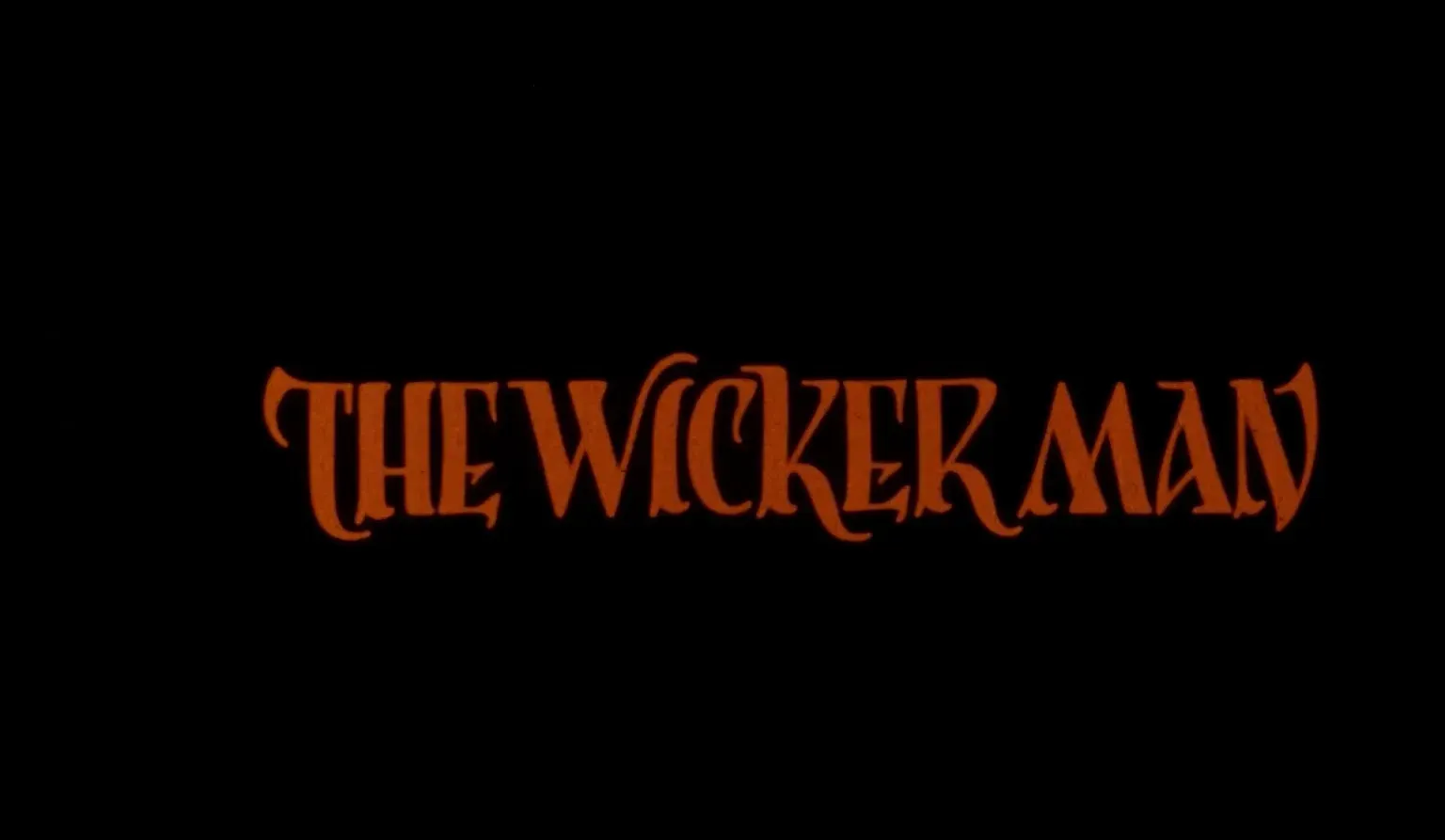
Robin Hardy’s British folk-horror classic was treated by its distributor, British Lion, as a disposable second feature rather than the singular achievement it later became recognized as. The studio ordered the film trimmed from its intended runtime for release, and for years afterward the original negative was believed lost, reportedly discarded or destroyed during a studio move, leaving fans to piece the story together from surviving prints of varying quality.
Over the following decades, longer versions were assembled from whatever surviving elements could be located, restoring character motivations and pagan ritual sequences that the shortened theatrical cut had rushed past. A “Final Cut” version, closer to Hardy’s original intentions and reconstructed with his input, eventually reached theaters and home video, giving audiences the fullest picture yet of a film long considered one of horror’s great almost-lost masterpieces.
10. Legend (1985)
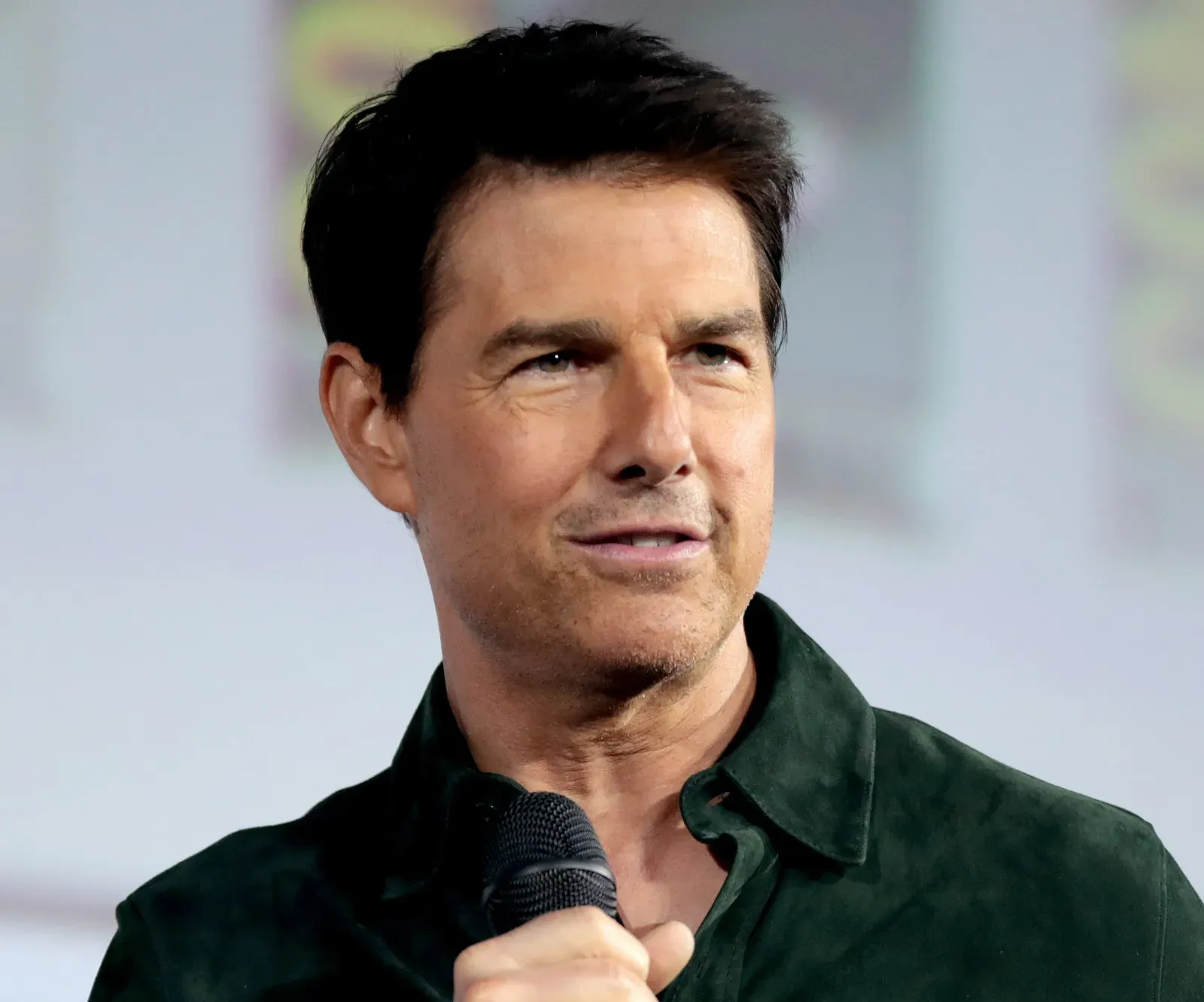
Ridley Scott’s dark fantasy fairy tale, starring a young Tom Cruise, ran into a familiar problem after underwhelming test screenings: the studio wanted a shorter, more commercially palatable cut for the American market. Universal trimmed the film and, notably, swapped out Jerry Goldsmith’s original orchestral score for a synth-heavy soundtrack by Tangerine Dream, believing it would appeal better to younger American audiences, while European audiences received a longer cut with Goldsmith’s music intact.
The American theatrical version underperformed and was largely dismissed by critics at the time, seen as visually stunning but dramatically thin. It wasn’t until 2002 that a director’s cut restored roughly twenty extra minutes of footage along with Goldsmith’s original score, giving the film back its intended mood and pacing. Fans of the restored version generally consider it a substantially more coherent and atmospheric experience than the choppy, mismatched cut American moviegoers saw in theaters nearly two decades earlier.
Taken together, these ten stories say something uncomfortable about how studios and directors have historically clashed over what a “finished” film even means. Test screenings, runtime anxieties, and marketing concerns pushed genuinely ambitious work into shapes that audiences and critics initially rejected, sometimes for years or decades. Yet in nearly every case, patience, fan advocacy, or simple stubbornness on the part of the filmmaker eventually won out.
It’s worth remembering that a “director’s cut” isn’t automatically superior just because it exists, plenty of extended editions add little of value. Still, these ten films demonstrate that sometimes the difference between a forgotten flop and a certified classic really does come down to who got the final say in the editing room.