Every music lover knows the feeling. You put on an album, and by track four you’re already reaching for the skip button. That’s the norm, honestly. Most records, even great ones, have a filler moment or two. But every once in a while an artist delivers something different: a collection where every single song earns its place, where there’s no obvious “bathroom break” track, and where pressing shuffle feels almost pointless because the sequencing itself is part of the magic.
These nine albums belong to that rare club. They span five decades and half a dozen genres, yet they share one thing in common: listeners and critics alike have struggled for years to name a weak link. Here’s a closer look at why these records still hold up as front-to-back masterpieces.
1. Fleetwood Mac – Rumours (1977)
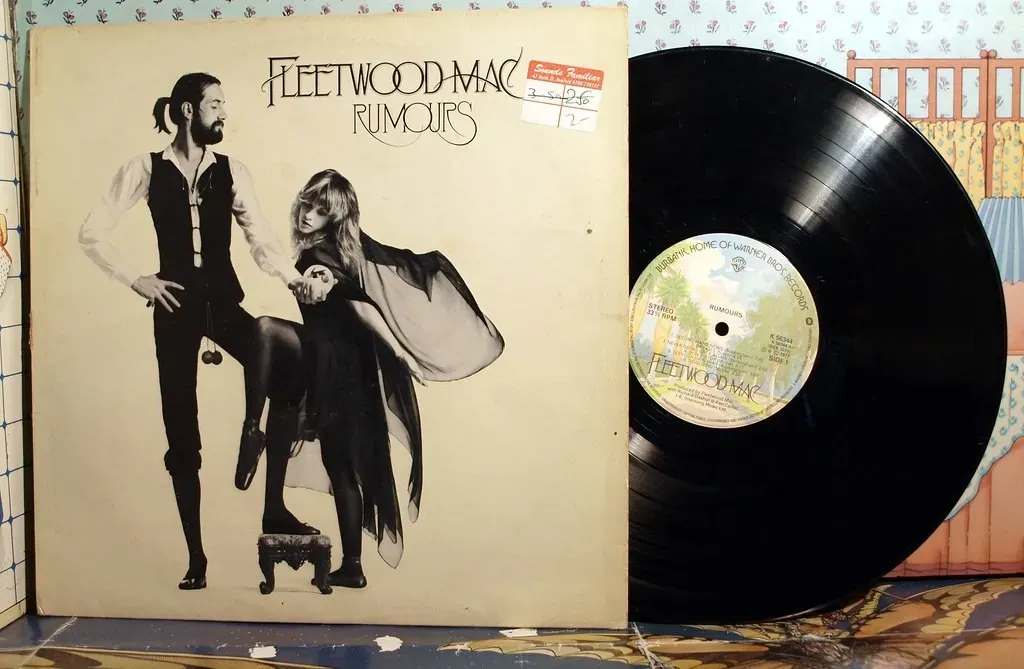
It’s almost impossible to talk about flawless albums without starting here. Rumours is the eleventh studio album by Fleetwood Mac, released on 4 February 1977, largely recorded in California in 1976 as the band members dealt with breakups with one another and struggled with heavy drug use. That raw emotional chaos somehow translated into some of the tightest songwriting in rock history, with every track carrying its own distinct personality while still feeling like part of one continuous story.
The commercial and critical response confirmed what fans already suspected. All four of the LP’s singles cracked the Billboard Hot 100 top 10, with “Go Your Own Way” peaking at number 10, “You Make Loving Fun” at number 9, “Don’t Stop” at number 3, and “Dreams” hitting number 1. It won the Grammy Award for Album of the Year in 1978, and to date has sold over 40 million copies worldwide, making it, as of now, the ninth best-selling album of all time. Not a single deep cut feels like a throwaway, which is exactly why it keeps resurfacing in pop culture nearly fifty years later.
2. Michael Jackson – Thriller (1982)
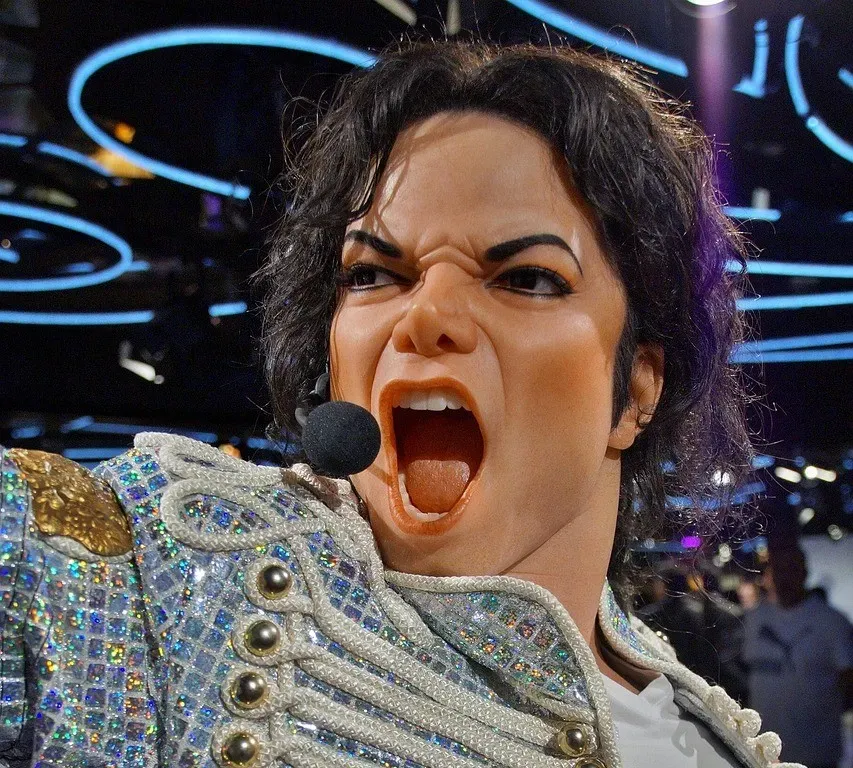
Thriller isn’t just the best-selling album of all time; it’s a masterclass in how to build a tracklist with zero dead weight. An album that sold 40 million copies in its initial chart run, seven of its nine tracks reached the Top Ten, with “Baby Be Mine” and “The Lady in My Life” being the only tracks not treated as singles. That ratio is almost unheard of in pop music, and even those two non-single cuts hold their own against the rest of the record.
Thriller spent 37 nonconsecutive weeks at number one on the Billboard 200 chart, which set a record for most weeks at number one by a music artist. Michael Jackson won seven Grammy Awards for Thriller, including album of the year, record of the year for “Beat It,” and producer of the year for Jackson and Quincy Jones. From the paranoid funk of “Wanna Be Startin’ Somethin'” to the tender balladry of “Human Nature,” there simply isn’t a moment where the energy dips.
3. Prince – Purple Rain (1984)
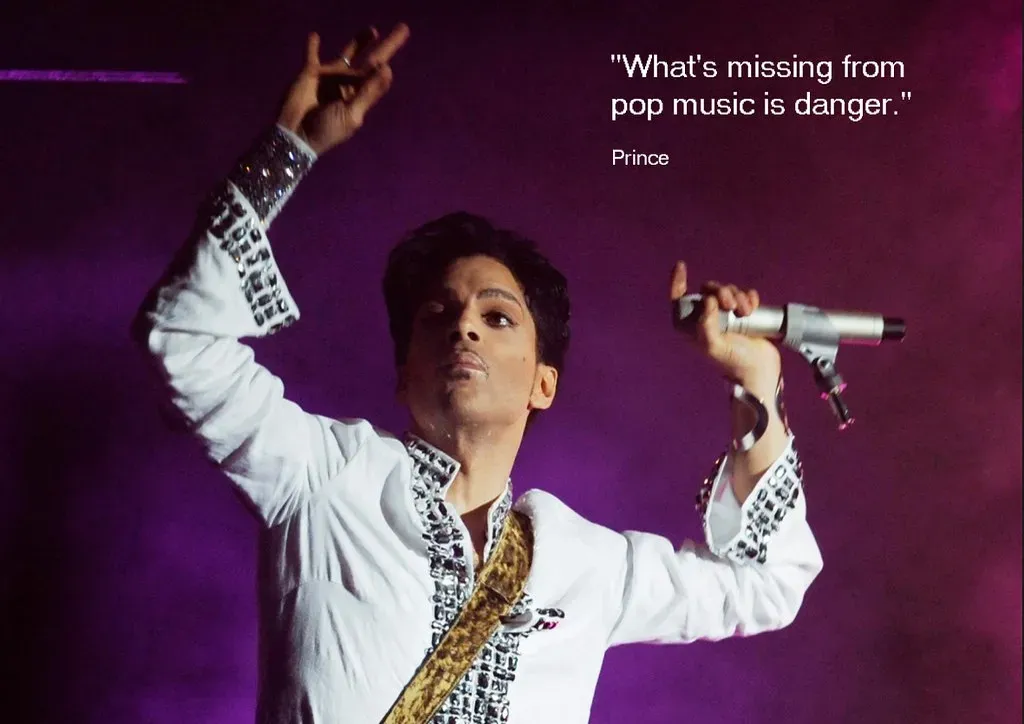
Purple Rain works as both a soundtrack and a standalone statement, which makes its consistency even more impressive. In the United States, Purple Rain debuted at number 11 on the Billboard 200 the week of July 14, 1984, and after four weeks on the chart it reached number one on August 4, 1984, spending 24 consecutive weeks at number one. That kind of staying power doesn’t happen with an album full of filler.
The album spawned five hit singles, two of which, “When Doves Cry” and “Let’s Go Crazy,” topped the Billboard Hot 100. Purple Rain is Prince’s commercial peak, with total sales standing at 25 million copies worldwide, making it one of the best-selling albums of all time. Even the deep cuts, like the sprawling “Computer Blue” or the theatrical “Darling Nikki,” feel essential rather than optional.
4. Nirvana – Nevermind (1991)
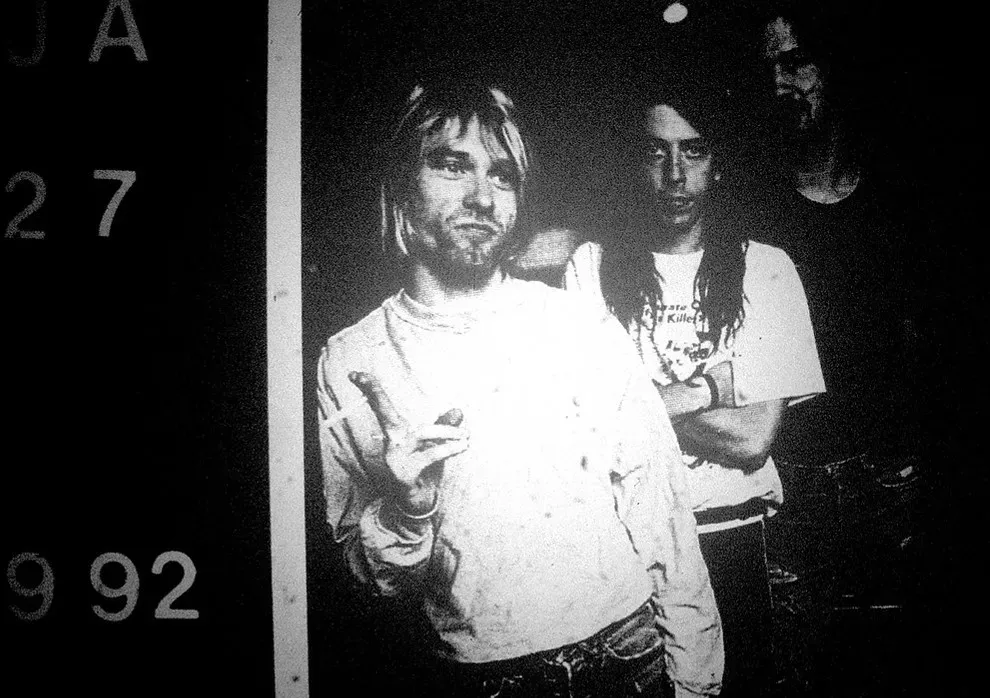
Nevermind didn’t just introduce grunge to the mainstream; it did so with a tracklist that barely wastes a second. Nevermind is the second studio album and major label debut by American rock band Nirvana, released on September 24, 1991, by DGC Records, produced by Butch Vig and featuring a more polished, radio-friendly sound than the band’s prior work. The hooks are everywhere, even on the tracks that never got radio play.
On January 11, 1992, Nevermind reached number one on the Billboard 200 chart, taking the place of Michael Jackson’s Dangerous and spending a total of 253 weeks on the chart. It has sold more than 30 million copies worldwide, making it one of the best-selling albums of all time. Whether it’s the snarling “Territorial Pissings” or the quieter menace of “Something in the Way,” the record never loses its grip.
5. Amy Winehouse – Back to Black (2006)

Amy Winehouse only released two studio albums, but Back to Black alone secured her legacy. When Amy Winehouse released Back To Black in October 2006, it was a sonic revelation, blending modern themes with a classic girl-group sound. Every track feels like it belongs to the same heartbroken, cigarette-smoke-filled world, which is part of why the album flows so seamlessly.
Back to Black sold 20 million copies worldwide, becoming one of the best-selling albums of all time and the UK’s second best-selling album of the 21st century. At the 2008 Grammy Awards, Back to Black won Best Pop Vocal Album and was also nominated for Album of the Year, with Winehouse winning four additional awards that same night. Nearly two decades later, it’s hard to find a single track on the record that feels like filler.
6. Kendrick Lamar – good kid, m.A.A.d city (2012)

Concept albums are notoriously hard to pull off without a few weak connective moments, but Kendrick Lamar largely avoided that trap. Billed as “a short film by Kendrick Lamar” on the album cover, the concept album tells a coming-of-age story about Lamar’s adolescence surrounded by the drug-infested streets and gang lifestyle of his native Compton. Every skit and verse pushes the narrative forward, so nothing feels like padding.
The album earned Lamar seven Grammy Award nominations at the 2014 Grammy Awards, including Album of the Year, and was later certified triple platinum by the Recording Industry Association of America. In 2020 and 2023, the album was ranked 115th on Rolling Stone’s updated list of “The 500 Greatest Albums of All Time,” and in 2022 the publication named it the greatest concept album of all time. From the frantic energy of “Backseat Freestyle” to the reflective closer “Compton,” the record earns every one of its extended runtime minutes.
7. The Beatles – Abbey Road (1969)
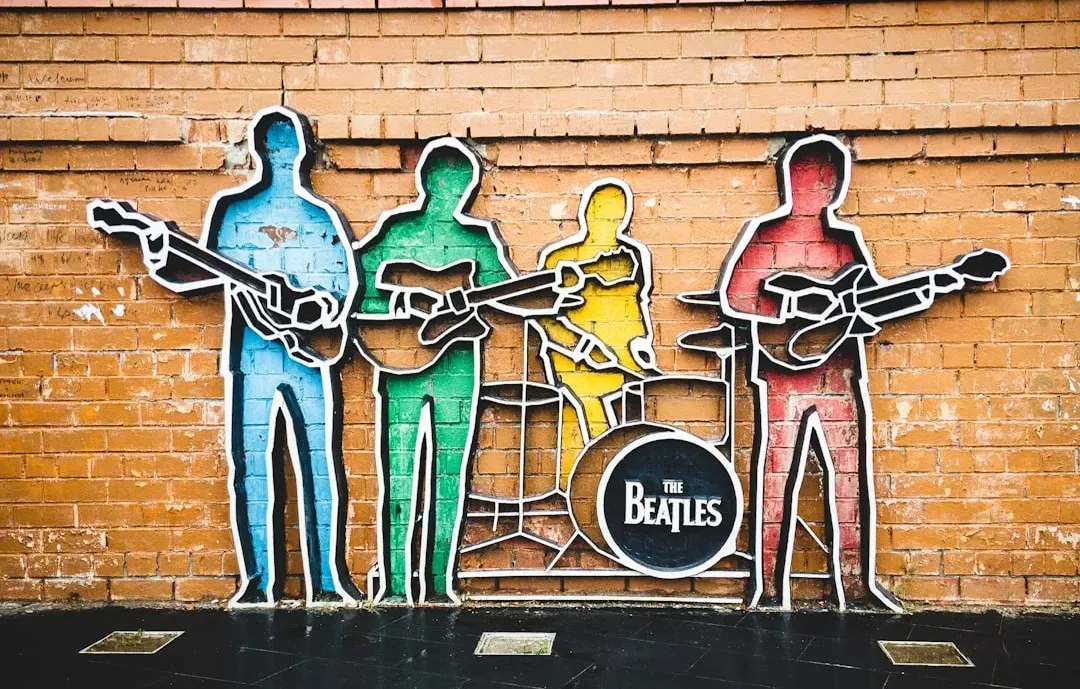
Abbey Road is often cited as the moment the Beatles proved they could still innovate even as the band was quietly falling apart behind the scenes. The famous medley that closes out side two, stitching together fragments like “Golden Slumbers,” “Carry That Weight,” and “The End,” turned unfinished song ideas into one of the most celebrated sequences in rock history. That kind of craftsmanship extends to the rest of the record too, where George Harrison’s contributions, “Something” and “Here Comes the Sun,” stand shoulder to shoulder with anything Lennon or McCartney wrote.
What makes Abbey Road remarkable is how it balances experimentation with pure pop accessibility. Even the quirkier tracks, like “Octopus’s Garden” or “Maxwell’s Silver Hammer,” fit naturally into the album’s flow rather than feeling like detours. Decades later, it remains one of the most frequently cited “no skips” albums in any genre, largely because the band treated the record as a single cohesive piece rather than a collection of singles.
8. Stevie Wonder – Songs in the Key of Life (1976)
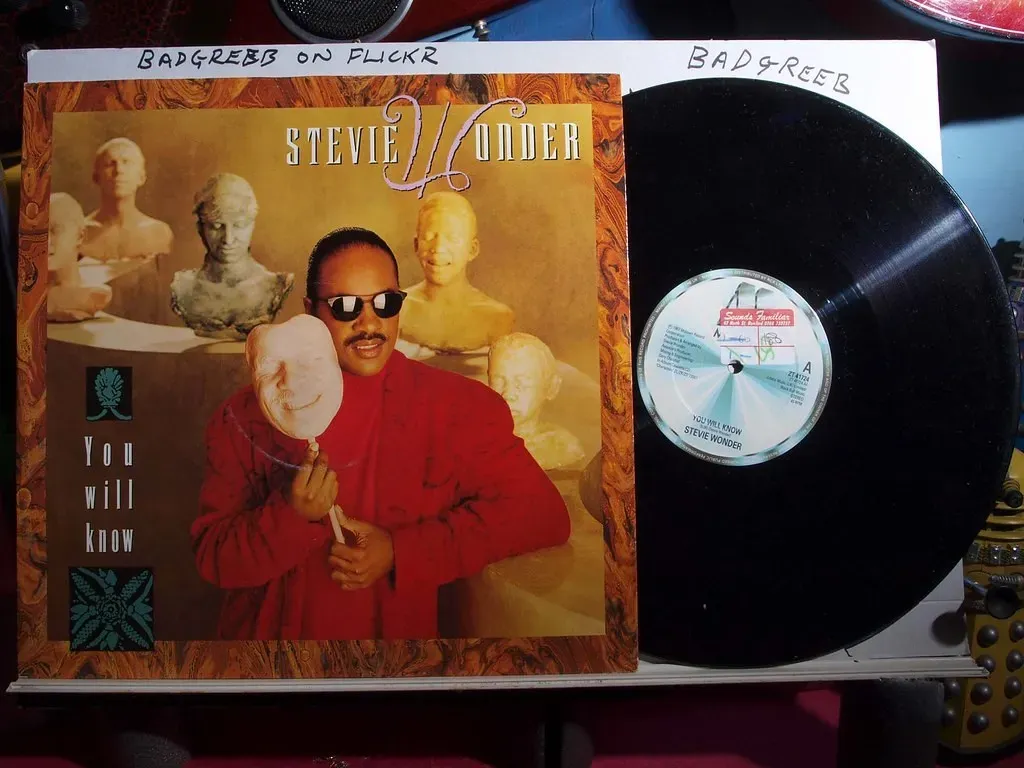
Few artists have ever packed this much ambition into one release. Stevie Wonder’s sprawling double album moves effortlessly between funk, soul, jazz, and gospel textures without ever losing its identity, and songs like “Sir Duke,” “I Wish,” and “Isn’t She Lovely” have become standards in their own right. Even the lesser-known tracks carry the same melodic richness and detailed arrangements that define the album’s more famous singles.
The record’s critical reputation has only grown over time, frequently appearing near the top of greatest-albums lists and cited by later generations of musicians as a songwriting blueprint. Its length could have easily invited filler, yet the album is consistently praised for maintaining its quality across all four sides. That’s a rare feat for any double album, let alone one made nearly fifty years ago.
9. Adele – 21 (2011)
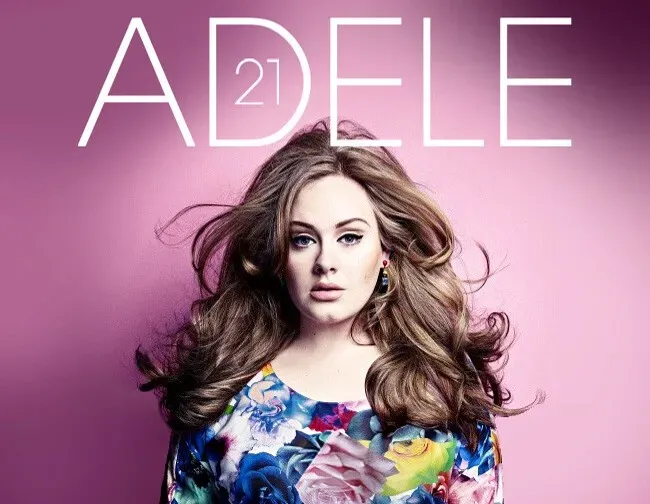
Adele’s second album turned heartbreak into one of the most dominant commercial runs in modern music history. Tracks like “Rolling in the Deep,” “Someone Like You,” and “Set Fire to the Rain” became inescapable on radio, but the album’s staying power comes from its consistency rather than just its singles. Every song sticks to the same emotional throughline, giving the record a cohesive, diary-like quality that still resonates with listeners more than a decade later.
21 swept major categories at the Grammy Awards and became one of the best-selling albums of the 2010s, cementing Adele’s reputation as one of her generation’s defining vocalists. Even now, it’s rare to hear anyone describe a specific track on 21 as skippable. The album’s blend of raw vulnerability and polished production has made it a template that countless singer-songwriters have tried to replicate since.
Why These Albums Still Matter
What ties these nine records together isn’t genre or era, it’s intention. Each of these albums was built as a complete artistic statement rather than a vehicle for one or two hit singles, and that philosophy shows in how well they hold up decades after release. Whether it’s heartbreak, personal turmoil, or pure creative ambition driving the songwriting, the results speak for themselves.
In an age of algorithm-driven playlists and singles-first streaming strategies, albums like these feel almost like a lost art form. Still, they remain proof that when an artist commits fully to a vision, the album format can produce something far more powerful than the sum of its individual tracks. That’s the real magic of a truly skip-proof record.