Hollywood loves a comeback. Every year, some actor who once vowed never to return to a role ends up back in the same costume, cashing the same studio’s check. But every rule has its exceptions, and a handful of performers have actually meant it when they said no more. Some walked away over money, others over pride, and a few simply because the experience left a scar they never wanted to touch again. Here are eight actors whose refusals to return to a franchise actually stuck.
Terrence Howard and the Iron Man exit that never healed
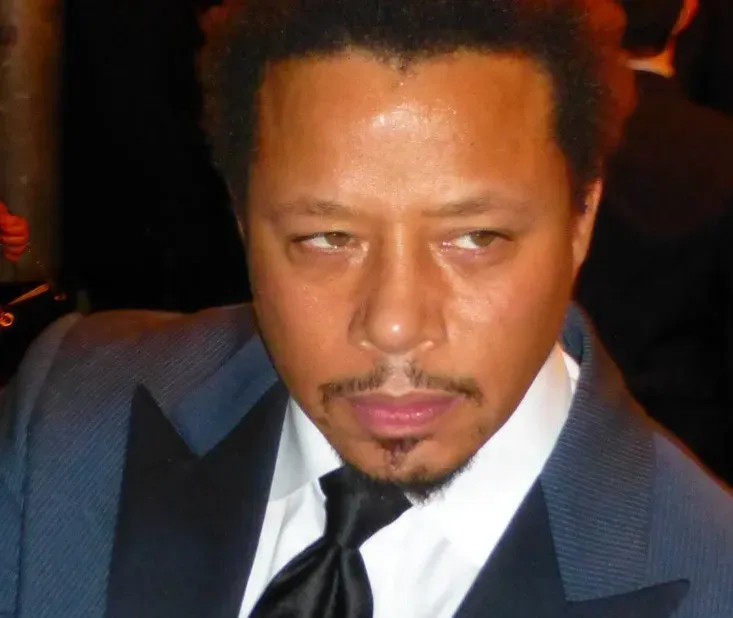
Terrence Howard played Colonel James Rhodes in the very first Iron Man movie back in 2008, and by most accounts he was set to return for the sequel under a three picture deal. Terrence Howard did not reprise his role in Iron Man 2 due to a salary dispute with Marvel Studios, and according to Howard, he was set to earn $8 million in the second film. Instead, he says he was told the studio believed the follow up would succeed with or without him, and offered a fraction of that number.
Howard has repeated the story for over a decade, and it clearly still stings. Money was the leading factor behind the recasting, and it remains the highest-profile actor swap outside the Norton and Ruffalo Bruce Banner change. Don Cheadle stepped into the War Machine armor for Iron Man 2 and never looked back, while Howard has never returned to the role, treating the whole saga as a closed chapter he still occasionally reopens in interviews.
Edward Norton walked away from the Hulk on his own terms
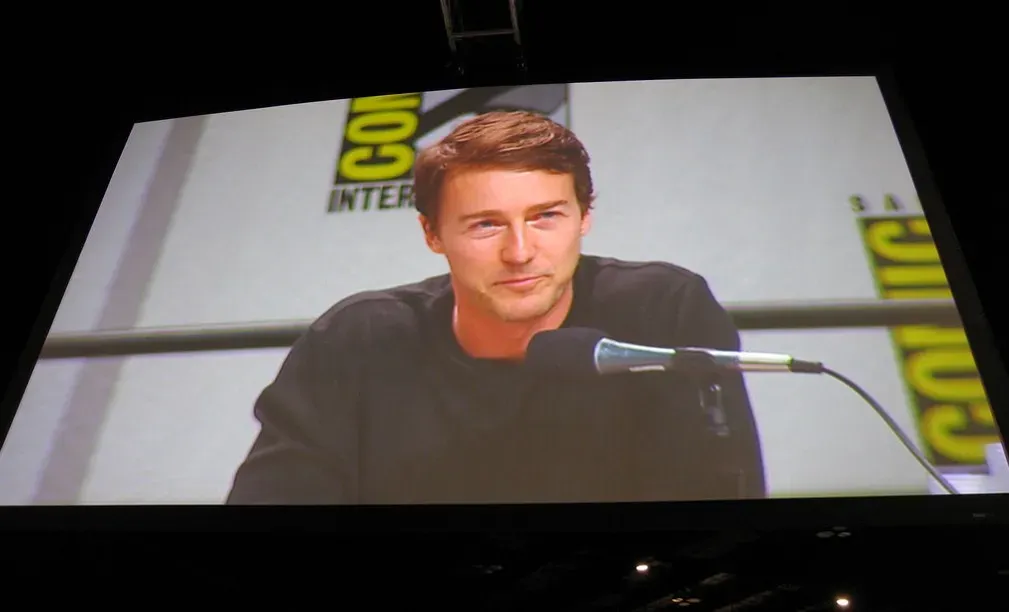
Edward Norton starred as Bruce Banner in 2008’s The Incredible Hulk, a film that came before Marvel Studios had built its now familiar machine. Norton reportedly expected a level of control over the film’s creative process, leading to conflicts with Marvel Studios and director Louis Leterrier. That friction, combined with a public dispute over the film’s runtime, made a second outing unlikely long before anyone made an official announcement.
When Mark Ruffalo was unveiled as the new Hulk at Comic Con in 2010, Norton offered his own explanation years later. In an interview with NPR in 2014, Edward Norton discussed not returning as the character in The Avengers and beyond, mentioning that he had experimented and experienced what he wanted to and really enjoyed it, but that doing something too many times can become hard to shed. He has since said there’s no bad blood with Ruffalo, but he has kept his distance from the green suit ever since.
George Clooney refuses to put the Batman suit back on
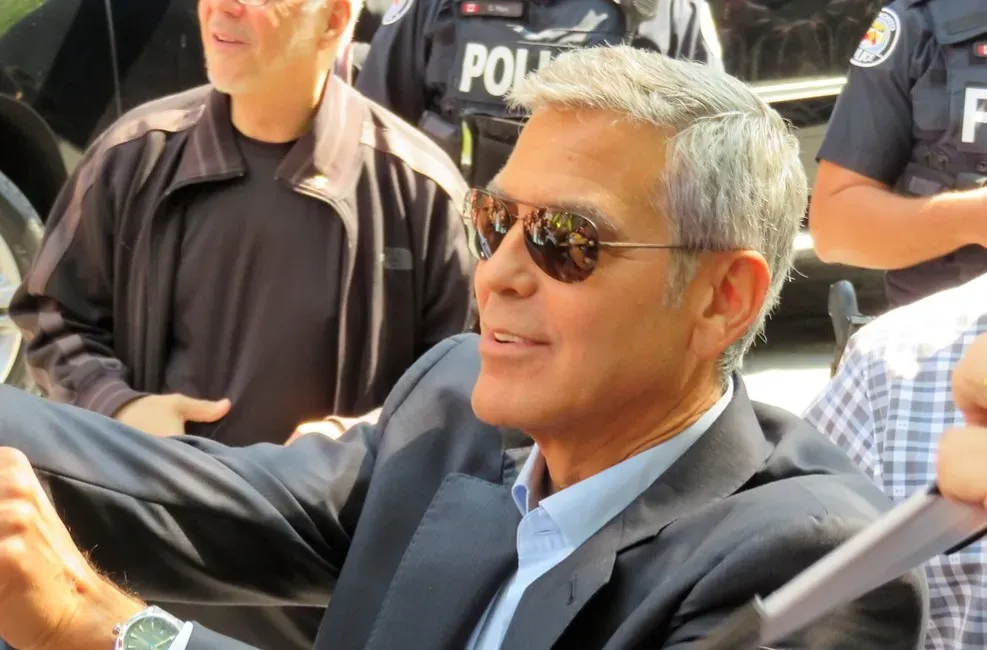
George Clooney’s turn as the Caped Crusader in 1997’s Batman & Robin is remembered as one of the character’s lowest points on screen, and Clooney has never pretended otherwise. He has joked that he had “ruined the franchise,” a line he has repeated in various forms for years. Even after Michael Keaton and Ben Affleck returned to their old Bat suits for The Flash, Clooney kept his distance from the cowl.
He did make a brief cameo as an alternate universe Bruce Wayne at the very end of that film, but he made clear it changed nothing. George Clooney doubled down on never returning to play Batman ever again, saying there wasn’t enough drugs in the world for him to go back, despite acknowledging there had been a clamor for his comeback. For Clooney, one disastrous outing was plenty, and no amount of nostalgia has been enough to bring him back.
Daniel Craig’s exhaustion with James Bond became legendary
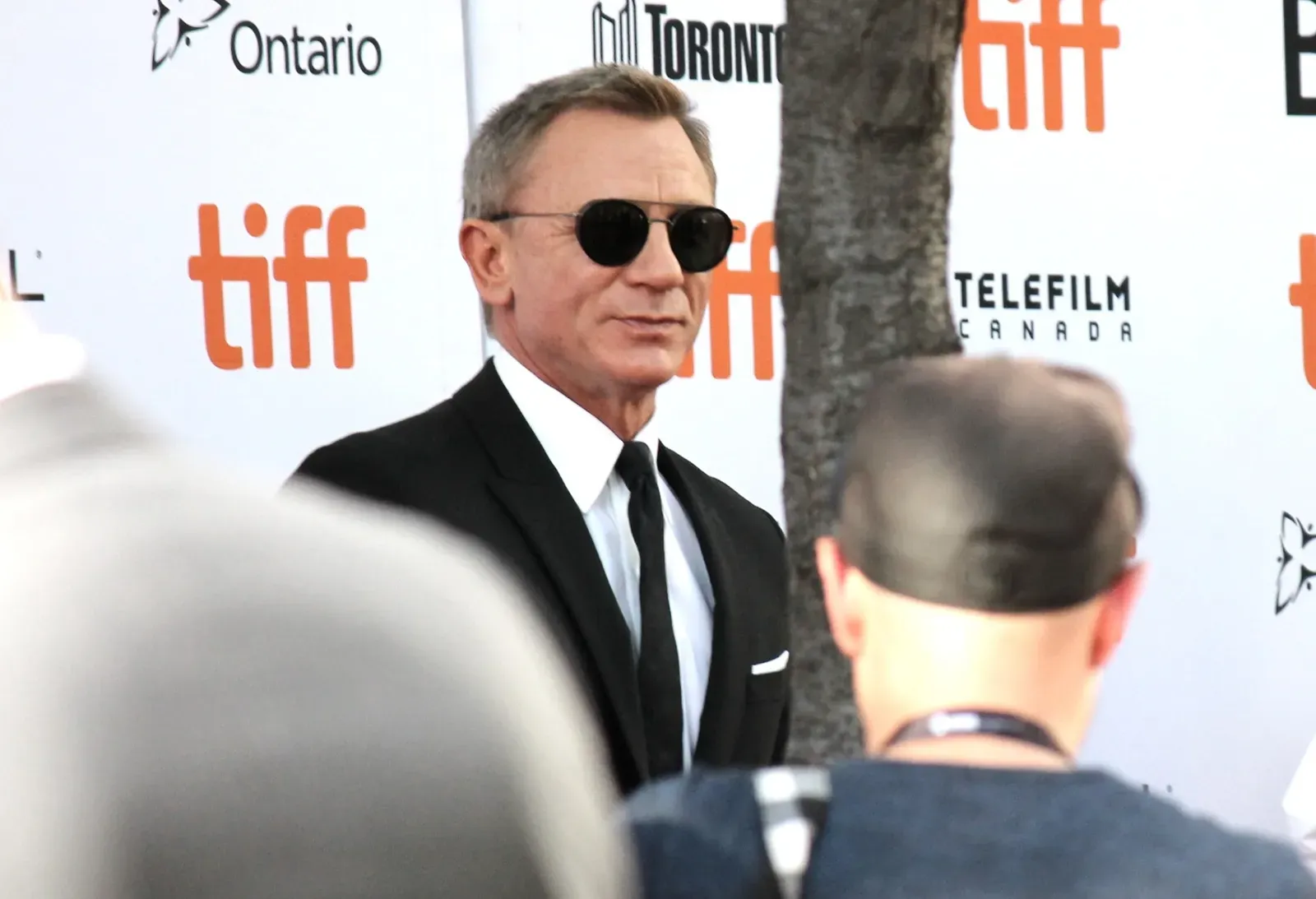
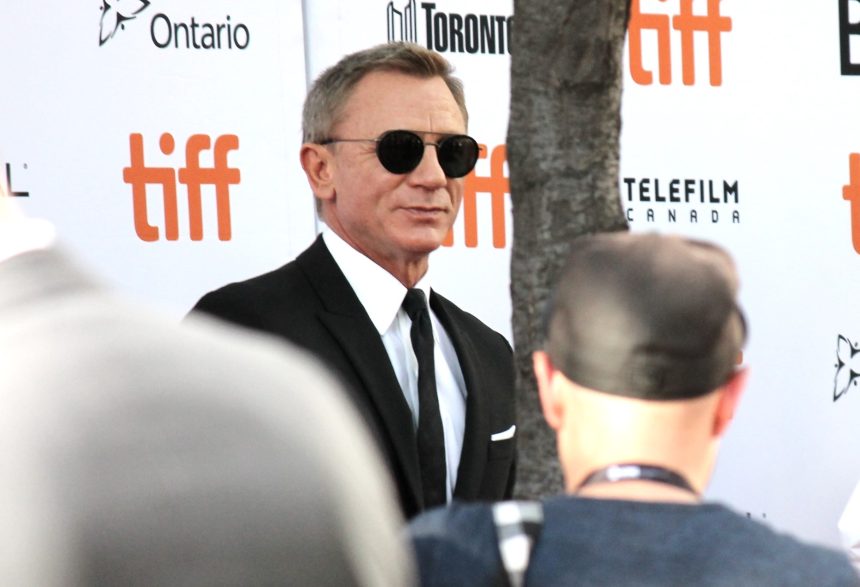
Daniel Craig’s relationship with 007 was famously complicated almost from the start, but it reached a breaking point right after finishing Spectre in 2015. The actor told TimeOut London he’d rather commit suicide than take on Bond again, saying he’d rather break a glass and slash his wrists. He went further, admitting the only reason he’d ever consider a return would be for the paycheck.
Craig did eventually come back for one final film, No Time to Die, largely because producer Barbara Broccoli talked him into closing out the story properly. But that film gave Bond something no previous entry had, an actual ending for the character, which effectively made Craig’s departure permanent rather than just another walkback. He has since acknowledged the wrist comment was an overreaction born of pure exhaustion, but he never suggested for a moment that he’d suit up again.
Michael Caine’s honesty about Jaws: The Revenge never wavered
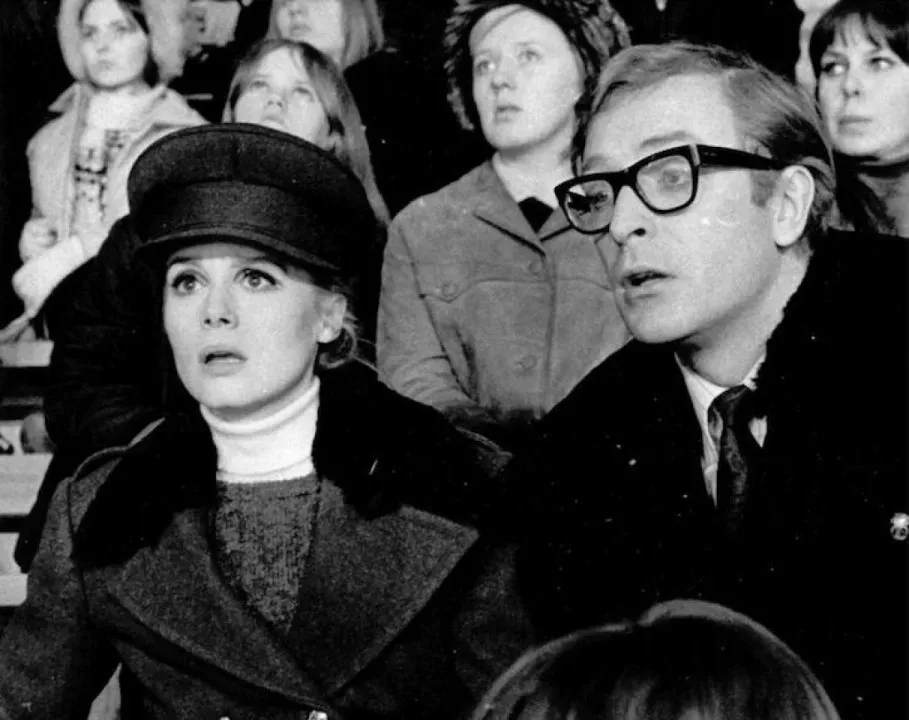
Michael Caine took a supporting role in 1987’s Jaws: The Revenge for a simple reason: the money helped finish building his family’s new home in Oxfordshire. He was offered around $1.5 million dollars for a week’s work, and he later gave the amazingly honest line that he had never seen the film, but by all accounts it was terrible. The film went on to receive a zero percent critic score and several Golden Raspberry nominations, cementing its reputation as one of the worst sequels ever made.
Partner offer
Caine never appeared in another Jaws film, and he has stuck to his story for decades that he genuinely never sat through it. He once told an Australian interviewer he hadn’t seen the film but had seen the house it bought, calling that house marvelous. In a fitting bookend to a long and storied career, Caine announced his retirement from acting altogether, closing the book on a filmography that included this infamous, unwatched entry.
Christian Bale hung up the cape after Dark Knight Rises
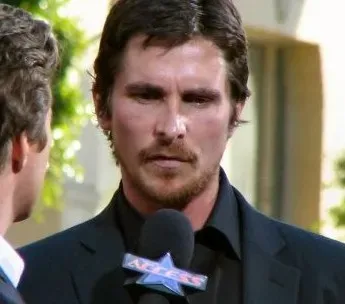
Christian Bale spent nearly a decade as Bruce Wayne across Christopher Nolan’s trilogy, finishing with The Dark Knight Rises in 2012. He has said many times since that he views that film as the definitive end of his Batman story, one with a beginning, middle, and end that he had no interest in disturbing. When Warner Bros. later built out its own connected DC universe with Batman v Superman and Justice League, the studio reportedly explored bringing him back, and Bale turned it down.
His reasoning has stayed consistent: the character’s arc under Nolan felt complete, and revisiting it under different creative hands risked undoing something he was proud of. Unlike other actors who return for a payday or a nostalgia play, Bale has treated his Batman years as a closed trilogy rather than an open door. It’s a rare example of an actor choosing artistic closure over an easy franchise paycheck.
Shia LaBeouf left Transformers behind for good reason
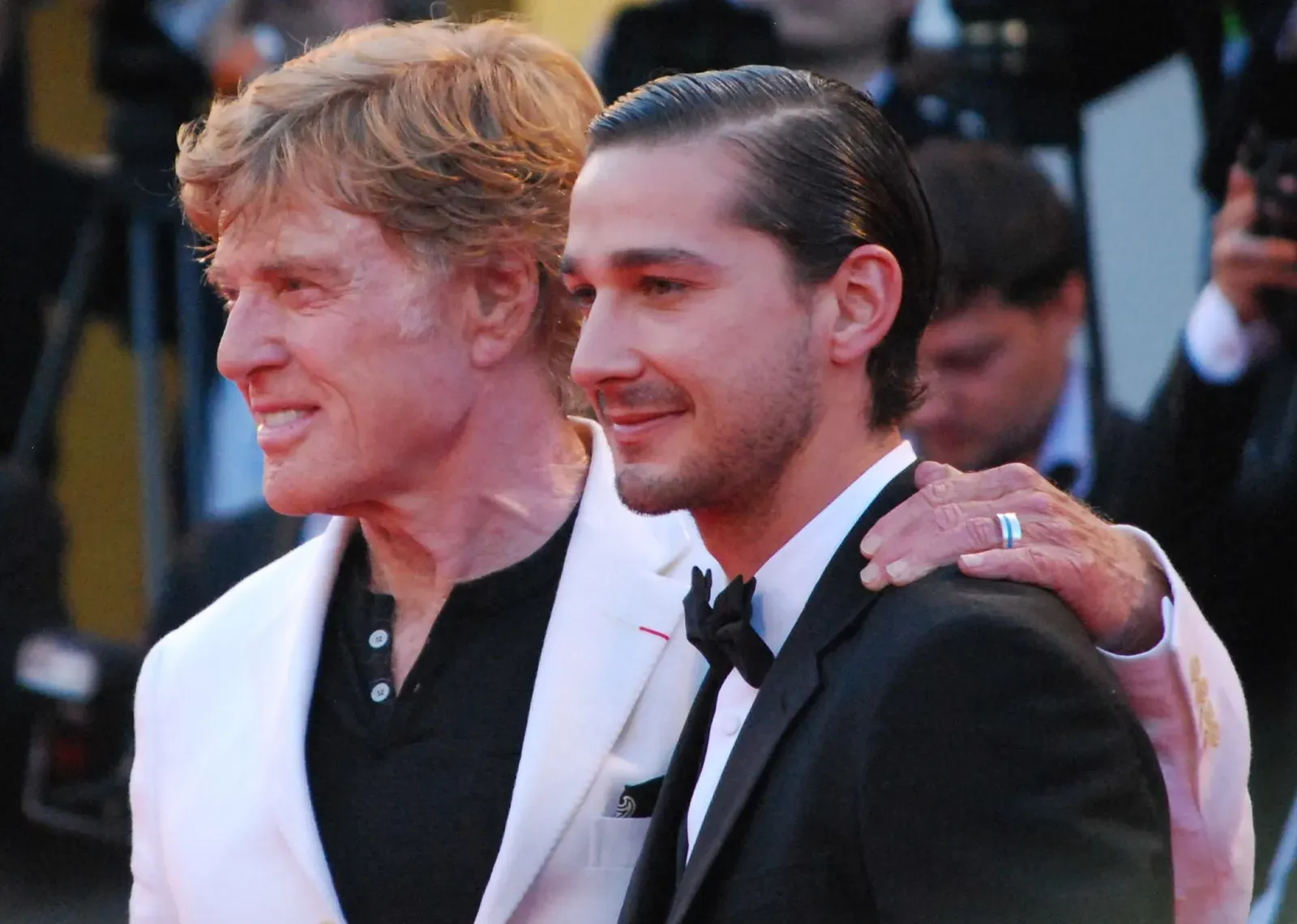
Shia LaBeouf starred as Sam Witwicky across the first three Transformers films, helping turn the franchise into one of the biggest action series of its era. After Transformers: Dark of the Moon in 2011, he announced he was done, choosing to step away from the big budget machine in favor of smaller, more personal projects. He was notably candid in interviews about feeling unfulfilled by the franchise’s spectacle driven approach.
Michael Bay and the studio moved on without him, rebooting the human cast entirely for Transformers: Age of Extinction with Mark Wahlberg taking the lead. LaBeouf never expressed regret about the decision, and his subsequent career took him toward independent films and roles that leaned heavily on dramatic range rather than blockbuster scale. It remains one of the cleanest examples of a young star walking away from a guaranteed payday on principle.
Sean Connery’s original break from Bond gave the franchise its most ironic sequel title
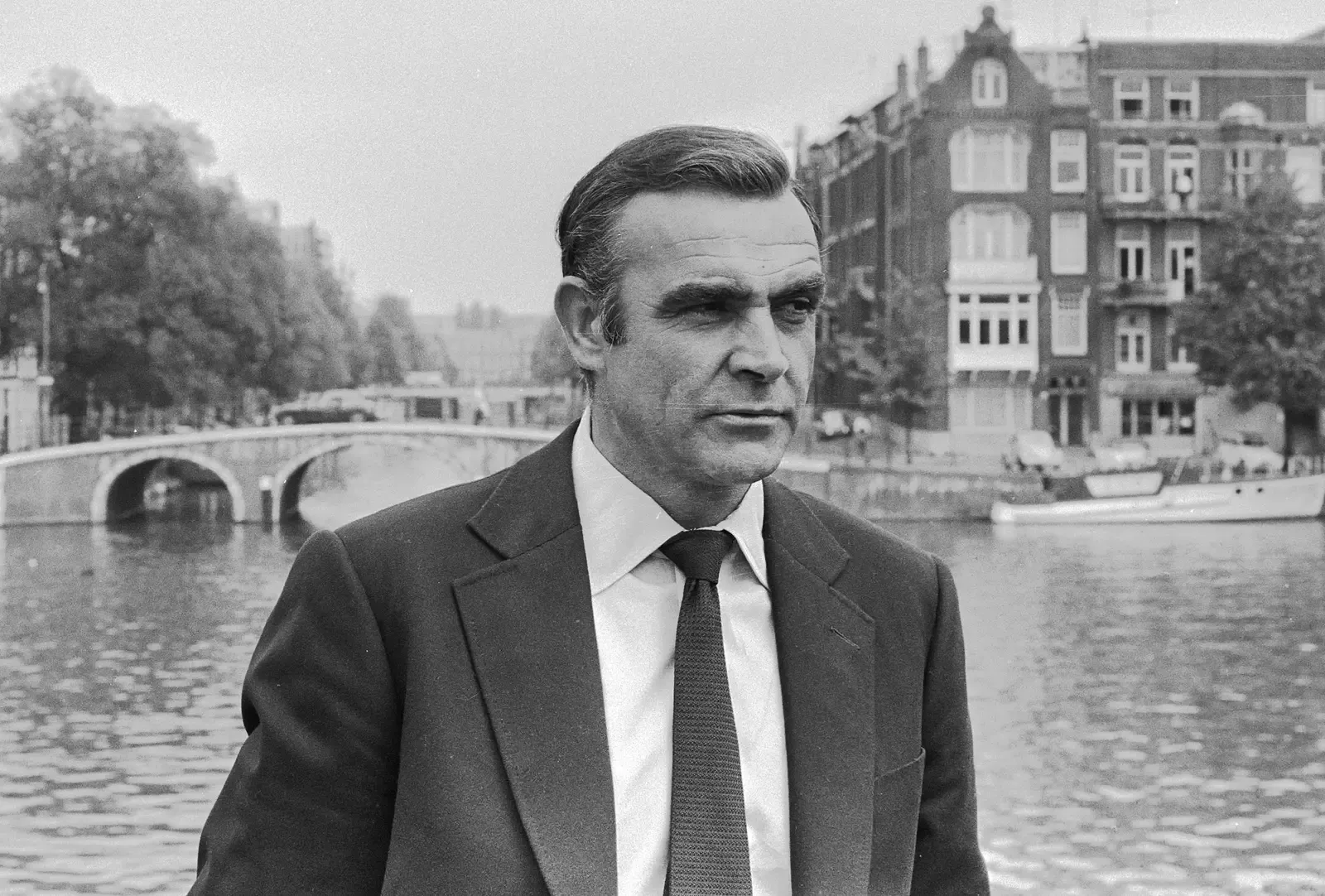
Sean Connery first announced he was finished playing James Bond after You Only Live Twice in 1967, tired of the physical demands and the way the role had begun to overshadow the rest of his career. He returned once more for Diamonds Are Forever in 1971, largely for an enormous paycheck, before insisting again that he was truly finished with the character for good. That second declaration held for over a decade within the official Eon Productions series.
Connery only returned to the role once more, in 1983’s Never Say Never Again, a film made outside the main franchise due to a separate rights holder owning the story. The title was a direct, knowing wink at his own earlier vow, and it remains one of the more amusing ironies in franchise film history. Connery never played Bond again after that, making his second retirement, in spirit if not quite in letter, the one that truly stuck.
What these refusals actually tell us about franchise fatigue

Looking across these eight cases, a pattern emerges that has little to do with box office numbers and everything to do with how an actor experiences the work itself. Some, like Norton and Bale, left because they felt the story had reached its natural end. Others, like Howard and Craig, were driven out or worn down by money and exhaustion rather than any grand artistic statement.
Caine and Connery both show that even a genuinely bad experience or a tired body can produce a decades long boundary that never gets crossed again. Clooney and LaBeouf, meanwhile, prove that public embarrassment or creative frustration can be just as powerful a deterrent as any contract dispute. Sequels keep multiplying across Hollywood, but these eight refusals are a reminder that not every actor is willing to go back, no matter how loud the clamor gets.
Partner offer
Planning a trip to Vegas?
Compare hotel rates and show tickets on VEGAS.com.