Every few years, a beloved movie or show gets a sequel, and fans open the credits expecting familiar faces. Instead, they find strangers wearing the same names. It happens more often than casual viewers realize, and the reasons behind these full cast swaps are rarely as simple as a scheduling conflict.
Sometimes it comes down to money, sometimes to age, and sometimes to a creator finally getting the chance to do things their own way. Looking at a handful of real examples from the past four decades, a pattern starts to emerge about why studios decide a fresh start is worth the risk of upsetting loyal audiences.
Percy Jackson and the Olympians swapped its movie stars for a more faithful cast
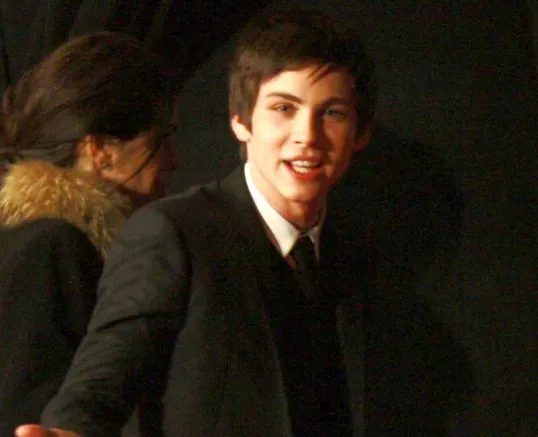
When Disney+ rebooted Percy Jackson as a television series in 2023, it didn’t bring back Logan Lerman, Alexandra Daddario, or Brandon T. Jackson from the 2010 and 2013 films. Instead, Walker Scobell, Leah Sava Jeffries, and Aryan Simhadri took over as Percy, Annabeth, and Grover. Author Rick Riordan had publicly criticized the original films for years, and in 2018 the author published a statement summarizing his poor experience consulting on the production of the first film, even including emails he had allegedly sent to the film’s producers in 2009, cautioning against aging up the cast, and criticizing the script.
That advice went unheeded the first time around, since Logan Lerman, playing Percy, was 17 when he filmed Percy Jackson & the Olympians: The Lightning Thief and 21 when he filmed its sequel, Percy Jackson: Sea of Monsters, despite Percy being 12 in the books. With Riordan running the show this time, the producers made sure the new cast matched the source material, and Scobell, 14, was joined by Leah Sava Jeffries, also 14, and Aryan Simhadri, 17, who play Annabeth and Grover, respectively, making up a more diverse ensemble than what’s represented in the books. The gamble paid off commercially too, as season one emerged as the platform’s most watched show in 2024 with over 3 billion minutes viewed.
Narnia is starting over with an entirely new generation of actors
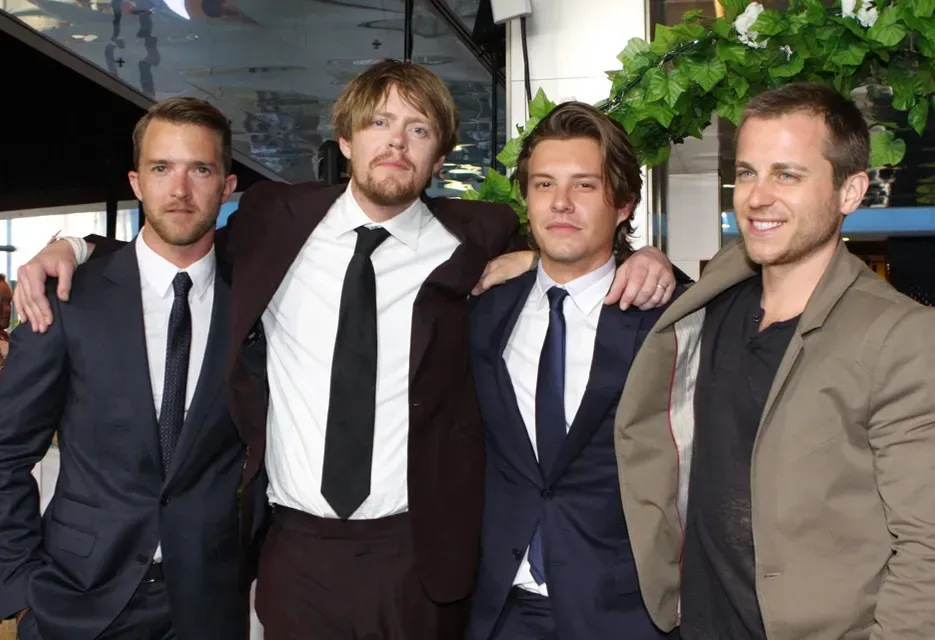
Netflix’s upcoming Chronicles of Narnia adaptation, directed by Greta Gerwig, is not simply adding new sequels to the 2005 through 2010 film trilogy. It is starting fresh with a different cast, a different tone, and even a different book. Rather than reusing the Pevensie children or Tilda Swinton’s take on the White Witch, the producers behind this version have referred to the film as a reboot due to the fact that the film features a new creative team not associated with those who worked on the previous three films.
Gerwig chose to adapt The Magician’s Nephew first, since instead of adapting The Lion, The Witch and the Wardrobe, Greta Gerwig’s Narnia movie is tackling The Magician’s Nephew, which meant an almost entirely new set of characters from the start. Emma Mackey now plays a younger version of the White Witch that Tilda Swinton once made iconic, and the filmmakers even shifted the story’s setting from the novel’s Victorian 1900 setting to 1955. Netflix had spent heavily to control the franchise, having paid nearly $250 million for the rights to all seven books, so this recast was as much a creative reset as a financial one.
Interview with the Vampire replaced Tom Cruise and Brad Pitt for a bigger story
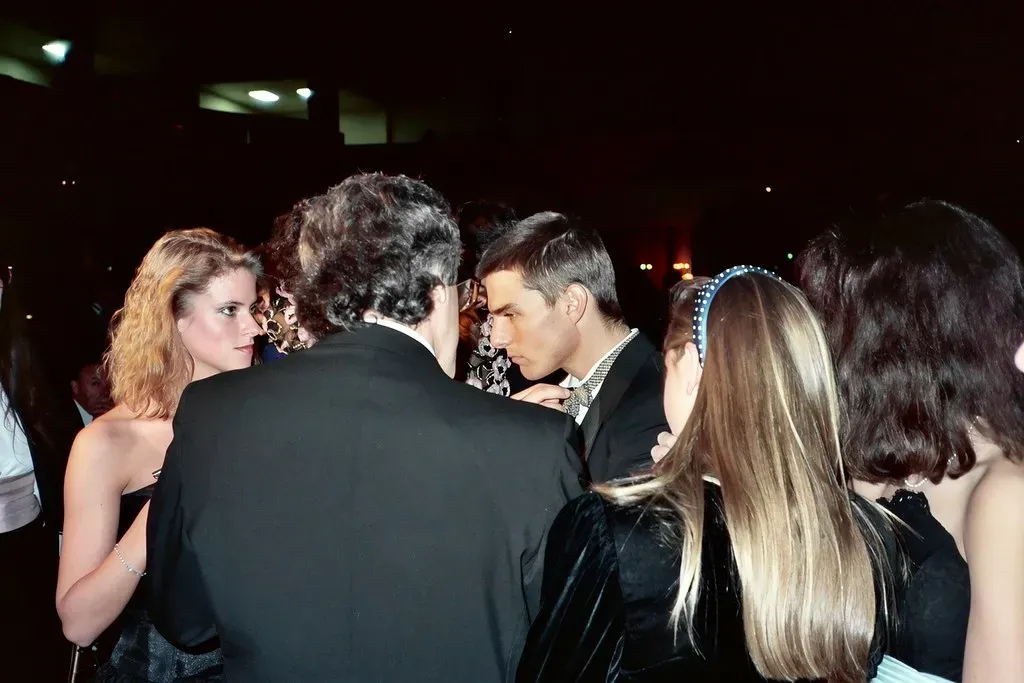
AMC’s 2022 series version of Interview with the Vampire didn’t try to compete directly with the star power of the 1994 film. It simply moved on. In August 2021, it was announced that both Sam Reid and Game of Thrones alum Jacob Anderson would be assuming the roles of Lestat and Louis, previously played by Tom Cruise and Brad Pitt, respectively.
The bigger reason for the overhaul was scope. AMC had acquired far more material to work with than the original film ever had, since a series order was made in June 2021, after AMC Networks purchased the rights to intellectual property encompassing 18 of Rice’s novels in 2020. The new cast allowed the story to go places the film never could, and the series embraces the queer elements of Rice’s work, which are only insinuated in the 1994 film adaptation, and deals with themes such as subjectivity, race, and abuse. Even young Claudia was reimagined for practical reasons, since the series chose to age Claudia a little more for reasons both practical, the difficulty of having a child actor look the same across seasons, and for the possibilities of story.
Teen Wolf Too lost its star because he simply didn’t want to come back
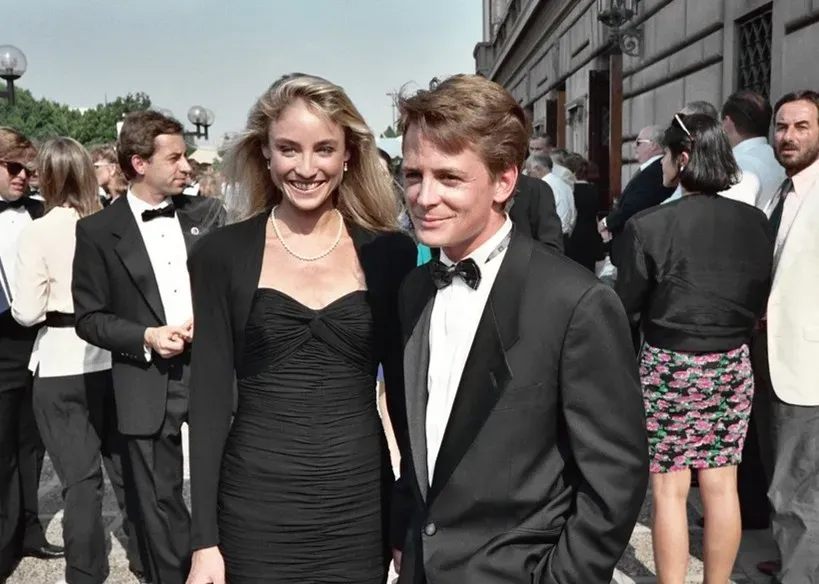
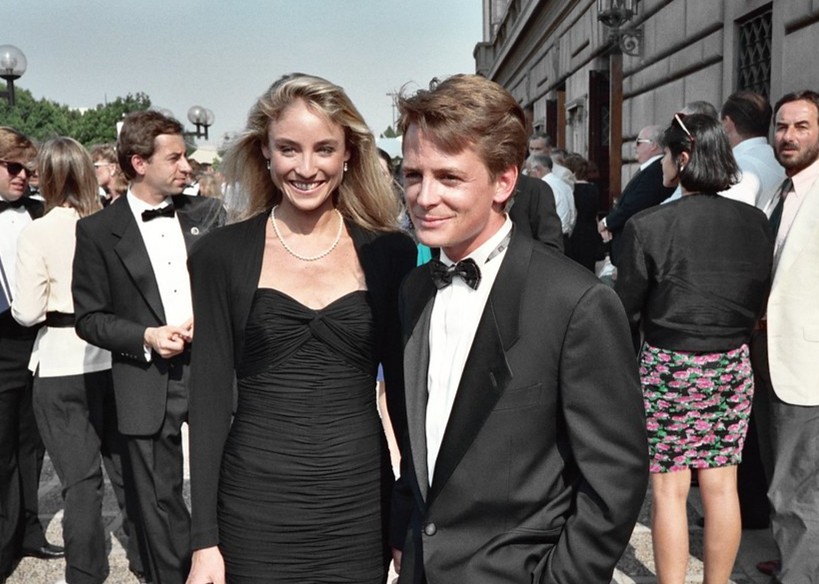
Not every recast is about creative vision. Sometimes the original actor just says no. Michael J. Fox turned down Teen Wolf Too in 1987 partly because of the physical toll of the role, since one of the reasons for Michael J. Fox’s refusal to reprise his role in the sequel to Teen Wolf is that he had no desire to go through the arduous process again of getting into makeup to play the werewolf.
The studio pushed ahead anyway, casting a young Jason Bateman as a cousin of Fox’s original character rather than trying to replace Fox outright. In fact, the film stars Jason Bateman, in his feature film debut, as the cousin to Michael J. Fox’s character from the first installment. Critics were not kind to the swap, and the movie went on to hold an 8% rating on Rotten Tomatoes based on 24 reviews, a reminder that recasting can solve a scheduling problem without solving a quality one.
Grease 2 moved on to a new class at Rydell High
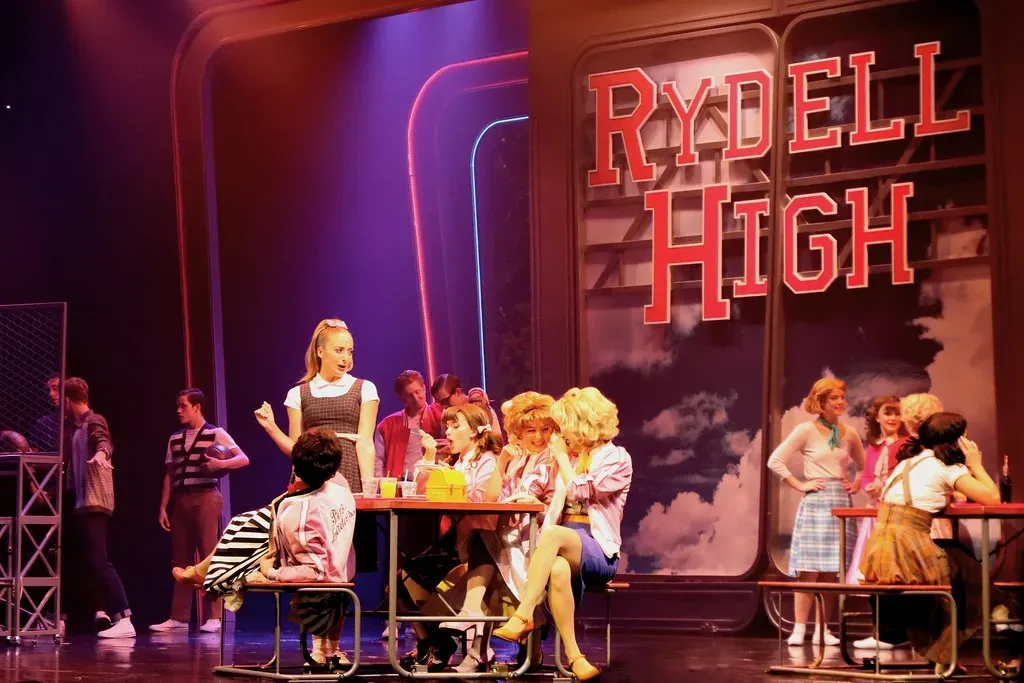
Grease 2 arrived in 1982 without John Travolta or Olivia Newton-John, and the filmmakers didn’t even try to explain their absence with a plot twist. The story simply advanced to the next school year at Rydell High, introducing an entirely new set of students led by Michelle Pfeiffer and Maxwell Caulfield.
This approach let the studio keep cashing in on the Grease brand without depending on two stars who had already moved on to other projects. It also meant the sequel had to stand entirely on its own charm rather than lean on nostalgia for familiar faces, which turned out to be a tough ask given how tightly audiences had bonded with the original leads. The film is often cited as one of the clearest examples of a sequel choosing a full reset over a returning cast, for better or worse.
Kindergarten Cop 2 swapped Schwarzenegger for a new leading man decades later
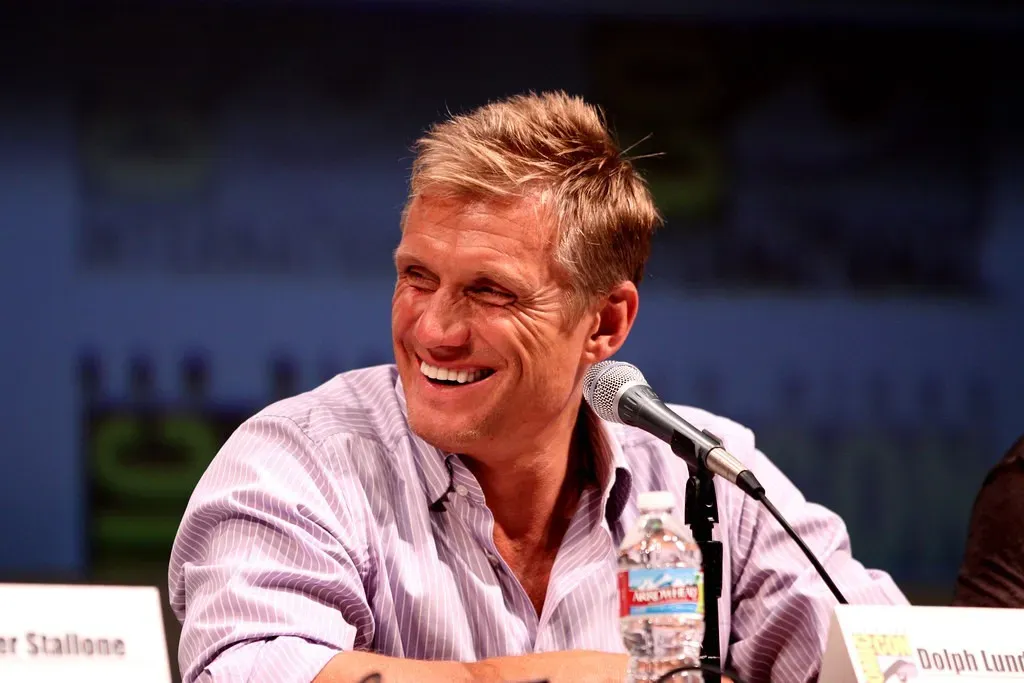
More than a quarter century after the original film, Kindergarten Cop 2 arrived in 2016 as a direct to video sequel with Dolph Lundgren stepping into the lead role once played by Arnold Schwarzenegger. There was no attempt to bring the original star back for even a cameo.
By that point, Schwarzenegger’s career and public profile had moved well beyond small budget family comedies, and the project was never positioned as anything more than a modest streaming release. Lundgren’s casting made commercial sense for a film built on a much smaller budget and a much lower profile than the 1990 original, proving that some recasts happen simply because the star who made the first film famous has outgrown the format entirely.
Gossip Girl’s reboot let its teenagers grow up and stay off screen
When HBO Max revived Gossip Girl in 2021, the show didn’t ask Blake Lively, Leighton Meester, or Penn Badgley to return as students. Instead, it introduced a completely new group of teenagers at the same fictional school years after the original cast had graduated into adulthood.
Keeping the timeline moving forward made sense from a storytelling perspective, since the entire premise depends on characters who are still enrolled in high school. Kristen Bell returned only as the voice of the anonymous narrator, tying the new generation to the old one without forcing former teen stars to play teenagers well into their thirties. It is a recast driven almost entirely by the calendar rather than creative disagreement.
That ’90s Show handed the spotlight to a new generation of kids
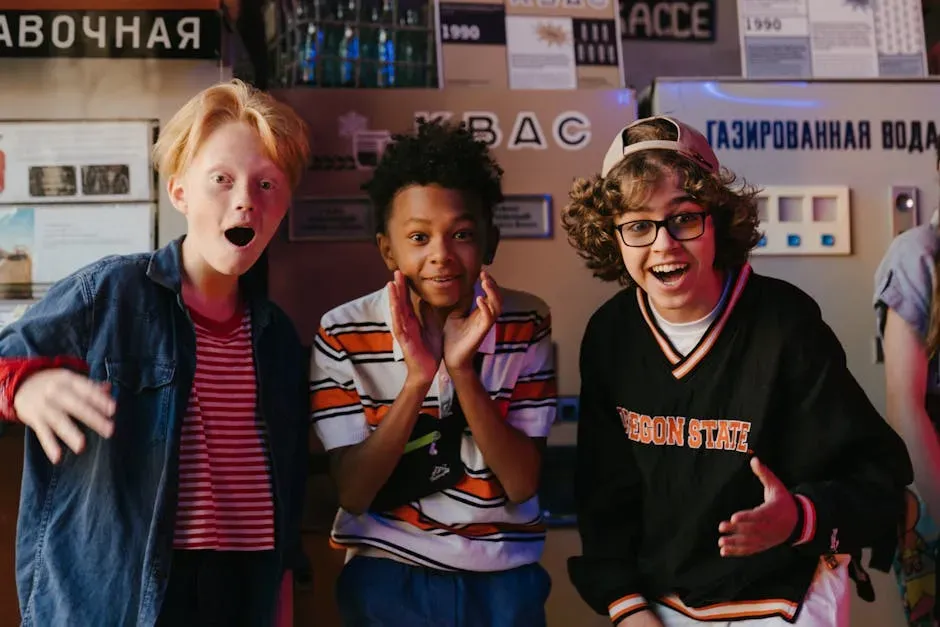
Netflix’s 2023 sequel series to That ’70s Show followed a similar logic. Rather than centering the story on Eric, Donna, Kelso, and the rest of the original friend group, the show introduced Leia Forman, daughter of Eric and Donna, along with a fresh set of teenage friends living in 1995.
The original cast members did return, but only in supporting roles as parents and older relatives visiting the same basement where the story once unfolded. This structure let the show honor nostalgia for longtime fans while still building its core cast around actors who were actually teenagers, avoiding the awkwardness of watching grown adults pretend to be high schoolers again. It is a gentler version of a full recast, since familiar faces stayed in the picture even as new ones took the lead.
Anaconda’s sequels ditched their entire cast to keep the franchise cheap and flexible

The original Anaconda in 1997 starred Jennifer Lopez, Ice Cube, and Jon Voight chasing a giant snake through the Amazon. None of them returned for the sequels that followed, since each new Anaconda film introduced a brand new group of characters facing the same basic threat in a slightly different jungle setting.
This approach turned the franchise into something closer to an anthology series than a traditional sequel chain, where the snake itself mattered more than any human character. It also kept production costs manageable, since the studio never had to negotiate with, or wait around for, a returning star. For a franchise built on B movie thrills rather than character development, a full recast every time was simply the cheapest and easiest way to keep the snakes coming.
What these recasts have in common

Looking across all of these examples, the pattern is less about disrespecting original actors and more about practical limits colliding with creative ambition. Sometimes an author wants a more faithful adaptation, sometimes a story needs to age forward with time, and sometimes a studio simply cannot get the original star back on any reasonable budget or schedule.
What ties Percy Jackson, Narnia, Interview with the Vampire, and even the scrappier examples like Teen Wolf Too and Anaconda together is a willingness to bet that the story matters more than any single performance attached to it. Audiences don’t always embrace that bet right away, but a few of these recasts, particularly the more recent ones, suggest that a fresh cast can occasionally do more justice to the source material than the faces fans first fell in love with.