Every awards season ends the same way: a winner gets announced, some people cheer, and a whole lot of others quietly mutter “seriously?” under their breath. The Oscars have been handing out gold statues since 1929, and in that time they’ve produced plenty of wins that critics, film historians, and casual moviegoers alike have never quite made peace with. Some of these choices looked strange even on the night they happened. Others only aged badly once time gave audiences distance from the hype.
What follows isn’t a list of bad movies or untalented performers. Most of these winners are perfectly fine on their own terms. The real issue is what they beat, and how history has judged the gap between the trophy and the runner-up. These are the wins that still spark arguments at film school bars and Twitter threads decades later.
1. Crash Over Brokeback Mountain (2006)
This is probably the single most cited “wrong winner” in modern Oscar history. Brokeback Mountain arrived as the presumed frontrunner, having already claimed the Golden Globe, the BAFTA, and the Critics Choice Award for best picture before Oscar night. Brokeback had already won the BAFTA, Golden Globe and Critics Choice Award for best picture at that point in the season. Ang Lee even won Best Director for the film that same night, which made the Best Picture snub feel even stranger. Brokeback Mountain did win three other Oscars that year for Best Director, Best Adapted Screenplay for Larry McMurtry and Diana Ossana, and Best Original Score for Gustavo Santaolalla.
The reaction has never really faded. Many industry pundits to this day consider the decision to be one of the Academy’s worst in history. Ang Lee himself later suggested the loss came down to lingering discrimination, telling an interviewer that the film “had a ceiling. We got a lot of support – up to that much.” Twenty years on, cast members are still baffled by it, with co-star Michelle Williams recently asking pointedly, “I mean, what was ‘Crash’?”
2. Shakespeare in Love Over Saving Private Ryan (1999)
Few upsets get name-checked as reliably as this one whenever critics compile lists of Oscar surprises. In 1999, Shakespeare in Love slaughtered Saving Private Ryan, in what remains one of the illustrious history of best picture upsets. Steven Spielberg’s war epic had reshaped how audiences thought about combat filmmaking, particularly through its unflinching opening sequence, and it entered the ceremony as the sentimental and critical favorite.
Instead, the Miramax-backed romantic comedy took the top prize, a result widely attributed to an aggressive and unusually lavish awards campaign run by producer Harvey Weinstein’s studio at the time. The win has become something of a textbook example in Hollywood of how campaigning, rather than pure merit, can tip a close race. Even people who genuinely enjoy Shakespeare in Love as a clever, well-acted comedy tend to admit that stacking it against Saving Private Ryan for the industry’s top honor never quite made sense.
3. How Green Was My Valley Over Citizen Kane (1942)
This one might be the oldest entry on any “worst Oscar decision” list, and it’s aged into something like an urban legend of its own. John Ford’s How Green Was My Valley is a handsomely made family drama, but the film it beat, Orson Welles’ Citizen Kane, is routinely ranked among the greatest movies ever made. There was 1942, when John Ford’s How Green Was My Valley snatched victory from Citizen Kane.
Part of the reason this loss still stings is how far Citizen Kane’s reputation has grown since 1941, while How Green Was My Valley, though respected, rarely appears on best-of-all-time rankings anymore. Some of that gap was political even at the time. Studio mogul William Randolph Hearst reportedly saw the film as a thinly veiled attack on him and used his newspapers to pressure the industry against it. Whatever the mix of reasons, this remains the gold standard example that Oscar history gets cited to remind people that “Best Picture” and “best film” aren’t always the same thing.
4. Green Book (2019)
Few Best Picture wins in recent memory generated backlash as immediate as this one. Green Book beat out Roma, BlacKkKlansman, and Black Panther, and the reaction inside the Dolby Theatre told its own story. According to reports from inside the Dolby Theatre, BlacKkKlansman director Spike Lee was visibly upset by the announcement and tried to leave the ceremony before the speeches had concluded, but he was stopped at the doors and was forced to return to his seat.
Critics of the film argued it flattened a complicated story about race in the Jim Crow South into a feel-good buddy comedy. Most connoisseurs agreed Green Book wasn’t as artistically ambitious as Alfonso Cuarón’s Roma, nor as coruscatingly relevant to the times as Spike Lee’s BlacKkKlansman. The family of Dr. Don Shirley, the real-life musician portrayed in the film, went even further, publicly calling it a “symphony of lies.” Nearly a decade later, Green Book is still frequently cited as one of the most out-of-step Best Picture winners of the century.
5. CODA Over The Power of the Dog (2022)

This is the freshest entry here, and it still divides opinion sharply. Jane Campion’s The Power of the Dog entered the 2022 ceremony as the presumed favorite, having led the field with twelve nominations and swept critics’ awards throughout the season. The Power of the Dog led the Oscars nominations with a staggering 12, but after winning the BAFTA for Best Film, ended up winning only one Oscar, for Jane Campion in the Best Director category.
CODA, a modest Apple TV+ drama, pulled off the win with far less traditional Oscar pedigree behind it. It is the first film since 1981’s Ordinary People to win without any below-the-line nominations, and the first one in history to win while lacking both Best Director and Best Editing nominations, and with only 3 nominations, it is the least nominated Best Picture winner since 1932’s Grand Hotel. Reactions split fairly evenly between those charmed by its warmth and those who felt a technically superior, more ambitious film had been passed over for something safer and easier to love.
6. Gwyneth Paltrow, Best Actress for Shakespeare in Love (1999)
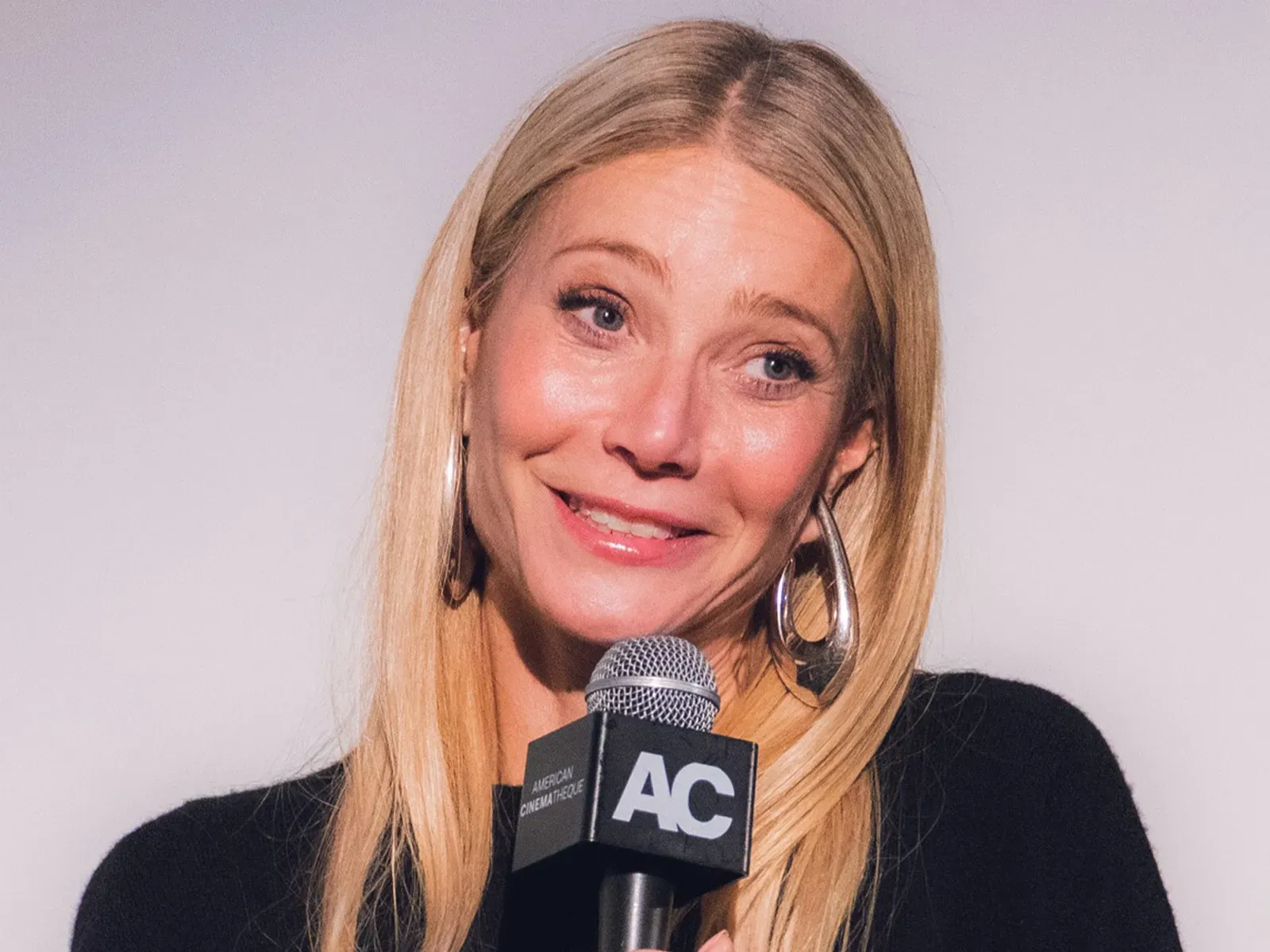
Paltrow’s win arrived the same night Shakespeare in Love swept Best Picture, and it drew similar skepticism for similar reasons. Her performance was well liked, but it went up against Cate Blanchett’s transformative turn as the young Queen Elizabeth I in Elizabeth, a role many critics considered the far more demanding and memorable piece of work that year. The comparison has stuck around ever since as a shorthand for campaign muscle outshining raw performance.
What makes this one linger in conversation isn’t outright dislike of Paltrow’s work. It’s more that Blanchett went on to become one of the defining actresses of her generation, eventually winning two competitive Oscars of her own, while the Elizabeth performance is still frequently cited by critics as the superior turn that got overshadowed by a bigger studio push. Time has a way of clarifying these things, and in this case it hasn’t been kind to the original result.
7. Marisa Tomei, Best Supporting Actress for My Cousin Vinny (1993)

No entry on this list carries a stranger footnote than Tomei’s. Her win over more established dramatic actresses like Vanessa Redgrave sparked immediate skepticism, partly because a comedy film winning in the Best Supporting Actress category was unprecedented, as dramas typically dominated the category at the Academy Awards. The backlash grew so intense that a full-blown conspiracy theory took hold.
The rumor claimed presenter Jack Palance had misread the card and accidentally announced the wrong name, with Redgrave supposedly the intended winner. Video of that year’s Academy Award telecast showed nothing of the sort had taken place, as Jack Palance plainly read Marisa Tomei’s name off the card in front of him. The theory has since been thoroughly debunked, but it lingered for years precisely because so many people simply couldn’t accept that a comedic performance had beaten out heavier dramatic work. Tomei later admitted the backlash left her shaken, saying plainly, “I was crushed.”
Looking back across these seven cases, a pattern emerges that has little to do with quality and everything to do with timing, campaigning, and the particular mood of the Academy in any given year. Some of these winners simply had louder, better-funded publicity machines behind them. Others benefited from voters feeling safer with a gentler story than the darker or more challenging alternative on the ballot. None of this means the films or performances that won were bad. It just means the Oscars, like any human institution, occasionally get outvoted by momentum instead of merit, and audiences tend to remember the difference long after the applause dies down.