Movie sets are supposed to be controlled environments, tightly scheduled, carefully budgeted, and staffed by professionals who know how to keep their tempers in check. Reality tells a different story. Some of the most celebrated films ever made were shot under conditions closer to a cold war than a collaboration, with stars and directors clashing in ways that occasionally spilled into the press and, in a few cases, into court. What follows is a look at six of the most talked-about on-set conflicts in film history, cases where the drama behind the camera became almost as famous as what ended up on screen.
Bette Davis and Joan Crawford on Whatever Happened to Baby Jane?
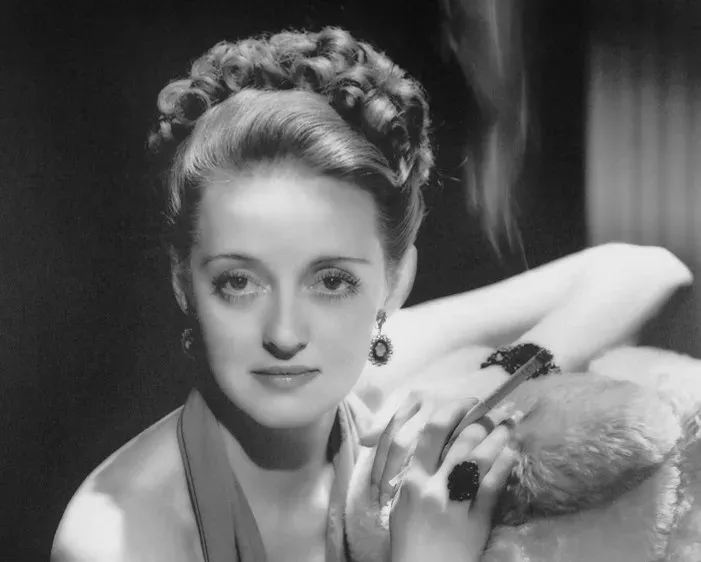
When Bette Davis and Joan Crawford signed on to play warring sisters in the 1962 psychological thriller, the two Oscar winners were already locked in a decades-long rivalry that stretched back to shared love interests in the 1930s. What is often overlooked is that the actual shoot ran more smoothly than legend suggests. Davis acted full-throttle even in rehearsal, while otherwise the set ran smoothly, and the pace left no time for grudge matches.
The real explosion came later, at the 1963 Academy Awards. Bette Davis was nominated for Best Actress for ‘Baby Jane’ but Joan Crawford was not. Crawford then made a point of accepting an award on behalf of an absent winner that night, a move Davis read as a calculated slight, and the fallout from that single evening hardened into a rivalry that outlived them both and later inspired the FX anthology series Feud.
Shelley Duvall and Stanley Kubrick on The Shining
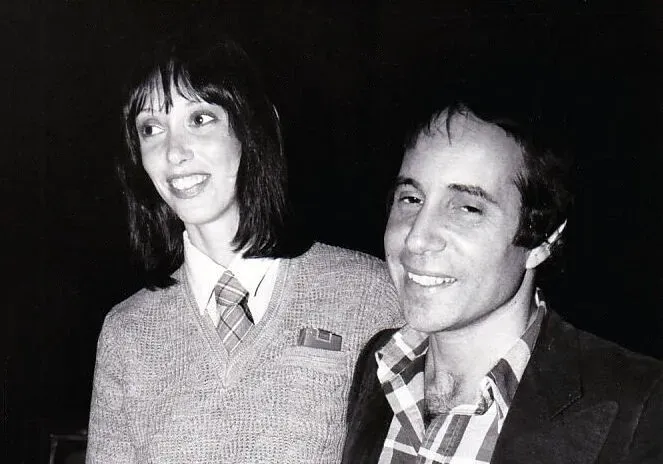
Few directors were as exacting as Stanley Kubrick, and no film demonstrates that more painfully than his 1980 adaptation of Stephen King’s The Shining. Shelley Duvall, cast as the terrified Wendy Torrance, described the shoot in devastating terms years later. She told Roger Ebert that going through day after day of excruciating work was almost unbearable, that Jack Nicholson’s character had to be crazy and angry all the time, and that her own character required her to cry twelve hours a day for the final nine months of filming.
The most infamous single sequence, the baseball bat confrontation on the hotel stairs, reportedly pushed Duvall to physical exhaustion. The result of the constant takes was that Duvall’s hands were shredded raw from gripping the bat for such a prolonged period, her voice was hoarse from crying, her eyes became swollen, and she left the set completely dehydrated. Duvall herself later pushed back on the idea that she resented Kubrick, insisting there were no hard feelings once filming ended, though she also acknowledged he had, in her words, a genuine streak of cruelty in him.
Christian Bale’s on-set rant during Terminator Salvation
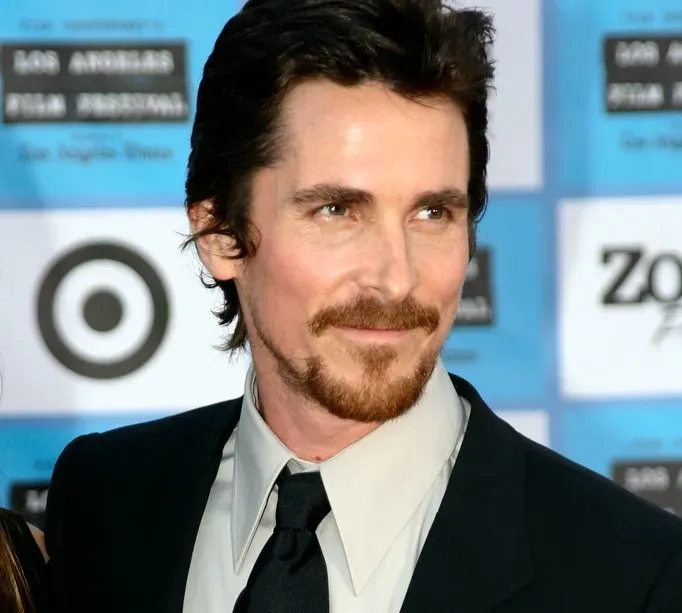
In July 2008, on a scorching New Mexico set, Christian Bale lost his composure with cinematographer Shane Hurlbut in a moment that would later define the entire production far more than the film itself. Bale verbally assaulted Hurlbut, who had walked onto set to check a light during filming, and this was apparently the second time he had done this, incensing Bale. The confrontation happened during an emotional scene opposite Bryce Dallas Howard, and it stretched on for nearly four minutes of uninterrupted profanity.
The audio leaked online in February 2009, months after the incident, turning a private blowup into a viral sensation. Bale publicly apologized for the incident, noting that he had settled his differences with Hurlbut that day, and the two continued to work together for the remainder of the production, though notably the two men haven’t worked on the same project since. Director McG later took public responsibility for the breakdown, saying it was his job to protect the atmosphere on set and that he had failed to do so.
Faye Dunaway and Roman Polanski on Chinatown
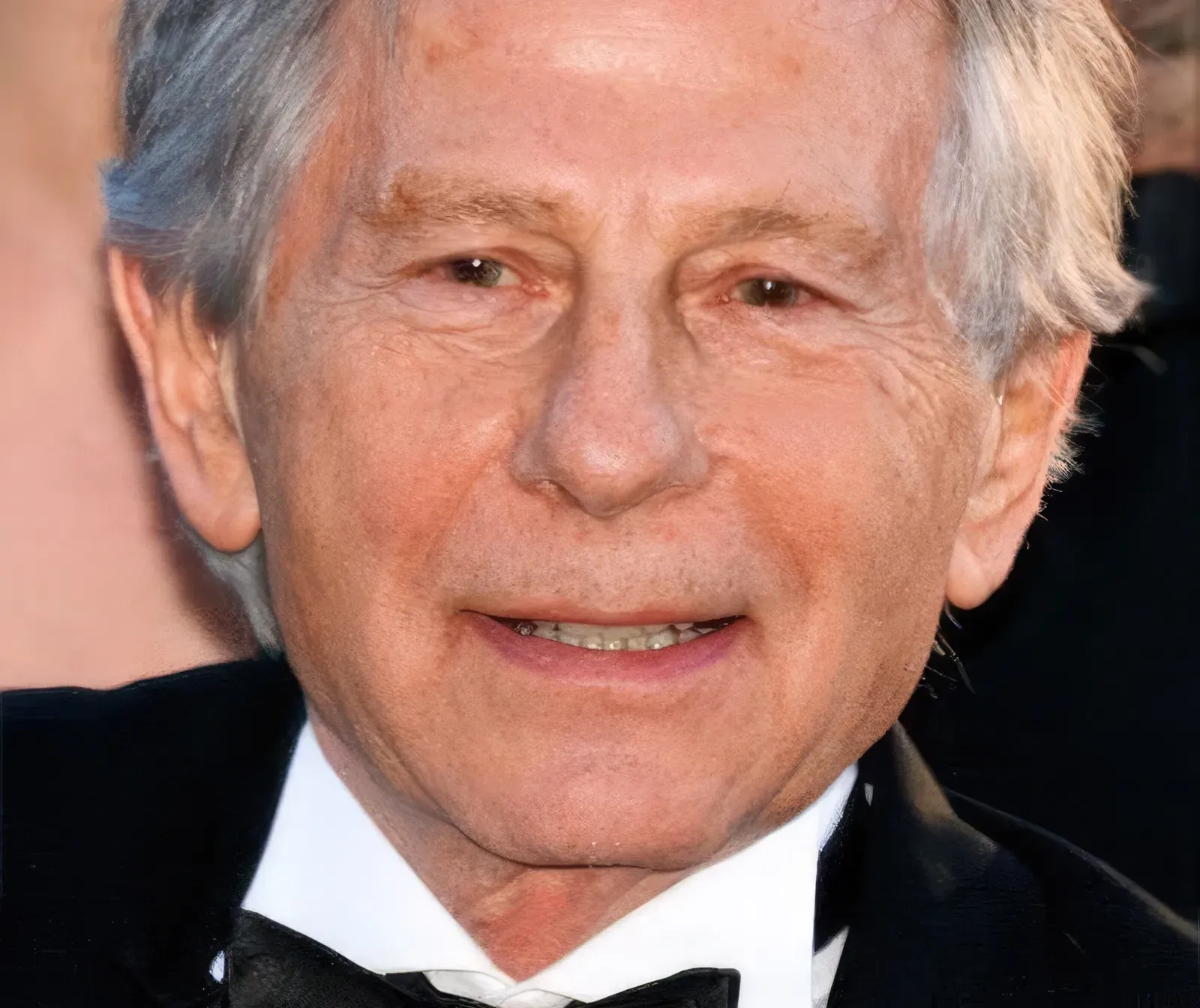
Long before social media turned every set rumor into a trending topic, Faye Dunaway and director Roman Polanski were already testing the limits of professional patience during the filming of Chinatown in 1974. Their clashes have been recounted for decades in film histories and retrospectives, centering on Polanski’s famously exacting, sometimes theatrical directing style and Dunaway’s insistence on understanding the emotional logic behind every note he gave her.
The tension reportedly reached a breaking point over something as small as a single strand of hair drifting into frame, an incident that became shorthand for how combustible their working relationship had become. Despite the friction, the finished film is now regarded as one of the defining noirs of the 1970s, a reminder that some of Hollywood’s most admired work has emerged from genuinely uncomfortable sets.
Olivia Wilde, Shia LaBeouf, and Florence Pugh on Don’t Worry Darling

Not every entry on this list is about raised voices or bruised egos. The October 2021 death of cinematographer Halyna Hutchins on the set of Rust, after a prop gun held by Alec Baldwin discharged a live round, became one of the most serious on-set incidents in modern film history and led to years of legal proceedings that stretched into 2024. In a stunning turn of events, a New Mexico judge dismissed Alec Baldwin’s Rust case on day three of his manslaughter trial, after the defense claimed live ammunition connected to the investigation had been concealed from them.
The case’s ending was not immediate. The case was dismissed on the third day of trial, with the judge tossing it out with prejudice, meaning the involuntary manslaughter case against Baldwin could not be reinstated. Prosecutors attempted an appeal that December but ultimately withdrew it, and armorer Hannah Gutierrez Reed, who loaded the live bullet into Baldwin’s gun, was separately convicted and is currently serving an eighteen-month sentence for involuntary manslaughter.
Final thoughts
What links these six stories is not simply bad temper or bad luck, but the strange pressure cooker that a film set can become when money, ego, and exhaustion collide over months of shooting. Some of these conflicts produced performances that still hold up decades later, while others left permanent scars, legal or otherwise, on everyone involved.
Hollywood has always sold audiences a polished final product, but the record shows how often the process behind it was anything but smooth.