
Rock and roll runs on excess, but every so often someone in the middle of it all decides they’ve had enough and simply leaves. Not because a label dropped them, not because the hits stopped coming, but because something inside told them to stop while the crowds were still screaming their name. These are the stories of musicians who turned their backs on stardom right when it seemed to matter most, and what happened to them afterward is often stranger than the fame they left behind.
Peter Green

Before Fleetwood Mac became the soft rock juggernaut behind Rumours, it was a blues band built entirely around Peter Green’s guitar. In 1969, the band sold more records than The Rolling Stones and The Beatles combined, and Green became one of the most famous musicians in Europe. Then, almost overnight, he walked away.
He left the band at the height of its fame after a final performance in 1970, saying he was leaving the music business “for my freedom” but was also suffering from mental health issues, and was hearing voices. He later had schizophrenia diagnosed. Friends and bandmates traced the breakdown to heavy LSD use, including a notorious party at a German commune. He began wearing robes and a crucifix, grew a beard and became obsessed with giving away all of his money. He spent much of the following decade in and out of psychiatric hospitals before slowly returning to music years later.
Syd Barrett

Syd Barrett was the founding creative force behind Pink Floyd, the one who named the band and wrote its earliest hits. By 1968, though, heavy LSD use had left him unpredictable on stage and increasingly disconnected from the people around him. His bandmates eventually stopped picking him up for gigs altogether, effectively easing him out just as the group was building the reputation that would carry it to global stardom.
Barrett moved back to his mother’s house in Cambridge and spent the rest of his life largely out of public view, painting and gardening rather than performing. He released two solo albums in the early 1970s before retreating from music entirely. Pink Floyd went on to sell tens of millions of records with albums like The Dark Side of the Moon, often writing songs that referenced the friend and founder they had left behind.
Cat Stevens (Yusuf Islam)
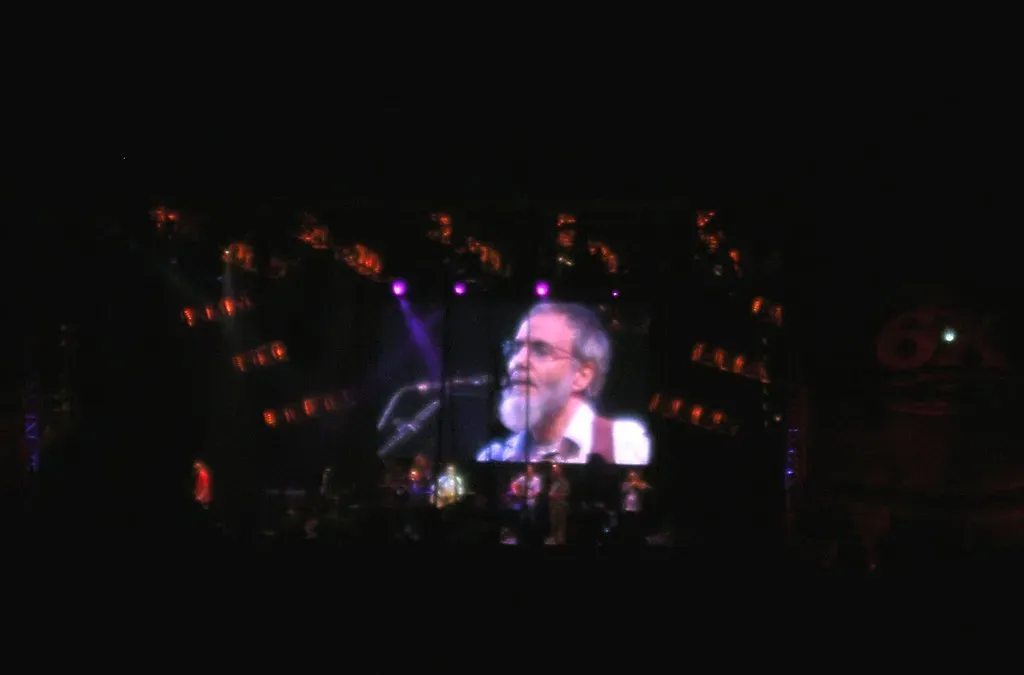
By the mid 1970s, Cat Stevens had sold tens of millions of records with songs like “Wild World” and “Peace Train,” and his albums Tea for the Tillerman and Teaser and the Firecat had gone triple platinum in the United States. Yusuf Islam, once known as recording artist Cat Stevens, walked away from the music business at the height of his career, having written and recorded hits including “Moonshadow,” “Peace Train” and “The First Cut Is The Deepest,” and having sold an astonishing 60 million albums.
He converted to Islam in 1977, sold his guitars for charity and left the music business to devote himself to the Muslim community. The answer came in November 1979 at London’s Wembley stadium when he walked onstage as Cat Stevens and walked off as Yusuf Islam, and he wouldn’t touch a guitar again for more than 20 years. He spent that time building schools and charities, only picking up a guitar again in the early 2000s and eventually releasing new music under the name Yusuf.
Grace Slick

Grace Slick spent more than two decades as one of rock’s defining voices, fronting Jefferson Airplane and later Starship through hits like “Somebody to Love” and “We Built This City.” After releasing a second Starship album, No Protection, Slick quit the group, citing her age, which was at least a decade older than the other members, and her opinion that rock was a genre best reserved for younger performers.
Partner offer
She briefly reunited with her original Jefferson Airplane bandmates for one last album and tour in 1989, then stepped away for good. During a 1998 interview with VH1 on a Behind the Music documentary featuring Jefferson Airplane, Slick said that the main reason she retired from the music business was, “All rock-and-rollers over the age of 50 look stupid and should retire.” She turned to painting full time afterward, building a second career as a visual artist rather than chasing a comeback tour like so many of her peers.
Alex Chilton

Alex Chilton had already tasted teenage stardom as the lead singer of the Box Tops before forming the cult power pop band Big Star in the early 1970s. The Box Tops continued making hits until they broke up in 1970, and Chilton formed Big Star, whose magnificent, eloquent power pop wasn’t enough to make them actual stars, and in the end he retreated from the music industry.
Around 1981, just as he was about to turn 30, Chilton stepped back from the brink, left the music business, stopped his relentless consumption of narcotics and booze, and moved to New Orleans where over the next three years he took a number of jobs, including hotel dishwasher and tree surgeon. He later returned to performing on his own terms, though he never chased the commercial success that had once seemed within reach. Big Star’s influence only grew after he was gone, inspiring bands like R.E.M. and The Replacements long before wider audiences caught on.
Terence Trent D’Arby (Sananda Maitreya)

Terence Trent D’Arby’s 1987 debut album, Introducing the Hardline According to Terence Trent D’Arby, made him an overnight sensation, earning a Grammy and selling more than ten million copies worldwide. His debut reached number one in the UK charts and number four in the US, helping catapult him to fame, though his second record failed to match that momentum.
Rather than fight to reclaim that early peak, he stepped away from the identity that had made him famous. He legally changed his name to Sananda Maitreya on October 4, 2001, explaining “Terence Trent D’Arby was dead … he watched his suffering as he died a noble death. After intense pain I meditated for a new spirit, a new will, a new identity.” He has since spoken about the demise of his musical career after a strong start in the late 1980s and his battle with post-traumatic stress disorder. He now records independently, largely outside the mainstream industry that once built him into a star.
Noel Gallagher

Oasis defined British rock in the 1990s, and Noel Gallagher was the songwriter behind nearly every one of its anthems, from “Wonderwall” to “Don’t Look Back in Anger.” The band’s success was staggering by any measure, filling stadiums across the world and selling tens of millions of albums through a run that made the Gallagher brothers household names well beyond music circles.
In August 2009, Noel abruptly quit Oasis backstage before a festival show in Paris, citing years of tension with his brother Liam that had finally become unworkable. The split ended one of Britain’s biggest bands overnight, with fans and press caught almost entirely off guard. He went on to form Noel Gallagher’s High Flying Birds, choosing a smaller, steadier career over continuing to prop up a partnership that had stopped working, even as offers to reunite Oasis piled up for more than a decade afterward.
Fame rarely lets go easily, which is part of what makes these exits so striking. Some of these musicians left because their minds and bodies simply couldn’t keep pace with the demands of stardom, while others made a deliberate choice to trade the spotlight for something they valued more. Either way, their decisions reshaped how we think about success in music, proving that walking away can be its own kind of statement.Partner offer
Planning a trip to Vegas?
Compare hotel rates and show tickets on VEGAS.com.