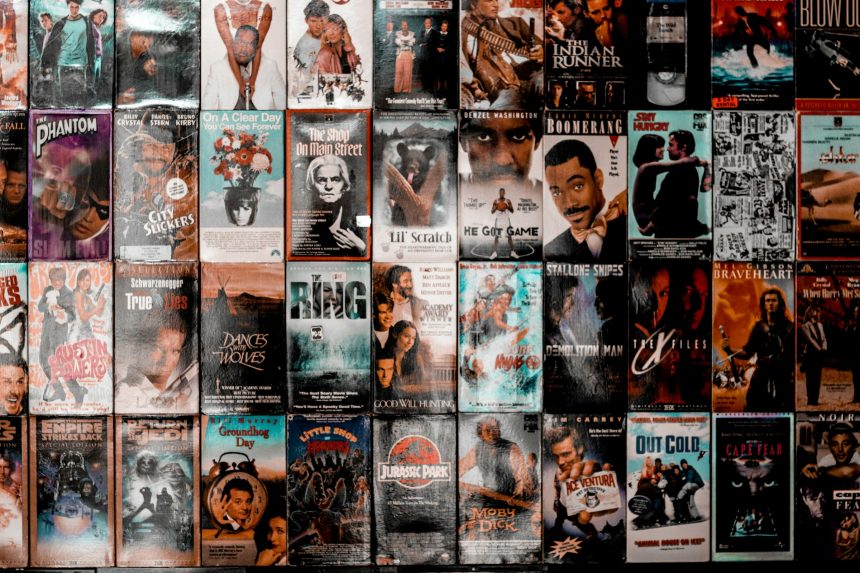
Ten years of writing about movies teaches you a strange lesson: readers can tell within a paragraph or two whether you actually watched the film or just skimmed the trailer and formed an opinion. The tells are small but unmistakable, and once you start noticing them, you can’t stop. I’ve made every one of these mistakes myself, usually early in my career, and I’ve watched other writers make them too, sometimes for years without realizing why their audience keeps shrinking.
What follows isn’t a list of grammar tips or style guide rules. These are the deeper habits that quietly erode trust between a critic and the person reading them, the kind of mistakes that don’t just weaken a single review but chip away at whether anyone believes what you say next time.
1. Reviewing the movie you wanted instead of the one you got
This is the single most common mistake I see, and I made it constantly in my first few years. You walk into a screening with expectations shaped by marketing, a director’s past work, or your own genre preferences, and when the film doesn’t match that mental picture, you punish it for choices it never claimed to make. A quiet character drama gets dinged for not having enough action, or a broad comedy gets criticized for lacking emotional depth it was never trying to deliver.
Readers notice this immediately because it reads as unfair rather than critical. The fix sounds simple but takes real discipline: ask what the film is attempting on its own terms, then judge whether it succeeds at that specific goal. A low-budget horror film should be measured against other low-budget horror films and its own internal logic, not against a blockbuster with fifty times its resources.
2. Confusing plot summary with actual analysis

A surprising number of reviews are really just extended synopses with a star rating attached at the end. This happens because summarizing what happened on screen is easy, while explaining why it worked or didn’t takes real thought and a willingness to be specific. Readers can tell the difference instantly, and the summary-heavy review tends to get skipped after the first paragraph because it offers nothing they couldn’t get from the film’s own trailer.
Good criticism spends most of its words on craft: how the editing controls pacing, whether the score supports or undercuts the tone, how a particular performance choice changes the meaning of a scene. Plot matters only as much as it’s needed to make those points land. When a review leans almost entirely on retelling the story, it signals to readers that the writer didn’t have much else to say.
3. Chasing outrage or contrarian takes for attention
Streaming platforms and social media have rewarded loud, extreme opinions since roughly the mid-2010s, and that pressure hasn’t eased going into 2026. It’s tempting to declare a beloved film secretly terrible or a widely panned one secretly brilliant, because those takes travel faster online than measured ones. But audiences have gotten sharper at spotting manufactured controversy, and a critic who seems to be performing outrage rather than expressing genuine reaction loses credibility fast.
The reviewers who’ve built lasting trust with me over the years are the ones whose opinions stay consistent whether or not a hot take would get more clicks. That doesn’t mean playing it safe or avoiding strong opinions. It means the opinion has to come first, with the provocative framing second, rather than the other way around.
4. Ignoring the craft happening behind the camera

Plenty of reviews focus almost entirely on plot and acting while treating cinematography, sound design, production design, and editing as afterthoughts, if they get mentioned at all. This narrows the conversation and misses a huge part of what actually makes a film work or fail. A movie can have a mediocre script but stay memorable because of how it’s shot, lit, or cut together, and viewers who care about film as a visual medium notice when a review skips that entirely.
This mistake often comes from writers who are more comfortable discussing story than technique, which is understandable but limiting. Even a sentence or two about how the visual language reinforces the story, or fails to, adds a layer of depth that separates a thoughtful review from a rushed one. Readers who follow film criticism closely tend to gravitate toward writers who can speak to both storytelling and craft.
5. Talking down to the audience’s taste
Dismissing an entire genre, a popular franchise, or a specific fanbase as beneath serious consideration is one of the fastest ways to alienate readers, and it happens more often than critics like to admit. Comic book movies, romantic comedies, horror sequels, and animated films have all been on the receiving end of this kind of blanket condescension at various points, even as many of them have produced genuinely well-crafted work. When a critic frames their disdain for a genre as evidence of their own sophistication, readers who enjoy that genre simply stop reading that critic.
Respecting an audience’s taste doesn’t mean abandoning standards or pretending every film in a popular genre is a masterpiece. It means engaging with what a film is trying to do for its intended audience rather than sneering at the fact that it has one. The critics who’ve maintained large, loyal readerships through 2024 and into 2026 are largely the ones who took genre work seriously enough to critique it on its own merits, rather than dismissing it outright.
None of these mistakes are fatal on their own, and every critic slips into one or two of them occasionally, myself included. What separates a career from a hobby is noticing the pattern and correcting it before readers stop giving you the benefit of the doubt. Trust in film criticism gets built slowly, one honest, specific, fair review at a time, and it can disappear a lot faster than it took to earn.