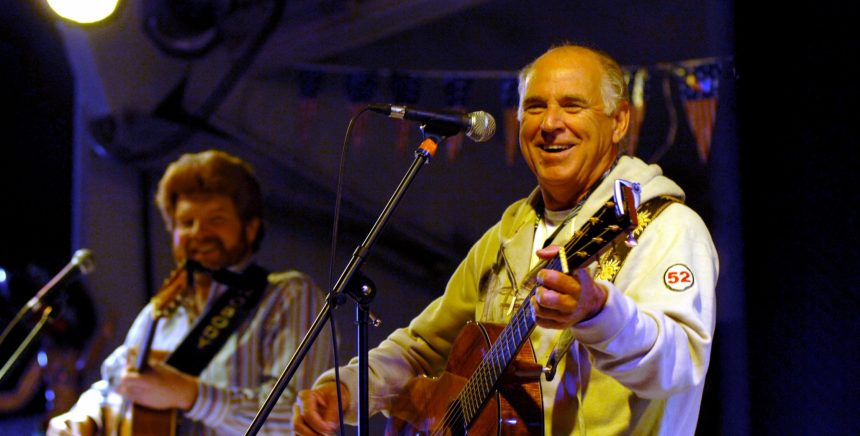
There’s a certain irony in watching someone become famous for one thing and rich for something else entirely. Hollywood and the music industry produce plenty of wealthy names, but a handful of celebrities discovered that their real fortune was waiting in a completely different lane, one that had nothing to do with scripts, stages, or studio contracts. The four people below built name recognition through acting, music, or sports, then quietly (or not so quietly) turned that fame into business empires worth far more than their original careers ever paid out.
George Foreman: The grill that outboxed the boxer
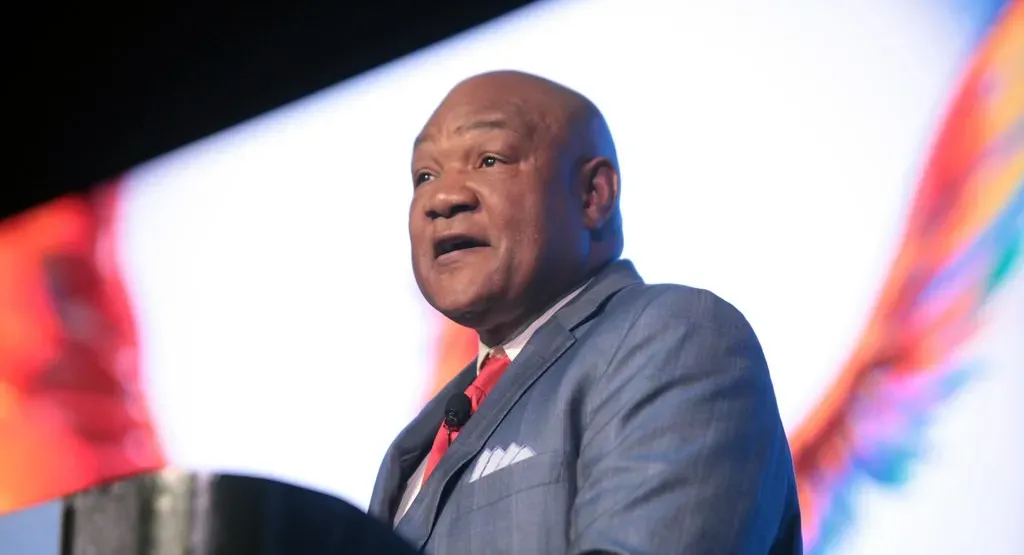
George Foreman spent decades in the ring, twice becoming heavyweight champion of the world and cashing the occasional massive purse, including the famous 1974 “Rumble in the Jungle” payday against Muhammad Ali. It’s not clear how much he made from boxing, but the biggest payout from his career was the $5 million fee for the “Rumble in the Jungle” against Muhammad Ali in 1974. That number sounds impressive until you compare it to what came next.
In the mid 1990s, Foreman lent his name to a countertop grilling machine, and the deal reshaped his entire financial life. Foreman earned over $250 million from the George Foreman Grill through a combination of royalties and a $138 million naming rights buyout in 1999. Speaking to the AARP in 2014, Foreman said he made “much more” than $200 million from the grills and was once earning as much as $8 million a month. A kitchen appliance, of all things, ended up dwarfing a Hall of Fame boxing career.
Ryan Reynolds: Aviation Gin, Mint Mobile, and a very different kind of leading role
Ryan Reynolds built his acting career on charm and comic timing, culminating in the Deadpool franchise and a string of box office hits. Yet the numbers behind his business side quietly eclipsed even his biggest movie paydays. Ryan Reynolds acquired a stake in Aviation Gin in 2018 and sold it to Diageo for $610 million in 2020. Reynolds purchased an ownership stake in Mint Mobile in 2019 and sold it to T-Mobile for $1.35 billion in 2023.
His personal take from those two deals alone tells the real story. Reynolds reportedly owned a 25% stake in Mint Mobile at the time of its $1.35 billion sale to T-Mobile, netting the famous actor over $330 million. The actor also cofounded and sold Aviation American Gin for $610 million. Combined, those two ventures reportedly brought in more than four hundred and fifty million dollars, a sum that puts most film paycheck figures in perspective.
Jimmy Buffett: How “Margaritaville” became a billion dollar brand
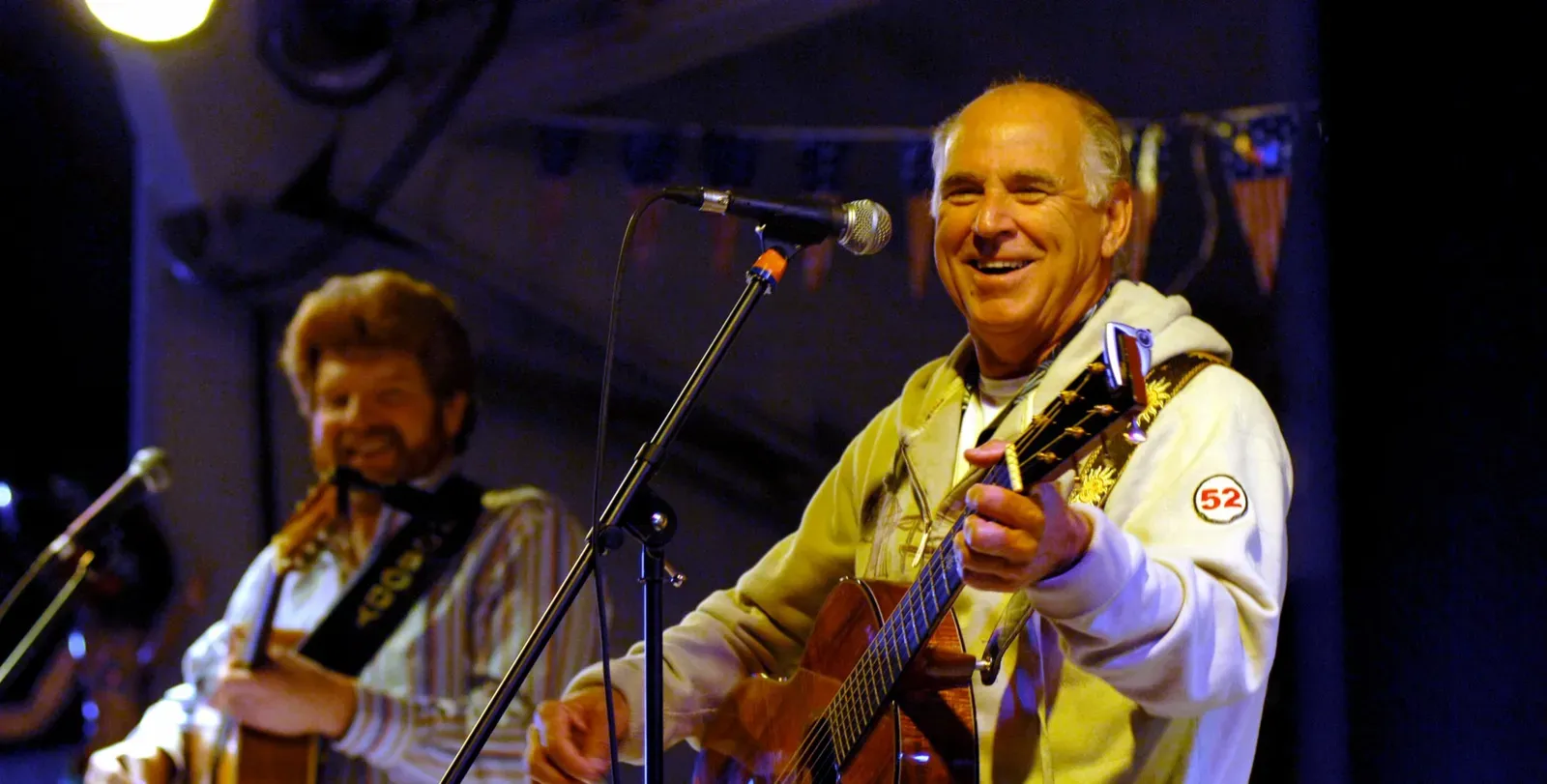
Jimmy Buffett wrote catchy tropical rock songs for decades, and his live shows drew loyal crowds of so called Parrotheads across the country. Music was clearly good to him, but it was not the main engine behind his fortune. Buffett’s fortune included 28% of Margaritaville, an estimated $570 million earned from tours and recording, a $50 million music catalog and $140 million in planes, homes and Berkshire Hathaway stock.
The Margaritaville brand itself, built from restaurants, resorts, casinos, and merchandise, became the real financial engine. Jimmy Buffett had an estimated net worth of $1 billion at the time of his death, which was announced on September 1, 2023. Following his passing, Forbes confirmed that Buffett’s net worth was roughly $1 billion, however, beloved for his music as he was, Barron’s reports only 5% of his billion-dollar net worth is due to his music catalog. Turning a single hit song into a lifestyle brand worth that much is a rare feat.
50 Cent: Turning down cash for a $100 million bet
Curtis Jackson, better known as 50 Cent, was already a major rap star in the mid 2000s, but his smartest financial move had nothing to do with a record label. When Vitamin Water’s parent company came calling with an endorsement offer, he made an unusual choice. 50 Cent was offered $5 million to endorse Vitamin Water. He turned down the cash and negotiated for equity in the company instead. Three years later, Coca-Cola bought the brand for $4.1 billion. 50 Cent walked away with an estimated $100 million.
The growth behind that payout was staggering in its own right. The endorsement turned out to be a masterstroke. Between 2005 and 2007, Vitamin Water’s sales exploded – growing from $100 million to $700 million annually. A single equity decision, rather than a flat fee, ended up outperforming years of album sales and touring income combined.