Some performances last barely ten minutes on screen, yet they outlive entire filmographies. Every so often a director hands a supporting part to someone with almost no résumé, and that gamble ends up defining a movie more than its leading role ever could. This gallery looks back at seven actors who were largely anonymous before a single scene changed everything, and traces how those brief appearances became permanent fixtures in film history.
Alfred Molina turns a doomed guide into an unforgettable villain in Raiders of the Lost Ark
Before Alfred Molina became known for playing memorable antagonists across decades of film, he was a twenty-eight-year-old newcomer with no major screen credits. When Alfred Molina was cast in Raiders of the Lost Ark, he was a newcomer with no major film credits, yet his role as Satipo became one of the most unforgettable small parts in movie history. His screen time amounts to only a few minutes at the very start of the film, but those minutes set the tone for the entire Indiana Jones franchise.
Satipo guides Indy through booby-trapped ruins, then betrays him at the last possible second. Molina’s Satipo reveals his treacherous true nature, stealing the Golden Idol and leaving Indy for dead with a cruel “Adiós, señor,” before quickly being impaled on a spear trap. It was his first film role, and working alongside Harrison Ford and Steven Spielberg launched a career that would eventually include Boogie Nights, Frida, and the Spider-Man franchise.
Alice Nunn delivers one of cinema’s scariest jump scares in Pee-wee’s Big Adventure

Alice Nunn spent decades working steadily but quietly in Hollywood, picking up small parts on television shows and forgettable films. Very little is known about Alice Elizabeth Nunn beyond the fact that she appeared in one of the 1980s’ most famous films, Pee-wee’s Big Adventure, as the truck driver known as Large Marge. That single role, though, turned her into a cult figure almost overnight.
Large Marge appears for only a couple of minutes, but her ghostly reveal remains one of the most quoted scares outside the horror genre. Her performance in the film is ranked number five on the Independent Film Channel’s list of the 25 scariest moments in non-horror film history, and it earned her a lasting cult following. Nunn passed away in 1988, just three years after the film’s release, but her brief scene continues to circulate as one of the most recognizable moments of 1980s comedy.
Bronson Pinchot steals the show from Eddie Murphy in Beverly Hills Cop
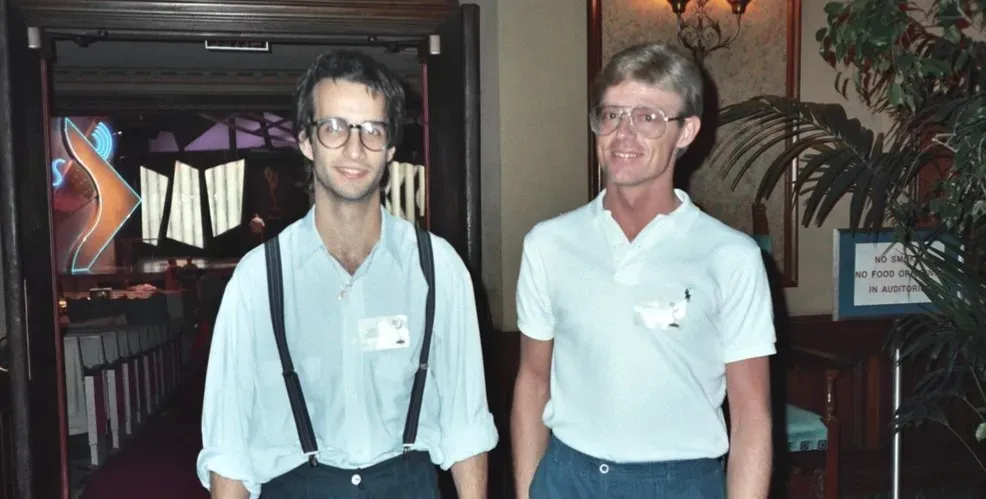
Bronson Pinchot had only a handful of small film credits before landing the role of Serge, a snooty art gallery employee, in Beverly Hills Cop. Pinchot first turned heads as a snobby art gallery worker of uncertain nationality and dubious sexual orientation opposite Eddie Murphy, following his feature debut with a small but scene-stealing turn as Serge. The role was so effective that the production expanded his part on the spot.
According to accounts from the production, Pinchot’s improvisational performance prompted director Martin Brest to give the actor more screen time than was originally written. The transformation from unknown to recognizable face happened almost instantly. Pinchot himself has described how starring as Serge led to him being a “same day sensation,” going from being completely unknown to one of the most recognized faces in Hollywood within a matter of hours.
Brad Pitt becomes an overnight sensation with fourteen minutes in Thelma & Louise
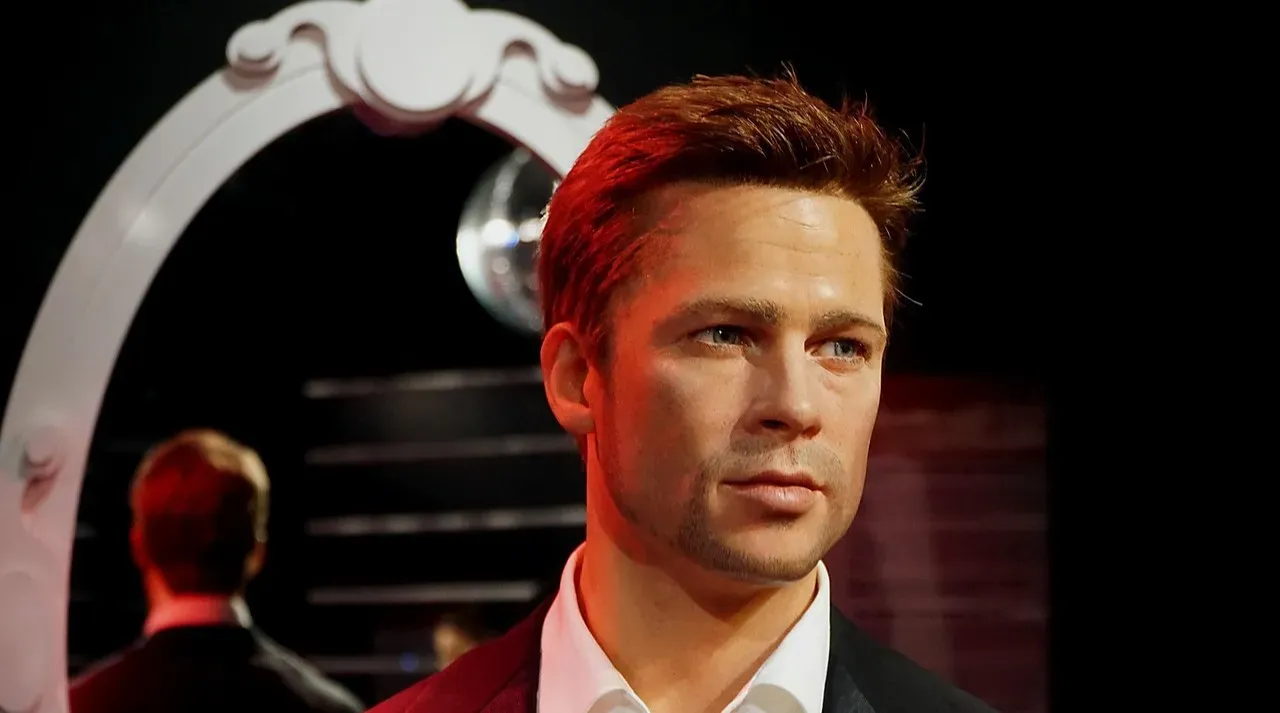
Before 1991, Brad Pitt was mostly known for guest spots on television shows and a brief soap opera stint. Following a string of guest appearances on various television series through the 1980s, Pitt gained widespread attention with a small part in Thelma & Louise, in which he played a sexy criminal who romanced and conned Geena Davis’s character. The role wasn’t even guaranteed to him at first.
Partner offer
Pitt actually lost the part twice before it circled back to him, and the character’s total screen time barely stretched past ten minutes. Pitt’s captivating performance as the southern conman immediately stood out, despite having less than ten minutes of screen time. Looking back on it years later, Pitt himself simply called it his “entry into the big leagues.” The film effectively launched one of the most enduring careers in modern Hollywood.
Vincent D’Onofrio transforms into a haunting presence in Full Metal Jacket
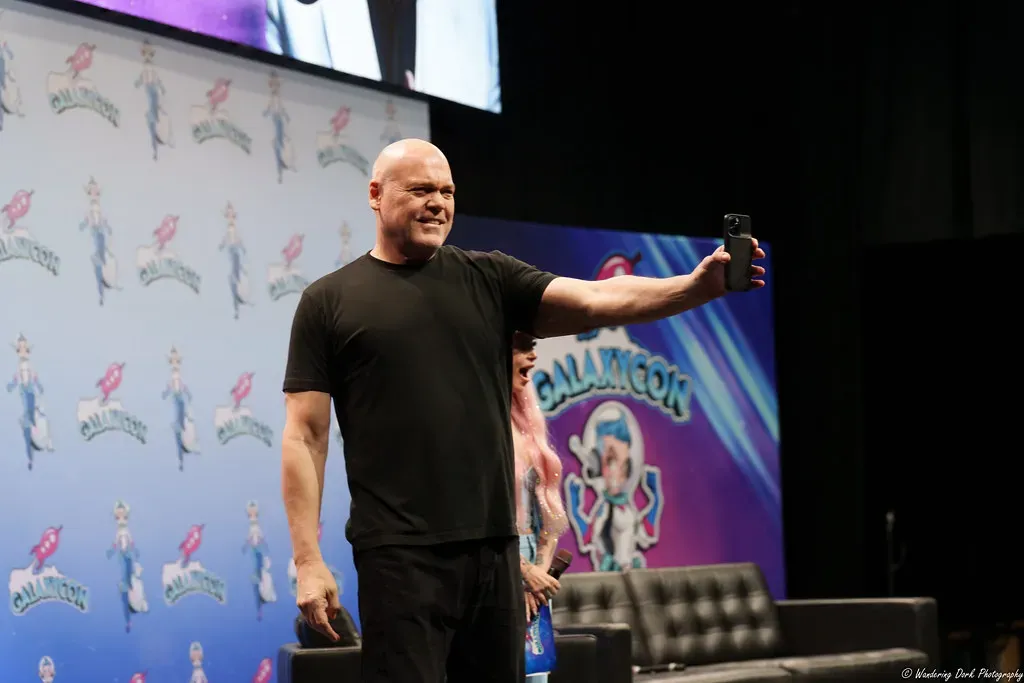
Vincent D’Onofrio had barely any film experience when Stanley Kubrick cast him as Private Leonard Lawrence, nicknamed Pyle, in Full Metal Jacket. The role required a significant physical transformation, and D’Onofrio reportedly gained a substantial amount of weight to play the character convincingly during the film’s early basic training sequences. His performance, unsettling and quietly tragic, became one of the most talked-about elements of the film upon its 1987 release.
What makes the role remarkable is how quickly D’Onofrio shifted from complete obscurity to critical attention. Kubrick’s films were known for exacting, grueling shoots, and D’Onofrio’s commitment to the physical and emotional demands of Pyle set the tone for a career built on transformative character work. He went on to appear in a wide range of films and television roles, but the Full Metal Jacket performance remains the one most frequently cited by critics and fans alike.
Warwick Davis becomes the face of the Ewoks in Return of the Jedi
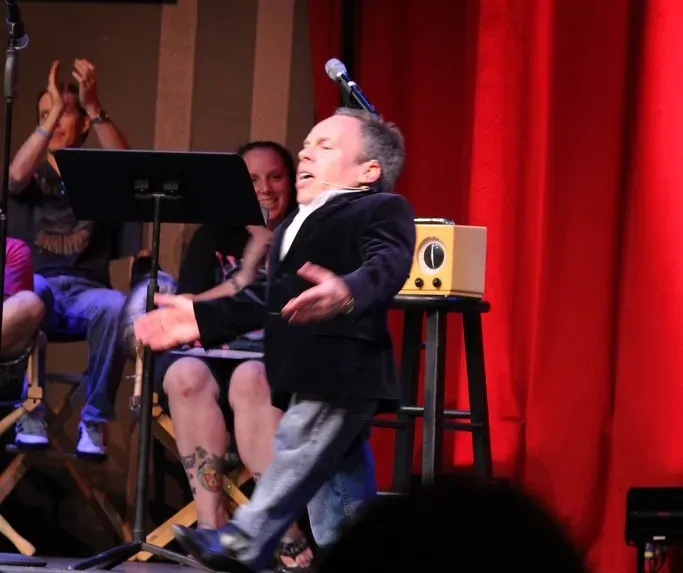
Warwick Davis was an eleven-year-old Star Wars fan when his grandmother spotted a radio appeal looking for people under four feet tall to appear in the franchise’s third film. His grandmother heard a radio appeal for people under four feet tall to appear in Return of the Jedi, and Davis, a huge Star Wars fan, auditioned successfully and was cast as an extra playing an Ewok. He was never meant to be the lead Ewok at all.
Kenny Baker had originally been cast in the main Ewok role, but circumstances changed everything for young Davis. Kenny Baker was cast as lead Ewok Wicket, but fell ill, so George Lucas chose Davis to replace him. That last-minute swap turned an unknown child extra into the face of Wicket W. Warrick, a character who has appeared across multiple Star Wars productions since, including a cameo decades later in The Rise of Skywalker.
David Prowse gives Darth Vader his towering physical presence in Star Wars
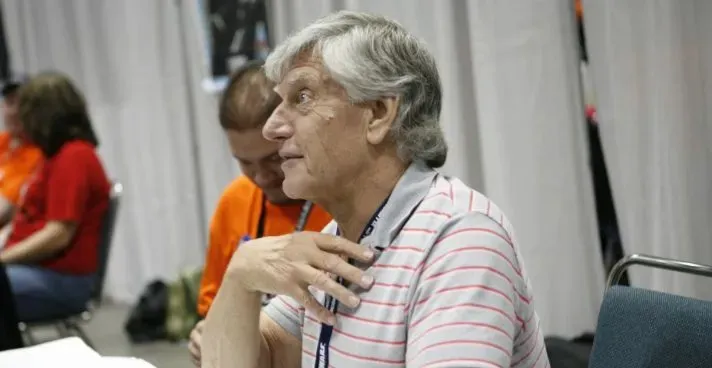
David Prowse was a bodybuilder and former weightlifting champion with almost no significant film acting credits when George Lucas cast him as Darth Vader in the original 1977 Star Wars. Lucas reportedly chose Prowse largely for his imposing six-foot-six frame, which gave the character an intimidating, almost architectural presence on screen. Prowse performed the physical role in costume for the original trilogy, walking, gesturing, and moving through some of cinema’s most quoted scenes.
His voice was ultimately replaced by James Earl Jones for the finished films, a decision that has been debated by fans for decades since. Even so, the physical performance, the deliberate menace in Vader’s movements, and the sheer scale Prowse brought to the suit became inseparable from the character’s legacy. Prowse remained associated with the role for the rest of his life, appearing at conventions and interviews as the man inside one of film history’s most recognizable villains until his death in 2020.
These seven stories share a common thread: talent recognized in an instant, often under circumstances nobody could have planned. A last-minute illness, a losing audition that got a second chance, a director willing to let an actor improvise past the page. None of these performers set out to make movie history with a single scene, but that’s precisely what happened, and it’s part of why these moments still get replayed, quoted, and remembered decades later.Partner offer
Planning a trip to Vegas?
Compare hotel rates and show tickets on VEGAS.com.