Some cars on screen do more than get the hero from one scene to the next. They become the thing people remember, long after the plot details have faded. A silhouette, an engine note or a single gadget can be enough to bring a whole film to mind.
This list looks at eight of the best known examples, from a time-traveling stainless steel coupe to a Mustang tearing through San Francisco. Each one earned its place through the story it helped tell and the way it has lived on in the decades since.
DeLorean DMC-12 in Back to the Future
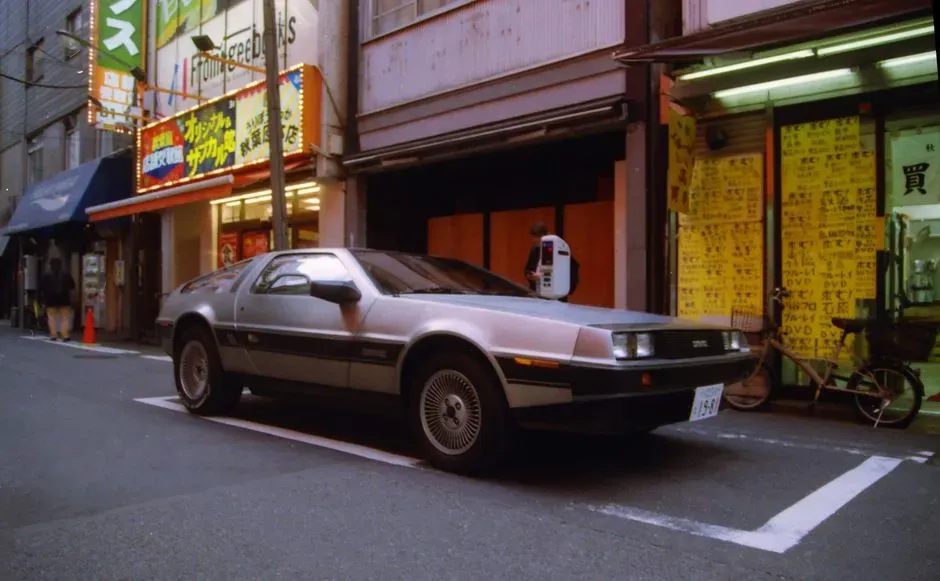
The DeLorean DMC-12 appeared in Back to the Future in 1985, where Doc Brown turned it into a time machine. The car’s brushed stainless steel body and gull-wing doors made it look like it belonged in the future before the plot even started. The film’s flux capacitor and the 88 miles per hour threshold became part of pop culture shorthand.
The real car had a short life. The DeLorean Motor Company built the DMC-12 in Northern Ireland, and production lasted only a few years in the early 1980s before the company collapsed. Ironically, the movie is a big reason the car is still talked about today.
Aston Martin DB5 in Goldfinger
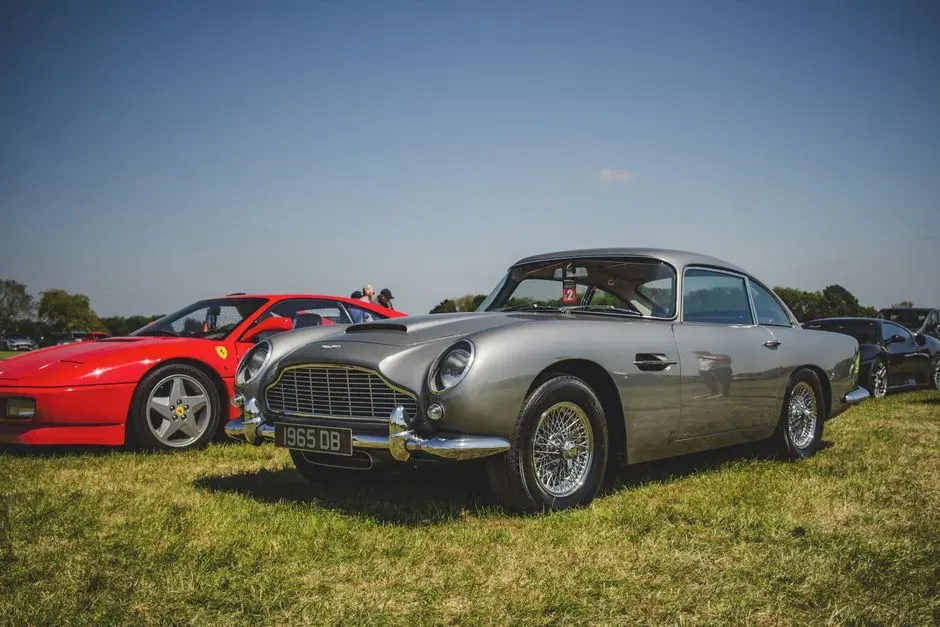
James Bond drove the Aston Martin DB5 in Goldfinger in 1964, and the pairing is still one of cinema’s best known. The car came fitted with gadgets such as an ejector seat, rotating license plates and a bulletproof shield. Those features set a template for the spy cars that followed.
The DB5 has returned in later Bond films, including Skyfall and No Time to Die. Few cars have stayed linked to a single character for so long, and Aston Martin has leaned into that connection for decades.
Ford Mustang GT in Bullitt
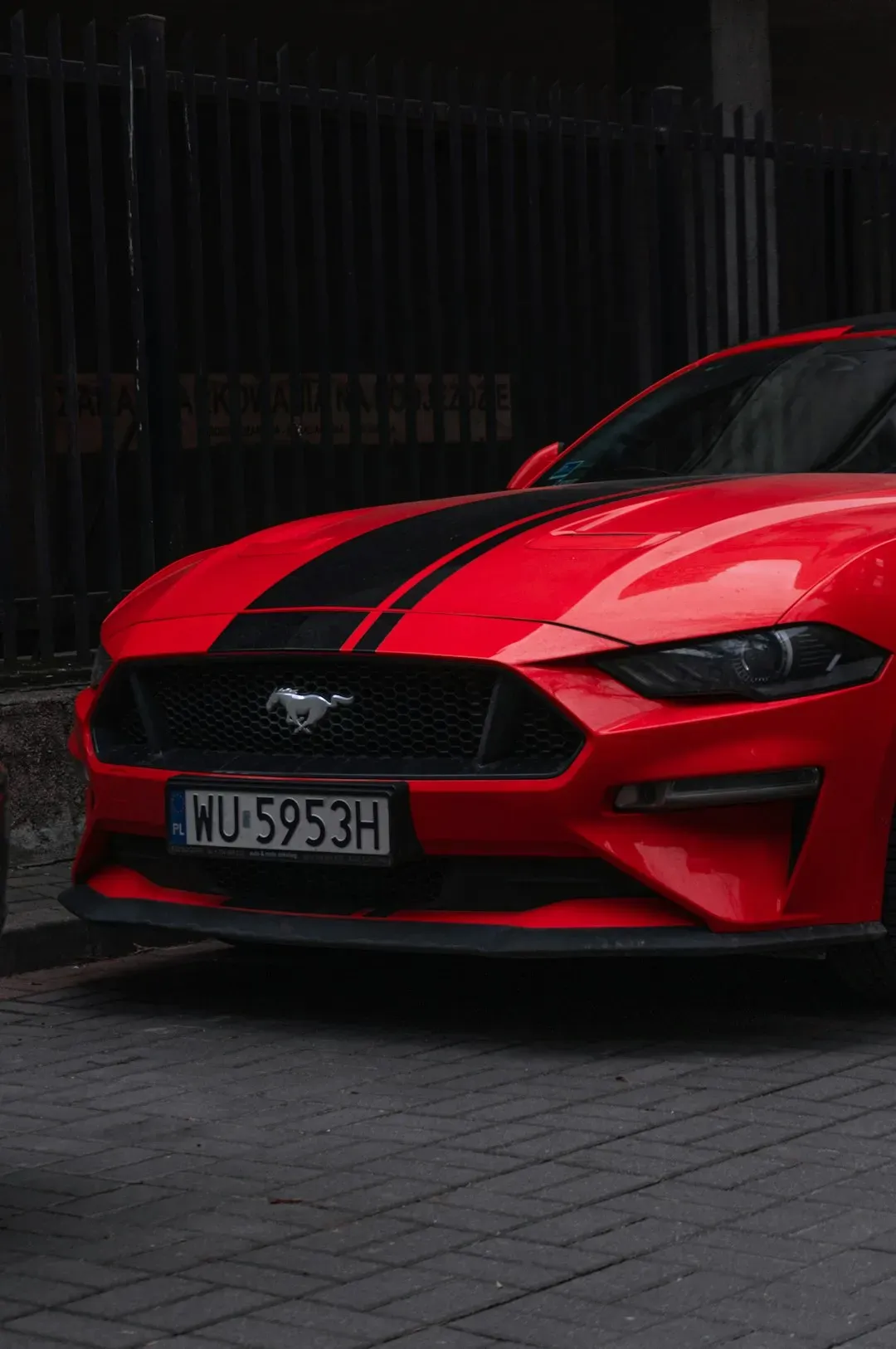
In Bullitt, released in 1968, Steve McQueen’s character drove a dark green Ford Mustang GT 390 Fastback. The film is best remembered for its long car chase through the hilly streets of San Francisco, which was shot with real cars at real speeds and without much music. Many fans still treat it as a benchmark for how a chase should look.
Ford later built special edition Mustangs inspired by the movie car. The original hero car vanished from public view for decades before it resurfaced, and it was sold at auction in 2020 for a record price.
Batmobile in Batman
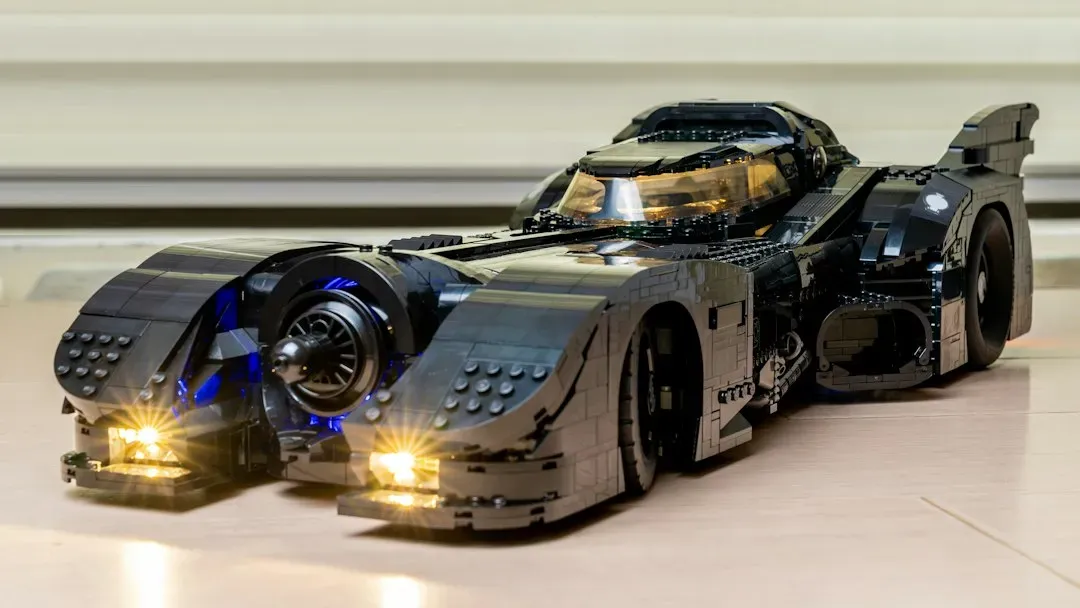
The Batmobile has taken many forms, but the 1989 version from Tim Burton’s Batman is among the most iconic. Its long, low body and jet turbine inspired look suited the film’s gothic Gotham. Anton Furst designed the vehicle as part of the movie’s overall production design.
Partner offer
Earlier on television, the 1966 Batman series used a customized Lincoln Futura concept car, designed by George Barris. The two versions show how a single fictional vehicle can be reimagined to suit very different tones.
Ecto-1 in Ghostbusters
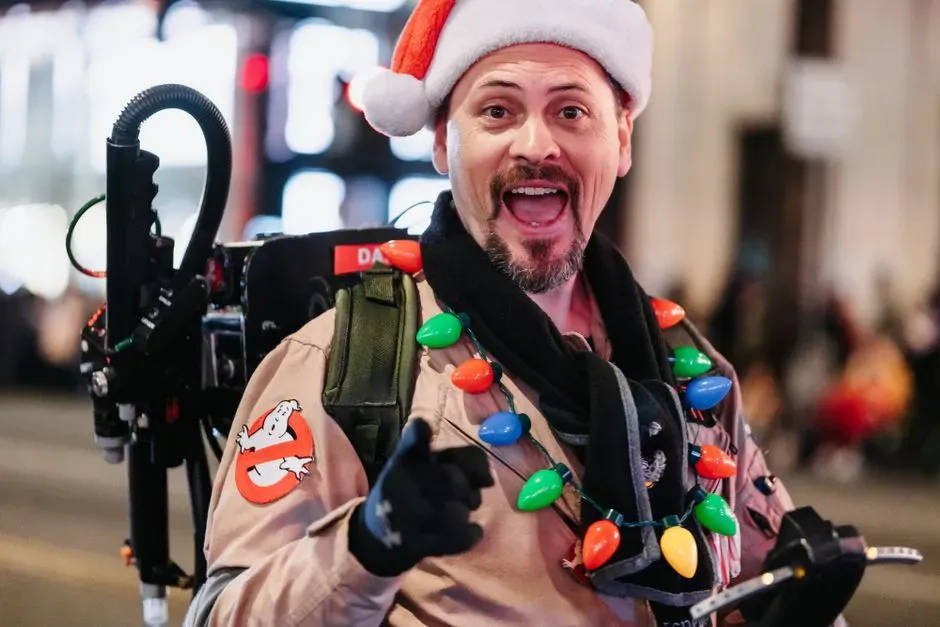
Ecto-1 in Ghostbusters, released in 1984, was a converted 1959 Cadillac ambulance and hearse combination. Roof racks, equipment and a distinctive siren turned an old professional car into a ghost hunting machine. Its cluttered look is part of the charm.
The car returned in the franchise’s later films, including Ghostbusters: Afterlife in 2021, where it appears as a dusty and rediscovered relic. Its repeated comebacks show how strongly audiences connect it to the series.
Dodge Charger in Mad Max and Fast and Furious Style Muscle
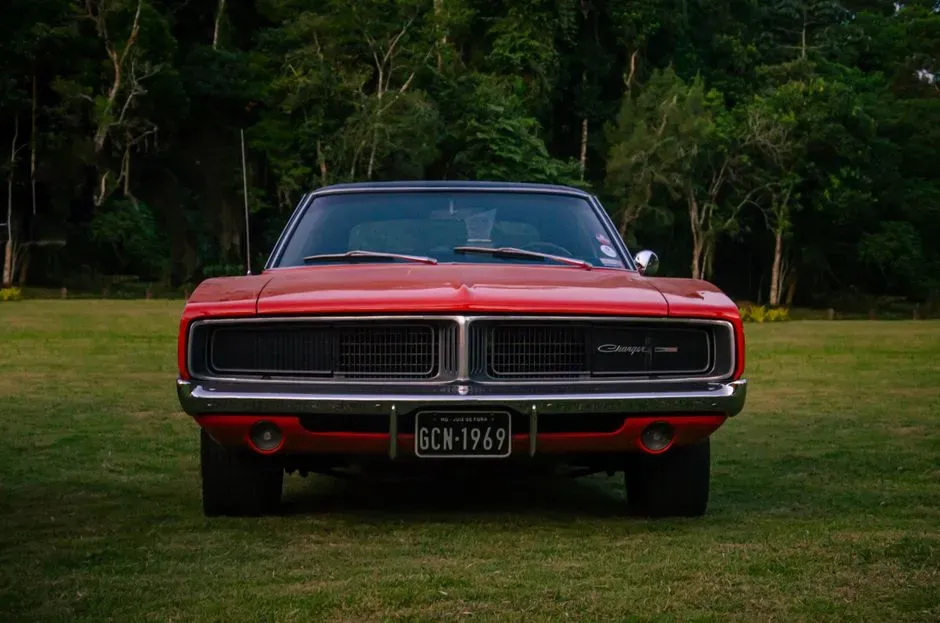
The Dodge Charger became a screen staple, and one of its best known appearances is in the Fast and Furious series, where Dominic Toretto drives a heavily modified 1970 Charger. The car is often shown with a large supercharger poking through the hood, a visual signature of the franchise. It represents the series’ love of American muscle.
The Charger also appeared in Bullitt as the villains’ car, set against the Mustang in that famous chase. Few cars have been used so well as both hero and menace.
Lightning McQueen in Cars
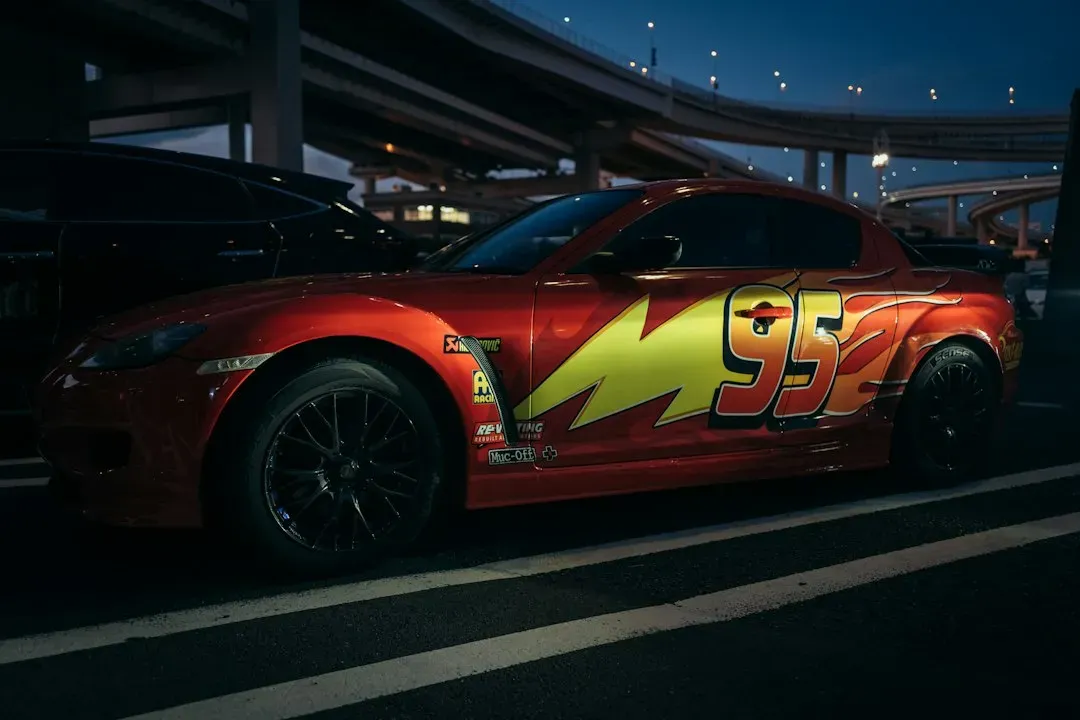
Lightning McQueen is the animated star of Pixar’s Cars, released in 2006. He is a fictional race car, loosely inspired by stock cars and sports cars, and the film follows his journey from arrogance to humility in the town of Radiator Springs. The character is voiced by Owen Wilson.
The film led to two sequels, Cars 2 and Cars 3, along with a large range of toys and merchandise. McQueen shows that a movie car does not need to be real to become a household name.
Chitty Chitty Bang Bang in Chitty Chitty Bang Bang
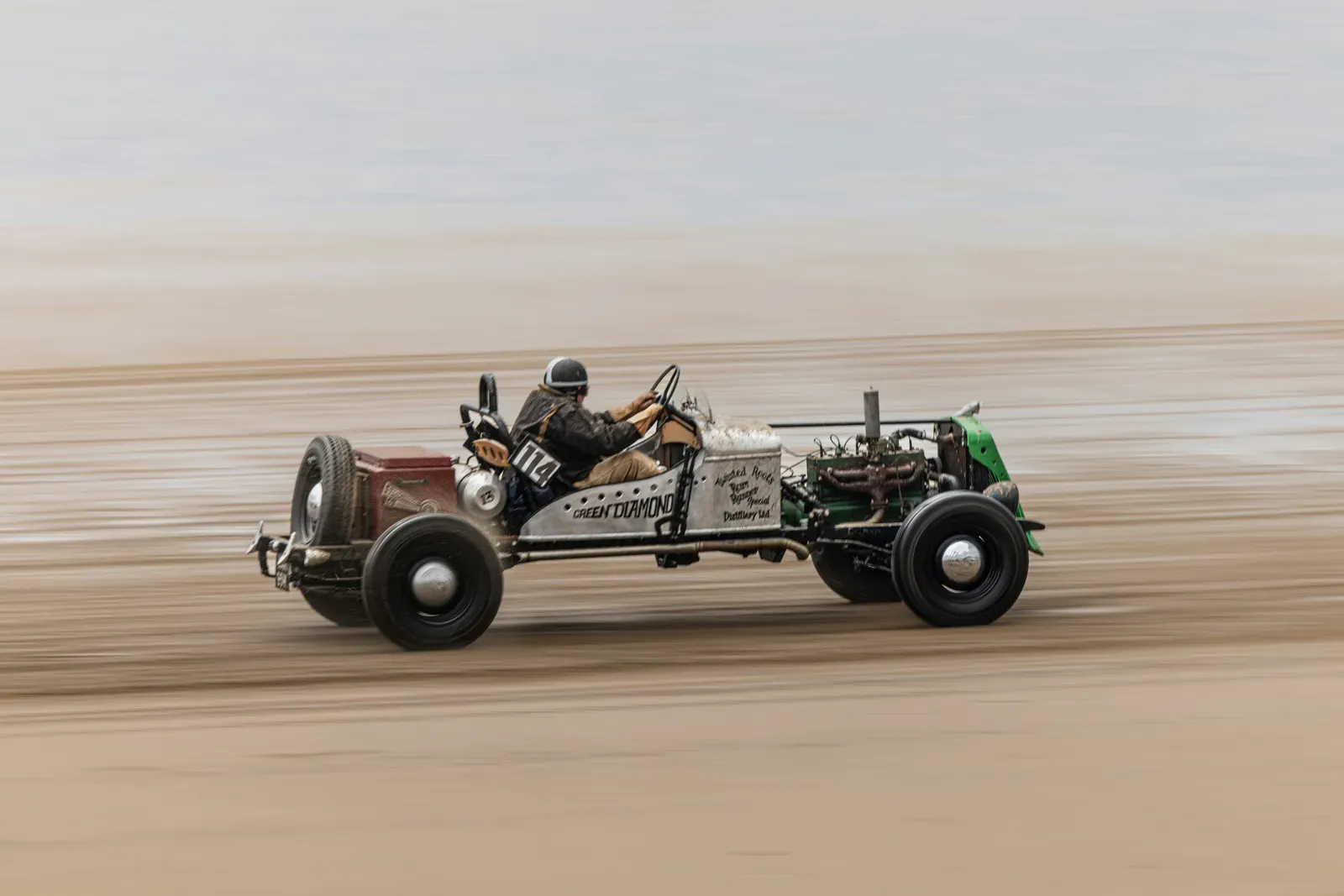
The flying car in Chitty Chitty Bang Bang, released in 1968, was based on a story by Ian Fleming, the same author who created James Bond. In the film, an eccentric inventor played by Dick Van Dyke restores a wrecked racing car that can float and fly. The result is one of the most whimsical vehicles in family cinema.
Several working versions were built for the production, and the car has been displayed at exhibitions over the years. Its blend of fantasy and craftsmanship still draws interest from film and car fans alike.
Partner offer
Planning a trip to Vegas?
Compare hotel rates and show tickets on VEGAS.com.