
Opening lines carry a strange kind of pressure. They have to hook a reader before that reader has any reason to care, no plot, no characters, nothing but a handful of words standing alone on a page. Some novelists have handled that pressure brilliantly, crafting sentences that outlive the books they open. Others, even in otherwise beloved novels, fumble the moment with something flat or overly functional. This ranking looks at ten famous opening lines from classic literature and considers what makes each one land, or not.
1. “Call me Ishmael” from Moby-Dick

Herman Melville’s opener is often cited as one of the most recognizable lines in American literature, and its power comes from sheer economy. Three words, a command, a name, and suddenly a narrator exists with a voice and an implied history. It suggests intimacy right away, as if the narrator is speaking directly to the reader across a table rather than through a printed page.
What makes it unforgettable is how much restraint it shows. Melville could have opened with whales or ships or philosophy, all of which the book delivers in abundance later. Instead he chose a human introduction, plain and conversational, which makes the sprawling novel that follows feel grounded in a single, approachable voice.
2. “It was the best of times, it was the worst of times” from A Tale of Two Cities

Charles Dickens built an entire rhythm out of contradiction, stacking clause after clause of opposites until the sentence becomes almost musical. It sets up the novel’s central tension between revolution and stability, joy and despair, without naming a single character or event. That structural boldness is part of why it still gets quoted, parodied, and referenced well outside literary circles.
The line works because it promises scale. Readers sense immediately that they are entering a story about an entire era, not just individuals, which primes them for the historical sweep Dickens delivers across the French Revolution setting. Few opening sentences manage to feel both sweeping and quotable at once.
3. “It is a truth universally acknowledged” from Pride and Prejudice
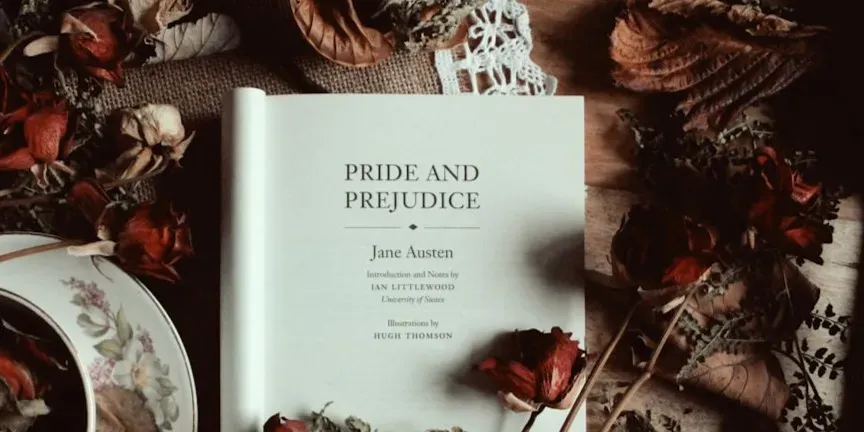
Jane Austen’s opener is a masterclass in irony delivered with a straight face. The sentence sounds like a grand philosophical statement, then quietly undercuts itself by revealing that the “truth” in question is really just social gossip about marriage and money. That gap between tone and content is where the humor lives, and it sets the reader up for the satirical voice that runs through the entire novel.
It ranks high because it does double duty so gracefully. It is funny on first read and even funnier once the reader understands the marriage plot driving the Bennet family’s story. Few lines from the early nineteenth century still land as comedy nearly two centuries later.
4. “Happy families are all alike” from Anna Karenina

Leo Tolstoy opens with a blunt generalization about happiness and misery in family life, and the line has become so widely referenced that it even has an informal name in literary criticism, the Anna Karenina principle. It works because it feels like a thesis statement disguised as folk wisdom, something readers might nod along to before questioning whether it is actually true. That built-in tension between agreement and doubt keeps the sentence alive.
The line also does structural work for the novel, since Anna Karenina is essentially a study of several families, each unhappy in a distinct way. Tolstoy signals his method in a single sentence, which is a rare efficiency for a novel that otherwise runs long and detailed.
5. “All this happened, more or less” from Slaughterhouse-Five

Kurt Vonnegut’s opener trades grandeur for a shrug, and that shrug is the point. The hedge in “more or less” immediately destabilizes the reader’s trust in the narrative that follows, which fits a novel obsessed with memory, trauma, and the unreliability of storytelling itself. It is a quieter line than most on this list, but its plainness is deliberate.
It lands lower on the unforgettable scale not because it fails, but because its power depends heavily on context. Read in isolation, it barely registers. Read as the first sentence of a novel about surviving war and time travel, it becomes quietly unsettling.
Partner offer
6. “1801. I have just returned from a visit to my landlord” from Wuthering Heights
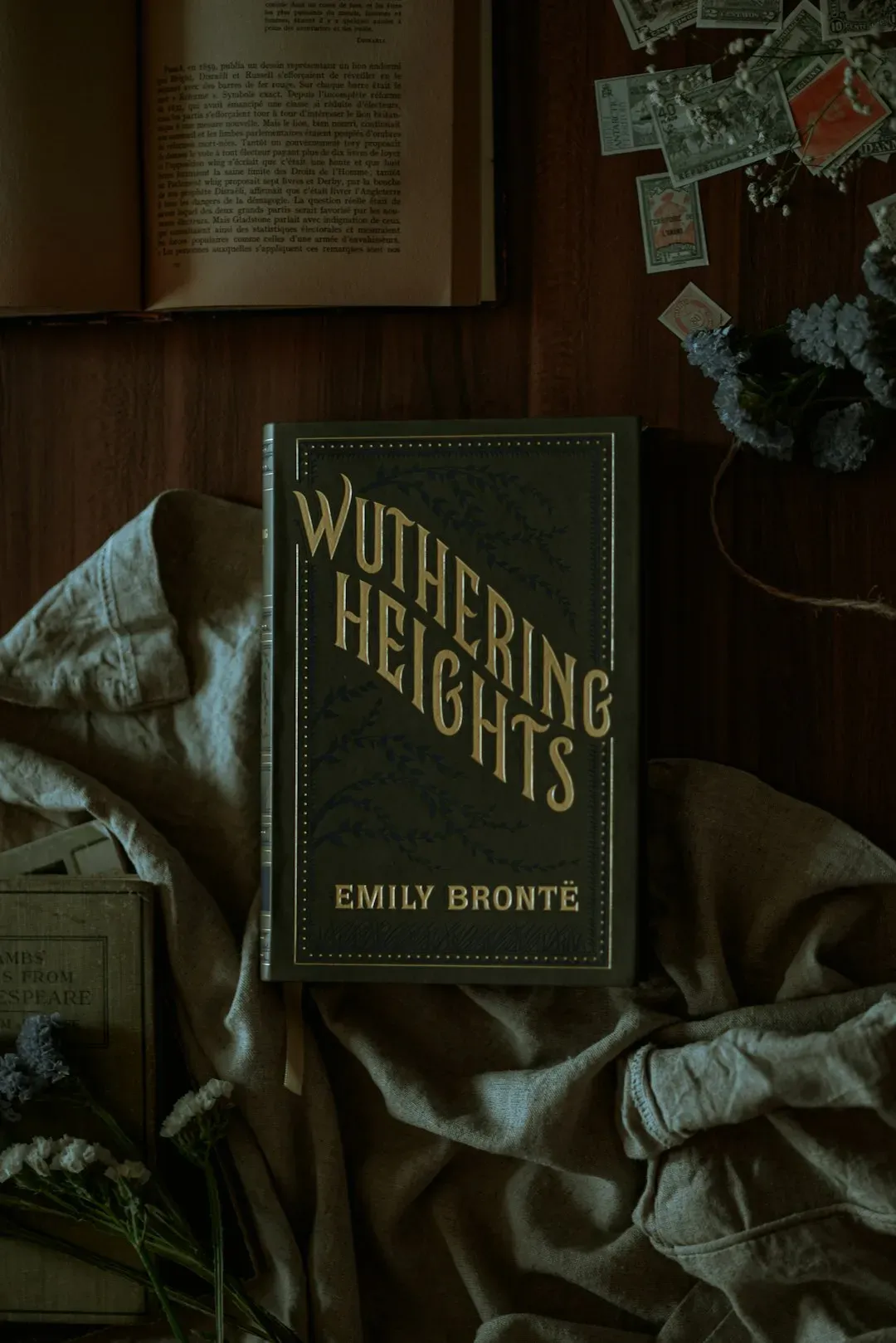
Emily Brontë opens with something closer to a diary entry than a novel, dating the moment and grounding the narrator, Lockwood, in ordinary domestic detail. It is functional rather than poetic, which makes it one of the more forgettable entries here despite the novel’s enduring reputation. The sentence does its job of establishing time and place, but it gives almost no hint of the emotional intensity waiting a few pages later.
Its weakness is really a matter of contrast. Wuthering Heights becomes one of the most passionate and violent novels in English literature, yet it begins with a line that could open a travel journal. That mismatch between opening tone and eventual content is why it ranks lower on memorability.
7. “Whether I shall turn out to be the hero of my own life” from David Copperfield
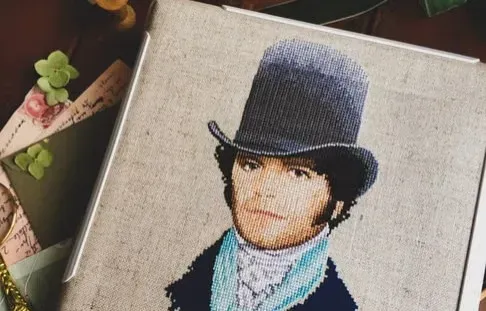
Charles Dickens frames his semi-autobiographical novel with a question about identity and self-worth, which is thematically rich but syntactically dense. The sentence takes real effort to parse on first read, unfolding across several clauses before it resolves. That density places it in the middle of this ranking, admired by scholars but rarely quoted casually.
Its value lies in what it promises rather than how it sounds. It tells readers the entire novel will be an inquiry into whether David is the protagonist of his own story or merely a bystander in it, a question that resonates through the coming-of-age narrative that follows.
8. “The past is a foreign country” from The Go-Between
L.P. Hartley’s line is compact and metaphorical, comparing memory to travel in a way that feels immediately graspable. It has become one of the more quoted lines in twentieth century British fiction, often cited outside literary discussion entirely, in essays about history and nostalgia. That crossover appeal boosts its ranking here.
The strength comes from clarity. Unlike denser philosophical openers, this one delivers its idea in seven words without sacrificing depth, proving that unforgettable does not require length or complexity.
9. “Many years later, as he faced the firing squad” from One Hundred Years of Solitude
Gabriel García Márquez compresses an entire future event into a single opening clause, then pulls back to a childhood memory of ice, creating a temporal loop that mirrors the novel’s cyclical structure. The sentence manages to be both a flash-forward and an intimate personal detail, which is an unusual combination for an opening line. It signals immediately that this novel will bend conventional chronology.
It ranks near the top of this list because it rewards rereading. On a first pass it feels mysterious and slightly disorienting, but returning to it after finishing the novel reveals how carefully Márquez planted the entire book’s temporal logic in that single sentence.
10. “It was a bright cold day in April, and the clocks were striking thirteen” from Nineteen Eighty-Four
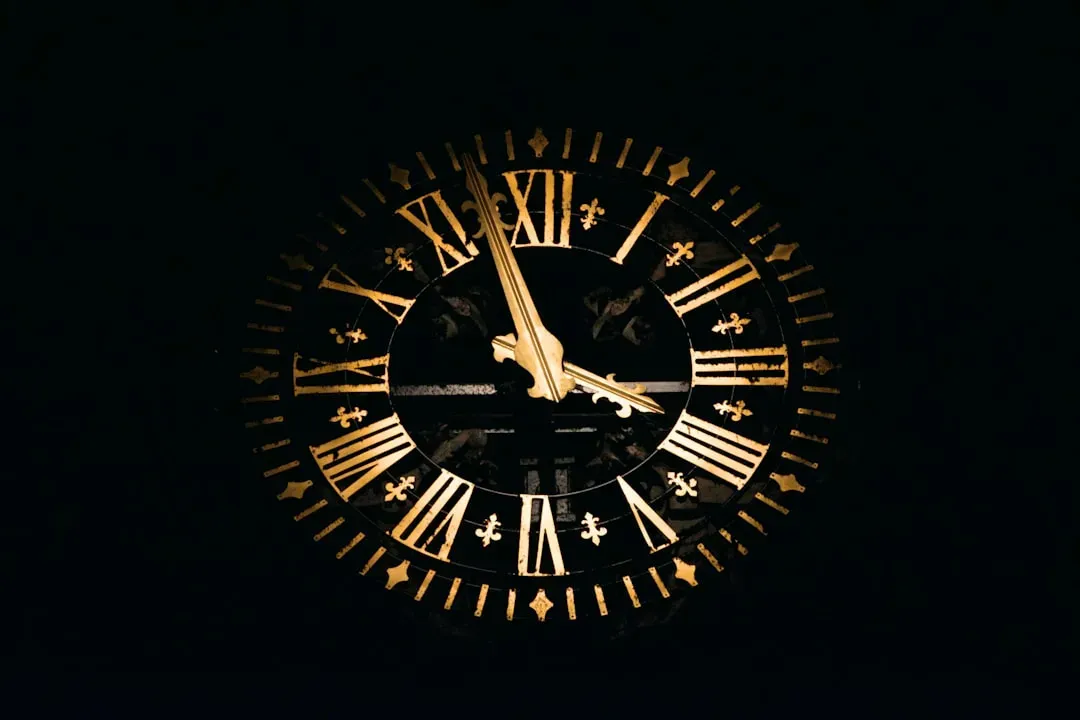
George Orwell’s opener looks ordinary until the final detail, a clock striking thirteen, quietly signals that something is deeply wrong with this world. That small twist on an otherwise mundane weather report is why the line has stayed so effective for readers approaching the eighth decade since its 1949 publication. It establishes unease without a single dramatic word.
The sentence ranks highly because it teaches readers how to read the rest of the novel, watching for small distortions of normal life rather than overt horror. Totalitarian control in Nineteen Eighty-Four often works through exactly that kind of quiet wrongness, and the opening line trains the reader’s attention from the very first page.
Partner offer
Planning a trip to Vegas?
Compare hotel rates and show tickets on VEGAS.com.