Writing about movies and making them can look like separate trades. The first judges finished work from the outside, and the second has to solve problems no review ever mentions. Still, plenty of celebrated filmmakers began at a typewriter before they picked up a camera.
Some of them treated criticism as a rehearsal for directing. Others used it to argue for a kind of cinema that didn’t exist yet. Here are seven who made that jump.
François Truffaut
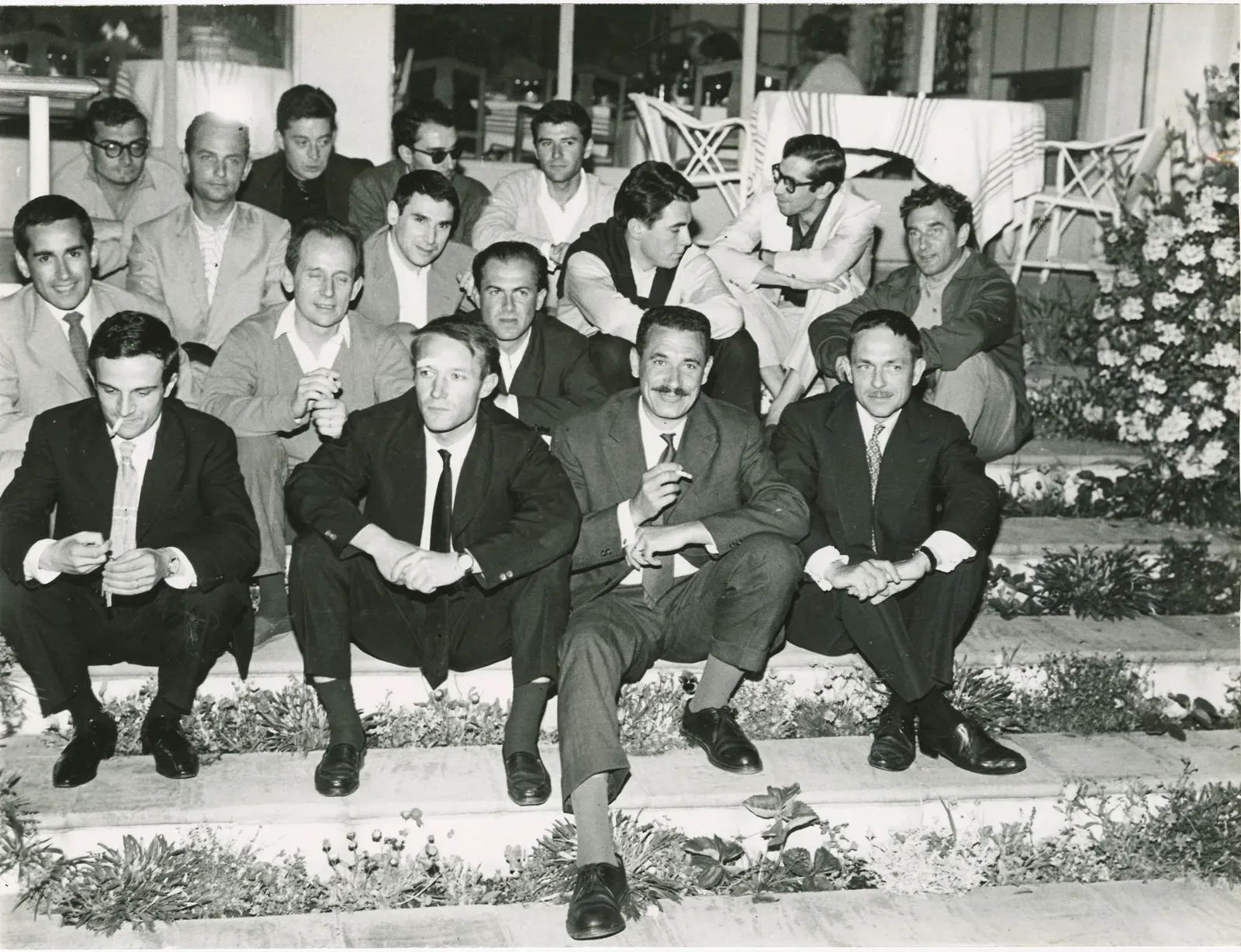
Truffaut built his reputation as a critic at Cahiers du Cinéma in the 1950s, and he was known for a sharp, combative pen. His 1954 essay attacking the habits of mainstream French filmmaking is still cited as a manifesto for the movement that followed. He spent years reviewing films he often disliked before he made one himself.
His debut feature, The 400 Blows, came out in 1959 and won him the Best Director prize at Cannes. Its semi-autobiographical story of a neglected Parisian schoolboy showed the personal, loosely structured style he had argued for in print. He kept writing about film throughout his career, and his long interview book with Alfred Hitchcock remains a standard text for movie fans.
Jean-Luc Godard
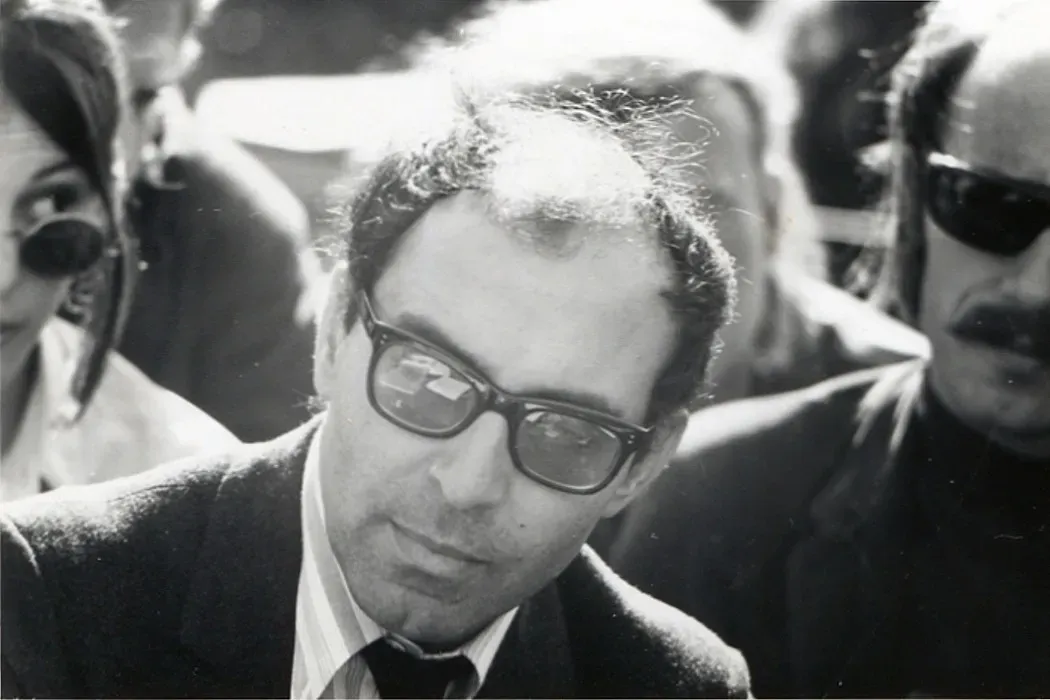
Godard also wrote for Cahiers du Cinéma in the 1950s, sometimes under a pseudonym. His criticism was playful and restless, and it hinted at the rule breaking to come. He saw film writing as a form of filmmaking, and he never fully separated the two.
Breathless, released in 1960, made him a leading voice of the French New Wave. Its jump cuts and casual street shooting unsettled conventional editing habits. Godard kept experimenting for more than six decades, until his death in 2022 at the age of ninety one.
Éric Rohmer
Rohmer, born Maurice Schérer, came to directing later than most of his peers. He edited Cahiers du Cinéma from 1957 to 1963, taking over after the death of its founding figure André Bazin. As an editor, he helped shape the magazine’s influential critical stance.
His films are quiet, talky, and precise, built around people discussing love and moral choices. Series such as Six Moral Tales and Tales of the Four Seasons gave him a loyal international following. Pauline at the Beach won the Silver Bear for Best Director at the Berlin Film Festival in 1983, and he died in 2010.
Partner offer
Claude Chabrol

Chabrol wrote for Cahiers du Cinéma in the 1950s, and with Rohmer he co-authored an early book on Hitchcock. That admiration for suspense stayed with him for life. Unlike some colleagues, he moved into directing quickly.
His first feature, Le Beau Serge, arrived in 1958 and is often counted among the earliest films of the French New Wave. Over the following decades he made dozens of thrillers that dissected the French middle class, including Le Boucher and La Femme infidèle. He kept working until his death in 2010.
Jacques Rivette
Rivette was one of the most uncompromising voices at Cahiers du Cinéma, and he served as its editor from 1963 to 1965. His criticism championed directors he thought were undervalued. He also worked as an assistant on other filmmakers’ projects while he developed his own ideas.
His debut feature, Paris Belongs to Us, appeared in 1961 after a long and troubled production. Later films such as Céline and Julie Go Boating from 1974 and La Belle Noiseuse from 1991 favored improvisation and unusually long running times. He died in 2016, leaving a body of work that rewards patient viewers.
Paul Schrader
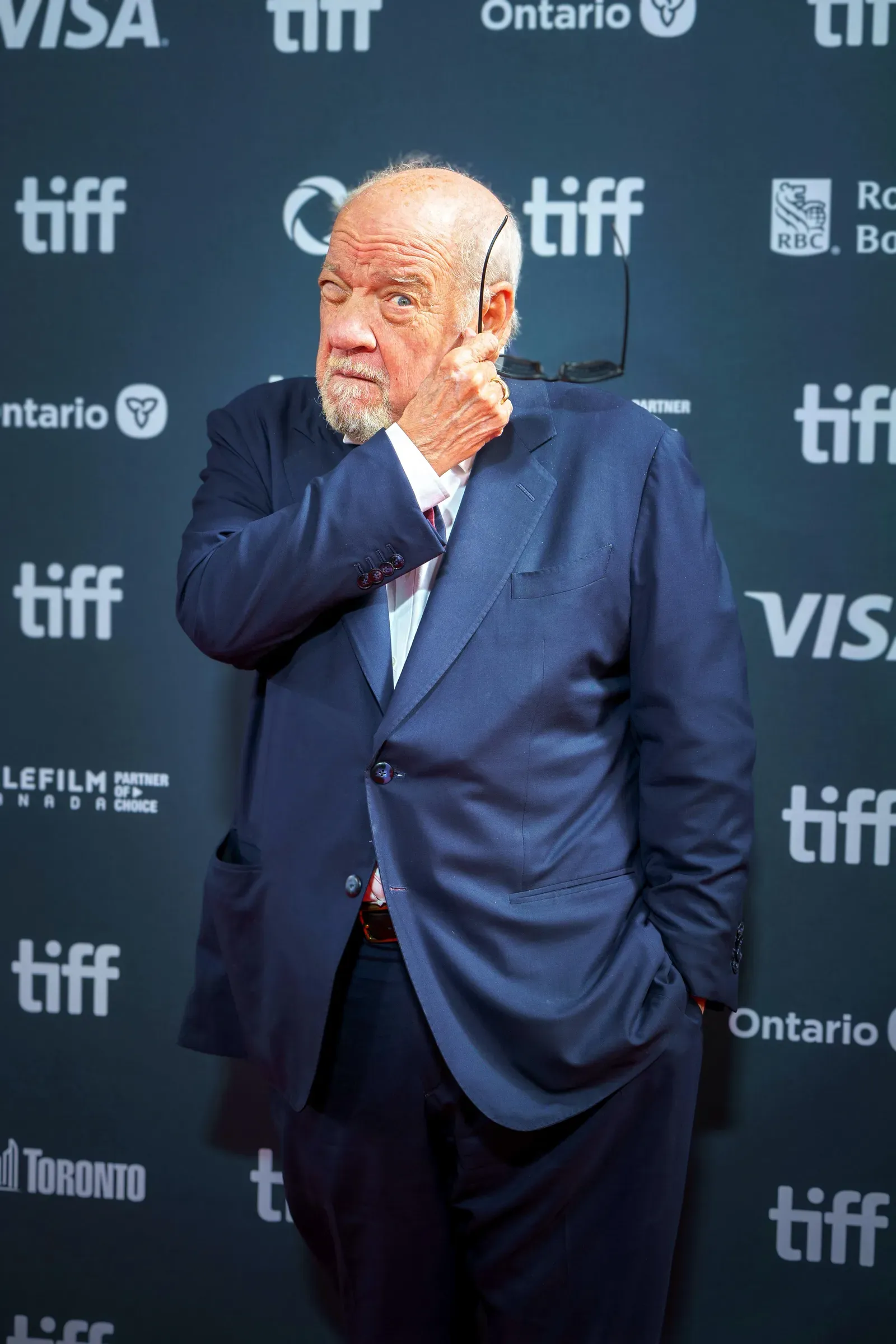
Schrader came to film from an unlikely background, having grown up in a strict Calvinist household. He studied film at UCLA and wrote criticism for publications including Cinema magazine and the Los Angeles Free Press. In 1972 he published Transcendental Style in Film, a study of Ozu, Bresson, and Dreyer that is still read in film courses.
He became famous first as a screenwriter, with Taxi Driver in 1976, before directing his debut Blue Collar in 1978. His work has often returned to lonely men seeking some form of redemption. Oh, Canada, his adaptation of a Russell Banks novel, premiered in the main competition at Cannes in 2024, which shows he was still active well into his late seventies.
Olivier Assayas
Assayas belongs to a later generation, and he wrote for Cahiers du Cinéma in the late 1970s and 1980s before making films full time. His criticism helped bring attention to Asian cinema, including Hong Kong directors, at a time when European critics paid it little notice. That wide curiosity shows up in his own work.
Irma Vep, from 1996, is a playful look at a troubled film shoot, and he later adapted it into a television series for HBO in 2022. Personal Shopper won him a share of the Best Director prize at Cannes in 2016. His 2024 film Suspended Time, set during the Covid lockdown, shows he still draws on his own life and memories.
Partner offer
Planning a trip to Vegas?
Compare hotel rates and show tickets on VEGAS.com.