Hollywood loves the phrase “based on a true story.” It sells tickets, adds gravity, and gives audiences a reason to feel something extra as the credits roll. But that phrase is doing a lot of quiet work, smoothing over years of research, court records, and firsthand accounts into something tidier than reality ever is. The gap between what actually happened and what ended up on screen is often wider than most viewers realize. Some of the most celebrated “true story” films took liberties so significant that historians, journalists, and even the real people involved have pushed back publicly. Here are seven well known examples where the movie version and the actual record part ways in ways that matter.
Braveheart and the man who never wore a kilt

Mel Gibson’s 1995 epic turned William Wallace into a global folk hero, but the film’s title alone gets history backwards. The film misattributes the title “Braveheart” to William Wallace, when it is actually associated with Robert the Bruce. The nickname actually traces back to a story about Robert the Bruce’s heart being carried into battle after his death, not to Wallace at all.
The visual style is just as invented as the title. During this period, Scots didn’t wear kilts. At all. Wallace’s background was also softened for drama, since historian A. E. Christa Canitz explains that Sir William Wallace was actually born into the Scottish gentry rather than rising from humble farm life as the film suggests. Much of the film’s plot draws on an account by a bard named Blind Harry, who wrote about William Wallace roughly 100 years after the events of his life happened, meaning even the source material was already shaky before Gibson ever picked up a camera.
The Blind Side and a family story that unraveled years later
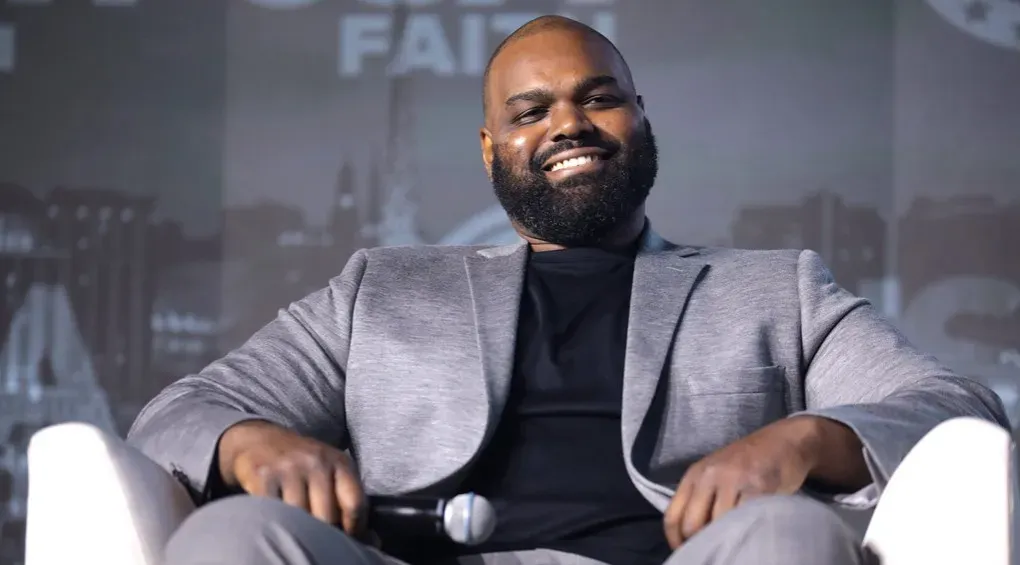
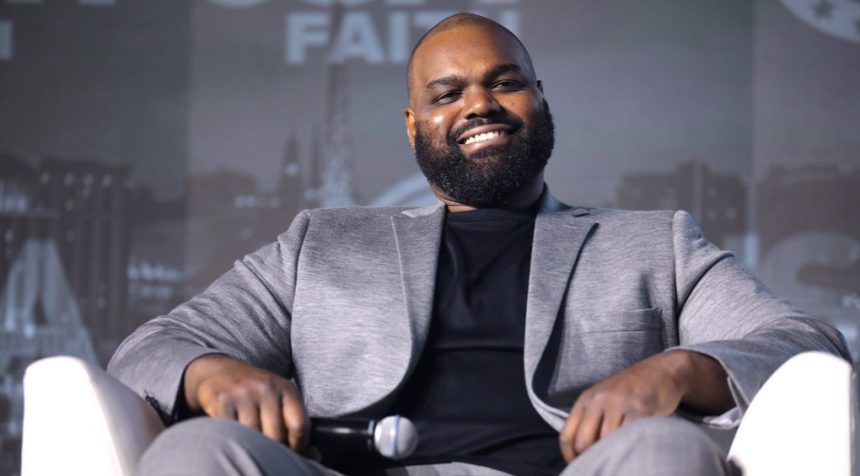
For over a decade, “The Blind Side” was treated as a feel good sports biopic about a struggling teenager taken in by a generous family. That image cracked in 2023 when the real Michael Oher spoke out. According to ESPN, Michael Oher filed a lawsuit in August 2023 alleging that Sean and Leigh Anne Tuohy didn’t adopt him and tricked him into agreeing to a conservatorship, which led to them profiting millions of dollars off his name.
The legal filing focused less on football and more on paperwork. The majority of the petition focused on the Tuohy family’s use of the word “adoption” to make money from Oher’s story, and Oher’s assertion that they never adopted him. Oher also pushed back on how the film portrayed his intelligence and personality, and he has previously expressed sorrow over how he’s depicted in the film, particularly the way it depicts his academic struggles. The Tuohys and the film’s producers have disputed his claims, but the case made clear that the warm, simple version audiences saw in theaters left out a lot of friction.
The Social Network and a Facebook origin story that was never meant to be documentary
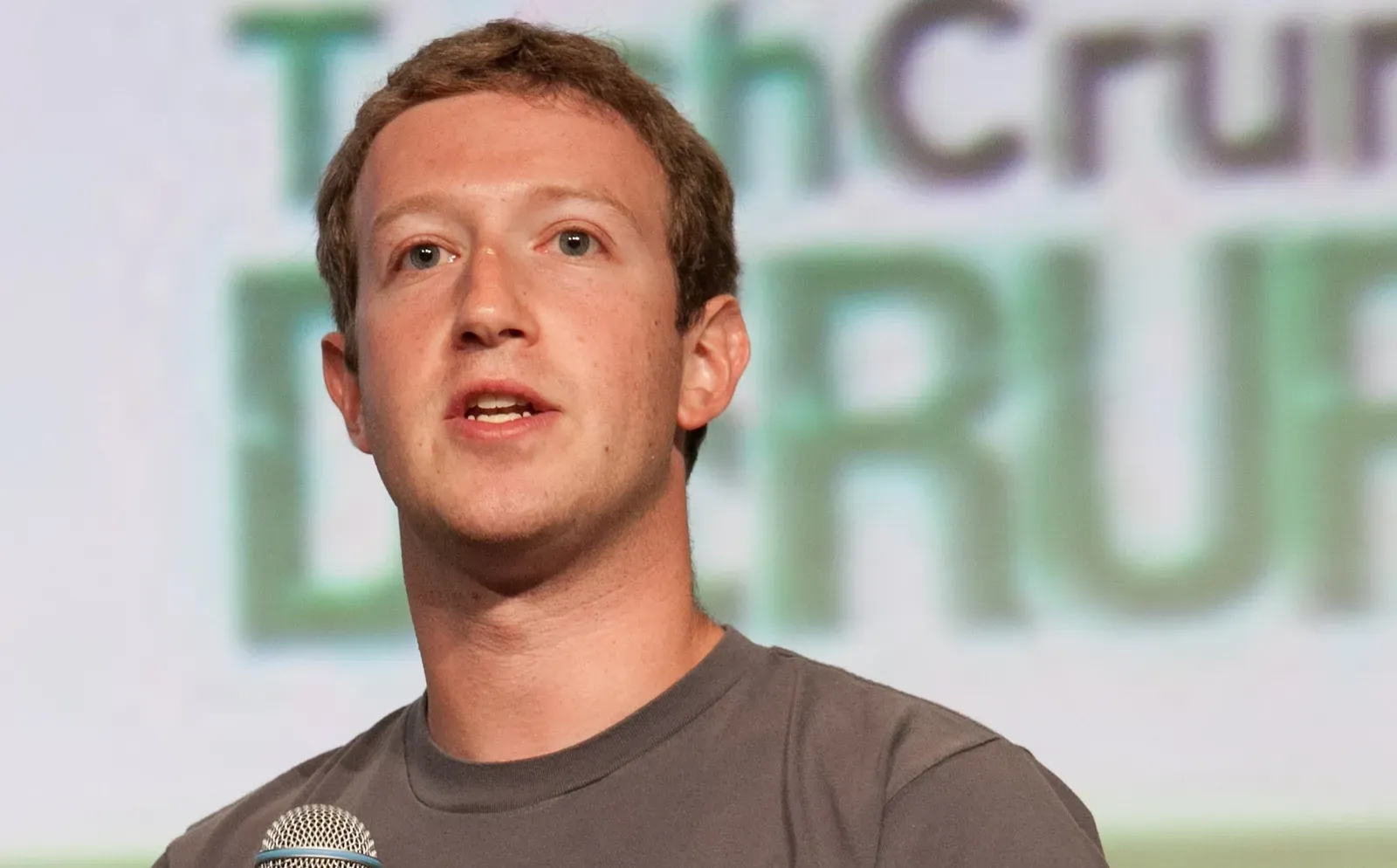
Aaron Sorkin’s script turned Mark Zuckerberg’s college years into a sharp, quotable drama about ambition and betrayal, but it was built more for narrative punch than record keeping. The Social Network, adapted from Ben Mezrich’s The Accidental Billionaires, is not a true story. Director David Fincher leaned into small authentic touches while inventing the bigger emotional arc.
Notably, director David Fincher has boasted about its authenticity, pointing to the accuracy of such details as Zuckerberg’s beer choice, even as the central relationships and motivations were largely constructed for drama. The film also never claimed to be strictly factual in the way many assume, since The Social Network asserts itself as the story about Mark Zuckerberg without ever actually announcing itself as based on a true story with a title card. It’s a case where the small details feel real precisely because the big picture was reshaped for the screen.
Argo and a rescue mission with a Hollywood ending bolted on
Ben Affleck’s Best Picture winner dramatized the 1980 rescue of six Americans hiding in Tehran, and most critics agreed the setup was largely faithful. The unraveling happens near the finish line. Several reviews have noted just how far the movie departs in certain respects from the historical record, particularly in the movie’s dramatic climax.
Partner offer
That climax, involving a tense chase down the airport runway as Iranian forces pursue the departing plane, did not happen the way it’s shown. The “broadly accurate retelling of real events” gives way to “some fairly whopping dramatic license.” The real extraction was reportedly far quieter and less cinematic, which is a common pattern in true story thrillers: the setup stays close to fact, and the ending gets a jolt of pure invention.
The Imitation Game and a codebreaker rewritten into a movie archetype
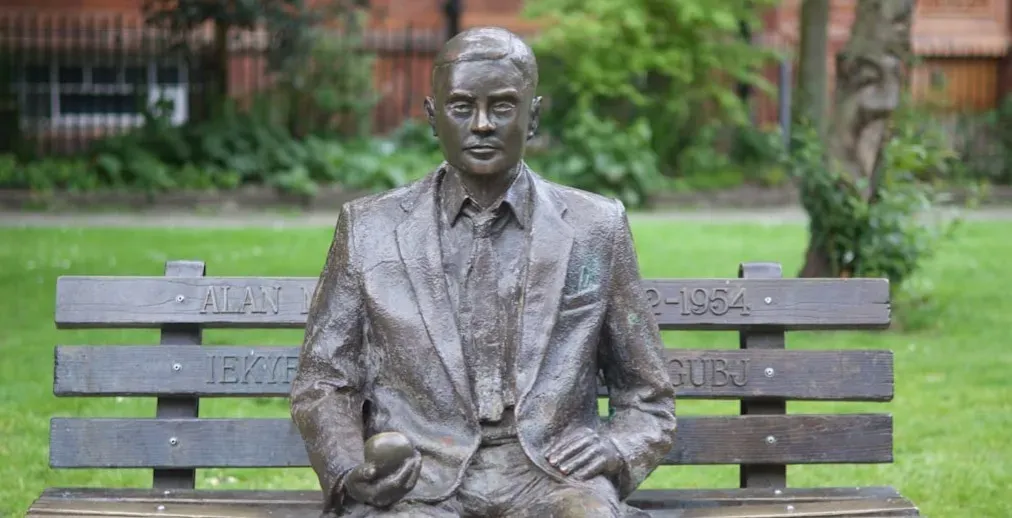
Benedict Cumberbatch’s portrayal of Alan Turing shaped how a generation understands the mathematician who helped crack the Enigma code, but the film took real creative detours to get there. The Imitation Game takes major liberties with its source material, injecting conflict where none existed, inventing entirely fictional characters, rearranging the chronology of events, and misrepresenting the very nature of Turing’s work.
The film’s version of Turing as painfully socially awkward is also overstated. Andrew Hodges’s book does depict Turing as a man who preferred working alone, but the biography also depicts Turing as having many close friends and a sense of humor. Even the recruitment scene that introduces Joan Clarke through a crossword competition is dramatized, since crosswords were indeed used in the recruitment process at Bletchley Park, but neither Turing nor Clarke was recruited that way, as Clarke was a gifted mathematician recruited by Turing’s peer Gordon Welchman.
A Beautiful Mind and the parts of John Nash’s life left out entirely
Ron Howard’s film earned praise for humanizing schizophrenia through the story of Nobel laureate John Nash, but it reshaped his illness for the screen in a very specific way. The movie depicts Nash experiencing vivid visual hallucinations, complete with a recurring roommate character and a government conspiracy he believes he’s part of. In reality, Nash’s schizophrenia was primarily auditory, built around voices rather than fully realized visual figures wandering through his life.
The film also compresses and simplifies a personal history that was considerably messier, including details about his earlier relationships and a son from a prior relationship that never appears in the story. It’s a case where the emotional truth of living with mental illness came through clearly, even as the specific mechanics of Nash’s experience were altered to fit a more visually dramatic and narratively coherent film.
Hidden Figures and the composite characters standing in for real history
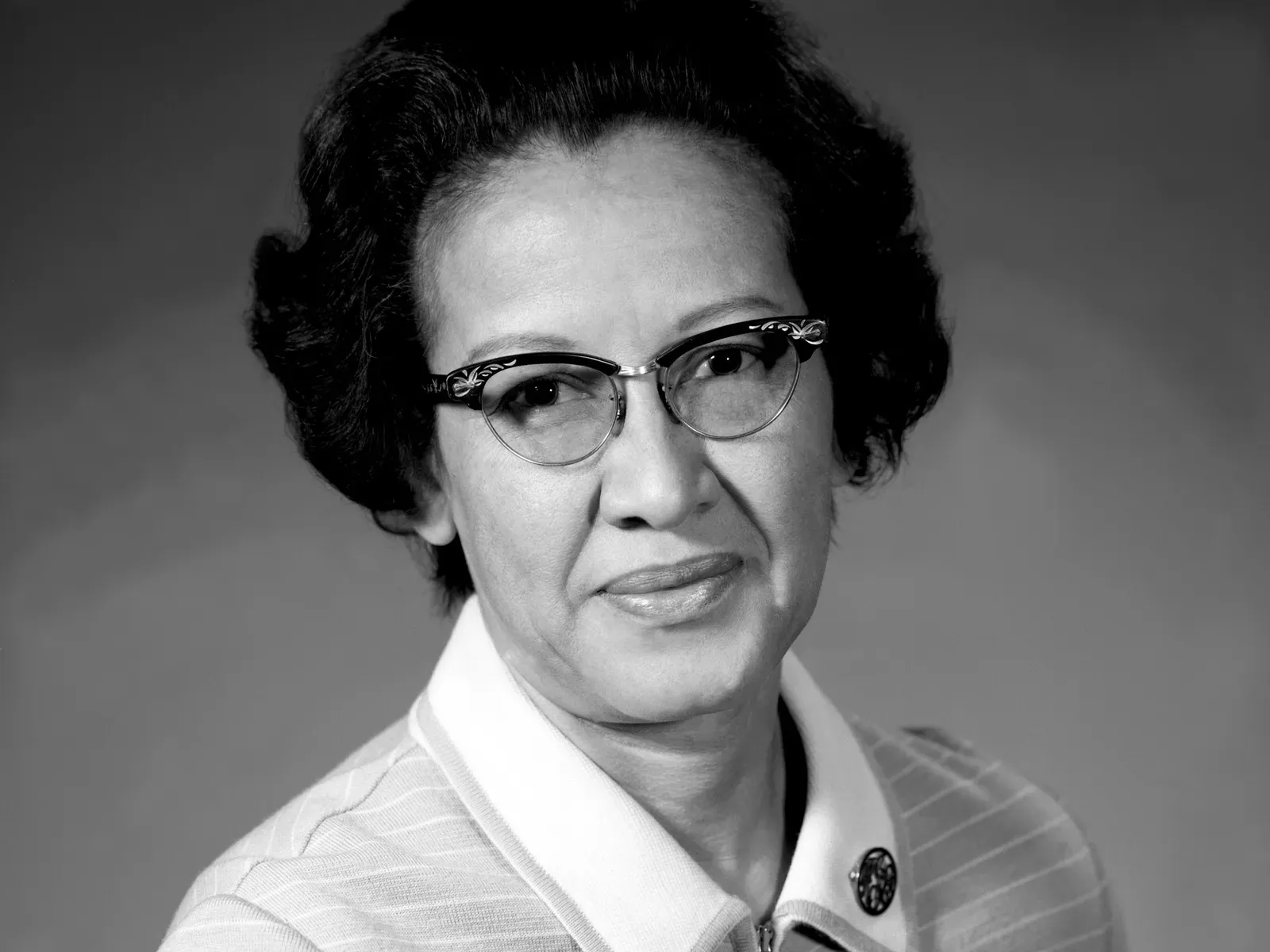
The 2016 film introduced millions of viewers to the Black women mathematicians at NASA who helped launch American astronauts into orbit, and its broad strokes are solidly grounded in fact. Where it drifts is in compressing years of institutional change into a handful of dramatic scenes, including a now famous bathroom confrontation that didn’t unfold in the tidy, single moment the film presents.
Katherine Johnson’s calculations were real and consequential, but the film heightens the drama around specific moments, like her presence during launch countdowns, for narrative effect. Several side characters and events were also streamlined or invented to represent broader patterns rather than single documented incidents. The result is a movie that captures something true about the era’s barriers, even while individual scenes function more as symbolic shorthand than literal record.
These seven films share a common thread: they weren’t built to be historical documents, even when marketed with the reassuring label of a true story. The label tends to earn trust that the filmmaking itself doesn’t always ask viewers to verify. Knowing where the screenplay took over from the record doesn’t ruin these movies, but it does make watching them a little more informed.Partner offer
Planning a trip to Vegas?
Compare hotel rates and show tickets on VEGAS.com.