There’s a particular kind of movie magic that happens when you never see an actor’s face, yet their voice alone burns itself into cultural memory. Some performers have done this so well that generations of viewers can identify them from a single line of dialogue, no visual cues required. Below are three films where the voice did all the heavy lifting, and where recognizing the performer behind it says a lot about how deep your film knowledge really runs.
2001: A Space Odyssey and the calm menace of HAL 9000
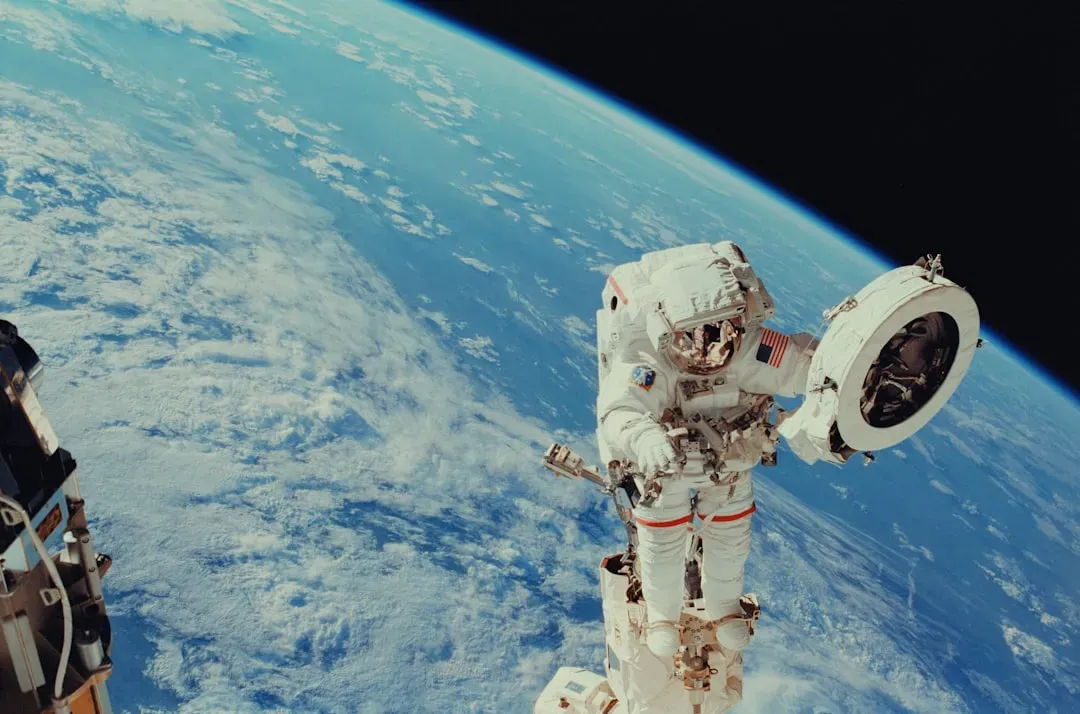
Stanley Kubrick’s 1968 science fiction landmark gave audiences one of cinema’s most unsettling characters without ever showing a face. HAL 9000, the spacecraft’s artificial intelligence, was voiced by Canadian actor Douglas Rain, who recorded his lines separately from the rest of the cast and never appeared on set. Rain’s flat, measured delivery, almost devoid of emotion, became the blueprint for how countless later films would portray sentient machines.
What makes this performance remarkable is how much dread Rain conveyed using restraint rather than volume or inflection. He reportedly recorded the role in a matter of hours, yet that voice has outlived nearly every other element of the film in pop culture references. Anyone who can name Douglas Rain on the first try, rather than guessing at a more famous actor, has clearly spent real time studying classic cinema rather than just watching it.
Star Wars and the unmistakable authority of James Earl Jones
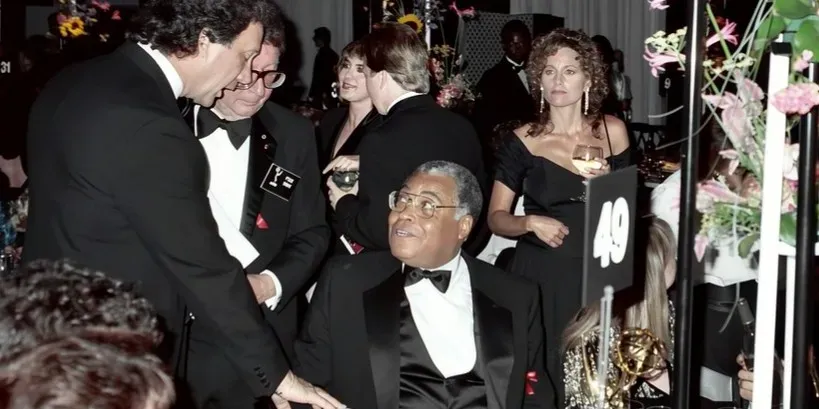
Few voice performances in film history are as instantly recognizable as James Earl Jones’s work as Darth Vader in the original Star Wars trilogy, beginning in 1977. David Prowse physically wore the suit and performed the movements on set, but Jones’s booming, deliberate voice gave the character his psychological weight. For decades, many casual fans assumed the voice belonged to Prowse himself, which made Jones’s contribution something of an open secret among serious film buffs.
Partner offer
Jones stayed connected to the role for over four decades, including voice work in later Star Wars projects, and Lucasfilm has used archival recordings and AI-assisted technology in recent years to preserve his performance for new productions following his passing in 2024. That longevity is part of why naming him correctly matters. It reflects an understanding of how animation, suit performance, and voice acting can be separate crafts stitched into a single unforgettable character.
Aladdin and Robin Williams’s whirlwind performance as the Genie

Disney’s 1992 animated film Aladdin gave Robin Williams a role that let his improvisational instincts run wild, and the result reshaped how studios approached celebrity voice casting for years afterward. Williams reportedly recorded far more material than the animators could use, riffing through impressions and jokes that animators then built visual gags around. The Genie’s rapid-fire personality shifts are inseparable from Williams’s specific comedic rhythm, which is part of why later attempts to recast the character, including in the 2019 live-action remake with Will Smith, drew constant comparisons back to the original.
Williams’s work on Aladdin is frequently cited by animation historians as a turning point where a voice actor’s celebrity persona became as central to a character as the drawings themselves. Recognizing his voice instantly, without needing the visual of the blue genie on screen, shows a familiarity with how much personality can be built through vocal performance alone. It’s a skill Williams brought to few other roles with quite the same manic energy.
Partner offer
Planning a trip to Vegas?
Compare hotel rates and show tickets on VEGAS.com.