Some of the most memorable moments in cinema look effortless on screen, yet the reality behind the camera often tells a very different story. A scene lasting only a few minutes can swallow weeks or even months of a production schedule, chewing through budgets, patience, and sometimes an entire cast’s physical stamina.
From practical stunts that could only be attempted once to digital battles requiring endless coordination, these nine sequences show just how much labor hides behind a handful of seconds on the big screen.
1. Saving Private Ryan – The Omaha Beach Landing
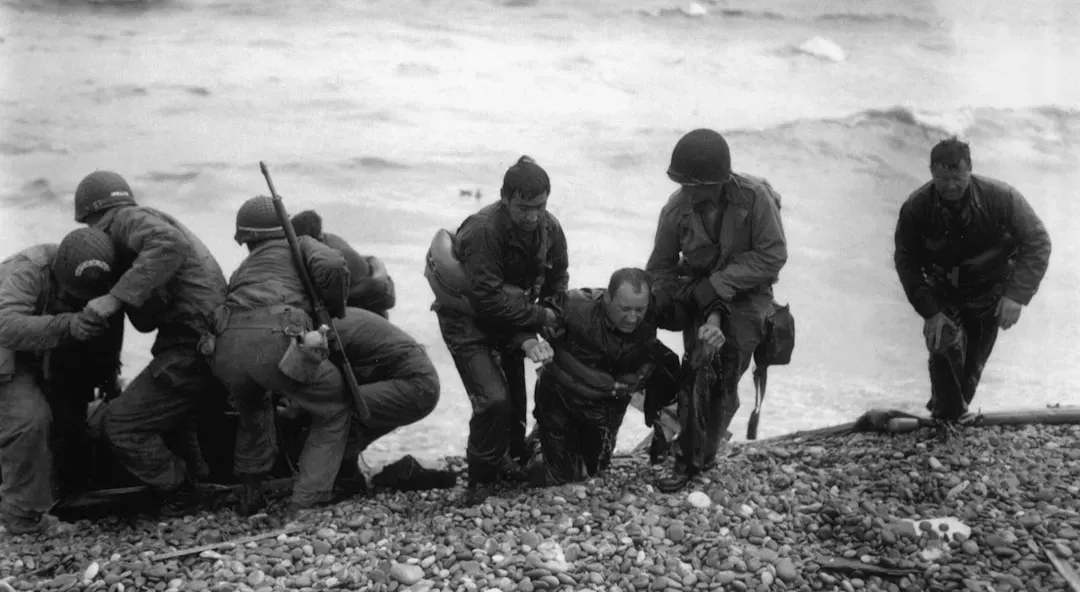
Steven Spielberg’s 1998 war epic opens with a D-Day sequence that redefined how combat looked on film. Steven Spielberg staged the D-Day landing with over 1,500 extras, practical explosions, and brutal realism, and the sequence took weeks to complete and appears for about 24 minutes in the movie. The scale of coordinating that many performers, along with squibs, smoke, and handheld camera work meant to mimic real newsreel footage, turned a single beach into one of the most logistically demanding shoots of its era.
The result changed expectations for what a war film could look like. Its chaos changed war filmmaking forever, and the sequence remains a reference point for directors attempting to capture the disorientation of real combat.
2. The Lord of the Rings: The Two Towers – Battle of Helm’s Deep

Peter Jackson’s fantasy epic needed a climactic battle that felt genuinely massive, so the production built out a real quarry in New Zealand rather than relying purely on effects. The crew spent months building the Helm’s Deep set inside a real-life quarry in New Zealand, and the crew spent 120 days, that’s over 17 weeks, shooting the battle in the quarry, with performers organized into elf and orc armies that charged into battle night after night to get those perfect wide shots.
Because the story sets the entire fight at night, the crew had to work almost exclusively after dark. Peter Jackson filmed Helm’s Deep over four months, mostly at night, in freezing weather, a schedule that tested the endurance of everyone involved long before any visual effects were added in post-production.
3. Titanic – The Ship’s Sinking Sequence
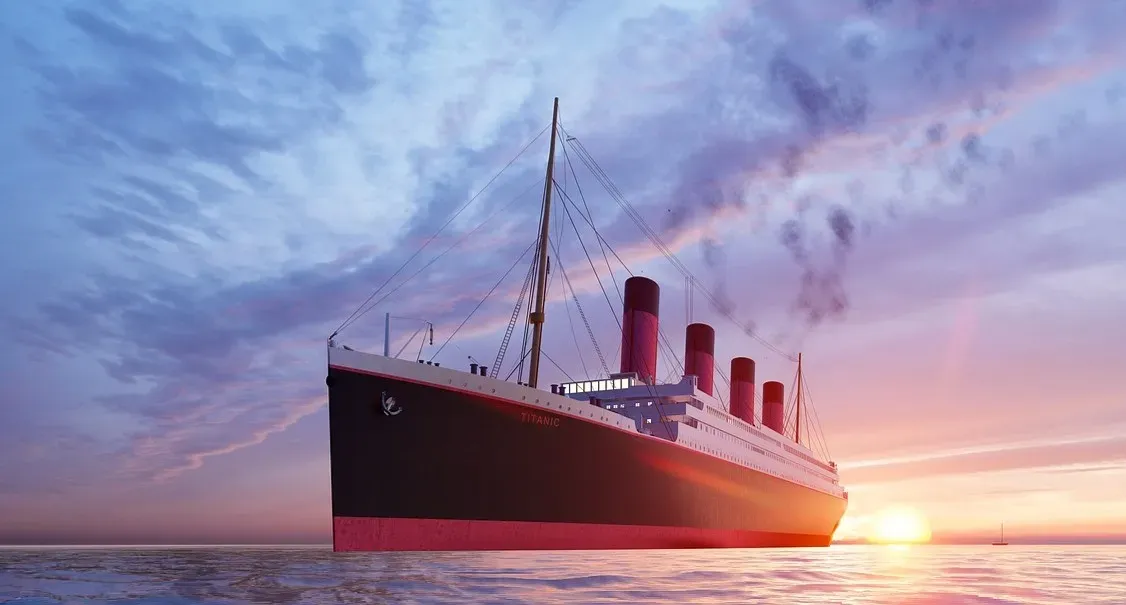
James Cameron’s approach to Titanic’s climax was built around historical accuracy rather than dramatic license. The film is timed so that the 1912 scenes take exactly as long as the actual sinking, two hours and forty minutes, and the iceberg collision is also an exact recreation, taking only 37 seconds. Achieving that precision meant filming across scale models, water tanks, and a massive replica of the ship itself.
One of the largest builds involved a scaled section of the vessel. The largest of these, a 1/8 scale model of the ship’s stern, was dubbed Plunge, measuring 60 feet long, 12 feet wide, and 22 feet high, earning it a Guinness World Records title for largest scale model for a film. Filming the ship’s descent required removing sections of the model as the pool work progressed, since keeping it fully intact would have caused it to scrape the bottom of the tank.
4. X2: X-Men United – Nightcrawler’s White House Assault
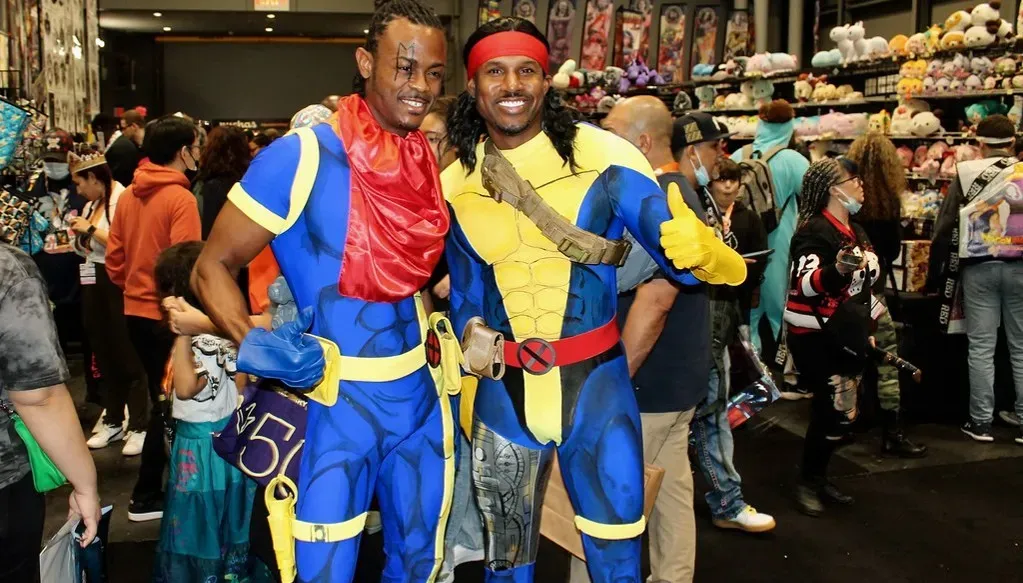
The opening attack sequence in X2 remains one of the more technically ambitious moments in the franchise. Director Bryan Singer noted it took one and a half months to shoot, with actor Alan Cumming spending 17 days just filming that one sequence, which only takes up a little over two minutes in the movie. Every jump, teleport, and camera swoop had to be planned with extreme precision to sell the character’s chaotic movement through the building.
Before a single camera rolled, the production had already invested significant time in planning. The entire scene had to be pre-visualized digitally to map out things before shooting, and afterwards the sequence required a ton of visual effects work in post-production. What plays as a breathless two minutes on screen represents weeks of choreography layered with extensive digital polish.
5. Mad Max: Fury Road – The Pole Cat Sequence
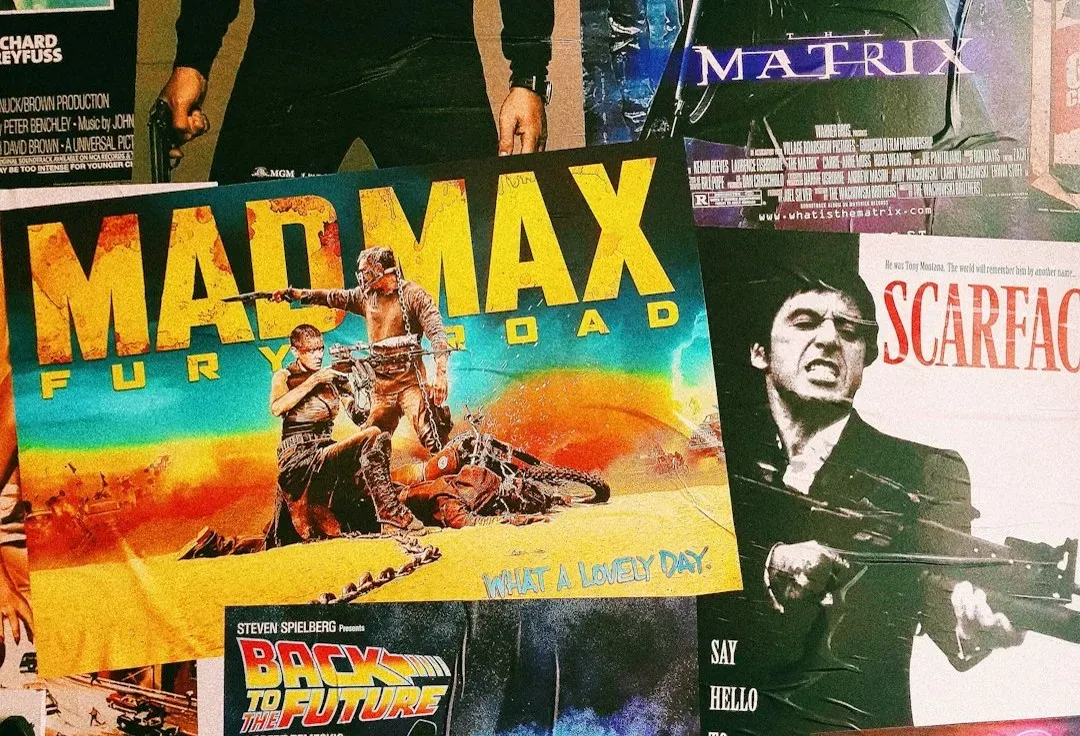
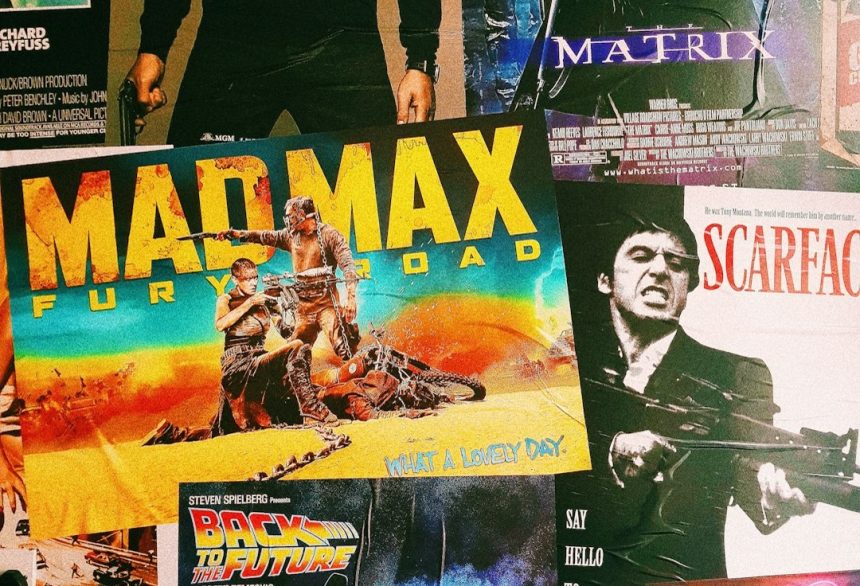
George Miller’s post-apocalyptic chase film is famous for favoring practical stunts over digital shortcuts wherever possible. George Miller trained stunt performers for months to swing on giant poles attached to moving vehicles, and those shots often lasted seconds but formed a sequence of about five minutes in the film. Performers had to master balance and timing on rigs that swayed unpredictably while the vehicles beneath them tore across desert terrain.
The payoff for all that preparation is a sequence widely regarded as one of the film’s signature moments. Among many other scenes, it is one of Mad Max: Fury Road’s most iconic. Few other action films have committed this heavily to physical performance over digital doubles for a single stunt sequence.
6. Inception – The Rotating Hotel Corridor Fight
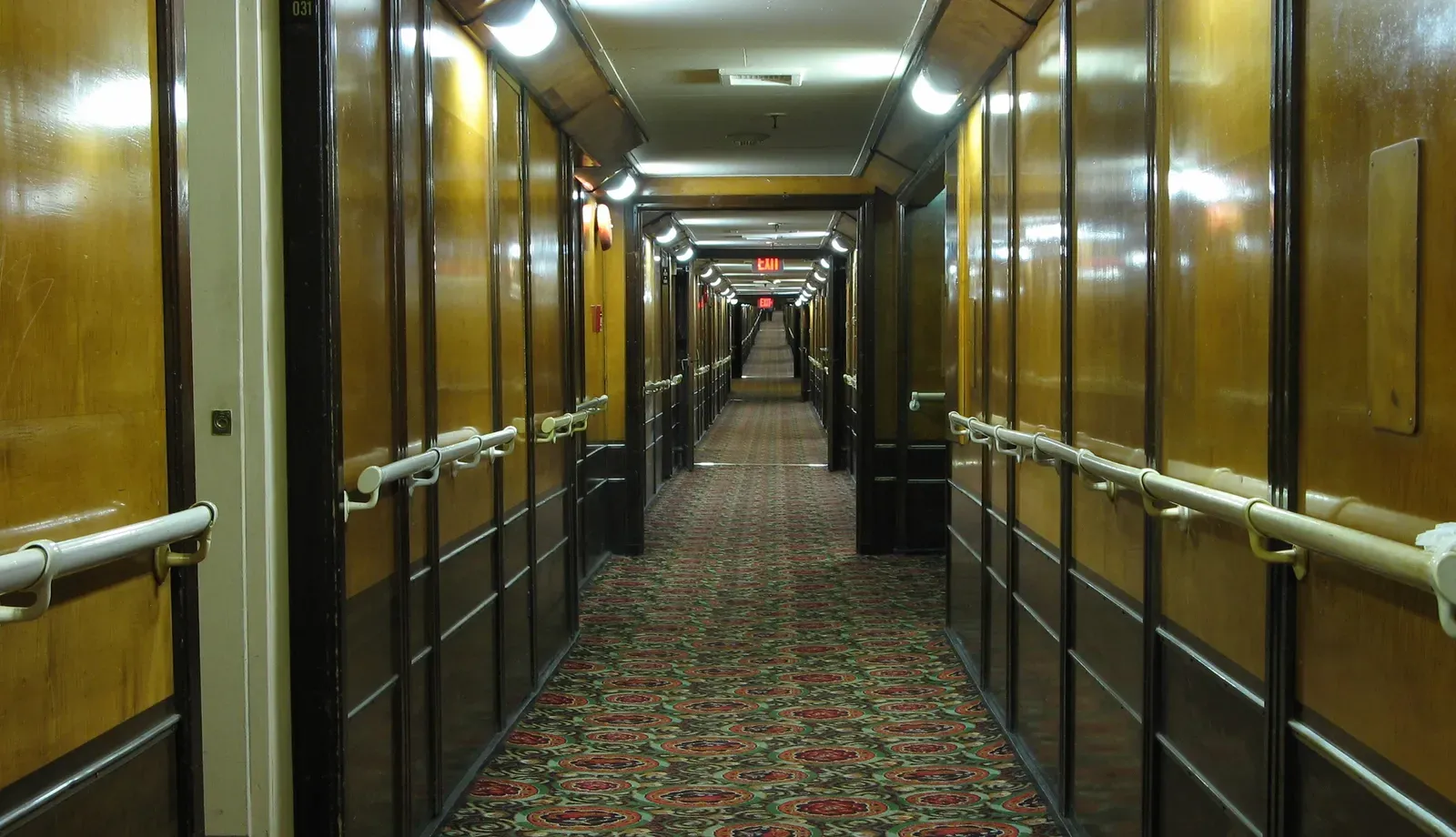
Christopher Nolan’s dream heist film includes a hallway fight that defies gravity in ways that still hold up more than a decade later. The production built a 100-foot rotating corridor and trained Joseph Gordon-Levitt for weeks before filming, and the scene took about three weeks to shoot and runs for roughly three minutes in the final cut. Rather than relying purely on wire work or digital rotation, the crew physically spun the set itself to disorient both the actor and the camera in real time.
That commitment to practical mechanics gave the fight a tactile weight that computer generated versions often lack. Its practical design gave it a realism that CGI could not replicate. Every punch, fall, and disorienting tumble had to be timed to the corridor’s rotation, making the shoot as much an engineering exercise as a performance one.
7. Interstellar – The Docking Sequence
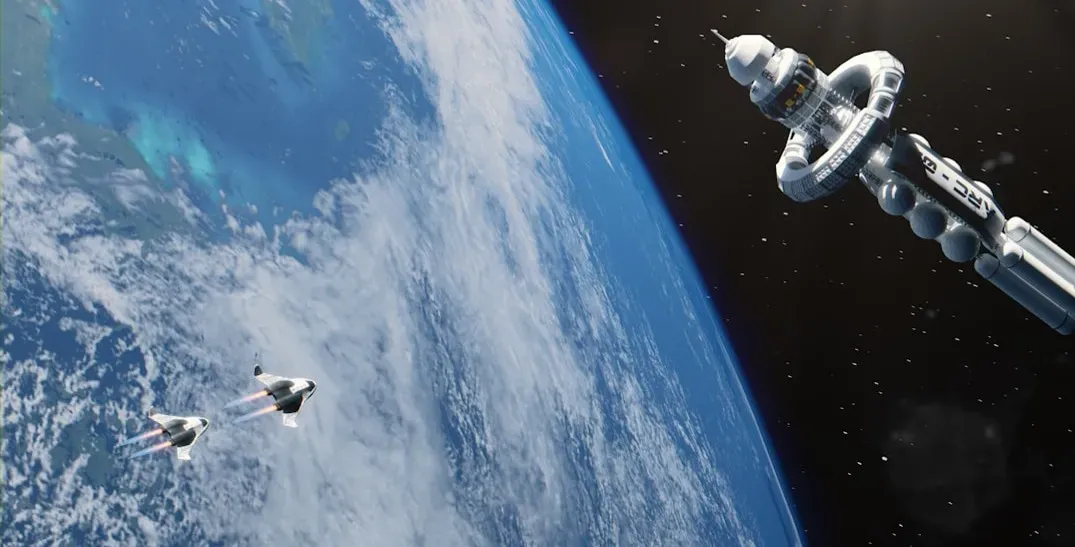
Nolan returned to practical effects again for Interstellar’s tense spacecraft docking scene, favoring miniatures over pure digital animation. Christopher Nolan relied on practical effects and miniatures for the spinning docking scene, and though the sequence appears for only four minutes, its complex mechanics and camera work required weeks of setup and execution. Getting the physical models to spin, align, and reflect light correctly took repeated testing before the cameras could capture a usable take.
The finished sequence pairs tightly with its score to heighten the tension of the moment. Nolan spent weeks coordinating miniature shots, CGI lighting, and Hans Zimmer’s rising score for the docking sequence, and the moment when the ships align lasts only seconds, yet its precision and tension turned it into one of the film’s standout scenes.
8. The Ten Commandments – Parting of the Red Sea

Cecil B. DeMille’s 1956 biblical epic produced one of classic Hollywood’s most enduring practical effects, decades before digital tools existed. The sequence took six months to create, with scenes shot on the banks of the Red Sea and at the Paramount backlot, and the wall of water was created at Paramount on 1/5th scale using a tilted ramp approximately 32 feet high and 80 feet long. The illusion of a parting sea relied on a combination of reversed footage, matte paintings, and carefully engineered water flow.
The scale of the plumbing alone was staggering for its time. The water was supplied by an elevated tank through 15 manually controlled hydraulically operated valves allowing the 360,000 gallons of water to cascade down in a thin sheet, with long wooden batons along the ramp causing the water to break up into choppy tides and undertow. Nearly seventy years later, the sequence still holds up as a landmark of practical filmmaking.
9. Speed – The Freeway Bus Jump

Jan de Bont’s 1994 action thriller needed a stunt spectacular enough to justify its entire premise, and the production found an unfinished stretch of Los Angeles freeway to make it happen. The scene was filmed on the I-105, which had not yet opened to the public, and the production spent six weeks shooting on the empty freeway before its October 1993 opening. That extended access allowed the crew to rehearse camera positions and stunt logistics without disrupting real traffic.
Despite all that preparation, the actual jump itself happened in an instant, with no room for error. The stunt used a specially rigged bus, lightened as much as possible, launched by a 16-foot kicker off a 100-foot long, eight-foot high ramp, and as the special effects team later admitted, they only had one bus and one real shot at getting it right.
Taken together, these nine sequences make a simple point clear: the moments audiences remember most vividly are rarely the ones that came together quickly. Whether it was a rotating hallway, a flooded soundstage, or weeks spent shooting on an empty freeway, the time invested behind the scenes is often the real reason these scenes still hold up on screen.