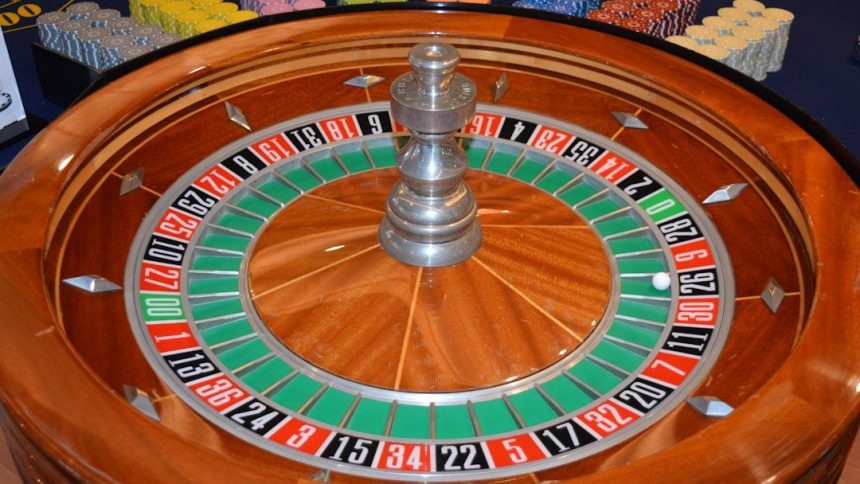
Most visitors to the Las Vegas Strip come with a few hundred dollars, a couple of nights, and no particular plan. They play the slots, catch a show, eat somewhere with a celebrity chef’s name above the door, and head home. A very different class of visitor arrives by private jet with millions already committed to the tables before they’ve checked in. These are the whales. They operate in a parallel economy within the same city, invisible to ordinary tourists but central to how the casino industry actually functions. Their world is quieter, more expensive, and far more calculated than the neon spectacle most people associate with Las Vegas.
What Makes Someone a Whale
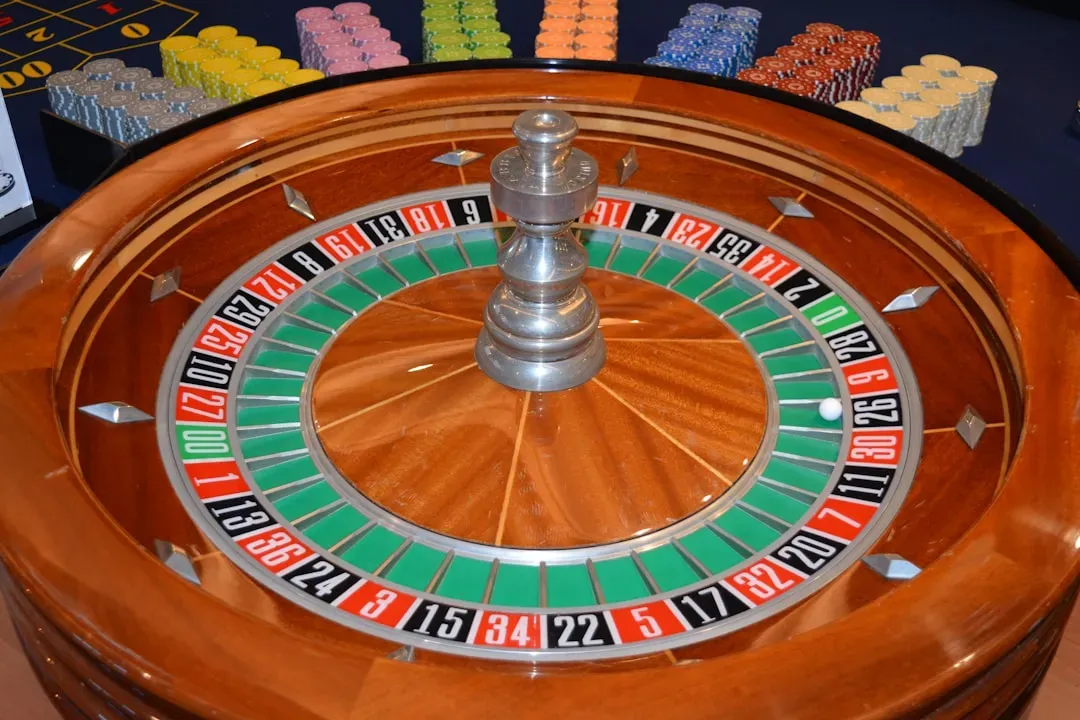
The word “whale” isn’t just casino slang for someone who spends a lot. It denotes a very specific tier of gambler. A high roller, also referred to as a whale or cheetah, is a gambler who consistently wagers large amounts of money. The key word there is consistently. A single lucky night doesn’t earn the designation.
The tiers break down roughly as follows: a low-end whale bets $100,000 or more per trip, a mid-tier whale bets between $500,000 and $1 million per trip, and an elite whale bets $5 million or more, commanding ultra-VIP levels of service, private gaming rooms, and extraordinary comps. Las Vegas whales typically operate with a budget of $1 million to $20 million and could easily be up or down millions in a single weekend. Their bets usually exceed $25,000 per hand.
These individuals are not just wealthy; they are extraordinarily affluent, often with a net worth in the hundreds of millions or even billions. According to some estimates, there are fewer than 500 such individuals globally, and their gambling activities are so significant that they can influence a casino’s entire financial performance.
The Revenue Math Behind the Whale Economy

Whales drive the industry. Just 3% of players bring in nearly a quarter of Las Vegas revenue. That concentration of value is precisely why casinos invest so heavily in identifying and retaining these players. One whale can shift a month’s earnings.
High rollers account for 13% of visitors but 88% of table game revenue. The gap between those two numbers tells the whole story. Ordinary gamblers fill the floor. Whales fill the balance sheet.
Roughly 0.1% of gamblers account for over 25% of total casino gaming revenue. The financial rationale behind treating whales differently is clear. A single whale can generate as much revenue as hundreds or thousands of average gamblers. Given the high stakes, even a small house edge translates into millions in expected profit over time.
Nevada’s Record-Breaking Gaming Numbers

Nevada witnessed record-breaking gross gaming revenue for the fourth consecutive year, bringing in over $15.6 billion in 2024. The Nevada Gaming Control Board reports indicate the state’s revenue grew by less than 1% year-on-year, the lowest increase since 2021. The headline number is impressive. The rate of growth, though, suggests the market is maturing.
Statewide gaming revenue figures show 2025 was a second consecutive record-setting year. Nevada’s nonrestricted casino licensees won $15.8 billion from gamblers, a year-over-year increase of 1.2% over the previous record of $15.61 billion set in 2024. Records keep falling, even as visitor numbers show signs of strain.
According to the Las Vegas Convention and Visitors Authority, 38.5 million people visited the city in 2025, down 7.5% from 2024. It was the first year-over-year decline in the post-COVID era and the lowest total since 2021. Fewer bodies through the door, yet revenue held. That outcome points directly to the outsized weight carried by high-value players.
Baccarat: The Whale’s Game of Choice

Baccarat is the whale’s game of choice, and it’s not even close. An estimated 70 to 80% of Macau casino revenue comes from baccarat, a game where players make almost no decisions after placing their bet. Whales gravitate to it for speed, sky-high limits, and the lowest house edge among table games, roughly 1.06% on the banker bet.
From month to month, casino gaming revenue can fluctuate dramatically thanks to baccarat, the most volatile game on the floor. It’s the game the wealthy whales and James Bond play, in which fortunes can be won or lost literally with the turn of a card. It isn’t uncommon for baccarat players to make wagers of six figures per hand, which adds to the volatility. As one gaming analyst put it: “A small group of players wagering large sums of money creates the unpredictability.”
The Nevada Gaming Control Board reported $1.23 billion in statewide casino win for August 2025, a 5.4% increase from the prior year. On the Las Vegas Strip, revenue reached $679.3 million, up 8.3% year-over-year, marking one of the strongest summer performances since before the pandemic. The Strip’s strong performance was partly due to baccarat revenue, which rose 51% compared to August 2024.
The Art and Science of the Comp Package
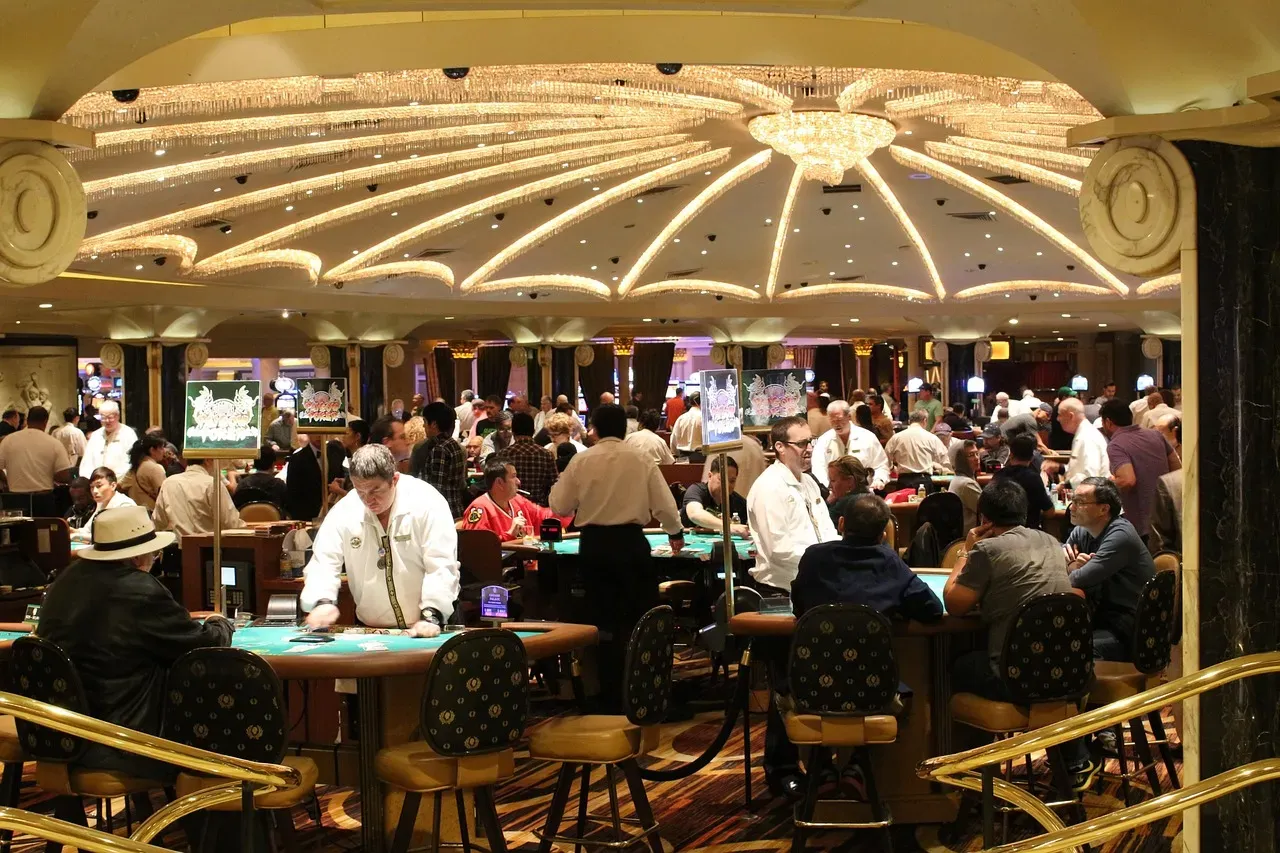
High rollers often receive lavish comps from casinos to entice them onto the gambling floors, such as free private jet transfers, limousine use, and use of the casinos’ best suites. Casinos may also extend credit to a player to continue betting, and offer rebates on betting turnover or losses. These aren’t acts of goodwill. They’re calculated investments.
Casinos run a hidden economy just for whales. High rollers rarely pay for anything. Casinos offer comps that include private jets, penthouses, Michelin-starred personal chefs, and even on-call medical staff. The hospitality isn’t generosity; it’s calculated investment. The expected return from one whale can dwarf an entire floor of slot machine revenue, making a $500,000 weekend hosting package a perfectly rational business decision.
These high rollers often have lines of credit ranging from $4 to $5 million for a single weekend. High-stakes gaming areas in luxury casinos offer an exclusive atmosphere designed for high-rollers, providing privacy, personalized services and unique gaming experiences. Private gaming rooms exude a sense of next-level exclusivity, allowing high-rolling guests to enjoy a secluded and secure environment.
Legendary Whales Who Moved the Needle

In 2007, Terrance Watanabe went on one of the most extreme gambling runs ever recorded. Over the course of that year, he lost around $204 million at Caesars Palace and the Rio, playing everything from slots to blackjack and baccarat. At one point, his losses alone made up roughly 5 to 6% of Harrah’s Entertainment’s total annual casino revenue.
Archie Karas’s journey from humble beginnings to becoming Vegas’s most talked-about gambler seems scripted for the big screen. Arriving in the U.S. as a Greek immigrant with just $50, he taught himself poker and quickly climbed the ranks. Karas’s legacy was solidified with an unprecedented run, turning that $50 into a staggering $40 million over three years. Archie Karas passed away in 2024 at the age of 73.
Partner offer
UFC president Dana White claimed an estimated $26 to $27 million in baccarat winnings at Caesars Palace between January and March 2024. His strategy of betting huge amounts and only leaving after winning three hands in a row has drawn attention, with some casinos such as Wynn Las Vegas reportedly refusing to allow him to wager at his preferred limits due to his success. That’s why he has long been devoted to Caesars Palace, which permits him to bet $350,000 a hand, and Bellagio, which allows $400,000 hands.
The Whale Hunt: How Casinos Court Big Spenders
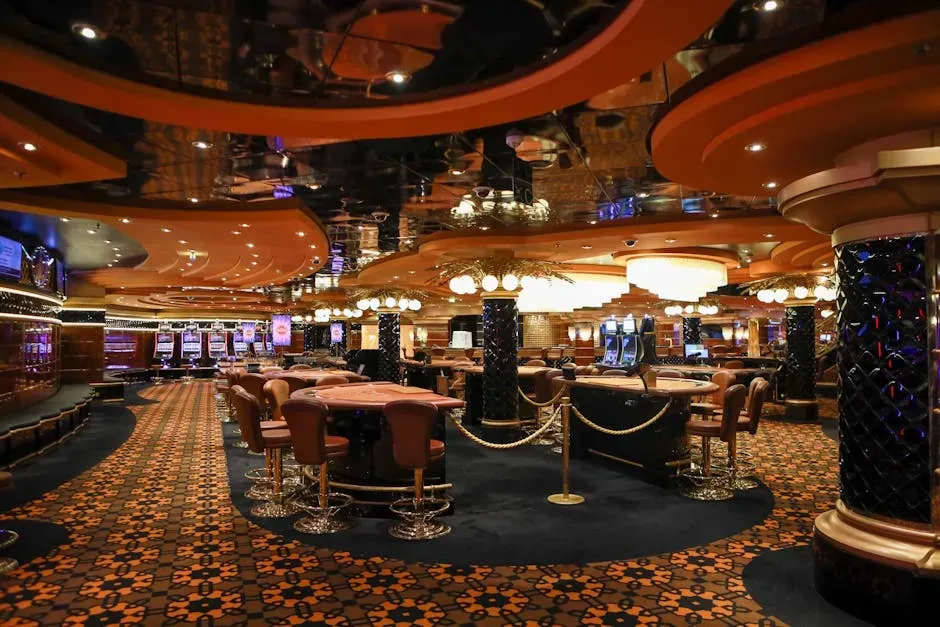
While casino whales consist of just a few thousand people in the world, the amounts that they can afford to lose are highly impressive, so hoteliers train special staff for “the whale hunt.” Dedicated casino hosts are assigned to individual players, sometimes managing relationships over years or even decades. It’s relationship management at an extreme level.
Ultra-exclusive experiences are central to the pitch: dinners with A-list celebrities, access to invite-only events like VIP Super Bowl suites, or weekends racing Ferraris with a Formula 1 driver. Casinos hire the best VIP hosts and pay them well to recruit these whales, assigning a dedicated concierge team that takes care of every aspect of the player’s life. Staff study each whale’s habits, including their favorite drinks, food, games, and travel preferences.
If one casino won’t accommodate a whale’s requests, another one will. Las Vegas, Macau, and Monte Carlo are in a constant arms race to attract whales with bigger and better perks. The competition between properties for these players is genuinely intense, and occasionally personal.
Technology Watching the Whales

Facial recognition systems are being rolled out by several casinos to track high rollers. The introduction of this technology at slot machines and table games could provide a significant increase in casino revenue. Using the tech to monitor and track high-value customers would allow casino bosses to quickly identify optimal targets for comps, cards, and other preferential treatment.
At Wynn Las Vegas, machine learning models analyze players’ historical data to predict their “lifetime value.” High-value players get personalized treatment: reserved tables, private jet offers, or fancy room upgrades. Casual players get drip-fed rewards to push them into spending more. A recent study examined a well-known casino operator that had implemented artificial intelligence in its land-based and online venues. With the assistance of behavior monitoring and predictive software, the operator increased high-roller engagement by 12% and optimized table game distribution.
High-rollers demand privacy and safety, and in response, luxury casinos are employing biometric verification, AI-powered surveillance, and encrypted transaction systems to ensure that VIP guests feel secure and protected at all times. It’s a surveillance operation dressed up as hospitality.
When Whales Win Big: The Casino’s Exposure
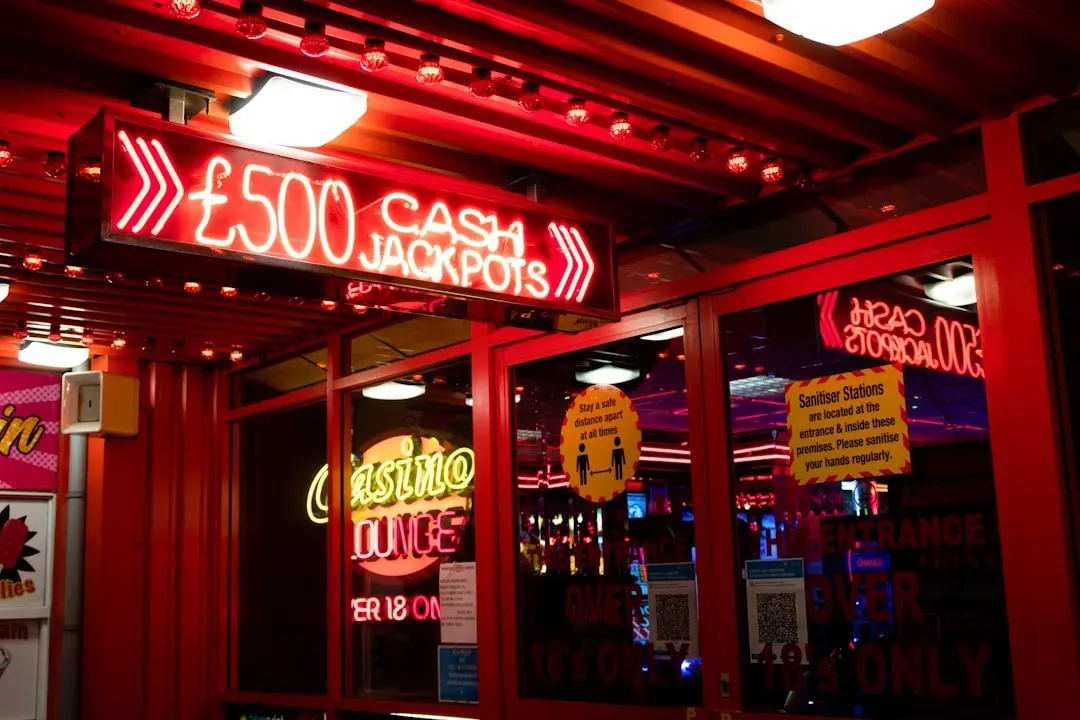
Despite the benefits, catering to whales also carries risks. Some high rollers win large sums, which can cost casinos dearly. To mitigate this, casinos often use sophisticated risk management techniques and set betting limits tailored to individual players. A single bad weekend against the right whale can dismantle a quarter’s earnings.
The Las Vegas Strip’s October surge in one recent year was fueled by VIP high-stakes baccarat play at luxury properties, generating $116.4 million, a 69% year-over-year increase. The flip side is equally true. In 2024, the Strip saw a 1% revenue drop, mainly due to a 7% drop in baccarat earnings, a key player in revenue generation. One game. One player segment. Swinging the whole city’s numbers.
There are probably 100 to 200 true whales or premium players in the world, and they can make or break a casino’s month. That level of exposure explains why casinos go to such extraordinary lengths. It’s not generosity. It’s risk management wrapped in champagne.
The Dark Side of the High Roller Life

There have been many cases around the world where high rollers have committed fraud to provide funds for gambling beyond their means, after becoming seduced by the lifestyle. This was the case with famed gambler Terrance Watanabe, who reputedly lost over $220 million in Las Vegas over a 5-year period, and was ultimately sued by Caesars Entertainment for failing to pay up on markers totaling $14.75 million.
Ramon DeSage was charged with “cheating the IRS out of more than $28 million.” It’s believed his illicit activities were, in part, due to an attempt to maintain his glamorous lifestyle and repay millions in gambling losses at Vegas casinos, where he had wagered and lost around $175 million. That would make him one of the biggest gamblers to ever grace the Strip.
There’s a darker side to the whale economy. Gambling addiction is real, affecting around 1 to 2% of players, and it can lead to serious consequences including debt, broken families, and worse. Over time, house edge erodes even the largest bankrolls. What separates whales psychologically is that they’ve reframed “losing” as the cost of entertainment rather than failure, a mental model most recreational gamblers simply can’t afford to hold.
Where the Whale Economy Stands in 2025 and 2026

Officials from leading operators have said for several quarters that higher-net-worth play is holding up better in Las Vegas than lower-value segments. Only about a quarter of respondents in recent visitor surveys reported household income of less than $100,000, while almost half came from the highest income bracket of $150,000 and above. The average visitor is getting wealthier, even as total visitor numbers dip.
Anthony Lucas, professor of casino management at UNLV and a former gaming industry executive, said weaker international visitation played an outsized role in the 2025 numbers. “Las Vegas suffered in 2025 from the reality that international travel to the U.S. became less desirable, especially in critical feeder markets such as Canada,” Lucas said. International whales, a historically crucial segment, became harder to attract.
Casinos are getting smarter. AI now tracks VIP players, and regulators are tightening the rules with things like spending limits and affordability checks. The era of completely unmonitored whale activity is closing, slowly, but the fundamental dynamic, where a tiny sliver of gamblers props up an enormous industry, shows no sign of changing.
The whale economy has always operated in plain sight while remaining largely invisible. Billions flow through a small number of hands, comped rooms and private jets function as business expenses, and a few hundred people worldwide carry more financial weight in Las Vegas than millions of ordinary visitors combined. The math behind that arrangement is cold and clear. Whether you find it fascinating or troubling probably depends on which side of the velvet rope you’re standing on.Partner offer
Planning a trip to Vegas?
Compare hotel rates and show tickets on VEGAS.com.