Every generation of musicians borrows something from the past, even when they insist they’re building something entirely new. Ask working producers what shapes the records coming out right now, and the same handful of decades old albums keep coming up in conversation. They’re not nostalgia picks. They’re reference points still sitting on studio playlists, still analyzed in mixing sessions, still quietly steering decisions about tone, space, and structure.
What follows is a look at seven albums that producers keep returning to, and the specific reasons why their fingerprints show up in music made in 2026.
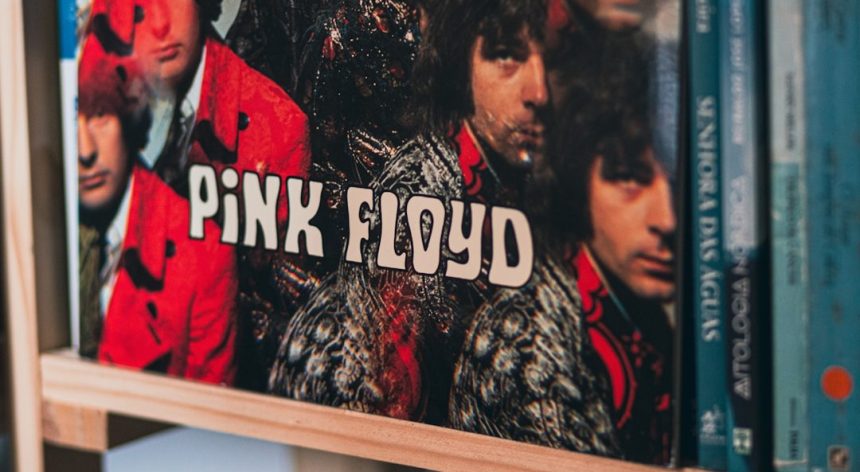
The Dark Side of the Moon – Pink Floyd (1973)
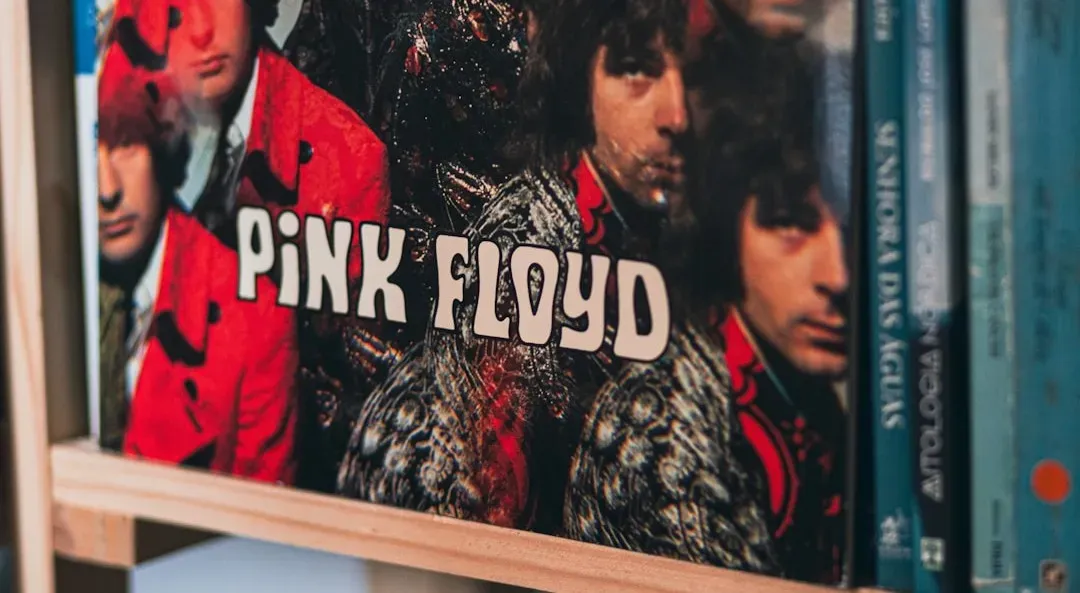
Pink Floyd’s 1973 album remains a reference point for engineers because of how deliberately it was built, not just how it sounds. Alan Parsons has described the mixdown as either using no compression at all or compressing everything except the drums, because he hated compressing drums. That kind of restraint, letting dynamics breathe instead of flattening them, is something mixing engineers still study today.
To build the chaotic sound on “On the Run,” David Gilmour played his guitar with a microphone stand, and Parsons then played the recording in reverse with a delay effect layered on top. That willingness to treat the studio itself as an instrument, bending tape and signal chains into new textures, shows up constantly in modern ambient and experimental production. More than fifty years later, the album continues to inspire generations of musicians, producers, and engineers.
Thriller – Michael Jackson, produced by Quincy Jones (1982)
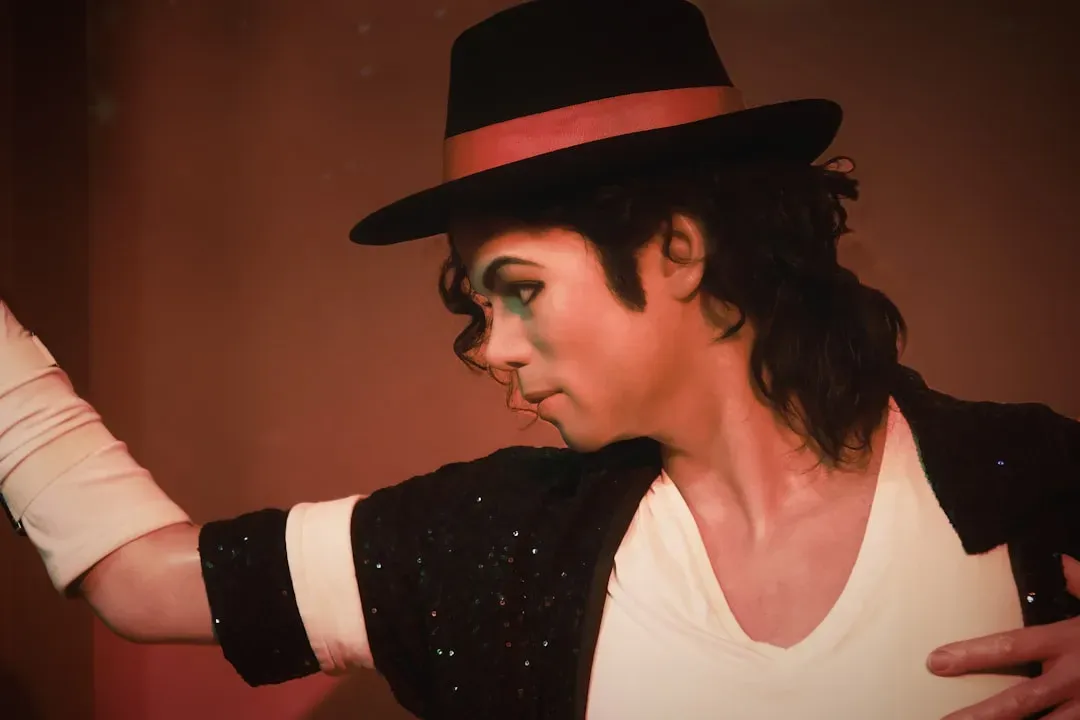
Quincy Jones didn’t just produce hit songs on Thriller, he built a template for how an entire album could function as a string of potential singles. The record pioneered the idea that an album could produce multiple top ten singles, effectively turning the album format into a sequence of hit events. That approach to sequencing and pacing is now standard practice across pop and hip hop production.
Jones’ work mixed pop, rock, funk, and R&B into a modern, polished sound that set new standards for music production, using advanced studio techniques and innovative mixing that blended acoustic and electronic elements. That blend of live musicianship with studio polish is a formula still taught to young producers as a baseline for commercial pop craftsmanship.
Nevermind – Nirvana, produced by Butch Vig (1991)
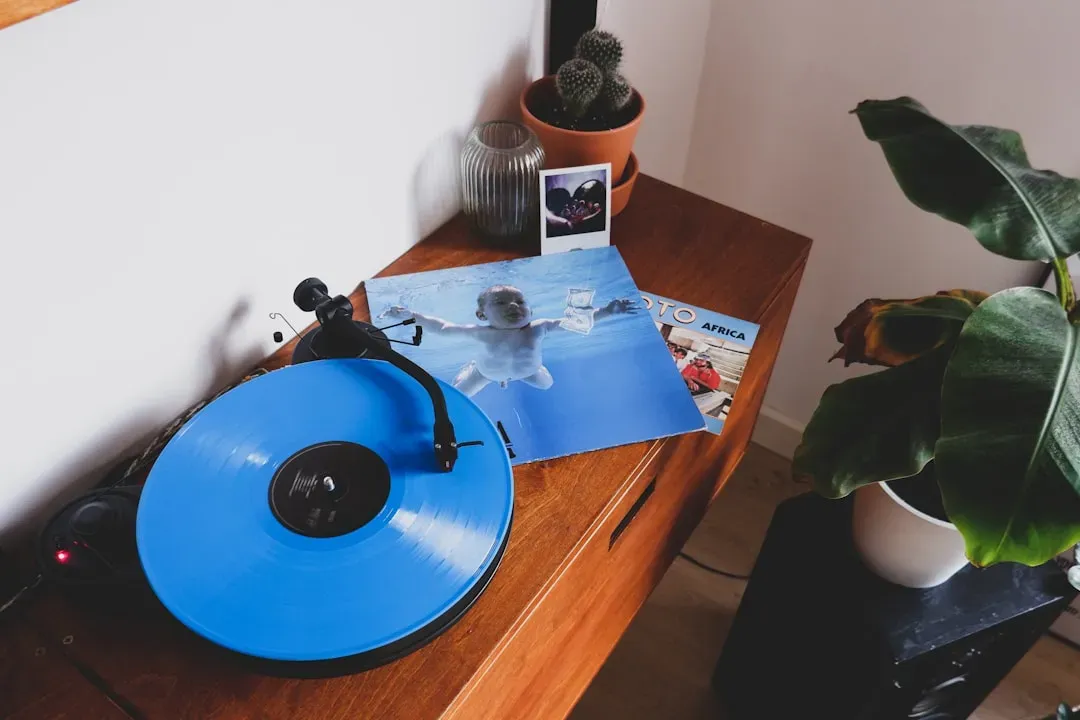
Butch Vig’s work on Nevermind is still cited by rock and alternative producers for how it balanced rawness with clarity. Rather than sanding down Nirvana’s aggression, Vig sharpened it. He set a schedule of eight to ten hour days, six days a week, an approach that was disciplined to the point of austerity by major label standards.
Vig’s production choices, like doubling vocals and layering drum samples for extra depth without losing the natural hit of the kit, became a blueprint for making guitar music sound big without losing its edge. Rather than replace the drum sounds he had captured, he triggered short samples of kicks and snares to feed a parallel reverb send, giving every backbeat a subtle bloom of room while keeping the original body intact. That technique, preserving the source while quietly reinforcing it, remains common in rock and pop punk production circles today.
The Chronic – Dr. Dre (1992)
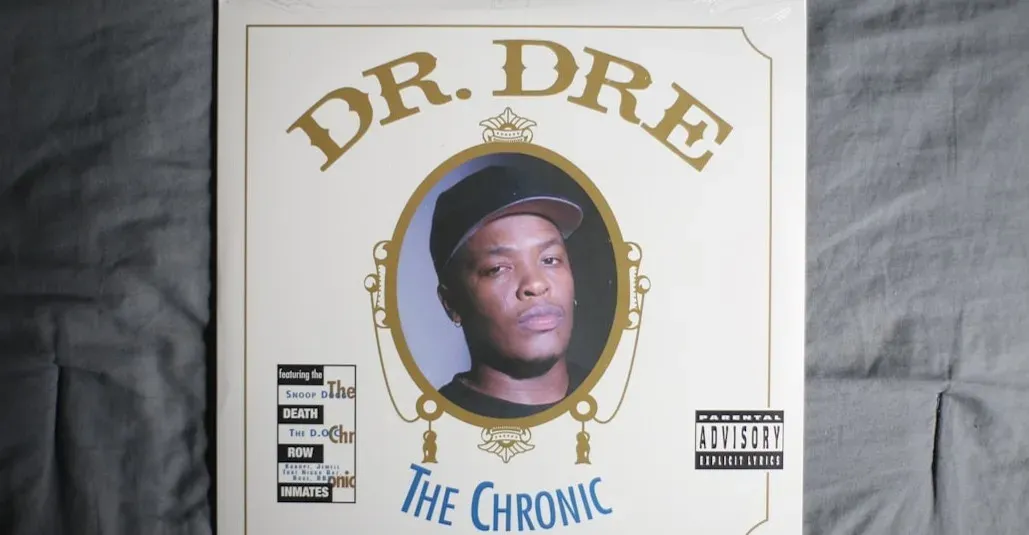
Dr. Dre’s solo debut reshaped what hip hop production could sound like, and its influence has never really faded. The album introduced the G Funk sound and galvanized the West Coast hip hop style that would go on to dominate the genre. Producers still point to its layering of live instrumentation with sampled funk as a masterclass in how to make a beat feel both spacious and heavy at once.
Beyond the sound itself, the album changed who got credit in hip hop. Before this album, producers were often kept in the background, but Dre put himself front and center, a shift that paved the way for producer rappers like Kanye West and opened new possibilities for how hip hop albums could be structured. That model, the producer as a visible creative force rather than a background technician, is now the norm rather than the exception.
OK Computer – Radiohead, produced with Nigel Godrich (1997)
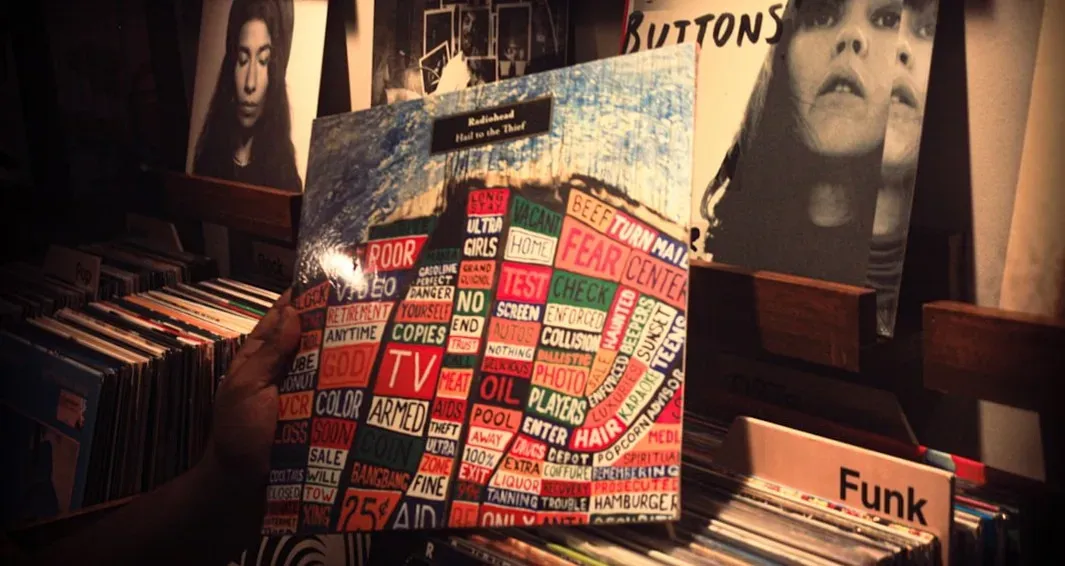
Radiohead’s third album is frequently cited by producers working in indie rock and alternative electronic music for how it treated the studio as a compositional tool rather than a place to simply capture performances. The record blended traditional guitar arrangements with synthesizers, sampling, and unconventional song structures in a way that didn’t feel gimmicky. That balance between accessibility and experimentation gave later artists permission to mix genres without worrying about staying in one lane.
The album’s atmospheric production, layers of texture built around Thom Yorke’s vocals rather than a straightforward verse chorus arrangement, continues to influence how producers approach mood and pacing in genres well outside rock. Its willingness to leave space, to let a song breathe rather than fill every gap with sound, is still a lesson producers reference when working with younger artists who default to dense, maximalist mixes.
Pet Sounds – The Beach Boys, produced by Brian Wilson (1966)
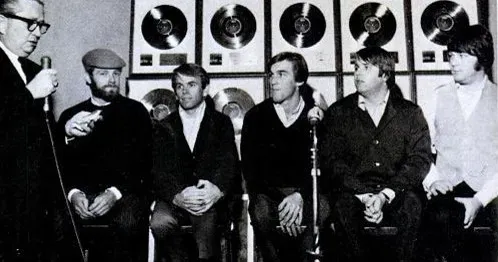
Brian Wilson’s approach to Pet Sounds set a standard for studio experimentation that producers still reference when discussing arrangement and layering. Wilson built songs in the studio using unconventional instrumentation, bicycle bells, dog barks, theremin, and stacked vocal harmonies arranged with the precision of a classical composer. That method, treating the recording studio as an instrument in its own right rather than just a place to document a band, laid groundwork for decades of studio based songwriting.
The album’s harmonic complexity and its emotional, almost orchestral pop arrangements continue to shape how producers think about vocal layering and unconventional chord voicings. Modern pop and indie producers who build dense harmonic beds under simple lyrics are, whether they know it or not, working in a tradition Wilson helped establish nearly six decades ago.
808s & Heartbreak – Kanye West (2008)

Kanye West’s fourth album shifted hip hop and pop production toward emotional minimalism built around the Roland TR 808 drum machine and heavy use of Auto Tune as an expressive tool rather than a corrective one. That decision, using pitch correction openly and melodically instead of hiding it, opened the door for an entire generation of melodic rap and R&B that followed. Producers working in contemporary trap, pop, and alternative R&B still point to this record as the moment vulnerability and drum machine minimalism became commercially viable together.
The album’s stripped down arrangements, built around space and repetition rather than dense instrumentation, gave later producers permission to build hits around mood instead of complexity. That influence is easy to trace in the sparse, bass heavy production that now dominates much of streaming era pop and hip hop. Few albums from the last two decades get cited as often by producers explaining where a particular sound or emotional tone originated.
Illmatic – Nas (1994)
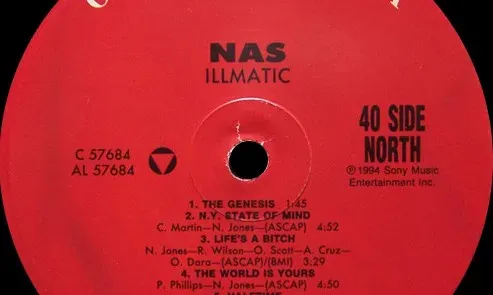
Nas’s debut is frequently mentioned by hip hop producers for its density of ideas packed into a tight, disciplined runtime. Rather than stretching material to fill an album, the record’s producers, including a rotating group that shaped each track individually, treated brevity as a strength rather than a limitation. That lesson, that a shorter, more focused project can hit harder than a sprawling one, still gets repeated in production rooms working on hip hop and R&B records today.
The album’s layered, jazz inflected sampling and its attention to how a beat should support rather than compete with vocal delivery remain reference points for producers building instrumentals around lyrical storytelling. Its influence shows up less in specific sounds and more in approach, patience with craft, respect for pacing, and a willingness to let a verse breathe rather than overproduce around it.
The Common Thread
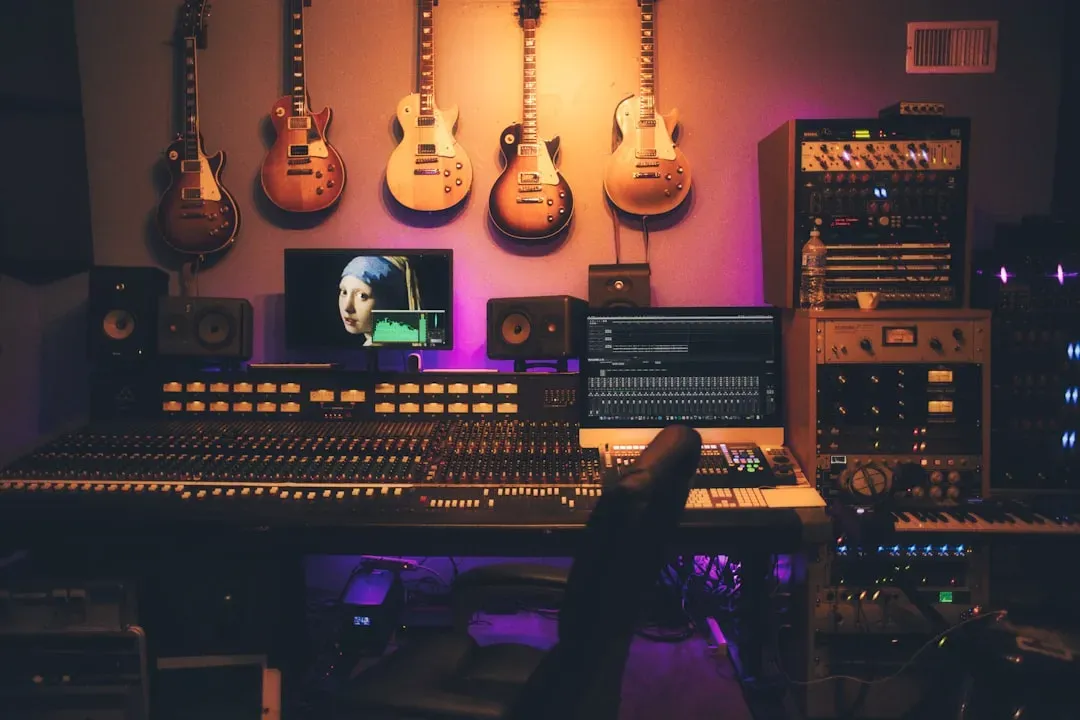
None of these albums share a genre, a decade, or even a similar recording budget. What connects them is a willingness to treat the studio as a creative partner rather than a neutral recording device, whether that meant reversing tape, triggering drum samples, or building a song around a drum machine instead of a live kit.
That’s likely why producers keep returning to them decades later. They didn’t just make good records, they solved production problems in ways that still feel useful, which is probably the closest thing to a definition of lasting influence that music has.