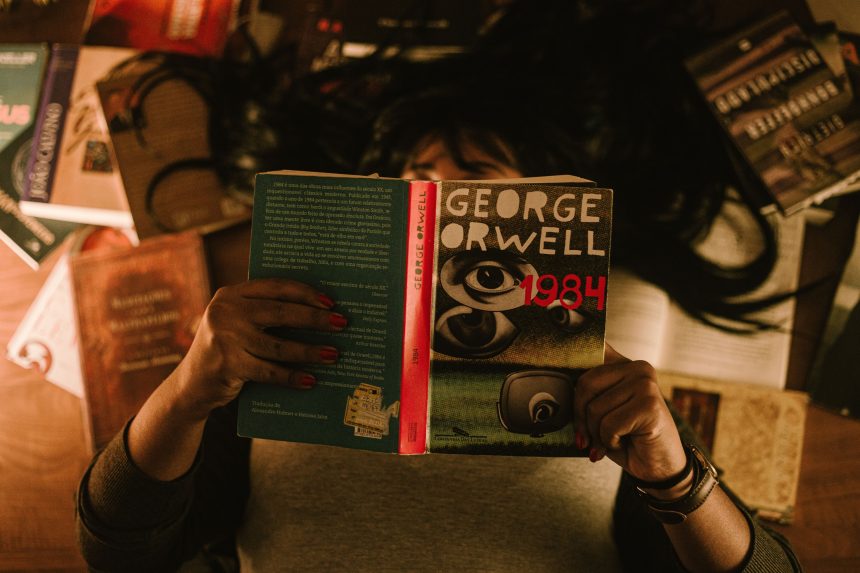
There’s a certain kind of pride that comes from surviving a reading list packed with dense prose, unreliable narrators, and symbolism your teacher swore was “obvious.” Some books get assigned because they’re short and safe. Others get assigned because they actually stretch the way teenagers think about morality, language, and history. If your high school curriculum included any of the titles below, you were quietly building analytical muscles that plenty of adults never bother to develop.
1. To Kill a Mockingbird by Harper Lee
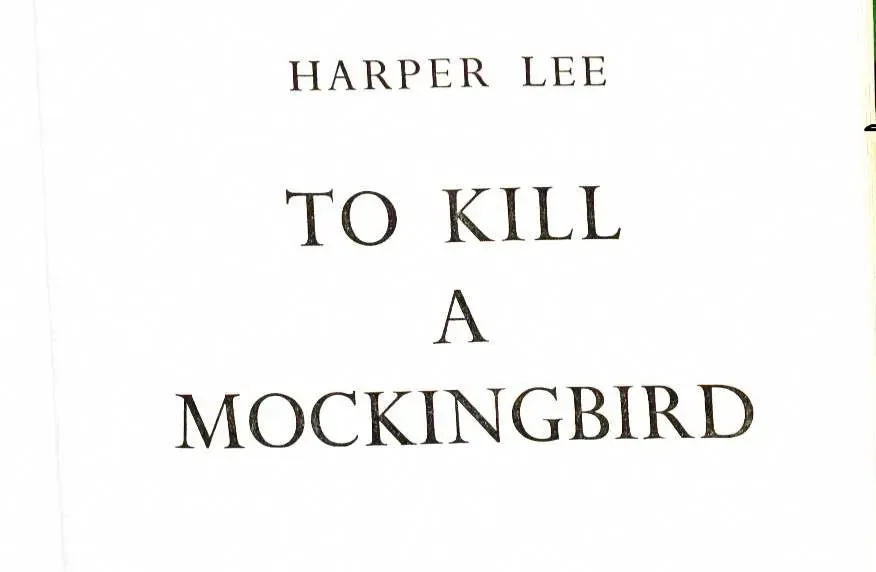
Harper Lee’s 1960 novel has spent decades as a staple of American English classes, and for good reason. The book forces students to sit with uncomfortable questions about racial injustice, moral courage, and childhood innocence, all filtered through Scout Finch’s narration. Understanding why Atticus Finch’s choices matter, and why the town’s reaction to them matters more, requires a level of empathy and historical context that many students don’t get elsewhere.
Reading it closely means grappling with narrative perspective, since Scout is a child observer describing events she doesn’t fully understand yet. That gap between what she sees and what the reader comprehends is a sophisticated literary device. Students who caught onto that dramatic irony were doing real interpretive work, not just following a plot.
2. 1984 by George Orwell
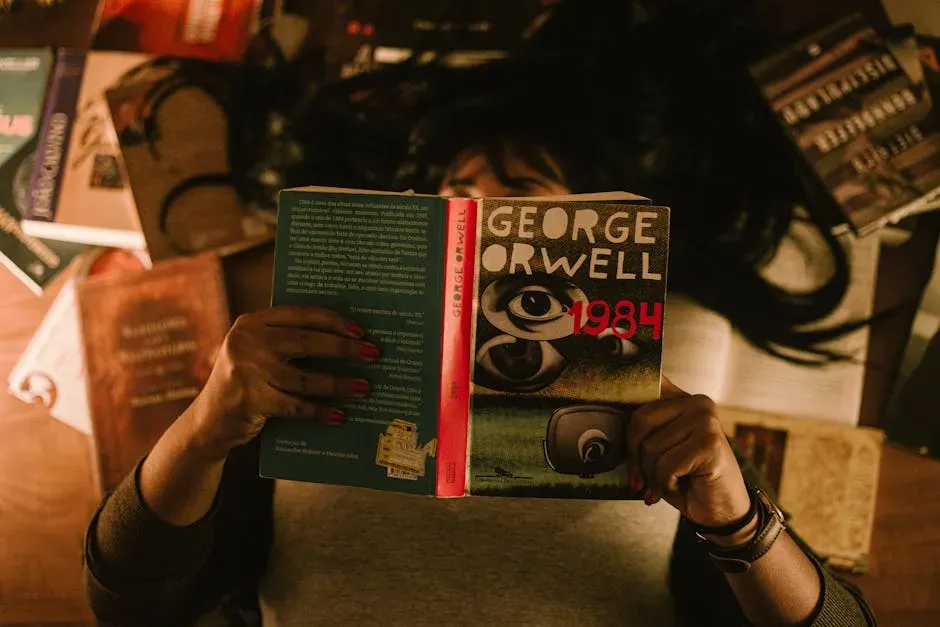
George Orwell’s dystopian novel introduced generations of students to concepts like doublethink, thoughtcrime, and the manipulation of language for political control. Grasping how Newspeak functions as a tool of oppression requires connecting linguistics to power structures, which is not a simple task for a sixteen year old. The novel’s continued relevance in conversations about surveillance and misinformation has only made it more frequently referenced in recent years.
Winston Smith’s psychological unraveling also demands that readers track an unreliable narrator whose grip on reality is deliberately being destroyed. Following that decline while still understanding the book’s broader argument about totalitarianism shows a level of critical reading that goes beyond plot summary. Students who finished this one and could explain why the ending is bleak rather than hopeful were engaging with genuinely difficult ideas.
3. The Great Gatsby by F. Scott Fitzgerald

F. Scott Fitzgerald’s novel is often taught as a story about the American Dream, but its real difficulty lies in Nick Carraway’s unreliable, admiring, and slightly judgmental narration. Nick claims to be honest and nonjudgmental early on, yet his account of Gatsby, Daisy, and Tom is shaped by his own biases throughout. Recognizing that contradiction is a skill that separates surface level reading from genuine literary analysis.
The novel’s dense symbolism, from the green light to the eyes of Doctor T. J. Eckleburg, also asks readers to hold multiple layers of meaning at once. Students who could explain why Gatsby’s wealth couldn’t buy him what he actually wanted were doing more than answering a worksheet question. They were untangling one of the more layered character studies in American fiction.
4. Lord of the Flies by William Golding

William Golding’s novel about stranded boys descending into savagery is often assigned specifically because it resists easy answers. The book asks whether civilization is a thin veneer over natural human brutality or something more durable, and it never fully resolves that question for the reader. Wrestling with that ambiguity, rather than expecting a tidy moral, is exactly the kind of open ended thinking the book rewards.
The allegorical weight of characters like Piggy, Simon, and Jack requires readers to see individuals as stand ins for larger ideas about intellect, spirituality, and power. That’s a conceptual leap that not every reader makes on a first pass. Students who tracked the shift from rescue signal fires to hunting fires understood the novel’s central metaphor without needing it spelled out.
5. Beloved by Toni Morrison
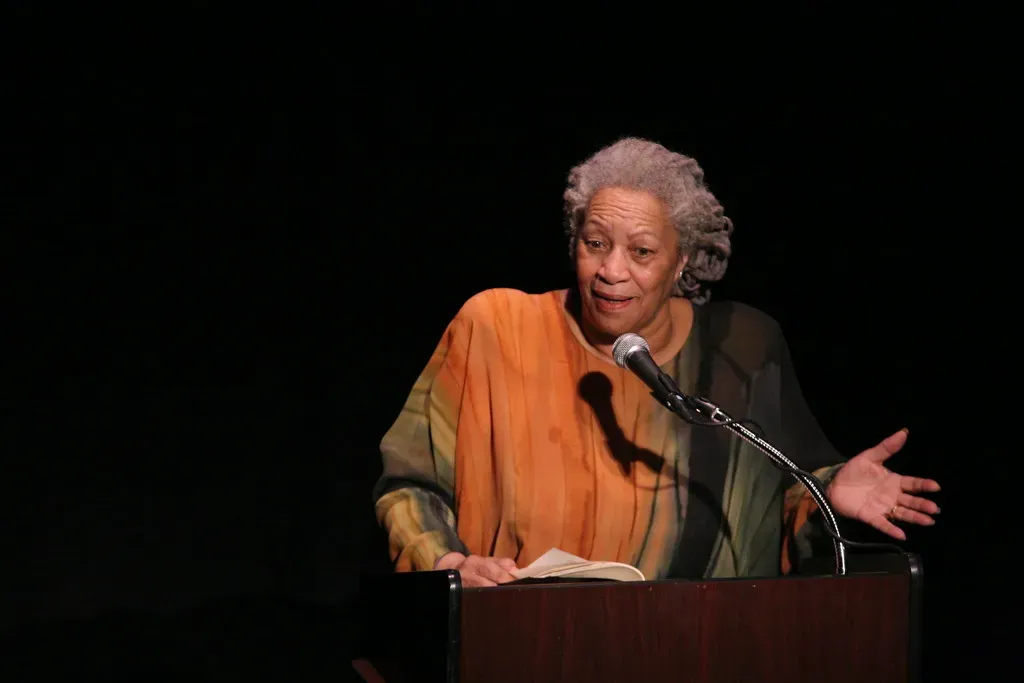
Toni Morrison’s novel is frequently cited as one of the more demanding books on American high school syllabi, and it earned that reputation. The nonlinear structure jumps between past and present without warning, requiring readers to piece together Sethe’s history from fragmented memories rather than a straightforward timeline. Morrison received the Nobel Prize in Literature in 1993, and Beloved itself won the Pulitzer Prize for Fiction in 1988, recognition that reflects the novel’s literary weight rather than its ease of reading.
The book also demands emotional maturity, since it deals directly with the trauma of slavery through supernatural and deeply symbolic storytelling. Understanding why the ghost of Beloved represents unresolved historical trauma, rather than simply a horror element, takes real interpretive effort. Students who made it through this one and grasped the connection between memory and haunting were reading at a genuinely advanced level.
6. Crime and Punishment by Fyodor Dostoevsky
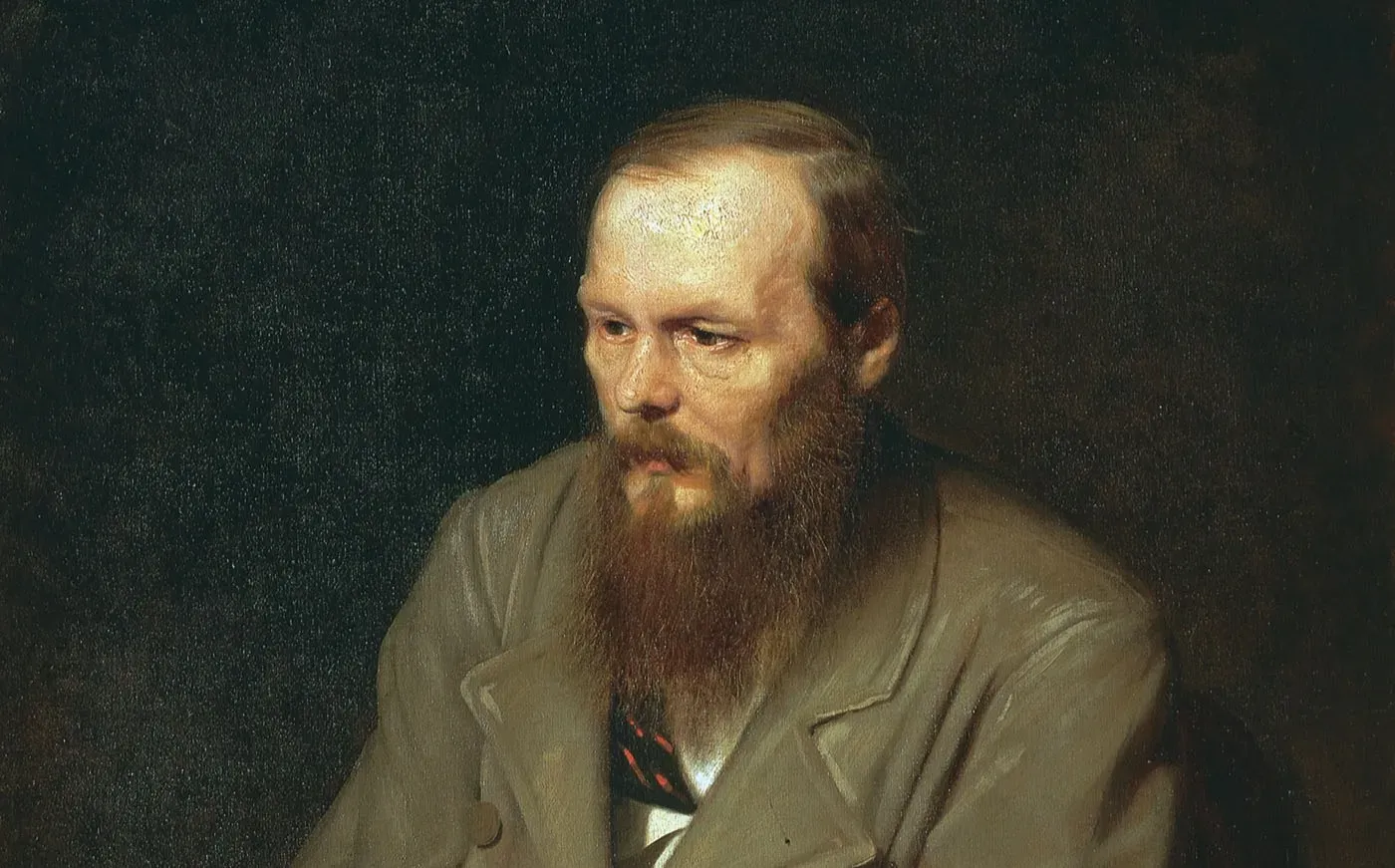
Fyodor Dostoevsky’s novel is a rare high school assignment because of its sheer length and philosophical density, yet some advanced literature courses still include it. Following Raskolnikov’s justification for murder, rooted in his own twisted theory about extraordinary men existing above conventional morality, requires tracking an intricate and often contradictory internal logic. The novel spends far more time inside a guilty conscience than on the crime itself, which is not what most readers expect walking in.
Students who stuck with the shifting psychological states, the feverish paranoia, and the slow moral reckoning were doing serious philosophical reading. Dostoevsky wasn’t just telling a crime story; he was building an argument about guilt, redemption, and the limits of rationalism. Recognizing that argument beneath the plot is not a small accomplishment for a teenager.
7. The Catcher in the Rye by J.D. Salinger

J.D. Salinger’s novel is deceptively simple on the surface, since Holden Caulfield’s voice is casual and conversational. The real challenge is recognizing that Holden is an unreliable narrator whose contempt for “phoniness” often masks his own grief, confusion, and fear of growing up. Readers who noticed the gap between what Holden says about himself and what his actions actually reveal were picking up on subtle characterization.
The novel’s ambiguous ending, along with hints throughout that Holden may be narrating from within a psychiatric facility, asks readers to reconsider everything that came before. That kind of retrospective reevaluation is a sophisticated reading skill. Students who left the book with more questions than answers about Holden’s reliability were reading it the way it was meant to be read.
8. The Scarlet Letter by Nathaniel Hawthorne

Nathaniel Hawthorne’s novel is often remembered as difficult mainly because of its dense nineteenth century prose, but the real challenge lies in its layered symbolism. The letter “A” itself shifts meaning throughout the book, moving from a mark of shame to something closer to strength and identity by the end. Tracking that transformation across Hester Prynne’s arc requires readers to notice subtle shifts in tone and public perception rather than a single dramatic turning point.
The novel also buries sharp criticism of Puritan hypocrisy beneath its formal, restrained language, which many readers miss entirely on a first pass. Understanding why Reverend Dimmesdale’s private guilt is treated as more corrosive than Hester’s public shame takes careful attention to the book’s moral framework. Students who caught that reversal were reading well beneath the surface of a text that often gets dismissed as simply old fashioned.
Working through even a handful of these titles in high school meant practicing skills that extend far beyond English class: tolerating ambiguity, questioning narrators, and connecting historical context to personal meaning. That kind of reading doesn’t just pass a test. It builds a way of thinking that sticks around long after the book report is turned in.