Hollywood loves a good disappearing act, mostly because it sets up an even better reappearance. Every few years, an actor who seemed to have quietly aged out of the business turns up in a role so sharp, so unexpected, that it rewrites the whole narrative around their career. Sometimes it takes one film. Sometimes it takes a run of misfires before the right part finally lands. What follows are ten performers whose comebacks weren’t just nice stories for entertainment reporters to write up during awards season. They actually changed the shape of these actors’ careers, often after a decade or more of being written off, typecast, or simply forgotten by casting directors.
Ke Huy Quan: from Short Round to Oscar winner
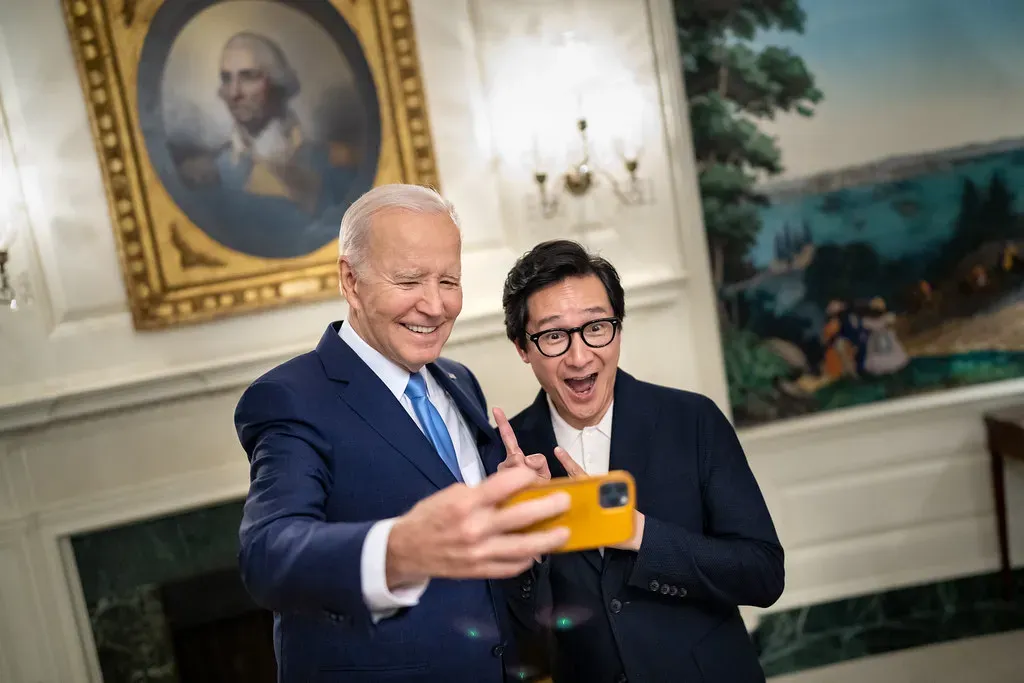
Quan was a working child actor twice over, first in Indiana Jones and the Temple of Doom and then in The Goonies, before the roles for Asian actors simply stopped coming. He stopped acting due to a lack of opportunity in the late 1990s, after receiving his film degree from USC, and went on to work as a stunt coordinator and assistant director. The turning point wasn’t subtle: watching Crazy Rich Asians convinced him to call an agent and try again.
That decision led to Waymond Wang in Everything Everywhere All at Once, and the rest played out on live television. He won the Oscar for supporting actor for his work in the film after a decades-long absence from screens, a role that came after a lack of parts for Asian actors forced his retirement, nearly 40 years earlier. By his own account, he was even close to losing his health insurance right before the film’s delayed release finally arrived.
Pamela Anderson: reclaiming her own story

Anderson spent decades being defined by Baywatch and by a public narrative she rarely got to shape herself. The focus lately had been more on her personal life and experiences, told through shows like Pam & Tommy, the Netflix documentary Pamela, a Love Story, and her own memoir. None of it was quite the same as stepping back in front of a camera as an actor with something to prove.
The Last Showgirl changed that conversation almost overnight. At the San Sebastian Festival, Anderson talked about her return to the big screen and what was said to be her meatiest role in a long time, following the success of her Emmy-nominated documentary and her memoir. She went on to earn her first major acting nomination at the Golden Globes, competing in the Best Actress drama category alongside Nicole Kidman, Kate Winslet, Tilda Swinton and Angelina Jolie.
Michael Keaton: Birdman brought him back from the edge
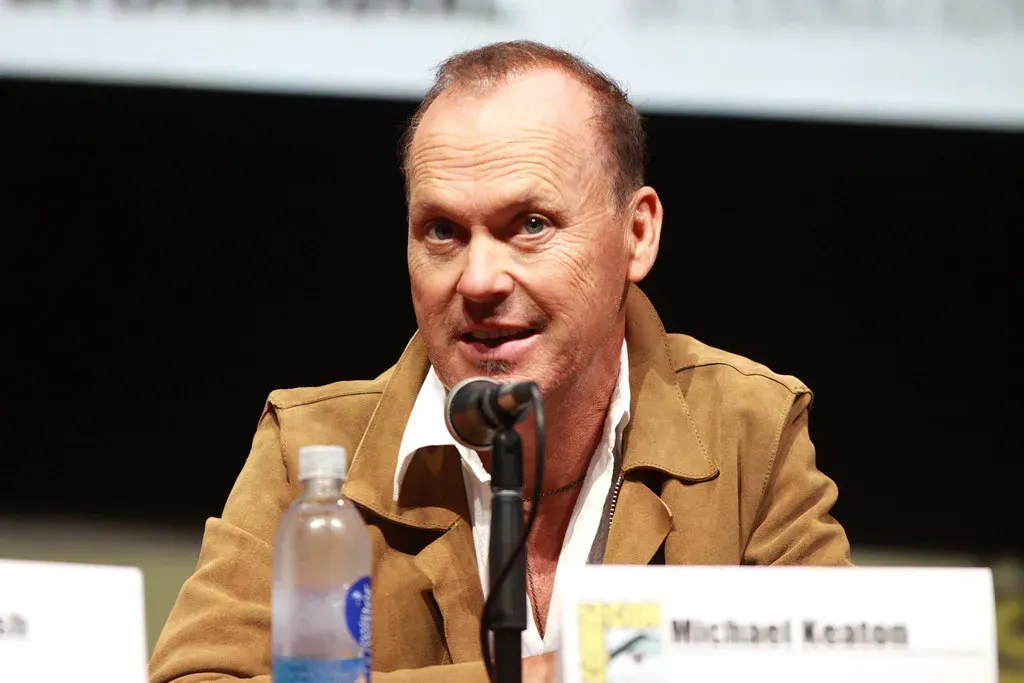
Keaton was one of the biggest stars of the late eighties and early nineties, largely on the strength of playing Batman twice for Tim Burton. After that, his career drifted into smaller, less visible work for years, and industry chatter had mostly stopped mentioning him as a leading man.
Birdman, released in 2014, reversed all of that almost immediately. Playing a washed up actor best known for a superhero role he can’t escape gave Keaton a part that felt uncomfortably close to his own biography, and critics responded to the layered, self aware performance. It earned him an Oscar nomination and reopened doors that had been closed for the better part of two decades, leading directly into roles in Spotlight and the Vulture in the Spider-Man franchise.
Matthew McConaughey: the McConaissance
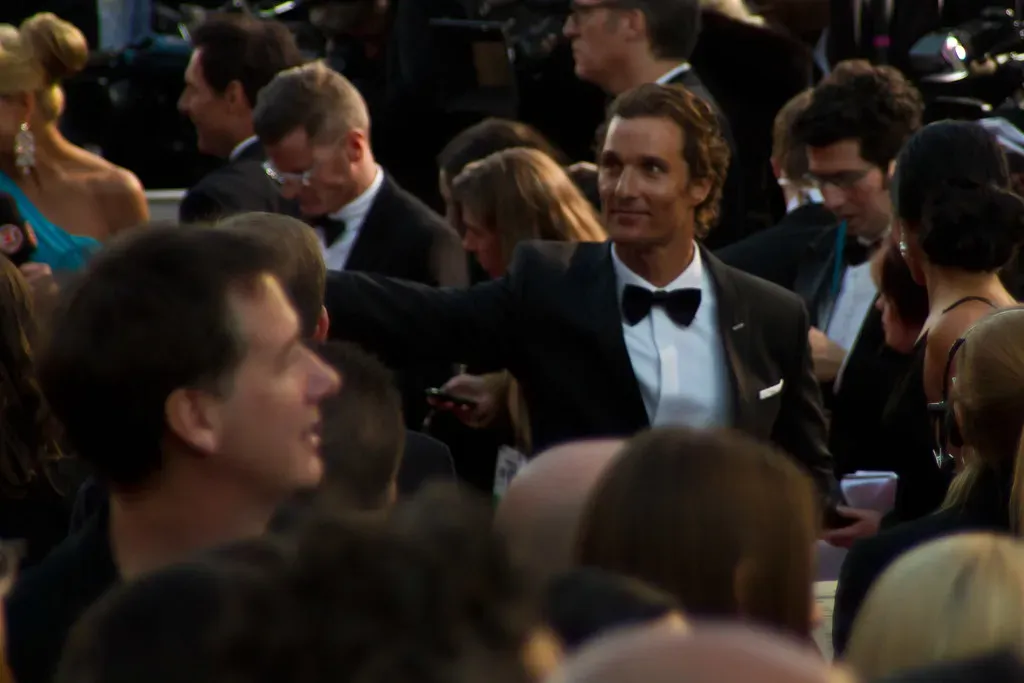
Through much of the 2000s, McConaughey was mostly known for a string of interchangeable romantic comedies, the kind of career that critics politely ignored rather than praised. It was a comfortable, well paid rut, but a rut all the same.
Starting around 2011 with films like Killer Joe and Mud, he began choosing riskier, smaller projects, a shift that culminated in his Oscar winning turn in Dallas Buyers Club in 2014. The industry started calling it the McConaissance, only half joking, and the run continued into television with True Detective, cementing him as a serious dramatic actor rather than a rom com fixture.
Brendan Fraser: from blockbusters to obscurity and back
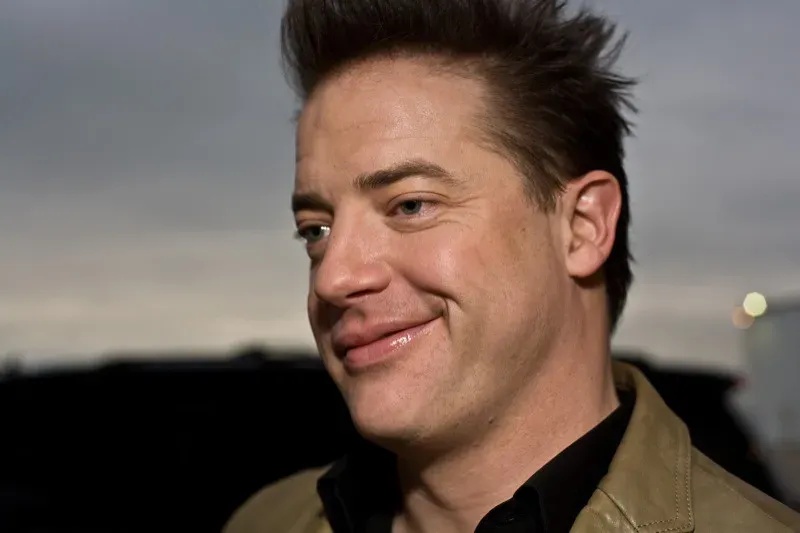
Fraser was a genuine action and comedy star in the late nineties and early 2000s, carrying franchises like The Mummy. Physical injuries from stunt work, personal struggles, and what he later described as being frozen out by a Hollywood Foreign Press Association figure all contributed to a long, quiet stretch away from major roles.
His return in The Whale in 2022 was built around a performance that asked audiences to see him completely differently, buried under prosthetics but delivering some of the most emotionally direct work of his career. It won him the Academy Award for Best Actor, and the standing ovation he received at the Venice Film Festival became one of the more genuinely moving moments of that awards season, a reminder that comebacks don’t always need to be loud to land hard.
Jamie Lee Curtis: scream queen to Oscar winner
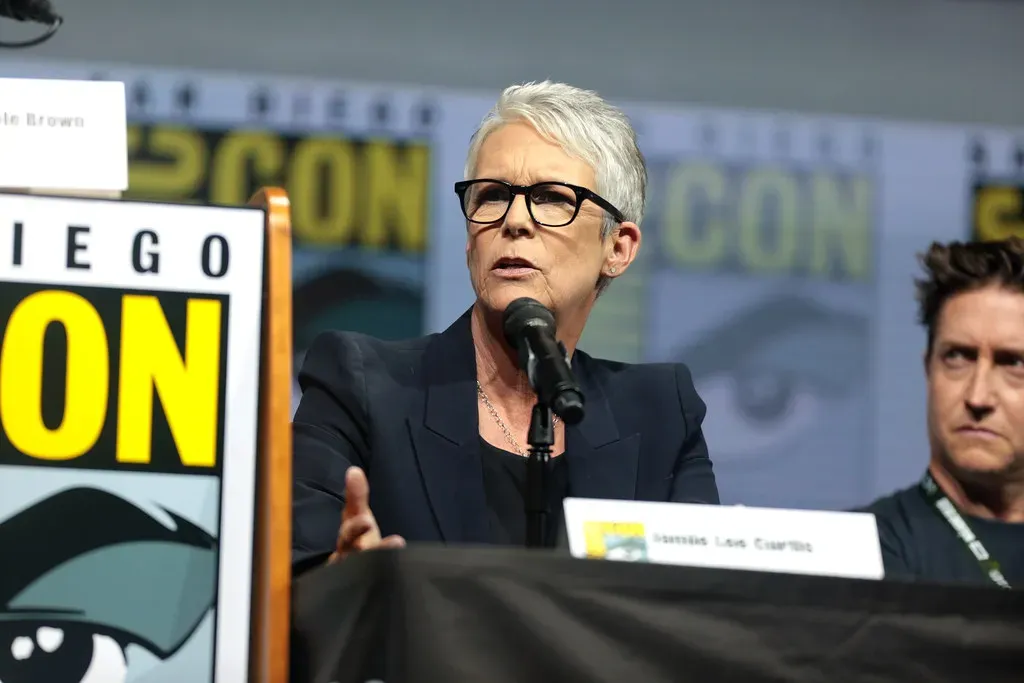
Curtis built her early career on horror, particularly the Halloween franchise, and spent decades as a reliable, well liked presence without ever being treated as an awards contender. She kept working steadily, but the industry had mostly filed her under a certain kind of role.
Everything Everywhere All at Once upended that categorization entirely, with Curtis playing a tax auditor pulled into a multiverse spanning family drama with a game, physical performance that surprised even longtime fans. The role won her the Academy Award for Best Supporting Actress in 2023, and she followed it with more prominent dramatic work, including a turn opposite Pamela Anderson in The Last Showgirl, proof that the reinvention wasn’t a one off.
Mickey Rourke: The Wrestler mirrored his own story
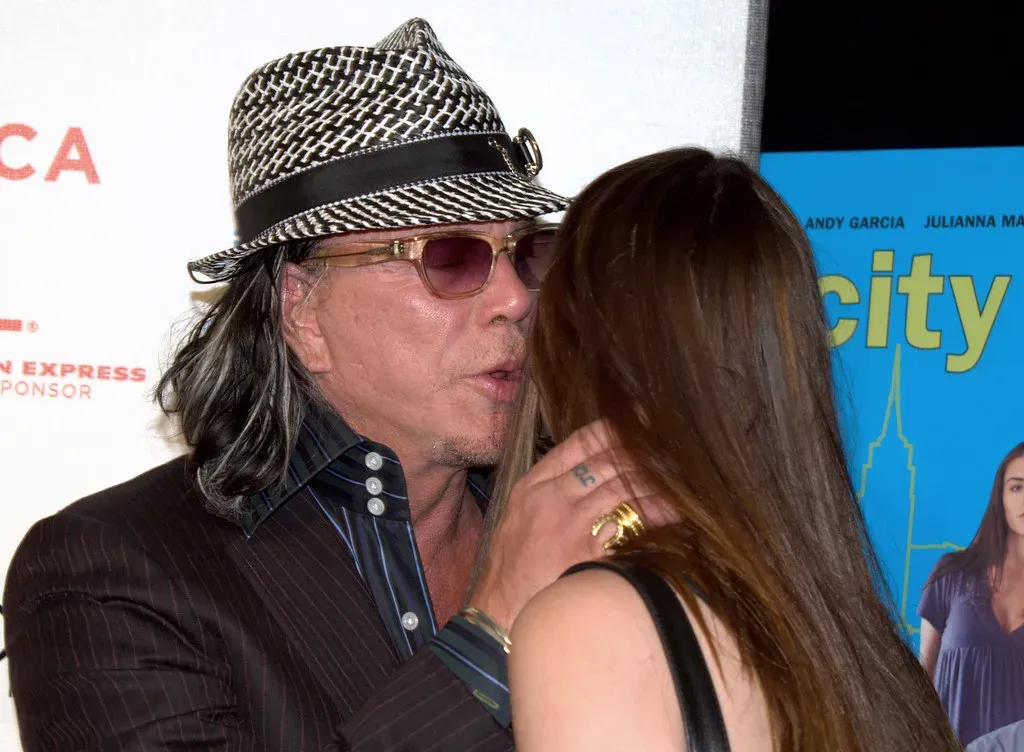
Rourke was a defining leading man of the eighties before a combination of personal choices, a brief professional boxing career, and a string of critical and commercial flops pushed him to the margins of the industry through the nineties. For years, he was more tabloid fixture than working actor.
Darren Aronofsky’s The Wrestler in 2008 changed that almost entirely, casting Rourke as an aging wrestler trying to claw back relevance in a role that felt pointedly autobiographical. The performance earned him a Golden Globe and an Oscar nomination, and while his subsequent career never quite reached the same heights, the film remains one of the most cited examples of a performer using his own decline as material.
John Travolta: Pulp Fiction reset the clock
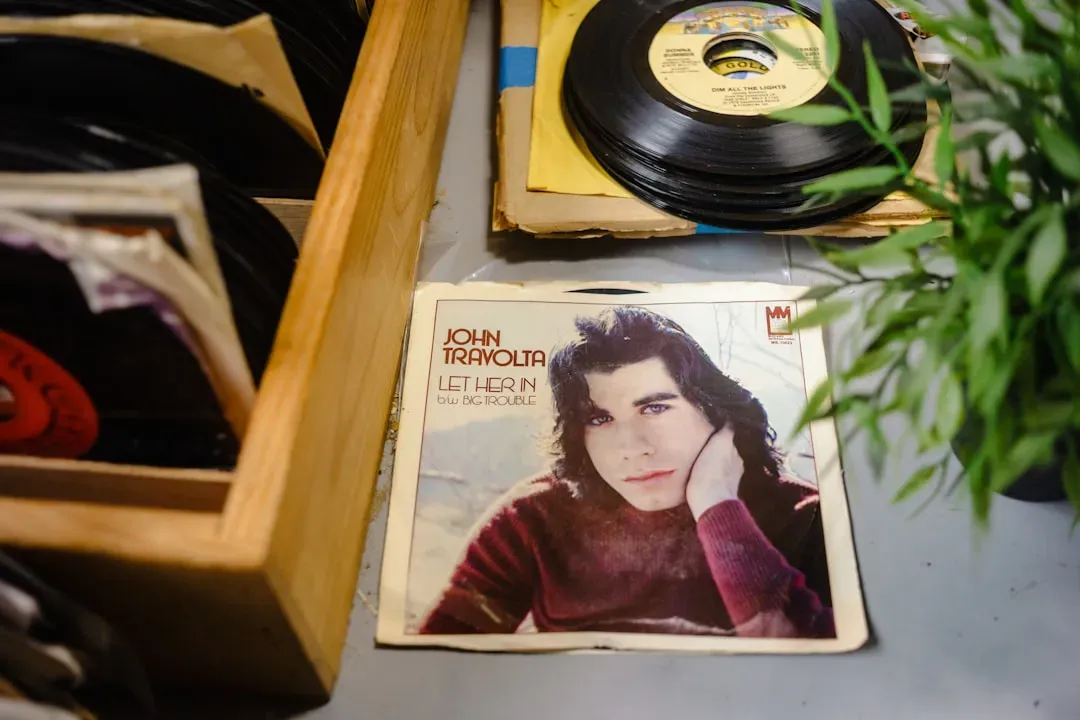
Travolta was a massive star in the late seventies thanks to Saturday Night Fever and Grease, but by the late eighties he was mostly known for family comedies like the Look Who’s Talking films, a career that had drifted far from its early promise. Studios had largely stopped seeing him as a serious dramatic lead.
Quentin Tarantino’s decision to cast him as Vincent Vega in Pulp Fiction in 1994 changed that instantly, giving Travolta a role with the cool and menace his career had been missing for years. The film earned him an Oscar nomination and effectively relaunched him as a dramatic actor capable of carrying serious, stylish work, opening the door to roles in films like Get Shorty and Face/Off through the rest of the decade.
Val Kilmer: Top Gun Maverick brought him full circle
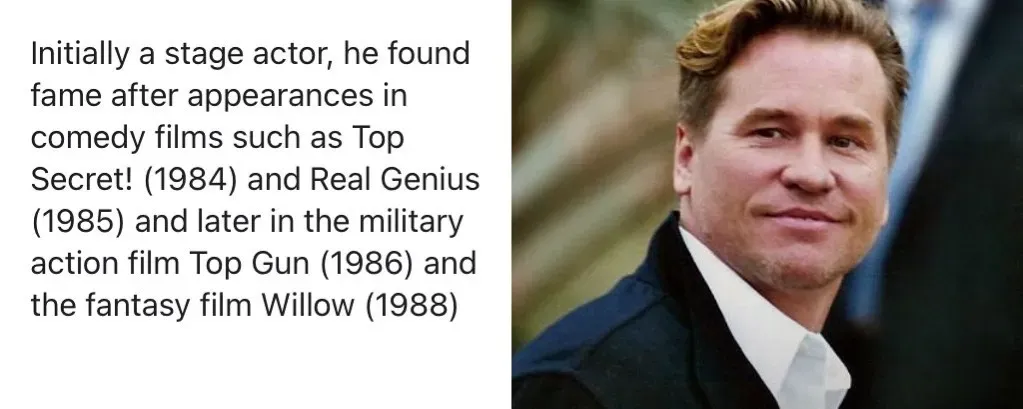
Kilmer’s career slowed considerably after the nineties, hampered further by a throat cancer diagnosis that affected his voice and limited the roles available to him. For a long stretch, he was more discussed in retrospectives than cast in new projects.
His brief but emotionally weighted return as Iceman in 2022’s Top Gun: Maverick used technology to help restore his voice for the scene, and the moment landed as one of the most talked about parts of the film’s release. It wasn’t a full scale career revival in the traditional sense, but it reintroduced Kilmer to a global audience on his own terms, alongside the documentary Val, which gave him a chance to narrate his own story rather than have it told for him.
Demi Moore: a fresh reinvention through horror
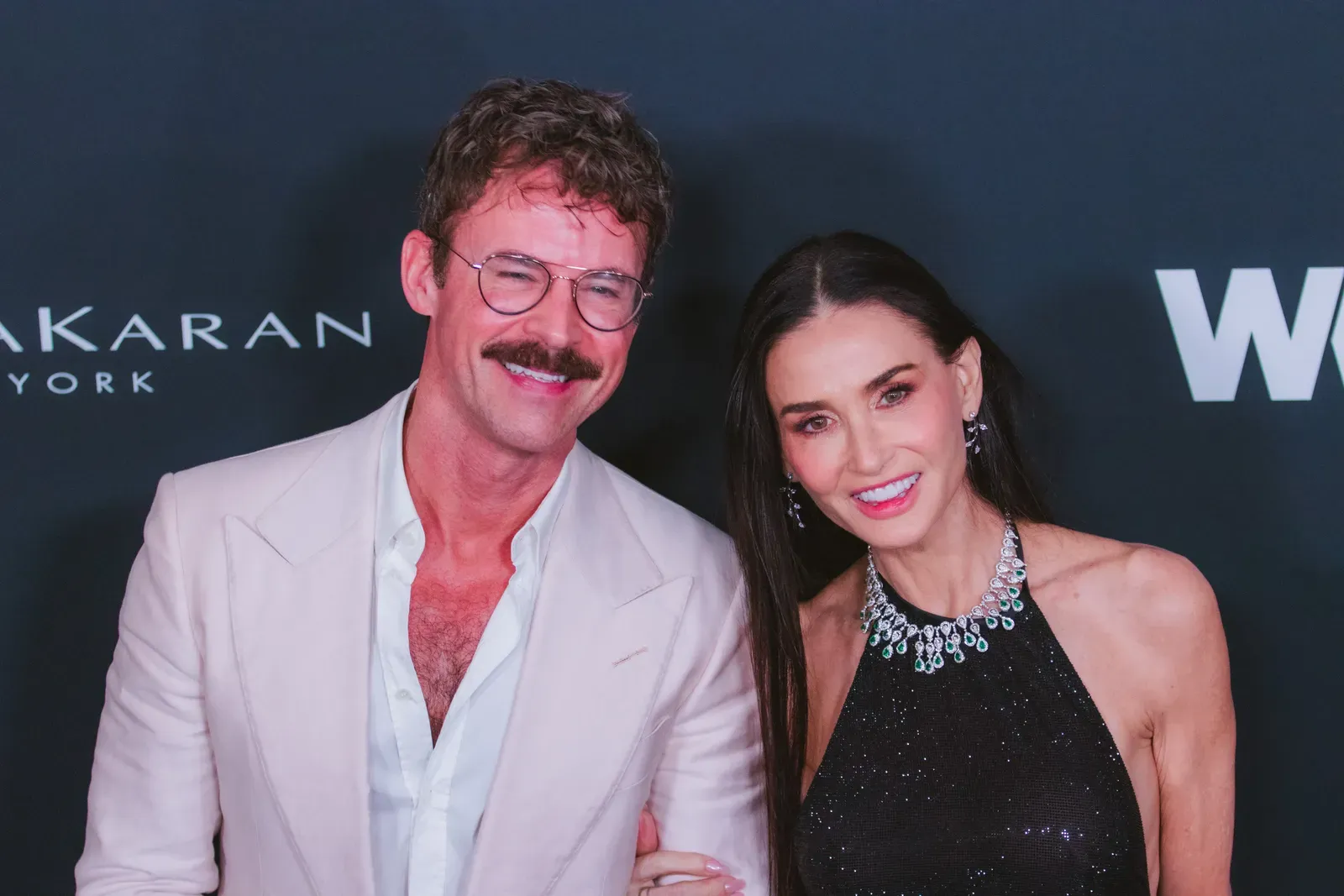
Moore was one of the highest paid actresses of the nineties, but the 2000s and 2010s were comparatively quiet, with fewer high profile roles matching her earlier prominence. The industry’s tendency to sideline women over forty played no small part in that gap.
Her performance in 2024’s body horror film The Substance reversed that trajectory sharply, earning widespread critical praise for a physically demanding role that directly confronted the industry’s obsession with youth and appearance. The performance brought her a Golden Globe win and an Oscar nomination, both first time honors for an actress who had spent more than four decades in the business, making it one of the more pointed and well timed comebacks on this list.
Kathleen Turner: a quieter kind of return
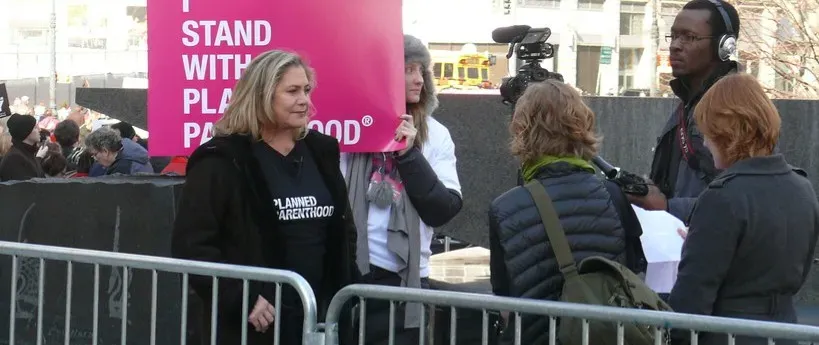
Turner was one of the defining leading ladies of the eighties, known for films like Body Heat and Romancing the Stone, before rheumatoid arthritis, diagnosed in the late eighties, changed how the industry viewed her physically and professionally. Fewer leading roles followed, and much of the entertainment press treated her decline as settled fact rather than something she was actively managing.
Turner never had a single, defining comeback film in the way some others on this list did, but she steadily rebuilt her career through stage work, particularly a Tony nominated run in Who’s Afraid of Virginia Woolf, and later through recurring television roles. Her trajectory is a reminder that not every career revival needs a dramatic third act moment to count as real, sometimes it’s a slower, more deliberate rebuilding across mediums.
Why these stories keep resonating

Partner offer
Planning a trip to Vegas?
Compare hotel rates and show tickets on VEGAS.com.
Partner offer