
Musicals have had a strange ride in Hollywood over the past few years. For every triumphant box office phenomenon, there’s a costly misfire that reminds studios why the genre is considered such a gamble. Streaming numbers, awards buzz, and old-fashioned word of mouth all tell slightly different stories about which films actually landed with audiences and which ones only looked good on paper. What follows is a ranking built on critical reception, audience response, and box office performance, moving from the shakiest entries to the genuine standouts of recent musical cinema.
7. Joker: Folie à Deux (2024)
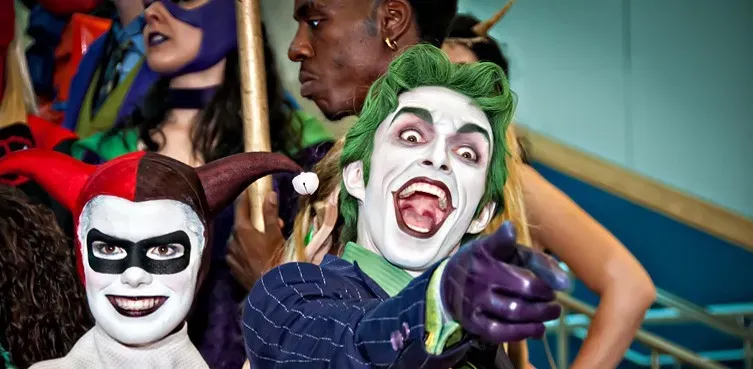
Todd Phillips took a billion dollar franchise and turned it into a jukebox musical courtroom drama, and the gamble did not pay off. The film opened with a domestic box office gross of $58.2 million. That number looks even worse next to its predecessor, since the original Joker debuted to a dreamy $96.2 million in North America on its way to a record-shattering worldwide total of $1 billion against a $55 million budget.
Critics were unkind and audiences were harsher still. The film follows Arthur Fleck institutionalized at Arkham awaiting trial for his crimes as Joker, while struggling with his dual identity and finding the music that’s always been inside him. On Rotten Tomatoes it settled into the low thirties with both critics and audiences, a startling collapse for a franchise that once seemed unstoppable, and it easily takes the bottom spot in this ranking.
6. Cats (2019)

Even years later, Cats remains the cautionary tale most often cited when studios pitch a big screen musical adaptation. The digital fur technology, the uncanny human faces on feline bodies, and the baffling scale choices turned what should have been a beloved Andrew Lloyd Webber crowd pleaser into a punchline. It underperformed badly at the box office against its lavish budget, and the reviews were merciless almost across the board.
The strange part is that the source material itself was never the problem. The stage show has run for decades and still tours regularly. It was the execution, the visual effects, and a script that struggled to give the show’s loose plot any real shape on screen, that sank this one so thoroughly.
5. Dear Evan Hansen (2021)

This one had a trickier problem than bad reviews alone. The material itself, a story about grief, isolation, and a teenager’s lie that spirals out of control, works beautifully on stage in an intimate theater. Blown up to cinema scale, with a lead actor whose age drew constant scrutiny, the emotional intimacy that made the musical resonate on Broadway felt oddly exposed and uncomfortable on screen.
Audiences who came in cold, without knowing the songs already, seemed to struggle connecting with a story that leans so heavily on empathy for a character whose choices are genuinely troubling. The film’s box office returns were modest at best, and it never found the crossover audience that similar adaptations have managed. It’s a reminder that not every stage hit translates cleanly, no matter how strong the songwriting.
4. The Color Purple (2023)
Adapting a musical that was itself adapted from a beloved novel and an earlier acclaimed film is a tall order, and this version mostly cleared that bar. The performances, particularly from its ensemble cast, carried real emotional weight, and the film found a way to honor both the stage musical’s score and the deeper source material’s themes of resilience and sisterhood. It didn’t dominate the box office conversation the way some of its 2023 counterparts did, but critical response was largely warm.
Partner offer
Where this entry stands out is in its willingness to sit with difficult material rather than smooth it over for mass appeal. The songs are woven into a story about survival rather than existing as separate showcase moments, which gives the film a cohesion that some musical adaptations lack. It’s not flashy in the way some genre entries aim to be, but it earns its place through sincerity and craft.
3. Mean Girls (2024)

Turning a beloved comedy into a musical, then turning that stage musical back into a movie, is a strange chain of adaptation, yet this one mostly worked. The film leaned into its Gen Z updates, from social media gags to a fresher soundtrack sensibility, while still keeping the sharp one liners that made the original 2004 film so quotable. Critics generally found it a fun, if minor, addition to the genre, and it performed respectably at the January box office, a notoriously tough release window.
What keeps it from ranking higher is that it never quite escapes comparison to its non musical predecessor, which many viewers still consider the definitive version of this story. Still, as an example of a stage to screen musical adaptation done with genuine energy and a clear sense of its own audience, it holds up well. The cast’s willingness to lean into the theatricality, rather than downplay it, helped the songs feel purposeful rather than tacked on.
2. Wonka (2023)

Few recent musicals managed to feel this joyful without tipping into saccharine territory. Timothée Chalamet’s take on a young Willy Wonka gave the film a central performance with real charm, and the original songs, rather than leaning on nostalgia for the 1971 film’s soundtrack, carved out their own identity. Critics responded warmly, and the film became a genuine box office success during the crowded holiday season, proving that an origin story musical could still find a broad family audience.
The production design deserves particular mention, since the whimsical, slightly off kilter visual world gave the songs somewhere interesting to live rather than treating them as interruptions to the plot. It balanced silliness with just enough emotional grounding to keep both kids and adults engaged. Among the more purely entertaining entries on this list, it’s hard to top for sheer replay value.
1. Wicked (2024)
There was real doubt about whether a story this beloved on stage could survive the jump to film without losing what made it special, but the finished product silenced most of that skepticism almost immediately. The film settled around 92% on Rotten Tomatoes, a score that was shocking for many audience members who had had problems with the film’s trailers and marketing materials. Audience reception was even stronger, with a Popcornmeter, or audience score, of 95% on Rotten Tomatoes.
The commercial numbers back up the critical consensus just as strongly. It grossed $758.8 million worldwide on a $150 million budget, becoming the highest-grossing Oz film and the highest-grossing musical film adaptation. Splitting the stage show into two films gave the story room to breathe that a single condensed movie rarely allows, and performances from Cynthia Erivo and Ariana Grande gave the songs an emotional anchor that made even longtime fans of the musical see the material fresh. It’s the rare case of a highly anticipated adaptation actually clearing the bar set by its own hype.
Partner offer
Planning a trip to Vegas?
Compare hotel rates and show tickets on VEGAS.com.