Every few years, film magazines and critic polls reshuffle their lists of the greatest American movies, but a handful of titles keep showing up no matter who’s voting. These are films that shaped how Hollywood tells stories, influenced generations of directors, and still hold up when you watch them today. Some are nearly a century old, others came out in the last few decades, yet all of them earned a permanent seat at the table.
What follows isn’t a ranked countdown so much as a gallery of essential American cinema. Each of these films left a mark on the medium itself, whether through technical innovation, cultural impact, or simply telling a story so well that nobody’s topped it since.
Citizen Kane (1941)
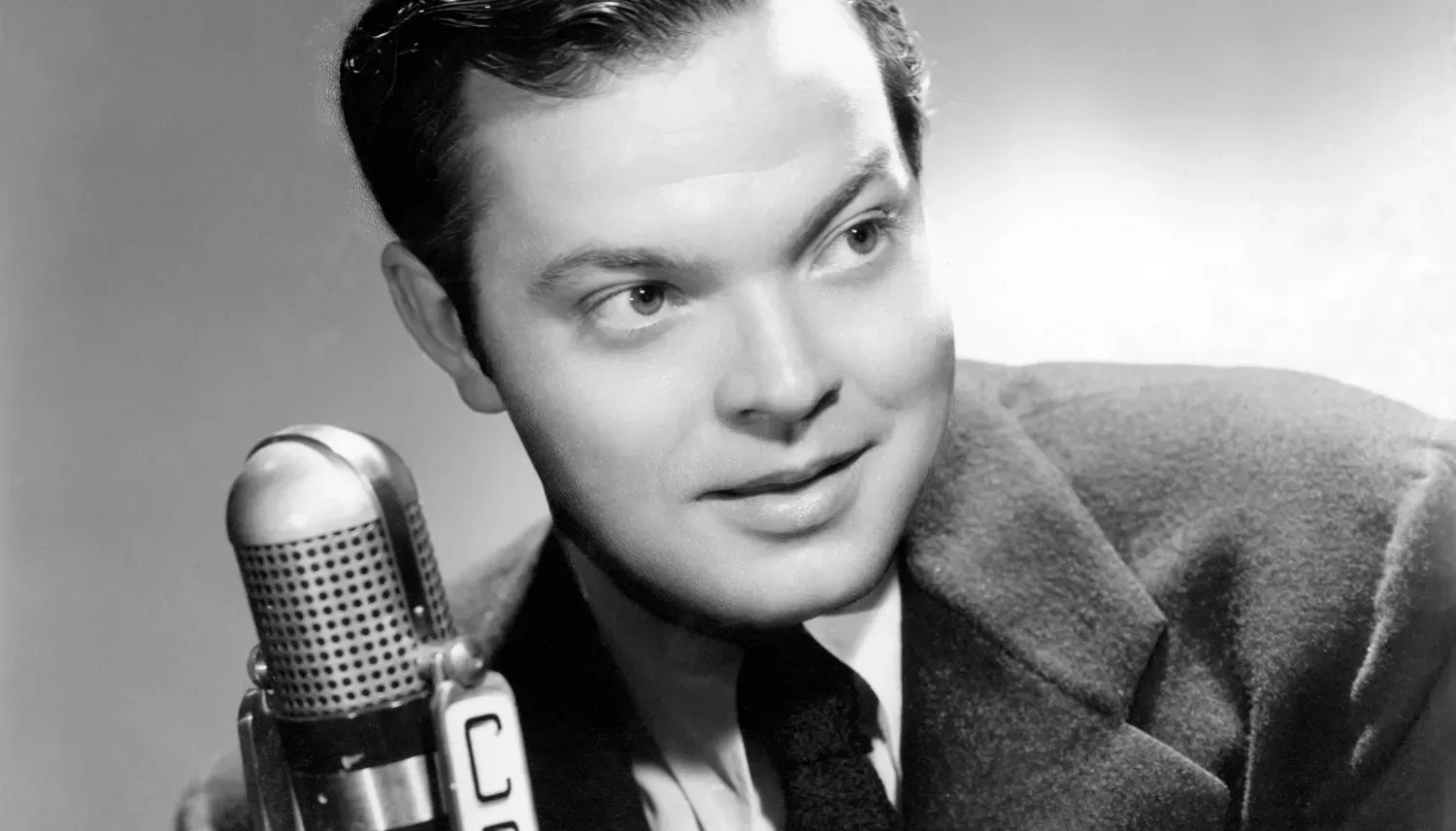
Orson Welles was only twenty five when he directed, co-wrote, and starred in this film, and it’s still routinely cited as the benchmark for what a movie can do visually. The deep focus cinematography by Gregg Toland let Welles keep foreground and background objects in sharp focus simultaneously, a technique that changed how directors thought about composing a shot. The nonlinear structure, told through the fractured memories of people who knew the dying newspaper tycoon Charles Foster Kane, was unusual for its time and remains influential.
For decades, Sight and Sound’s critics poll placed Citizen Kane at the top spot, though it was dethroned by Vertigo in 2012. Even after losing that crown, it remains a fixture near the top of nearly every serious list of American filmmaking achievements. Its influence shows up everywhere from Welles’s own later work to modern prestige dramas that borrow its fractured narrative approach.
The Godfather (1972)
Francis Ford Coppola’s adaptation of Mario Puzo’s novel turned a mob story into something closer to a Shakespearean tragedy about family, power, and moral compromise. Marlon Brando’s performance as Vito Corleone earned him an Academy Award, though he famously declined to accept it in protest of Hollywood’s treatment of Native Americans. Al Pacino’s transformation from reluctant war hero to ruthless don over the course of the film remains one of the most studied character arcs in American cinema.
The film won the Academy Award for Best Picture and has been preserved in the National Film Registry by the Library of Congress for its cultural, historical, and aesthetic significance. Its sequel, released two years later, is often ranked just as highly, making the Corleone saga one of the rare cases where a franchise matched or exceeded the original. Lines and images from the film have become so embedded in popular culture that many people who’ve never seen it still recognize them.
Casablanca (1942)
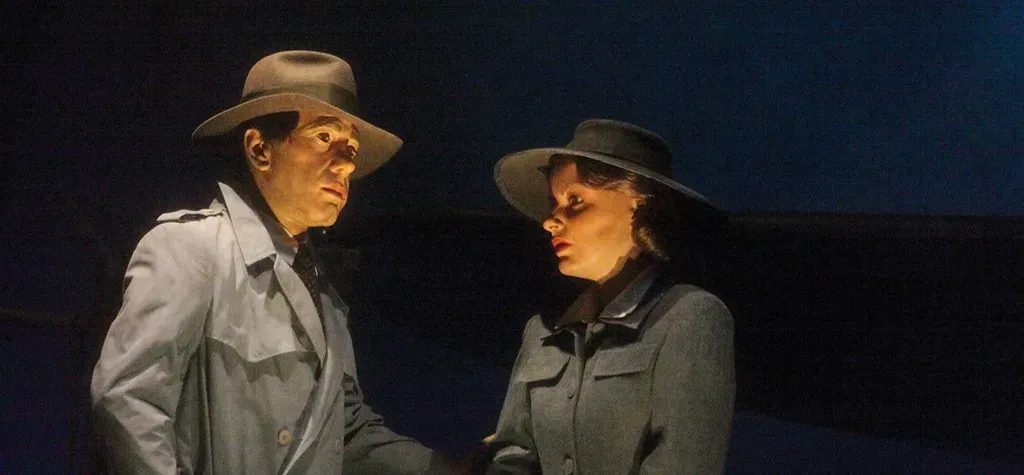
Made during the height of World War II, Casablanca tells the story of a cynical American expatriate forced to choose between love and duty in Vichy controlled Morocco. Humphrey Bogart and Ingrid Bergman’s chemistry, combined with a screenplay full of quotable dialogue, turned what was originally a modest studio production into a classic almost by accident. The film was rushed into production and the ending wasn’t finalized until shooting was already underway, yet it still won the Academy Award for Best Picture.
Part of what makes Casablanca endure is how it balances romance with wartime politics without feeling preachy or dated. The supporting cast, including Claude Rains and Peter Lorre, gives the film texture beyond its central love story. Decades later, it remains a staple of American film studies courses precisely because it does so many things well at once.
Vertigo (1958)

Alfred Hitchcock’s psychological thriller about obsession, identity, and manipulation was met with mixed reviews upon release but has since climbed to the very top of critical esteem. In 2012, Sight and Sound’s decennial poll of critics named Vertigo the greatest film ever made, ending Citizen Kane’s long run at number one. James Stewart plays a former detective whose fear of heights gets manipulated in increasingly disturbing ways, and Kim Novak’s dual role anchors the film’s central mystery.
Bernard Herrmann’s score and the film’s innovative dolly zoom technique, now often called the “vertigo effect,” became tools that filmmakers still borrow today. The movie’s exploration of male obsession and the construction of idealized femininity has made it a frequent subject of academic analysis. Unlike many classics that feel like relics, Vertigo’s unsettling tone still lands with modern audiences.
Singin’ in the Rain (1952)
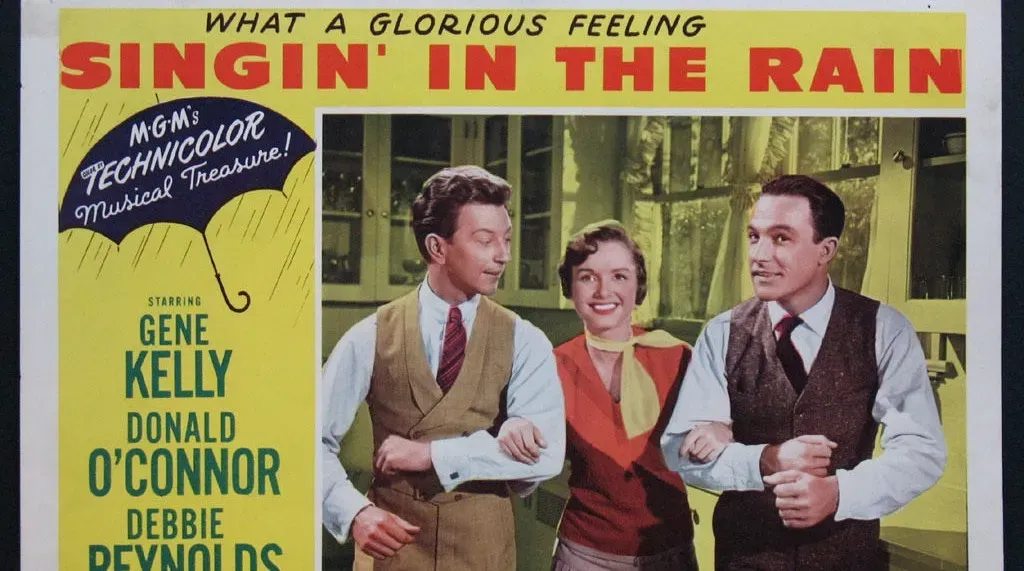
This musical comedy about Hollywood’s transition from silent films to talkies is often cited as the greatest movie musical ever produced. Gene Kelly’s title number, performed in an actual downpour with a fever running a high temperature during filming according to accounts from the production, has become one of the most recognized sequences in film history. The film pokes gentle fun at the industry that made it while also celebrating the joy of movement, music, and comedic timing.
Unlike many musicals of its era that feel dated, Singin’ in the Rain’s humor and choreography still land with contemporary audiences. Debbie Reynolds, then a relative newcomer, held her own against seasoned performers like Kelly and Donald O’Connor. The American Film Institute has repeatedly ranked it among the top movie musicals and top American films overall.
Sunset Boulevard (1950)
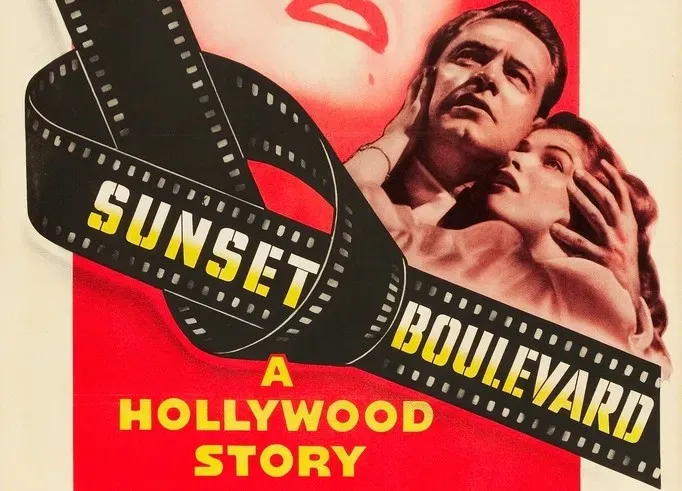
Billy Wilder’s dark satire of Hollywood follows a struggling screenwriter who becomes entangled with a faded silent film star clinging to delusions of a comeback. Gloria Swanson’s performance as Norma Desmond, a role with unsettling parallels to her own career, gives the film a haunting, self referential quality that few Hollywood movies about Hollywood have matched. The film’s cynical view of fame and its famous closing line have made it a touchstone for anyone examining the entertainment industry’s darker side.
Partner offer
The Library of Congress selected Sunset Boulevard for preservation in the National Film Registry in its very first year, 1989, recognizing it as one of the films of cultural significance worth protecting for future generations. Its influence extends well beyond film into television and theater, having inspired a Tony winning stage musical decades later. William Holden’s narration from beyond the grave, an unusual structural choice for the time, still feels genuinely inventive.
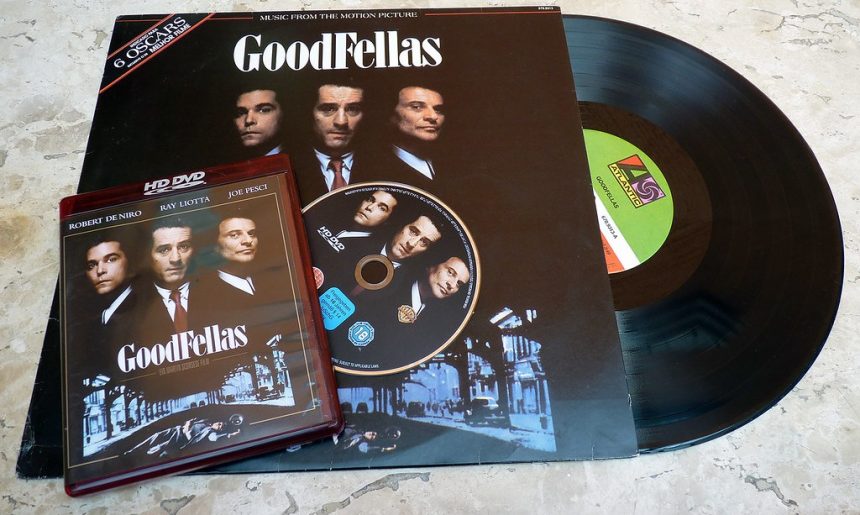
Goodfellas (1990)
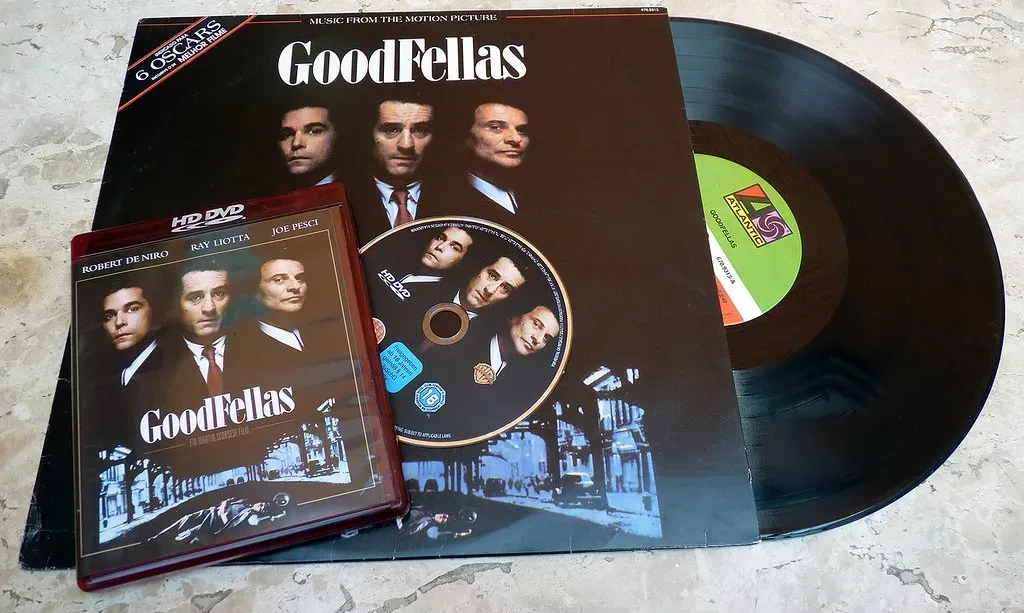
Martin Scorsese’s account of Henry Hill’s rise and fall within the mob uses relentless pacing, freeze frames, and a distinctive rock and pop soundtrack to make organized crime feel both thrilling and horrifying. Ray Liotta, Robert De Niro, and Joe Pesci deliver performances that critics still reference as some of the finest ensemble work in American film. Pesci’s unpredictable, violent energy earned him an Academy Award for Best Supporting Actor.
The film’s technical achievements, including a famous long tracking shot through the Copacabana nightclub, have influenced countless directors working in crime and drama genres since. Goodfellas was inducted into the National Film Registry in 2000, a mark of its lasting cultural weight. Its blend of dark comedy with genuine menace set a template that many later crime films have tried, with varying success, to replicate.
The Shawshank Redemption (1994)
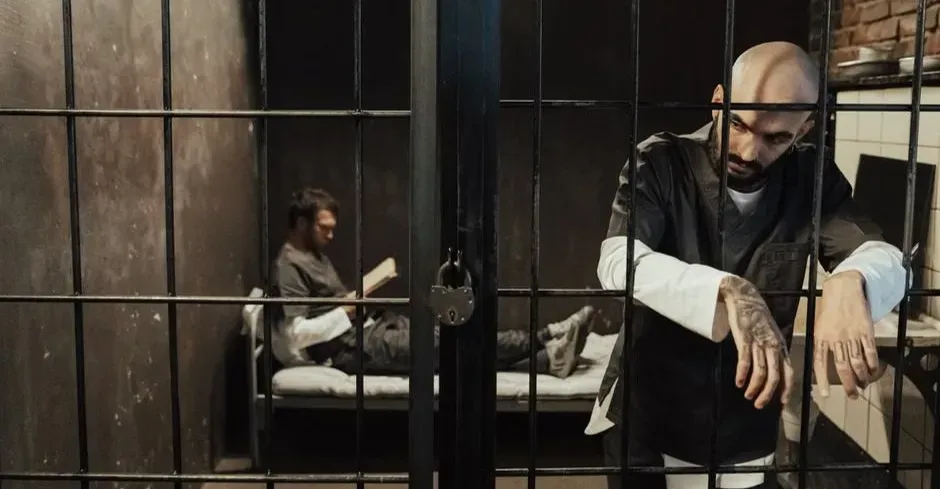
Adapted from a Stephen King novella, this prison drama about hope, friendship, and quiet defiance underperformed at the box office on release but became one of the most beloved American films through home video and television airings. Tim Robbins and Morgan Freeman’s central friendship gives the story its emotional core, while the film’s themes of perseverance resonate across generations. Despite receiving seven Academy Award nominations, it didn’t win any, losing most categories to Forrest Gump that year.
The Shawshank Redemption has topped IMDb’s user rated list of the greatest films for years running, reflecting sustained popular affection rather than just critical consensus. Its steady rise from box office disappointment to cultural touchstone is often cited as one of the more remarkable trajectories in modern film history. The film’s message about maintaining hope in dehumanizing circumstances continues to resonate with new viewers discovering it decades after release.
Jaws (1975)
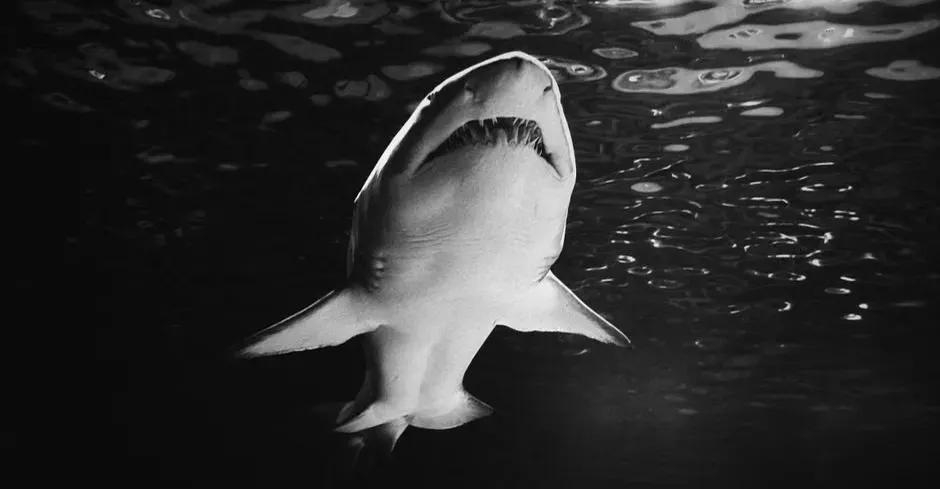
Steven Spielberg’s thriller about a great white shark terrorizing a New England beach town is widely credited with inventing the modern summer blockbuster as a business model. Mechanical shark failures during production famously forced Spielberg to suggest the creature’s presence through John Williams’s ominous score and clever camera work rather than constant visual reveals, a limitation that made the film scarier. That approach, born out of necessity, became a masterclass in tension building that filmmakers still study.
Jaws became the highest grossing film of its time and changed how studios approached wide releases and marketing campaigns. Its success paved the way for the blockbuster driven industry that still shapes Hollywood’s release calendar today. Beyond its commercial impact, the film holds up as a tightly constructed thriller with genuine character depth in its three central roles.
Pulp Fiction (1994)
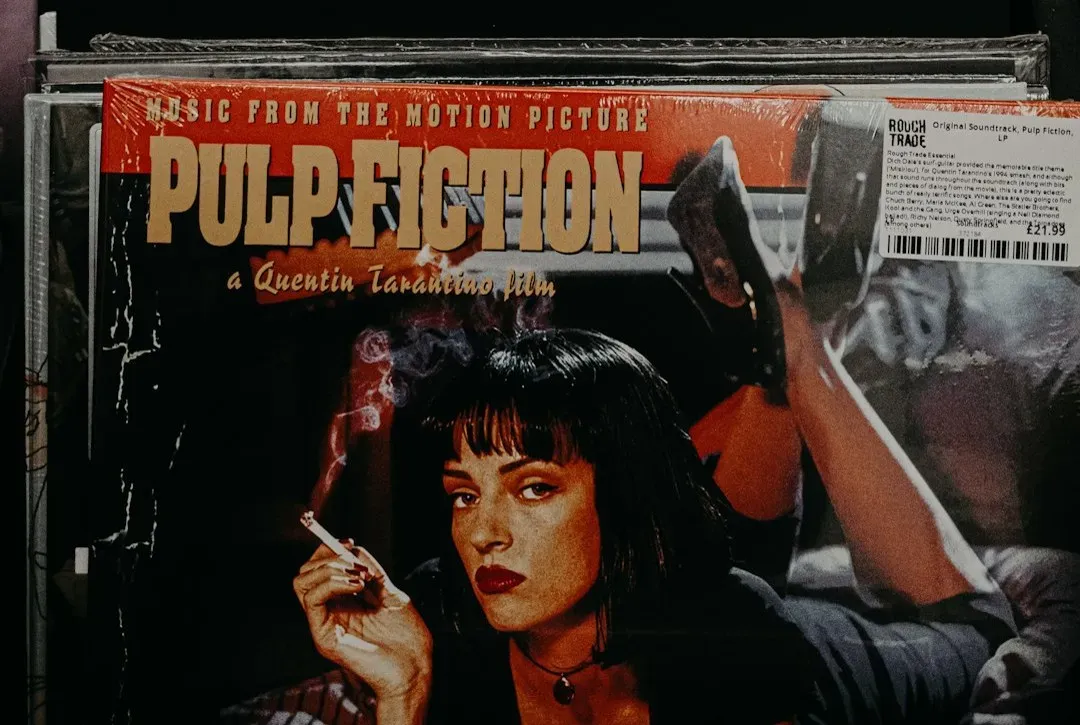
Quentin Tarantino’s nonlinear crime anthology reinvigorated independent filmmaking and reshaped mainstream expectations for dialogue driven storytelling. Its structure, which jumps around in time and interweaves separate storylines, was unconventional for a mainstream release yet became hugely influential on the following generation of writers and directors. John Travolta’s career revival and Samuel L. Jackson’s breakout performance are frequently cited among the film’s lasting effects on Hollywood casting.
Pulp Fiction won the Palme d’Or at the Cannes Film Festival and later took home the Academy Award for Best Original Screenplay. Its pop culture saturated dialogue and eclectic soundtrack choices influenced how an entire generation of filmmakers approached tone and pacing. Decades later, its fingerprints are still visible in independent and studio films that mix violence, humor, and philosophical digressions in similar proportions.
2001: A Space Odyssey (1968)
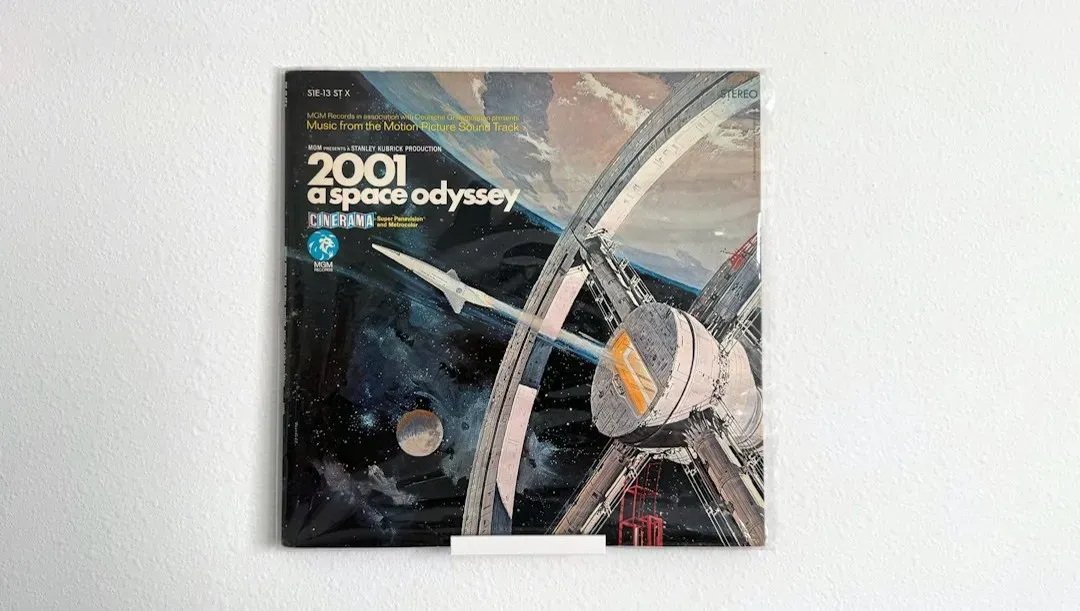
Stanley Kubrick’s science fiction epic remains one of the most visually and thematically ambitious American films ever produced, tackling evolution, artificial intelligence, and the nature of consciousness with minimal dialogue and maximal imagery. The film’s practical special effects, created without computer assistance, still impress audiences familiar with modern digital techniques. HAL 9000, the calm yet menacing onboard computer, has become a cultural shorthand for artificial intelligence gone wrong.
2001 divided critics and audiences upon release, with some finding it slow or opaque, yet its reputation has only grown over time. It’s frequently cited by directors, including Christopher Nolan and Denis Villeneuve, as a formative influence on their own approach to science fiction filmmaking. The film’s ambiguous, open ended conclusion continues to generate discussion and interpretation more than half a century after its release.
Where These Rankings Come From
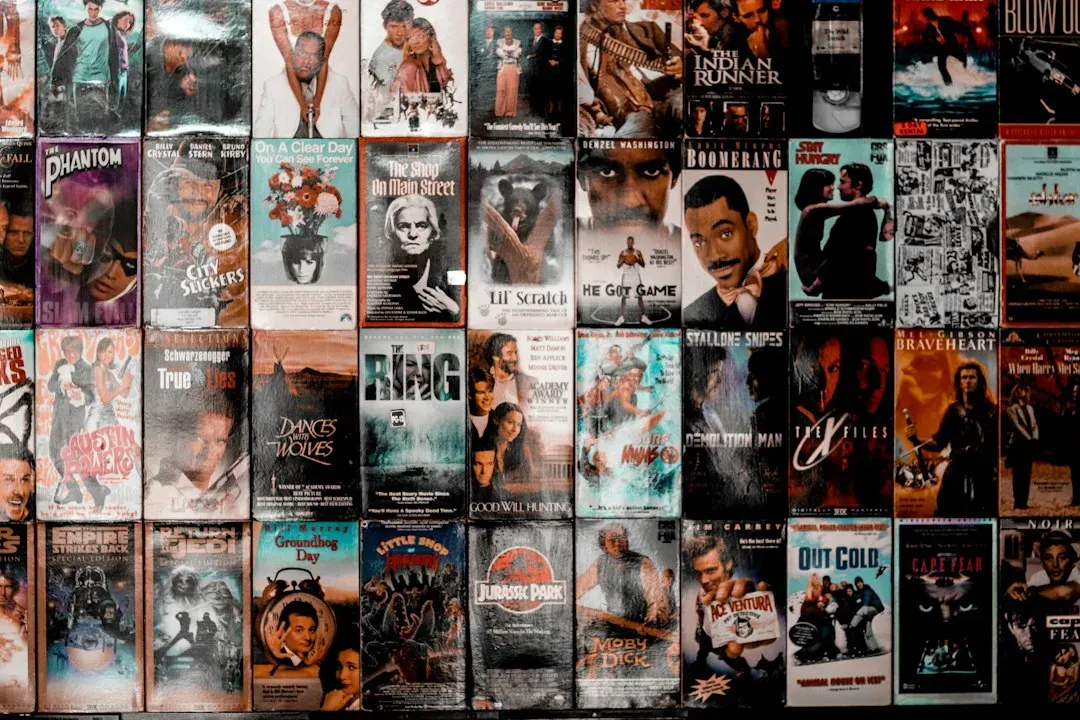
Lists like this one draw on a mix of sources: critics polls such as Sight and Sound, institutional recognitions like the National Film Registry, and popular sentiment reflected in audience ratings on platforms like IMDb. No single list is definitive, and different criteria produce different results, which is part of why these conversations never really settle. What tends to hold constant is that most serious rankings overlap heavily on a core group of films, even if the exact order shifts.
These ten films span nearly six decades of American filmmaking, from the early sound era through the 1990s, and each one changed something about how movies get made or watched. Whether it’s Welles’s camera innovations, Spielberg’s blockbuster formula, or Tarantino’s fractured storytelling, their influence is still visible in films released this year. That’s really the mark of a great film: not just that it was good when it came out, but that people are still making movies in its shadow decades later.
Partner offer
Planning a trip to Vegas?
Compare hotel rates and show tickets on VEGAS.com.