Hollywood loves a good book, and studios have been chasing beloved novels and comic series for as long as movies have existed. Yet not every author says yes when the check is on the table. Some writers have walked away from enormous sums of money, or refused to sign at all, because they were unwilling to hand their characters over to people who might reshape them beyond recognition.
What follows are seven real cases where authors chose their own vision over a payday, sometimes for decades, sometimes forever. Their reasons varied, but the pattern is strikingly consistent: once burned by Hollywood, most of them never fully trusted it again.
1. J.D. Salinger and The Catcher in the Rye
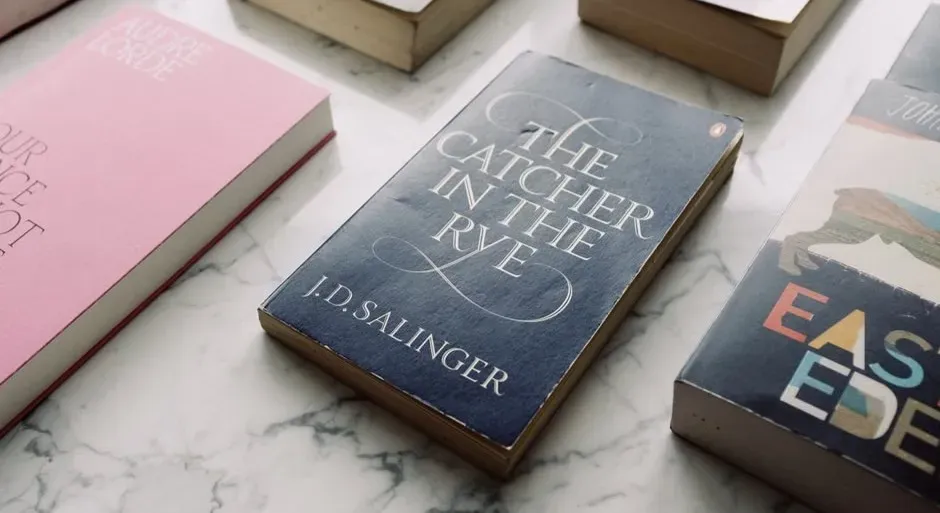
Salinger’s reluctance toward film adaptations traces back to a single bad experience. His short story “Uncle Wiggily in Connecticut” was turned into the 1949 film My Foolish Heart, and because of what Salinger’s agent later called a terrible movie made from one of his stories, the author never again relinquished control of his work to Hollywood filmmakers despite persistent interest in a screen adaptation of The Catcher in the Rye. He rejected suitor after suitor over the following decades.
Directors as prominent as Billy Wilder, Harvey Weinstein, and Steven Spielberg all wanted the rights to the book, yet Salinger consistently rejected them all. In a 1957 letter, he laid out his reasoning in detail, describing the novel as fundamentally “novelistic” and warning that the risky business of casting actors would ruin what made the story work on the page. Salinger died in 2010 having successfully never let his iconic book get adapted, and his estate has continued to obey his wishes.
2. Alan Moore and Watchmen

Alan Moore’s relationship with film studios soured early, and it never really recovered. After disputes over royalties and creative control that began in the late 1980s, he was for a time willing to cash checks from adaptations and stay hands off, but after V for Vendetta producer Joel Silver claimed Moore was excited about that adaptation, Moore severed ties with Hollywood entirely, transferring money owed to him and his onscreen credit to the artists of the books being adapted instead.
From that point forward, Moore refused to negotiate new deals on his own terms and rejected being associated with the results. He has refused both official credits and any licensing fees for film adaptations of his works on principle, and famously asked that his name be taken off the credits for V for Vendetta. Even when DC Comics later floated giving him back creative control of Watchmen, the company said it would only revisit the characters if any proposed new stories matched the quality Moore and Gibbons set nearly twenty five years earlier, with any discussion naturally starting with the creators themselves, an offer Moore did not take up.
3. Bill Watterson and Calvin and Hobbes

Few refusals in publishing history are as absolute as Bill Watterson’s. According to an account from Universal Press Syndicate president Lee Salem, Spielberg’s office called about making a movie out of Calvin and Hobbes, so Salem placed a call to Watterson in Cleveland. Watterson’s response was simply to ask why he would want to talk to Spielberg at all, and he refused to speak with the director not once but twice, also turning down an offer from George Lucas, because he had no desire to turn his creation over to anyone else, no matter who it was.
The refusals were not limited to film. Watterson firmly opposed licensing the strip’s characters for commercial merchandise and clashed with his syndicate over creative control, meaning no official merchandise or animated adaptations were produced during the strip’s original run. By most estimates this cost him hundreds of millions of dollars in potential licensing revenue, a price he apparently considered worth paying to keep the strip exactly as he drew it.
4. Ursula K. Le Guin and Earthsea
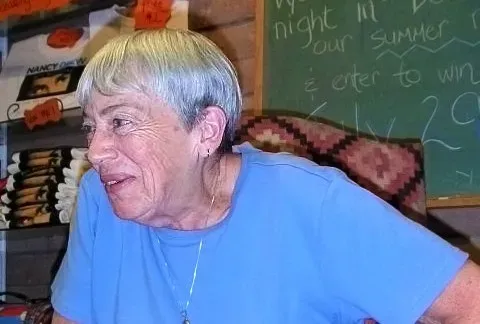
Le Guin’s story is a little different from the others, because she did sell film rights once, and the experience taught her to be far more guarded afterward. When she sold the rights to Earthsea, her contract gave her only the standard status of consultant, but the purchasers talked as though they meant to respect the books, having already secured Philippa Boyens, co-writer of The Lord of the Rings scripts, as principal script writer, which was the key factor in her decision to sell.
Boyens left the project before filming, and the result, a 2004 Sci Fi Channel miniseries, bore little resemblance to her books. Her protagonist Ged was a boy with red brown skin in the novels, but in the film he became a petulant white kid. Le Guin turned down or ignored most further screen offers for years afterward, only relenting near the end of her life when producer Jennifer Fox pursued a new project, and Fox gained Le Guin’s blessing to turn Earthsea into a series of films shortly before the author’s death in January 2018.
5. Harper Lee and To Kill a Mockingbird

Harper Lee cooperated with the 1962 film adaptation of To Kill a Mockingbird, which won Gregory Peck an Oscar and is widely regarded as one of the finest literary adaptations ever made. What is less discussed is how firmly she closed the door on anything further. For the remaining decades of her life, Lee turned away repeated proposals for a remake, a sequel film, or any new screen version, insisting that the original adaptation was the only one that would ever exist.
She permitted a stage adaptation to be performed, but only under strict local terms tied to her hometown of Monroeville, Alabama, rather than a commercial film production. Lee’s reluctance became something of a running story in publishing circles, since she was famously private and rarely gave interviews explaining her reasoning at all. Whatever the exact motivation, the result was that one of America’s most beloved novels was never revisited on screen during her lifetime, a rare feat for a book so widely read.
6. Maurice Sendak and Where the Wild Things Are

Maurice Sendak’s picture book Where the Wild Things Are was published in 1963, yet a film version did not arrive until 2009, and that gap was largely by design. Sendak fielded interest from various studios over the decades, including Disney at different points, but he was wary of anyone flattening the book’s strange, melancholic tone into a conventional family cartoon.
He held out until filmmaker Spike Jonze and writer Dave Eggers pitched an approach that treated the material seriously rather than as simple children’s entertainment. Sendak stayed closely involved with that production, a level of creative partnership he had refused to extend to earlier suitors. The finished film split audiences precisely because it kept the book’s unsettling edges intact, which was exactly what Sendak had been protecting all along.
7. Terry Pratchett and the Discworld novels
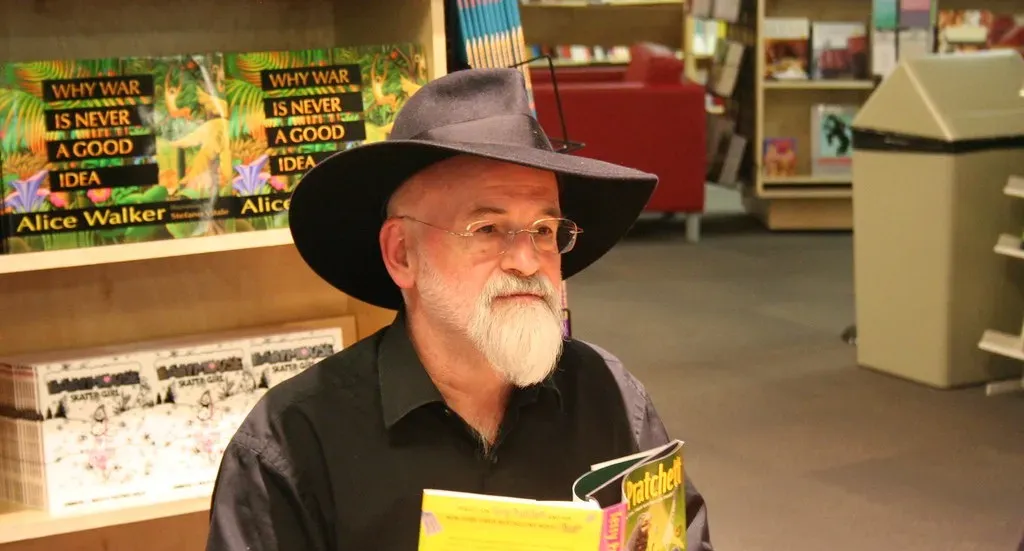
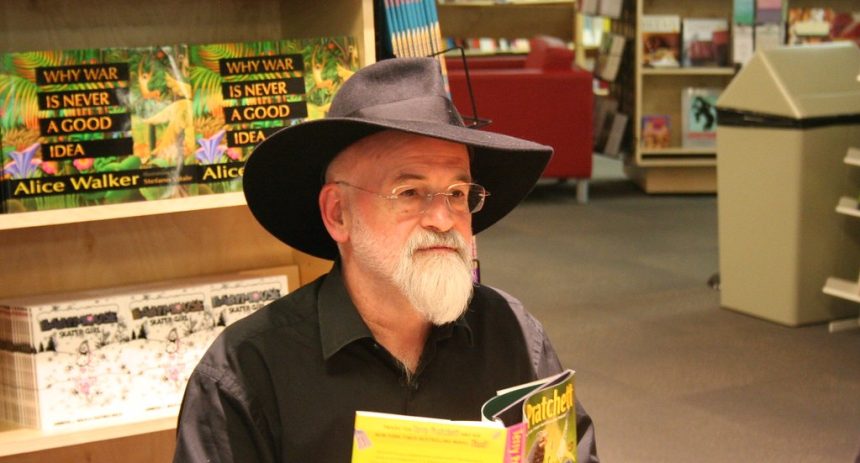
Terry Pratchett’s Discworld series sold in the tens of millions worldwide, which naturally attracted plenty of Hollywood attention over the years. Pratchett was famously skeptical of big studio deals, worried that the satirical tone and dense wordplay that defined his fantasy novels would get smoothed away in the process of making them palatable for a mass film audience.
Rather than chasing a major studio contract, he steered several of his best loved books, including Hogfather and The Colour of Magic, toward British television productions where he could stay closer to the process and have more say over casting and tone. Pratchett was known to speak candidly about his distrust of film executives who wanted to change core elements of his stories, and he preferred smaller, more controlled productions over the visibility a blockbuster deal might have offered. It meant slower, less flashy adaptations, but ones that fans generally regarded as far more faithful to his voice.
Taken together, these seven cases point to something simple but easy to forget in an industry built on options and optioning: a signature on a contract is not the same thing as trust. Each of these writers had different reasons for holding back, from a single ruined short story to a whitewashed protagonist to a plain refusal to pick up the phone, but the common thread is a willingness to leave money on the table rather than watch a lifetime of work get reshaped by someone else’s hands. Whether that instinct protected their legacies or simply delayed the inevitable is still an open question for a few of them, but for readers, the stories on the page remain exactly as their authors intended.