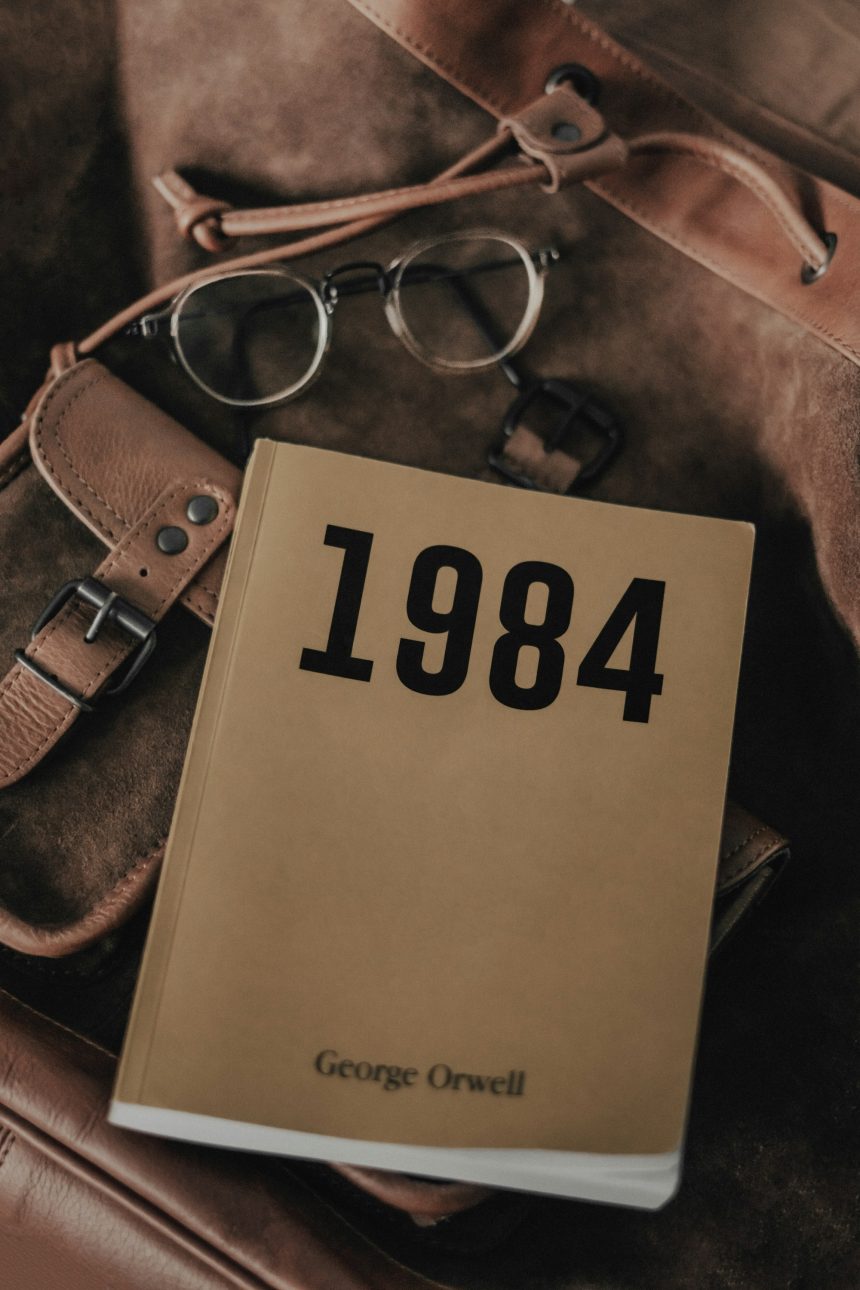
Some novels are remembered less for their plots than for a single sentence. A first line can set a tone, plant a question, or simply stick in the mind for decades. Readers who never finished the book can still often recite the opening.
The eleven openings below come from novels that have shaped how people think about beginnings. Each one is paired with the book it opens and a bit of context about why it works.
Pride and Prejudice by Jane Austen (1813)

The famous opening claims that a single man with a good fortune must want a wife. It is a statement about social assumptions, delivered with a straight face. Austen’s irony is clear almost at once.
The sentence tells you the novel will be about marriage, money, and the gap between what society says and what people want. Few openings in English are quoted or parodied as often. It remains a model of how a dry tone can carry a lot of meaning.
Moby-Dick by Herman Melville (1851)

Three short words, “Call me Ishmael,” begin the novel. They are casual and direct, almost an invitation. The narrator doesn’t say it is his real name, which adds a faint note of mystery.
Melville published the book in 1851, and it was not a commercial success at the time. Its reputation grew in the twentieth century, and its opening is now among the most recognizable in American writing.
Anna Karenina by Leo Tolstoy (1878)
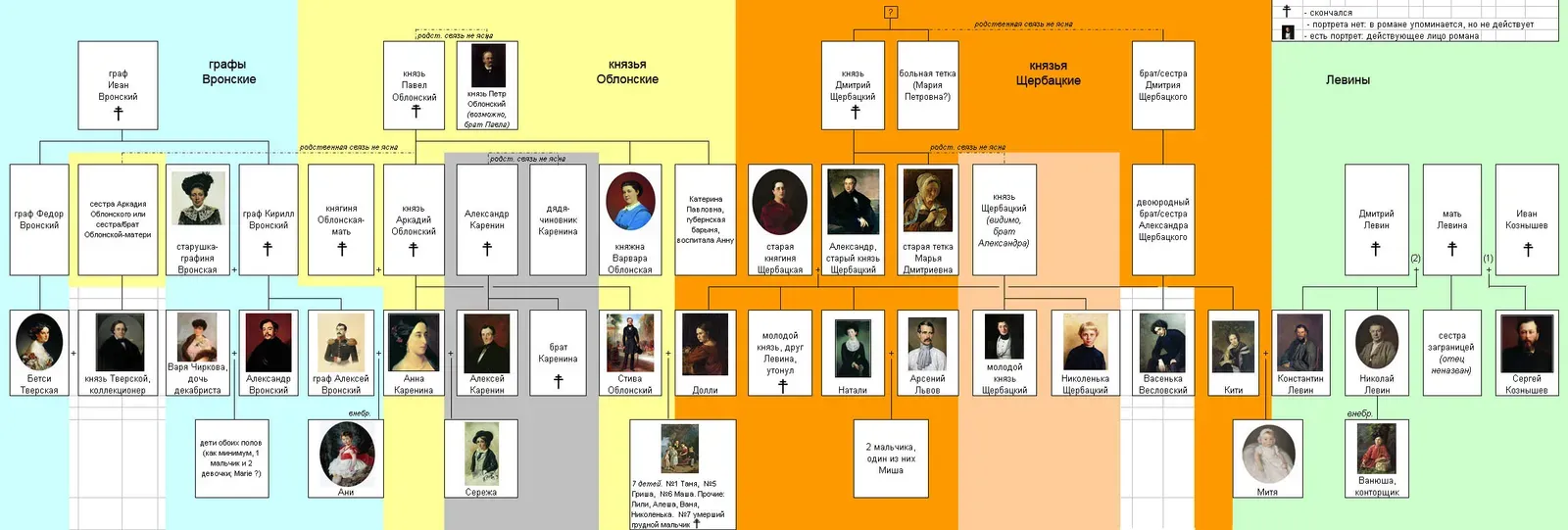
Tolstoy opens with a line about happy families being alike and unhappy ones being unhappy in their own way. It reads like a general rule, yet it introduces a story about particular unhappiness. The novel was serialized in the 1870s and published as a book in 1878.
The sentence is often quoted on its own, but it also frames the book’s contrast between several households. Translations differ slightly in wording, though the idea carries across them.
A Tale of Two Cities by Charles Dickens (1859)
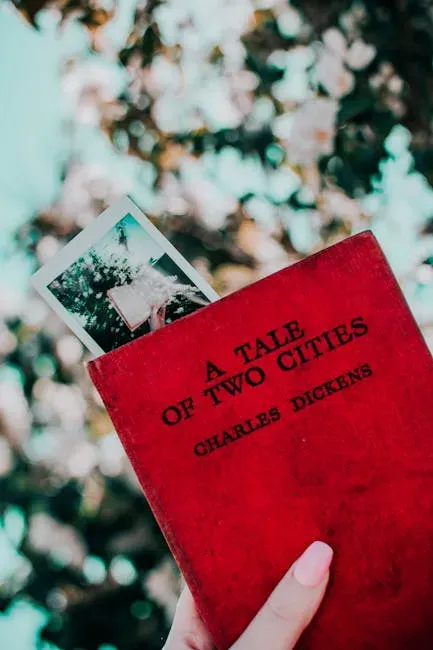
Dickens begins with a long run of opposites, calling it the best of times and the worst of times. The balance of the clauses mirrors the divided world of London and Paris during the French Revolution. It is a rhythm more than a plot point.
The novel was first published in weekly installments in 1859. That serial format may explain why the opening works so hard to grab attention right away.
1984 by George Orwell (1949)
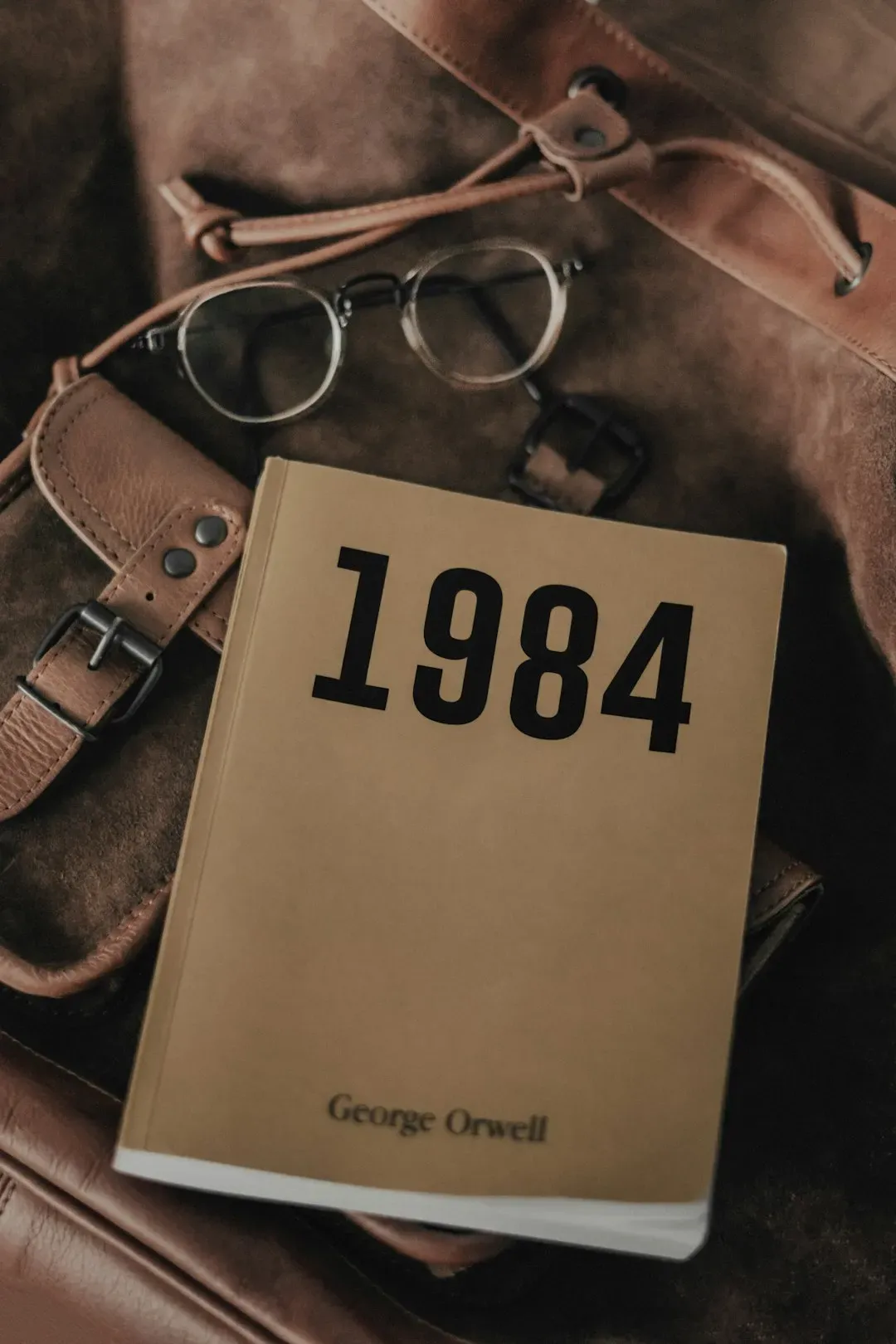
Orwell’s novel opens on a bright cold day in April, with the clocks striking thirteen. The weather is ordinary. The clock is not, and that small wrongness tells you the world is off.
Published in 1949, the book imagines a surveillance state. The thirteen o’clock detail is quiet, but it does the work of unsettling the reader before any politics appear.
The Metamorphosis by Franz Kafka (1915)

Gregor Samsa wakes one morning to find he has turned into a huge insect. Strictly speaking this is a novella rather than a full novel, but it earns its place on any list of famous openings. Kafka states the impossible event without any buildup.
Partner offer
The flat tone is the point. Because the narration treats the transformation as a practical problem, the reader is pulled into Gregor’s anxious, ordinary concerns. The German word Kafka used for the creature has been translated in several ways, which still sparks discussion.
One Hundred Years of Solitude by Gabriel García Márquez (1967)

The opening looks ahead to a firing squad while remembering a distant afternoon when a father took his son to discover ice. Time folds in on itself in a single sentence. It sets up the novel’s circular sense of history.
The book, first published in Spanish in 1967, follows the Buendía family in the town of Macondo. Its first line is often cited as a key example of magical realism, where the strange and the everyday sit side by side.
Lolita by Vladimir Nabokov (1955)
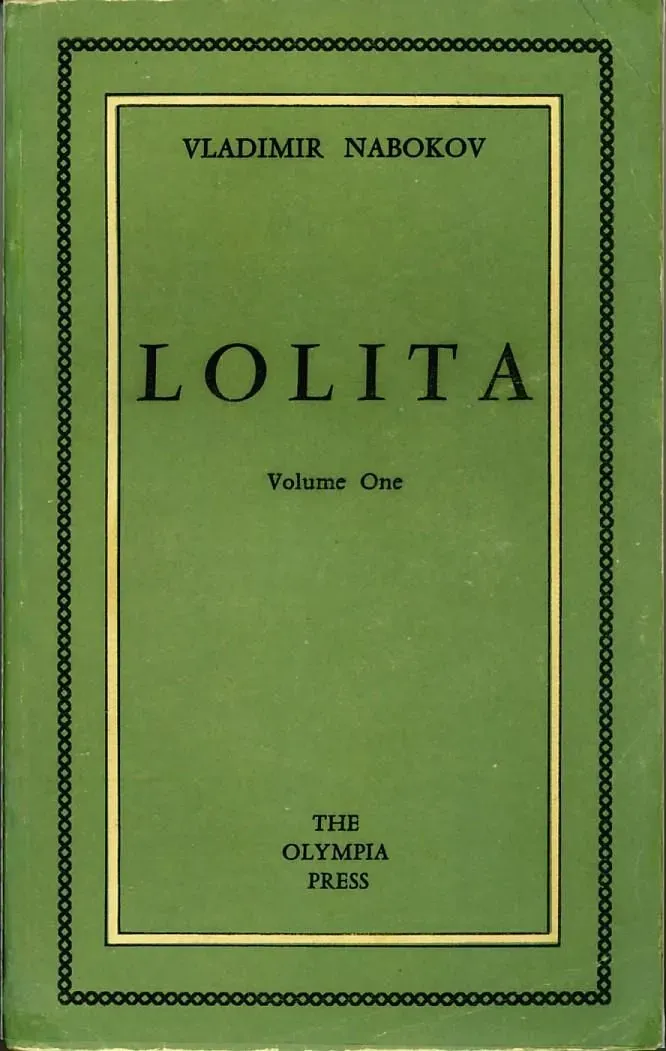
The first line is a piece of wordplay, with the narrator breaking down the name of a girl into sounds on the tongue. It is musical and deliberately seductive. That is the unsettling part, since the narrator is not trustworthy.
Nabokov published the novel in 1955, and it was controversial from the start. The opening shows how style can disguise something disturbing, which is central to how the book is read today.
The Catcher in the Rye by J. D. Salinger (1951)
Holden Caulfield begins by saying that if you really want to hear about it, you’ll probably want to know where he was born. Then he says he doesn’t feel like going into all that. The voice is chatty, reluctant, and defensive at once.
The novel came out in 1951 and became a touchstone for teenage narration. Its first lines teach the reader how to listen to Holden before the story begins.
Rebecca by Daphne du Maurier (1938)

The narrator says she dreamed she went to Manderley again. It is a dream, a place, and a longing, all in one short sentence. The mood is haunted before anything happens.
Du Maurier published the novel in 1938, and the narrator is never named in the text. That absence gives the opening an extra pull, since the voice speaking is already half lost in memory.
The Great Gatsby by F. Scott Fitzgerald (1925)
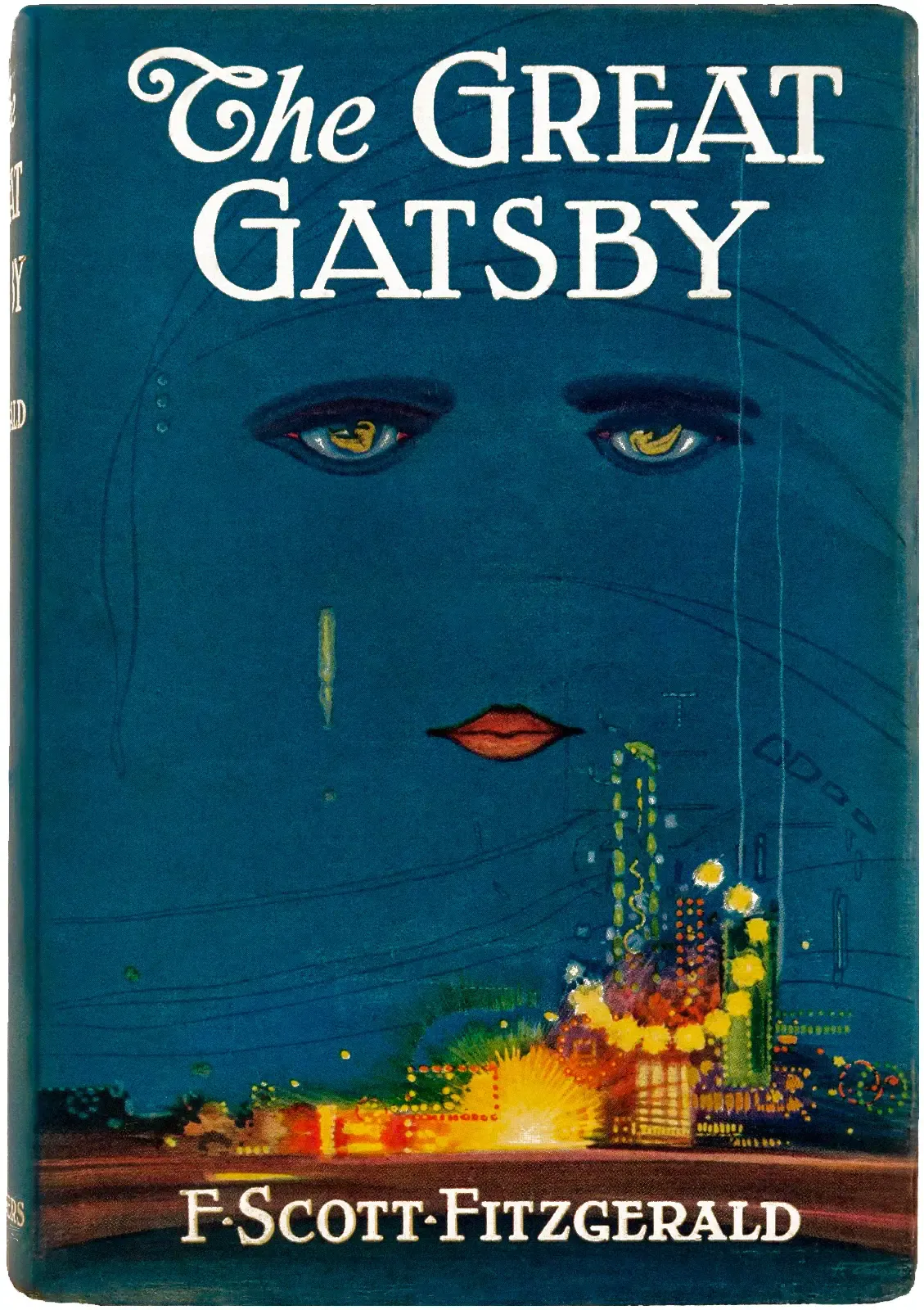
Nick Carraway recalls advice from his father about not criticizing others because not everyone has had the same advantages. It is a modest start for a novel about excess. The restraint of the line sets Nick up as a fair-minded observer.
The book appeared in 1925 and entered the US public domain in 2021. Its opening is quieter than many on this list, yet it shapes how we judge everything Nick goes on to report.
Each of these openings does something different, whether it is a joke, a warning, a mood, or a puzzle. Together they show how much a novel can promise in a single sentence.
Partner offer
Planning a trip to Vegas?
Compare hotel rates and show tickets on VEGAS.com.