There’s something strange about watching a film from three decades ago and realizing it predicted the culture we’re living in now. Some movies age like a time capsule, charmingly locked to their era. Others seem to slip loose from the calendar entirely, anticipating trends in storytelling, technology, or genre that wouldn’t fully arrive for another twenty or thirty years. 1996 turned out to be one of those unusually forward-looking years for American cinema. Critics revisiting these films for their thirtieth anniversary keep landing on the same observation: several of them weren’t just good for their moment, they were quietly rehearsing ideas the industry hadn’t caught up to yet.
Scream (1996)
Wes Craven’s slasher revival did something horror hadn’t really tried before at this scale: it let its characters know they were in a horror movie. Horror movies would never be the same, as the film at once deconstructs and embraces its formulas through in-jokes and self-reflexivity. That self-awareness now feels like a direct blueprint for the ironic, meta-literate pop culture of the streaming era, where audiences expect a story to comment on its own tropes.
Critics revisiting the film for its thirtieth anniversary keep noting how little it’s dated. Thirty years later, the film’s influence remains visible in almost every genre piece that dares to be self-aware, and Craven captured lightning in a bottle, delivering a nightmare that feels as fresh today as it did in the winter of 1996. It essentially invented the template for every knowing, genre-literate franchise that followed, from teen horror reboots to internet-fluent comedies.
Fargo (1996)
The Coen brothers built a movie around a fake “true story” disclaimer, and in doing so, they anticipated the true crime obsession that would define podcasts, streaming documentaries, and prestige television decades later. Fargo arrived when American indie cinema was saturated with ironic crime stories, and its faux true story framing device taps into the era’s fascination with true crime while quietly mocking our hunger for authenticity labels. That instinct to blur fact and fiction for narrative effect is now standard practice across an entire genre of media.
What critics keep circling back to is how the film balances cruelty with warmth, a tonal trick that modern dark comedies still struggle to pull off. The film would go on to become one of the defining crime movies of the decade, with critic Roger Ebert calling it one of the best films he’d ever seen. Its DNA runs through nearly every regional crime drama made since, including the acclaimed television series it eventually spawned.
Trainspotting (1996)
Danny Boyle’s adaptation of Irvine Welsh’s novel moved at a speed and visual rhythm that felt closer to a music video than a traditional drama, which is exactly why it still feels contemporary. The jump cuts, direct address to camera, and needle drops that once seemed radical are now the default grammar of prestige streaming shows and youth-culture films. It treated addiction with dark comedy and unflinching honesty rather than moralizing, a tonal choice that plenty of later films about substance abuse have tried to replicate.
Critics have long pointed to its influence on British cinema’s willingness to be stylish and grim in the same breath. The film’s soundtrack-driven storytelling, mixing Britpop and electronic music with narrative beats, essentially previewed how filmmakers would use music as a structural device rather than mere backdrop in the decades that followed.
Independence Day (1996)
Roland Emmerich’s alien invasion blockbuster is often remembered for spectacle, but its real innovation was scale and simultaneity, cutting between characters across the globe to show a disaster unfolding everywhere at once. That structural choice, tracking a crisis through multiple countries and social classes in real time, became the standard playbook for disaster and pandemic films made twenty and thirty years later. It also normalized the now-common blockbuster habit of destroying recognizable landmarks as visual shorthand for stakes.
The film’s use of computer-generated effects alongside physical models set a template that big-budget filmmaking would lean on for years, blending practical and digital work rather than fully committing to either. Its diverse ensemble cast, unusual for a summer tentpole at the time, also anticipated the more inclusive casting expectations that became industry standard decades later.
Mission: Impossible (1996)
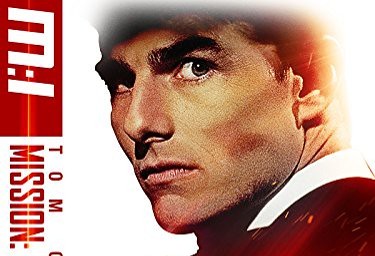
Before shared universes and long-running franchise reboots became Hollywood’s default business model, Brian De Palma’s adaptation of the old television series quietly proved that a decades-old property could be reinvented for a new generation without simply repeating the original’s formula. It leaned into practical stunts and elaborate heist logic rather than pure action spectacle, a choice the franchise doubled down on in later decades as its signature identity. That emphasis on physical, verifiable stunt work now stands out even more given how reliant modern action cinema has become on digital effects.
The film also helped establish the idea that a franchise could change directors and tone significantly from entry to entry while still holding together as a coherent brand. That flexible, director-driven approach to franchise filmmaking is now common practice across major studio properties, but it was a genuine gamble in 1996.
The Craft (1996)

A teen film about witchcraft, female friendship, and power dynamics among young women, The Craft arrived well before genre entertainment started taking teenage girls seriously as protagonists capable of both vulnerability and menace. Its willingness to let its young female characters be genuinely dangerous, not just victims or love interests, feels closer to the storytelling instincts of more recent young adult adaptations than to most of its own era’s teen movies. The witchcraft aesthetic it popularized also resurfaced decades later as a recurring visual language in fashion and film alike.
Critics revisiting the film note how its themes of bullying, isolation, and the appeal of found power among outsiders read as unusually prescient given how central those ideas became to later teen and young adult storytelling. It treated its young women as morally complicated rather than simply good or evil, a nuance that took mainstream teen cinema years to catch up to.
Twister (1996)
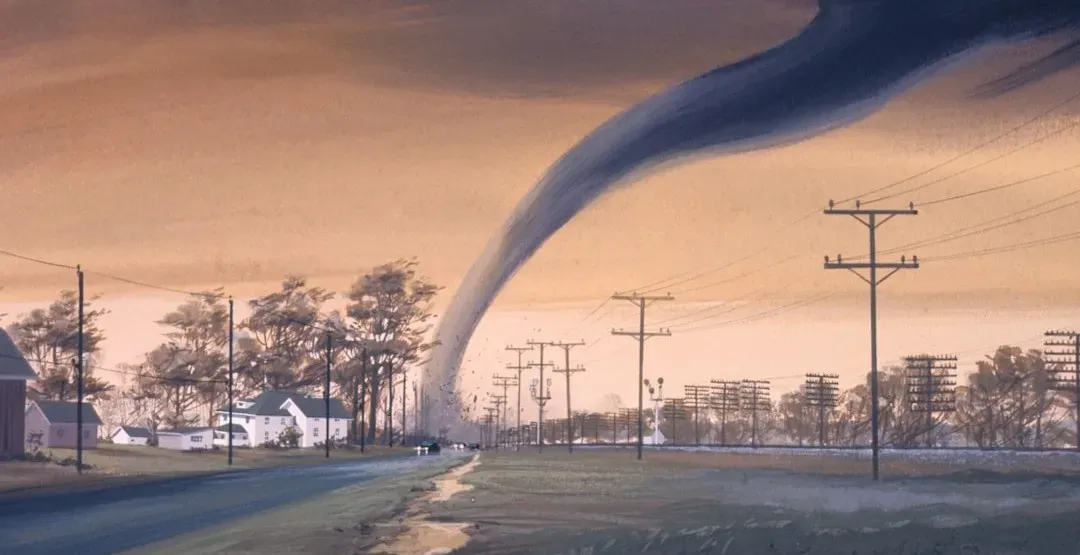
Jan de Bont’s storm-chasing disaster movie leaned hard into a hybrid of blockbuster spectacle and quasi-documentary realism, following scientists rather than soldiers or superheroes as its heroes. That choice to center ordinary researchers using real meteorological concepts as the emotional core of a summer action film was unusual at the time and has only become more relevant as climate-driven weather events have moved to the center of public attention. The film’s mix of practical effects and early CGI for its tornadoes also set a visual benchmark that later disaster films tried to match.
Its structure, chasing an escalating, unpredictable natural threat across a fairly ordinary American landscape rather than an exotic location, previewed the kind of grounded, science-adjacent disaster storytelling that streaming platforms have leaned into more heavily in recent years. Watching it now, the film’s underlying anxiety about extreme weather reads less like fiction and more like an early entry in a genre that has only grown more urgent.
The Cable Guy (1996)
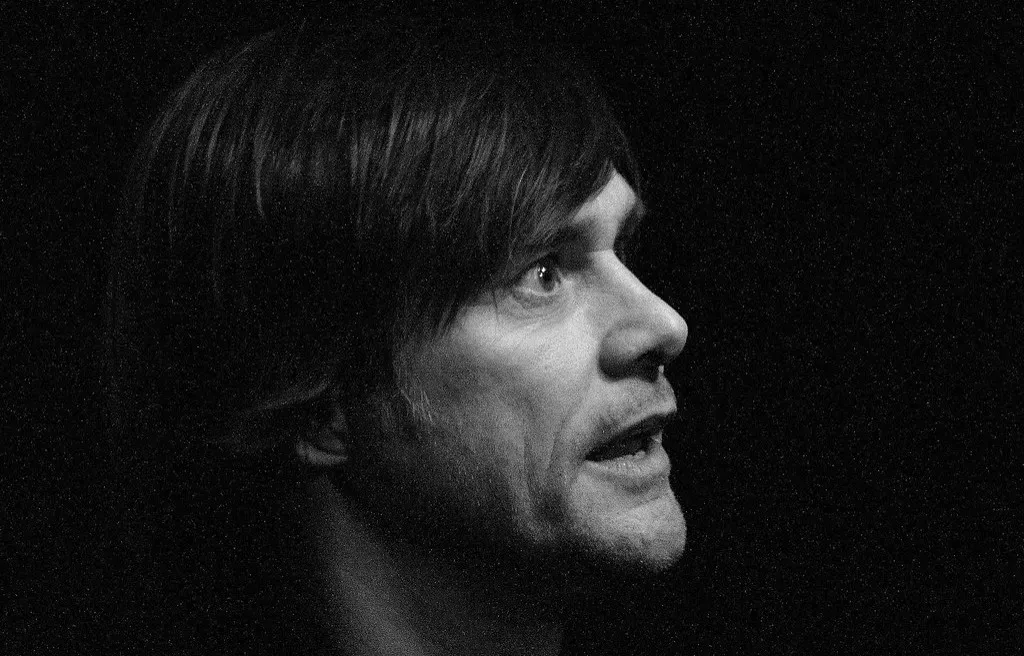
Jim Carrey’s unsettling comedy about a lonely, obsessive cable installer who inserts himself into a stranger’s life was largely misunderstood on release, with audiences expecting broader physical comedy. Watched today, its anxieties about surveillance, parasocial attachment, and the blurred line between service worker and stalker feel remarkably attuned to conversations about social media obsession and digital overexposure. The film essentially imagined a version of intrusive online behavior years before smartphones or social platforms existed to make that behavior literal.
Critics have gradually reassessed the film as a dark satire about loneliness and technology’s ability to substitute for real connection rather than a simple comedy vehicle. Its central discomfort, a person who knows too much about you because of the services wired into your home, reads very differently in an age of smart devices and data collection than it did to audiences in 1996.
Bottle Rocket (1996)
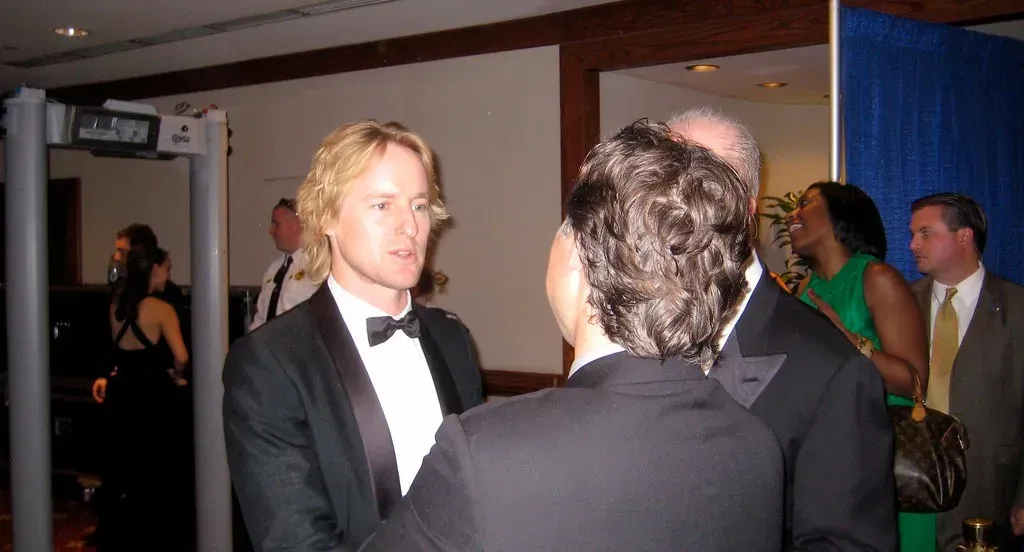
Wes Anderson’s low-budget debut about a trio of amateur criminals introduced a visual and comedic sensibility that would take another decade or more to become fashionable across independent film. Its deadpan delivery, symmetrical framing, and gentle absurdity about ambition and failure now read as the clear starting point for an aesthetic that influenced countless filmmakers who came after. At the time it was a modest box office disappointment, but its stylistic fingerprints are now everywhere in quirky, character-driven American independent cinema.
The film’s sincere, unironic treatment of its characters’ small-scale delusions of grandeur set it apart from the more cynical indie comedies of its moment. That balance of affection and absurdity became a defining trait not just of Anderson’s later work but of an entire strand of American film comedy that emerged in the 2000s and beyond.
Looking back at these nine films from a thirty-year distance says less about nostalgia and more about pattern recognition. Each one, in its own way, was quietly building toward ideas that the culture eventually caught up to, whether that meant genre self-awareness, true crime fascination, franchise flexibility, or anxieties about technology and connection. Critics revisiting them today aren’t just being kind to old favorites. They’re noticing that these movies were doing the work early, long before the rest of the industry realized where things were headed.