A movie title seems like the most settled thing about a film, since it’s printed on posters long before anyone sees a frame. Behind the scenes, though, it’s often one of the last things to be argued over. Studios test names, check them against legal registries, and sometimes simply change their minds.
The cases below differ in how late the switch came. Some happened within weeks of opening day, while others came a few months out or during production. Each one is described with the timing that reliable sources actually support.
The Uprising
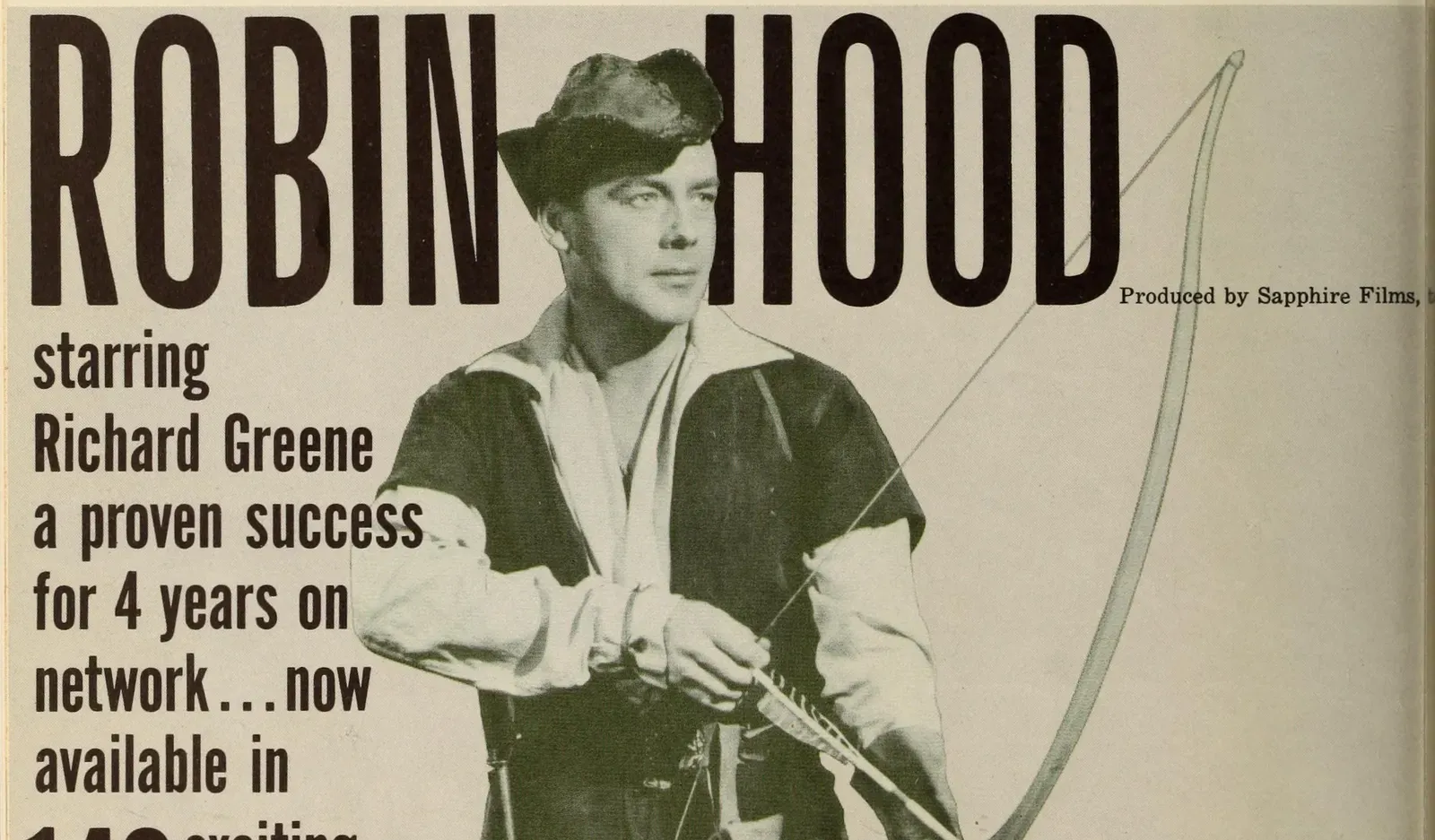
The film was first marketed in the US and UK as The Uprising, a realistic historical drama based on the 1381 Peasants’ Revolt. Its early promotional materials gave no hint that Robin Hood was involved.
On 20 August, only three weeks before the US release date, Focus Features put out a new trailer retitling it The Uprising: The Rise of Robin Hood. The Guardian called the situation a marketing meltdown, while The Independent described the rebranding as bizarre. It’s a rare case where the pivot happened this close to opening day.
Hoppers, Renamed for Japan

Pixar’s Hoppers follows a 19-year-old college student named Mabel, who volunteers to test “hopping” technology and has her consciousness placed in a robotic beaver. The title keeps its original form in the US and most other territories.
Reporting from January 2026 noted that Walt Disney Studios Japan rebranded the film as When I Became a Beaver for its local release. The coverage placed the release just over a month away. The outlet described the move as a strategic localization, since the original title says little about the premise on its own.
Lee Daniels’ The Butler
The Weinstein Company planned to call its film about a White House butler simply The Butler. Then the MPAA’s Title Registration Bureau stepped in.
The bureau ruled shortly before release that the title couldn’t be used, because a 1916 Warner Bros. short film already carried it. The studio appealed and tried to get Warner Bros. to back down, but the appeals board agreed with the earlier decision. The possessive director credit that resulted became part of the official title.
War Dogs
Todd Phillips’ Warner Bros. comedy drama stars Jonah Hill and Miles Teller as two Miami men who become weapons dealers. It was first known as Arms and the Dudes, the name of the Rolling Stone article and later book it was based on.
A few months before the film’s release, the title was changed to War Dogs. That’s a longer runway than some entries here, but still a late stage for a studio to rebrand a major release. The new name is shorter, punchier, and easier to fit on a marquee.
Deadpool and Wolverine
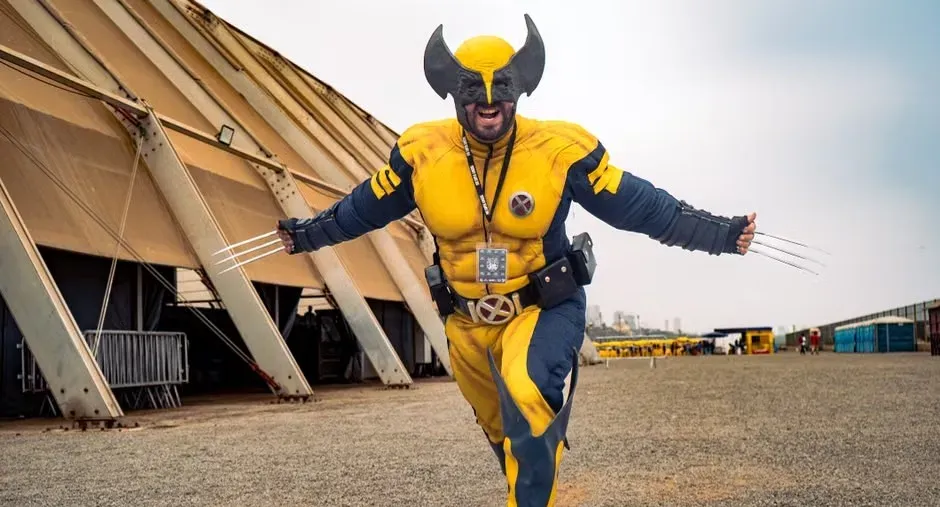
The third Deadpool film spent part of its development under a different name. It was called Deadpool & Friend, and according to Ryan Reynolds the title leaked the night before the Super Bowl trailer, with the internet collectively disliking it.
Reynolds said in July 2024 that he and director Shawn Levy lobbied for a change after the name leaked and earned a poor online reception. The switch happened months ahead of release rather than weeks. Even so, it shows how quickly public reaction can push a studio to rethink a name.
Return of the Jedi
For much of production, the third Star Wars film carried a different subtitle. It was Revenge of the Jedi, and things went far enough that posters were made and an early trailer carried that title.
George Lucas ultimately decided that revenge was beneath a Jedi’s principles, so Revenge became Return. The change came after marketing materials already existed, which makes it one of the better known late reversals. Exact timing varies by account, so it’s best described as a late change rather than a weeks before one.
Scream
Kevin Williamson’s original script was titled Scary Movie, and the film entered production under that name. The crew had even received merchandise branded with it.
The studio didn’t like Scary Movie and changed the title to Scream. The crew reportedly hated the new name at first but came to appreciate it. The Hollywood Reporter also credits a Michael Jackson video of the same name as the inspiration. The original title would later resurface for a separate parody franchise, though that’s a different story.
Begin Again

This music drama starring Keira Knightley and Mark Ruffalo debuted at the Toronto Film Festival under another name. It was known as Can a Song Save Your Life? at that debut, roughly ten months before its release.
The title was changed when The Weinstein Company picked up the distribution rights after the festival. Producer Anthony Bregman told The Hollywood Reporter the change came from audience research. The shorter name was meant to better reflect the film for its wider release.