
We tend to think of a published novel as fixed, a finished object on the shelf. Some authors never saw it that way. A few went back to their books years or even decades later, trimming, restoring, rewriting, or reordering.
The seven novels below all exist in more than one authorial version. Some changes were small and practical, others reshaped how readers meet the story. Here’s what changed in each, and why it still matters.
Frankenstein by Mary Shelley

The first edition appeared in 1818, anonymously, with a preface written by Percy Bysshe Shelley. Mary Shelley revised the text for an 1831 edition and added a new introduction about how the story began. That introduction is where the famous tale of a ghost story contest comes from.
Her changes were more than cosmetic. In 1831 Elizabeth is no longer Victor’s blood cousin but an unrelated child taken in by the family. The revisions also lean harder on fate than the 1818 text does. Scholars still argue over which version to teach, and modern editions often print the 1818 text for that reason.
The Picture of Dorian Gray by Oscar Wilde
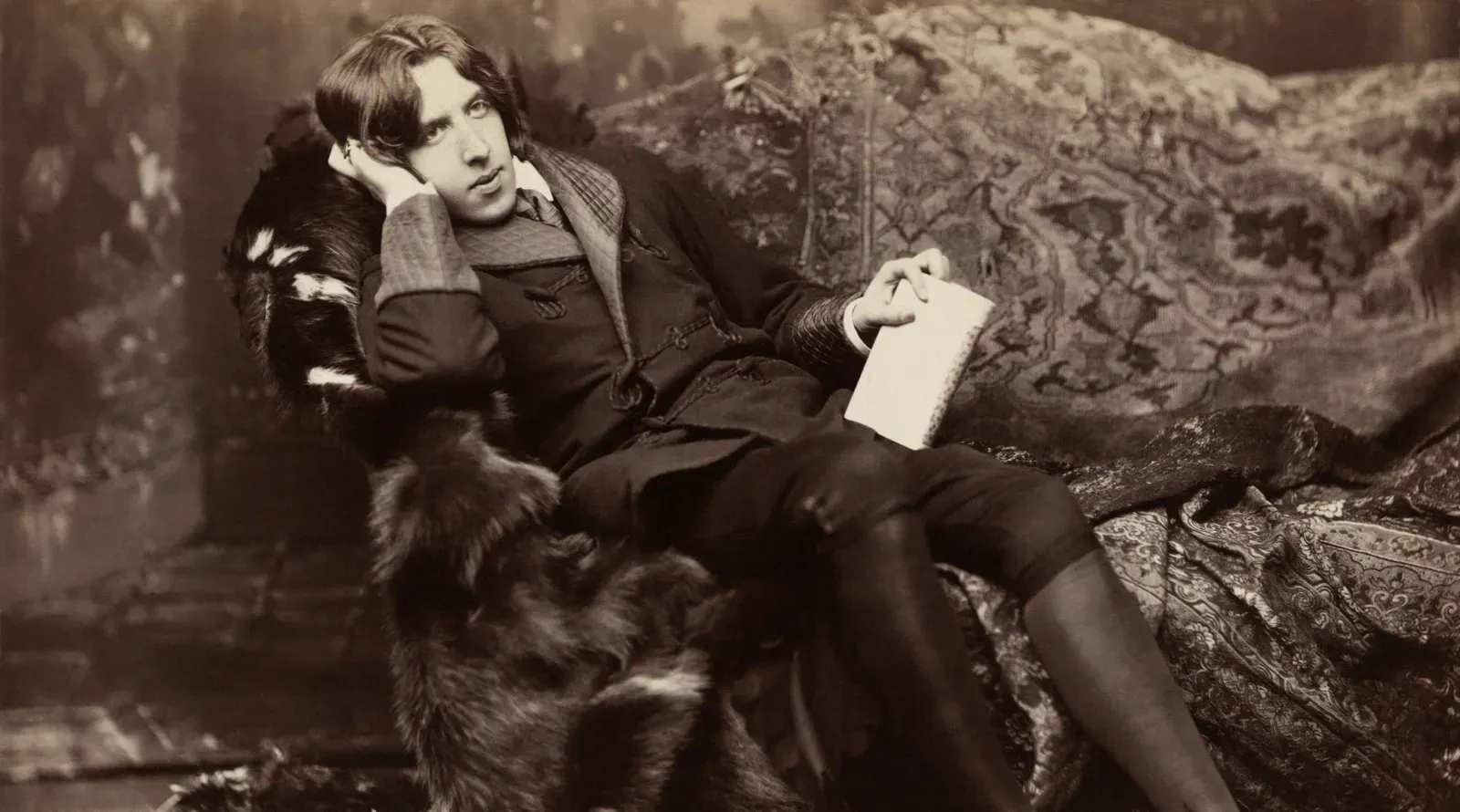
Dorian Gray first appeared in Lippincott’s Monthly Magazine in 1890. The reaction was hostile, and critics attacked its supposed immorality. Wilde reworked the story for book publication in 1891.
The book version is longer, running to twenty chapters, and it adds the now famous preface of aphorisms about art. It also expands the subplot involving Sibyl Vane’s brother, James. Wilde softened some of the more suggestive passages as well. In 2011 Harvard University Press published the uncensored 1890 text, edited by Nicholas Frankel, so readers can compare the two.
The Hobbit by J.R.R. Tolkien

The Hobbit came out in 1937. Once Tolkien was deep into The Lord of the Rings, he realized the ring Bilbo finds was no ordinary trinket. In the 1951 second edition he rewrote the “Riddles in the Dark” chapter to match.
In the original, Gollum willingly offers the ring as a prize if Bilbo wins the riddle game. In the revision, Gollum is desperate and furious when he discovers the ring is missing. The change turns a lighthearted bargain into something darker. It also made the children’s book fit its sequel, and Tolkien made further corrections for a later edition in 1966.
Tender Is the Night by F. Scott Fitzgerald

Fitzgerald published this novel in 1934, opening with Rosemary Hoyt’s view of the Divers and then moving back in time. He later felt the structure hurt the book. He made notes toward a chronological arrangement in his own copy.
Partner offer
He died in 1940 without publishing that version. In 1951 the critic Malcolm Cowley edited an edition that followed Fitzgerald’s notes and put the story in straight chronological order. So this is a revision of the author’s intent rather than a finished edition by him. Readers still debate which arrangement works better.
The Stand by Stephen King
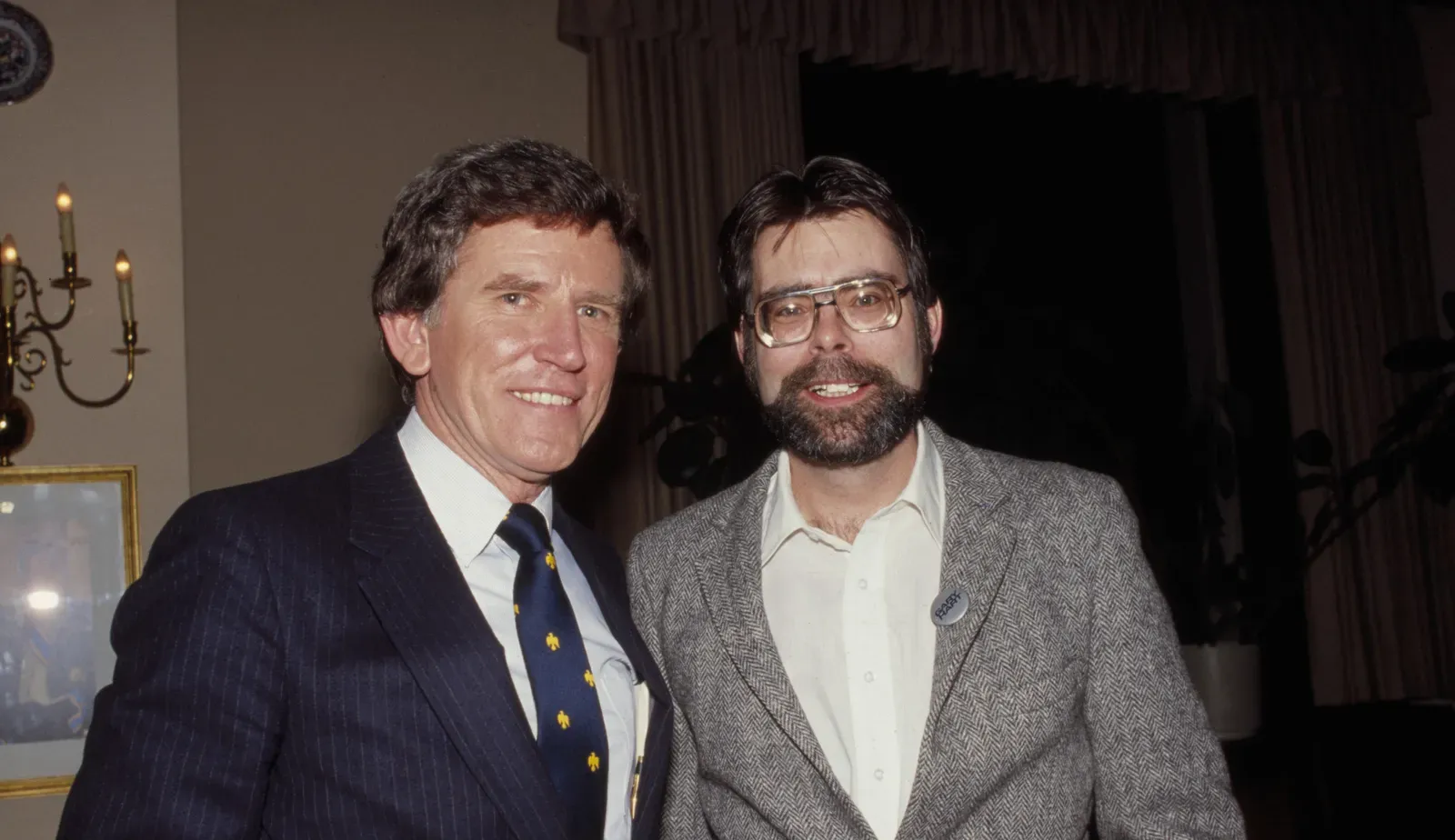
The Stand was published in 1978 in a form shortened from King’s original manuscript, partly because of the book’s sheer length. In 1990 a “complete and uncut” edition arrived. It restored a large amount of cut material, on the order of several hundred pages.
King also moved the story’s timeline. The original is set around 1980, while the expanded edition shifts the events to 1990. He made other updates and adjustments along the way. For many fans the longer edition is now the standard one, though some still prefer the leaner original.
Brideshead Revisited by Evelyn Waugh

Waugh’s novel was published in 1945, written during wartime rationing. In 1960 he issued a revised edition with a new preface. He looked back at the original with some embarrassment over its lushness, which he linked to the austerity of the war years.
The revision trimmed some of the most ornate passages and made other textual changes. Waugh also reflected on how his view of the book had shifted since publication. Later editions have generally used the revised text. It’s a rare case of an author openly second-guessing his own style in public.
The Magus by John Fowles

Fowles published The Magus in 1965, but it was not his favorite. He considered it a flawed work, and he kept thinking about it for years. A revised version came out in 1977, with a foreword explaining his reasons.
The revision altered parts of the text, including some of the book’s sexual content and the way certain scenes play out. Fowles didn’t claim it was a new book, only a more satisfying one. Readers today can find both versions discussed, and the 1977 text is the one most commonly reprinted.
Taken together, these books show that revision comes in many forms. Sometimes it fixes a continuity problem, sometimes it answers critics, and sometimes it restores what an editor cut. Knowing which edition you’re holding can change how you read a book.
Next time you pick up a classic, check the copyright page. The version in your hands may not be the one first printed, and the difference can be worth exploring.
Partner offer
Planning a trip to Vegas?
Compare hotel rates and show tickets on VEGAS.com.